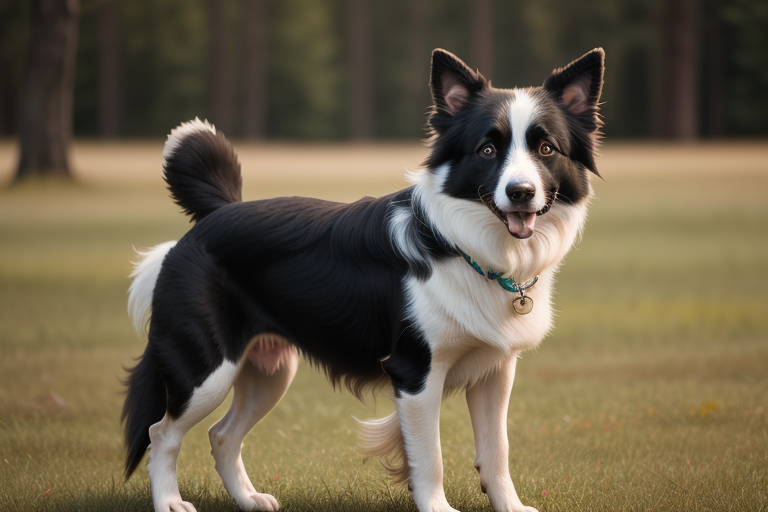
How to Train a 6 Month Old Puppy Basic Commands (2026)
## Understanding Your 6-Month-Old Puppy’s Learning Capabilities
Your six-month-old puppy is hitting what I call the “golden learning window” – and if you’ve noticed your pup suddenly acting like a moody teenager, you’re not imagining things. For more on this topic, see our guide on puppy training foundations. This age brings exciting opportunities for training, along with some challenges you need to understand.
### Why 6 Months Is Prime Time for Command Training
At six months, your puppy’s brain is developed enough to understand cause and effect, but they’re still young enough to form strong habits. Their attention span has finally stretched to **5-15 minutes** – a huge leap from the 2-3 minutes you had with an 8-week-old puppy. This means you can actually complete meaningful training exercises without your pup mentally checking out.
I’ve trained hundreds of puppies, and this age consistently shows the best results for locking in basic commands. Their physical coordination has improved dramatically, making sits, downs, and stays much easier to execute than just a few weeks ago.
### Physical and Mental Milestones at This Age
Your puppy is essentially a canine pre-teen right now. Here’s what’s happening inside that fuzzy head:
– **Brain development**: The learning centers are firing on all cylinders, making new information stick faster
– **Motor skills**: They can control their body well enough to hold positions and follow physical cues
– **Memory retention**: They’ll remember what they learned yesterday (and last week!)
– **Social awareness**: They’re reading your body language and tone better than ever
Physically, most puppies have reached about 75% of their adult size. They’re coordinated enough to walk nicely on a leash without tripping over their own feet every ten seconds.

Check Price on Amazon →
### Working With Their Attention Span
Even though 5-15 minutes sounds short, it’s plenty of time for effective training. I structure my sessions like this:
– Start with something your puppy already knows (builds confidence)
– Introduce one new concept or refine one command
– End with a fun success (never end on frustration)
The moment you see your puppy’s eyes wandering or they start getting sloppy with commands they normally nail – **stop immediately**. Pushing past their attention limit creates negative associations with training.
### The Adolescent Rebellion Phase
Here’s what nobody warns you about: your previously perfect puppy might suddenly act like they’ve never heard the word “sit” in their life. Welcome to canine adolescence! This typically starts around 6-8 months.
Your puppy isn’t being stubborn or forgetting their training. Their brain is reorganizing, hormones are surging, and they’re testing boundaries – just like human teenagers. During this phase, you might need to go back to basics with commands they “knew” last week.
Stay patient and consistent. This phase passes, usually by 12-18 months.

Check Price on Amazon →
### Realistic Training Expectations
For a six-month-old puppy, aim for **2-3 training sessions daily, about 10 minutes each**. I prefer morning, afternoon, and evening sessions, but work with your schedule.

Check Price on Amazon →
Focus on one command at a time until your puppy responds correctly 8 out of 10 times. Then move to the next. Don’t expect perfection – expect progress. Some puppies nail “sit” in two days; others need two weeks. Both are completely normal.
Remember: short, positive sessions beat long, frustrating ones every single time.

Check Price on Amazon →