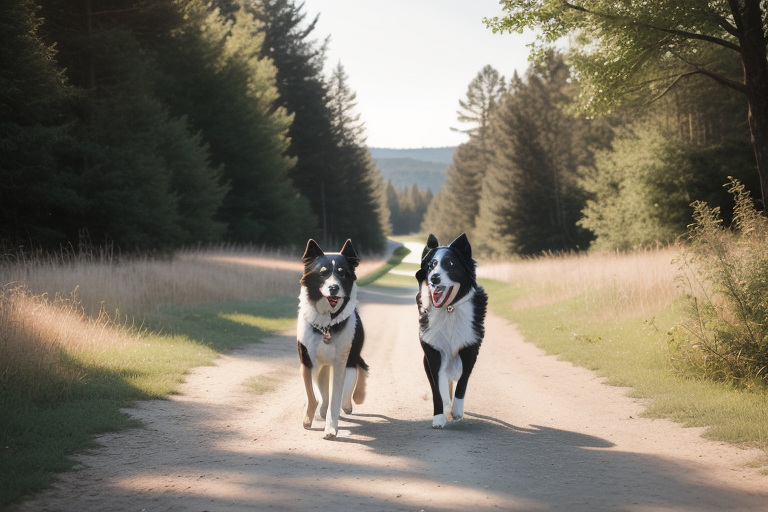
Dog Pulling Toward Other Dogs on Walks: How to Stop It
Why Dogs Pull Toward Other Dogs: Understanding the Root Causes
When your dog yanks you down the sidewalk at the sight of another dog, it helps to know why they’re pulling. The solution changes dramatically depending on what’s driving that behavior.
Three Different Types of Pulling
Excitement-based pulling is what I see most often with younger dogs and friendly breeds. For more on this topic, see our guide on lunging at other dogs. Your dog spots another dog and thinks “New friend! Must say hello NOW!” Their whole body wags, they might whine or bark in a high pitch, and they pull straight toward the other dog with loose, bouncy body language. These dogs usually do fine at dog parks or during off-leash play.
Fear-based reactivity looks completely different. These dogs pull to create distance or launch what I call a “defensive offense.” You’ll notice stiff body language, hackles up, and intense staring. The barking sounds sharper and more serious. A fearful dog might pull forward initially but will often try to back away if the other dog gets closer.
Frustrated greeting behavior falls somewhere in between. These are dogs who actually want to be friendly, but the leash prevents them from greeting naturally. Over time, this frustration builds into explosive reactions. They’ve learned that lunging and barking is what happens when they see dogs on leash, even though they might play beautifully off-leash.
How the Leash Makes Everything Worse
Here’s something that surprised me early in my training career: the leash itself creates a huge part of the problem. When you tighten the leash (which is our natural reaction), that tension travels straight down to your dog. They feel trapped and pressured, which amps up whatever emotion they’re already experiencing. Fear becomes panic. Excitement becomes frantic energy.
I’ve watched the same dog react completely differently on-leash versus off-leash in controlled settings. The leash creates what I call “artificial pressure” that intensifies everything.
The Socialization Window We Can’t Get Back
Many reactive dogs I work with missed critical socialization between 3-14 weeks of age. Maybe they came from a shelter and we don’t know their history. Maybe they were homed during their socialization window and rarely met other dogs. This narrow developmental period shapes how dogs perceive other dogs for life. While we can’t go back in time, understanding this helps us have realistic expectations and patience.
Distance Is Your Best Training Tool
Every dog has an “arousal threshold”—a distance where they switch from being able to think and learn to being completely overwhelmed. For some dogs, that’s 100 feet. For others, it’s 10 feet. Once your dog crosses that threshold, their brain essentially goes offline. No amount of treats or commands will work because they literally cannot process them.
Real-World Examples
I worked with Max, a 3-year-old Labrador who pulled from pure excitement. His tail wagged like a helicopter, he’d do play bows while pulling, and he just wanted to greet every dog he saw. Once he actually met dogs, he played appropriately.
Compare that to Luna, a 2-year-old rescue who lunged and barked intensely. Her body went rigid, her eyes locked on, and she’d actually try to retreat if I helped her create distance. She wasn’t being aggressive—she was terrified. These two dogs needed completely opposite training approaches.
Understanding which type of pulling you’re dealing with is step one. Everything else builds from there.