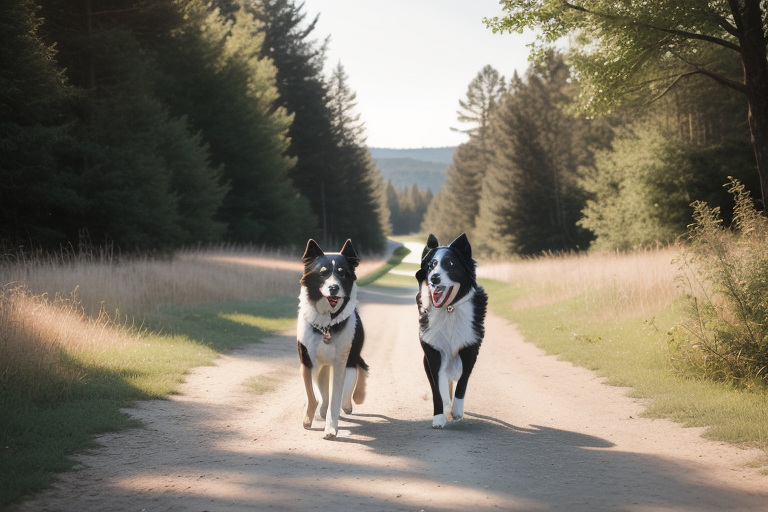
How to Teach a Dog to Heel Properly: Complete Guide
Understanding What ‘Heel’ Really Means
Before you start teaching your dog to heel, let’s get crystal clear on what you’re actually asking them to do. I’ve worked with countless owners who think their dog already heels, when really they just walk near them sometimes. True heeling is much more specific.
The Proper Heel Position
When your dog heels correctly, their shoulder should align with your leg—usually your left leg, though you can train either side. Your dog should stay in this position as you walk, maintaining that shoulder-to-leg alignment whether you speed up, slow down, or turn. There’s minimal to no tension on the leash because your dog is actively choosing to stay in position.
Think of it this way: your dog isn’t just walking beside you. They’re moving as your shadow, paying attention to your pace and direction.
Heel vs. Loose-Leash Walking
Here’s where many owners get confused. Loose-leash walking means your dog can sniff around, move side to side, and generally explore—as long as the leash stays slack. They might be a foot ahead or behind you, and that’s perfectly fine.
Heeling is structured and focused. Your dog stays in that exact shoulder-to-leg position, watching you for cues. They’re not sniffing fire hydrants or checking out other dogs. All their attention is on you and where you’re going together.
I like to explain it to clients this way: loose-leash walking is your dog’s free time on the walk. Heeling is when you need them to be “on the clock.”
Why Heel Is an Advanced Skill
Don’t feel discouraged if heel training doesn’t click immediately. This is genuinely one of the more challenging commands you’ll teach. Your dog needs to: For more on this topic, see our guide on off-leash walking.
- Ignore distractions while staying focused on you
- Continuously adjust their pace to match yours
- Read your body language for turns and stops
- Maintain position without constant reminders
That’s a lot of mental effort for a dog! It requires impulse control, sustained attention, and physical coordination.
Setting Realistic Expectations
With daily practice sessions (10-15 minutes each), most dogs develop basic heel proficiency in 4-8 weeks. Notice I said basic. A rock-solid heel in distracting environments? That can take months of consistent work.
Your dog’s age, temperament, and previous training all affect the timeline. A focused Border Collie might nail it in three weeks. A distractible puppy might need three months. Both are completely normal.
When to Actually Use Heel
You don’t need your dog to heel for entire walks—that would be exhausting for both of you! Save heel for situations where you need extra control:
- Busy sidewalks with lots of pedestrian traffic
- Crosswalks and intersections where safety is critical
- Passing other dogs when you need to create space
- Crowded areas like outdoor cafes or farmers markets
- During training sessions to reinforce the behavior
For regular neighborhood walks, loose-leash walking is perfect. Let your dog enjoy their walk! Use heel strategically, and you’ll have a tool that makes challenging situations manageable while keeping walks fun for everyone.