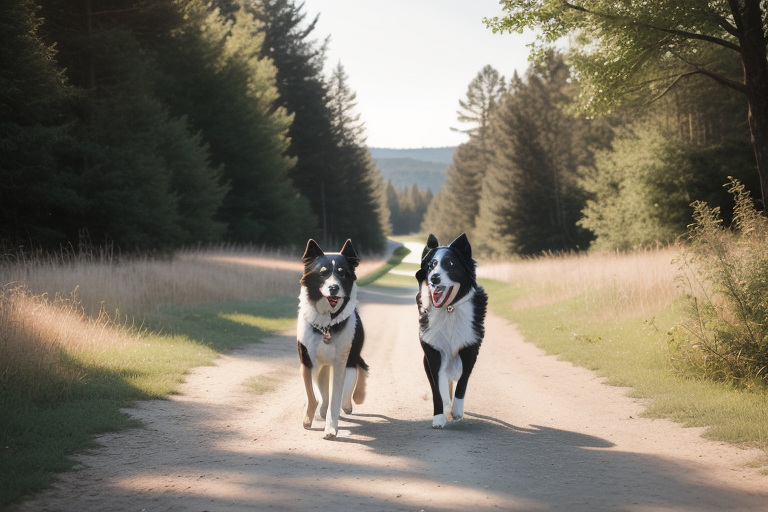
Teaching Dog to Walk Off Leash Safely: Complete Guide
Understanding Off-Leash Readiness: Is Your Dog Prepared?
Before you unclip that leash, let’s be honest about where your dog stands. I’ve seen too many owners rush into off-leash training before their dog is ready, and it almost always ends with a frustrated owner chasing their dog around the park. Off-leash freedom is the goal, but it’s not where we start.
The Foundation Skills Your Dog Must Have
Your dog needs three rock-solid skills before you even think about off-leash work:
Recall (Coming When Called) – This is your emergency brake. Your dog should come sprinting back to you when called, even when something interesting is happening. If your dog only comes when they feel like it, you’re not ready.
Impulse Control – Can your dog see a squirrel and look back at you instead of bolting? Can they wait for their dinner bowl without lunging? Impulse control is what keeps your dog making good choices when their instincts say otherwise.
Solid Stay Command – A reliable stay gives you the ability to pause your dog’s movement when needed. It’s a safety net that buys you time in unpredictable situations.
Age and Maturity Matter More Than You Think
Here’s something many owners don’t want to hear: most dogs under 18 months aren’t mentally ready for off-leash reliability. Sure, your 10-month-old puppy might have great recall in your backyard, but their adolescent brain is still developing impulse control and decision-making abilities.
Think of teenage dogs like teenage humans—they know the rules, but their judgment isn’t fully cooked yet. I’ve trained hundreds of dogs, and the ones who excel off-leash are almost always over that 18-month mark. Be patient. Better late than sorry.
Know Your Dog’s Breeding and Drive
A Labrador bred for hunting will have different off-leash challenges than a Cavalier King Charles Spaniel. High prey drive breeds—like terriers, hounds, and many herding dogs—need extra work because their genetics tell them to chase first and think later.
Watch how your dog reacts to squirrels, rabbits, and other dogs. Do they fixate and tune you out completely? That’s prey drive, and you’ll need to work through it systematically before trusting them off-leash.
The 80/20 Rule: Your Readiness Test
Here’s my golden rule: Your dog should respond correctly to commands 80% of the time in distracting environments while still on a long leash. Not in your quiet living room—in the park with dogs playing, at the trail with runners passing, during walks with squirrels darting around.
If your dog’s success rate on-leash is below 80%, going off-leash is gambling with their safety.
Quick Safety Checklist
Before attempting off-leash work, honestly assess:
- Does your dog show aggression or fear toward other dogs or people?
- Can they handle seeing triggers without lunging or panicking?
- Do they have a history of running away or not coming back?
- Are they overly anxious or overexcitable in new places?
If you answered yes to any of these, work with a professional trainer before going off-leash. There’s no shame in getting help—it’s actually the smartest move you can make.