Dog Afraid of Loud Noises Thunder Training Guide
Understanding Your Dog’s Thunder Phobia: Signs and Severity Levels
Not every dog who perks up their ears during a thunderstorm has a true phobia. I’ve worked with hundreds of anxious dogs over the years, and learning to recognize the difference between a normal reaction and genuine fear is your first step toward helping your pup.
Normal Startle vs. True Phobia
A healthy startle response looks like this: your dog’s ears perk up, they might glance toward the window, perhaps bark once or twice, then settle back down. That’s normal awareness.
True thunder phobia is a different beast entirely. Watch for these red flags:
- Excessive panting (even in a cool room)
- Drooling or excessive salivation
- Destructive behavior like clawing at doors or digging at carpets
- Hiding in bathtubs, closets, or under furniture
- Pacing continuously without settling
- Trembling or shaking
- Loss of bladder or bowel control
The Storm Before the Storm
Here’s something fascinating I’ve noticed: many dogs can sense approaching storms 30-60 minutes before you hear the first rumble. They’re responding to barometric pressure changes and static electricity in the air.
Your dog might start checking windows, refusing to go outside, following you from room to room, or just seeming “off” before the sky even darkens. Recognizing these early warning signs gives you valuable time to implement your calming strategies before full panic sets in.
The Three Severity Levels
Mild (Alert but Manageable): Your dog knows something’s happening. They’re vigilant, maybe a bit clingy, but they’ll still eat treats and respond to cues. These dogs can often be redirected with engaging activities.
Moderate (Significant Distress): Your dog actively seeks hiding spots, whines or barks persistently, and glues themselves to your side. They’re not interested in food or play. You’ll see panting, pacing, and an inability to settle even in their favorite spot.
Severe (Full Panic Mode): This is where we see dangerous behaviors. Dogs attempt to escape through windows or doors, sometimes injuring themselves in the process. They may chew through drywall, destroy crates, or show complete loss of bladder control. These dogs are beyond thinking—they’re in pure survival mode.
Why Waiting Makes It Worse
I need to be straight with you: thunder phobia rarely improves on its own. In fact, it typically gets worse with age through a process called sensitization. Each scary storm experience reinforces the fear, building stronger negative associations in your dog’s brain. For more on this topic, see our guide on separation anxiety guide.
A dog who’s mildly nervous at age two might be destroying your house by age five if the phobia goes unaddressed. I’ve seen it happen too many times, which is why early intervention matters so much.
Breed Considerations
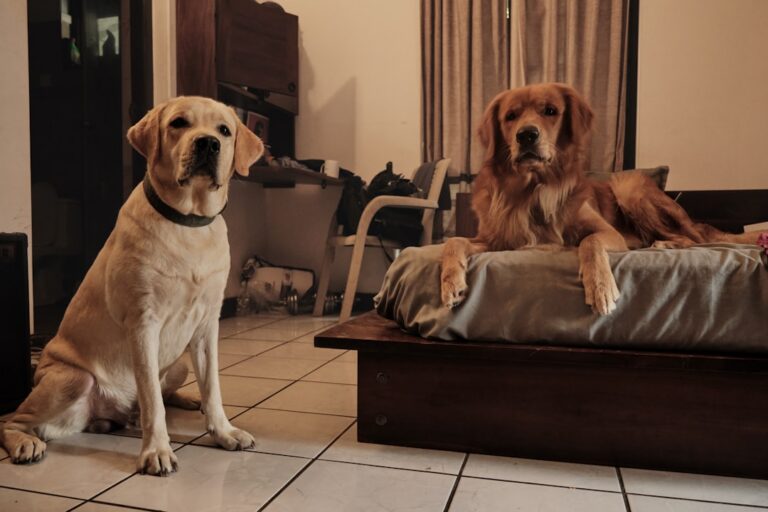
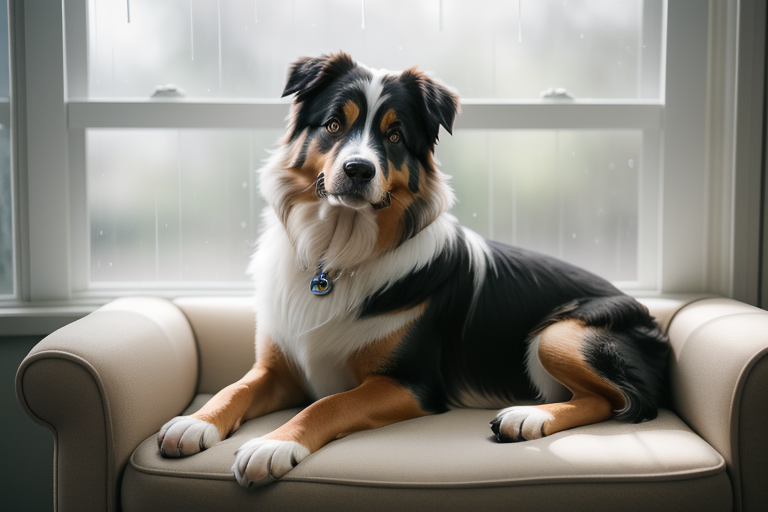
While any dog can develop thunder phobia, I’ve consistently seen higher rates in herding breeds (Border Collies, Australian Shepherds, German Shepherds) and sporting dogs (Golden Retrievers, Labrador Retrievers). These intelligent, sensitive breeds seem particularly tuned in to environmental changes.
That doesn’t mean your mixed breed or other purebred can’t develop these fears—I’ve trained anxious Chihuahuas and terrified Great Danes. But if you have one of these predisposed breeds, extra vigilance pays off.
Understanding where your dog falls on this spectrum helps you tailor your training approach, which we’ll dive into next.