How to Potty Train an 8 Week Old Puppy: The Complete Guide
You just brought home your adorable 8 week old puppy, and within the first hour, you’ve already discovered three puddles and a surprise in the corner. Welcome to puppyhood! The good news? Eight weeks is actually the perfect age to start potty training, and with the right approach, most puppies can be reliably trained within 2-3 weeks.
I’ve helped hundreds of puppy owners through this exact phase, and the secret isn’t some magical trick—it’s consistency, timing, and understanding what’s actually happening inside your puppy’s tiny bladder. Let’s get your puppy on track with a proven system that works.
Why 8 Weeks Is the Critical Window for Potty Training
Your puppy’s brain is like a sponge right now. Between 8 and 16 weeks, puppies go through their primary socialization and learning period. What they learn during these weeks sticks with them for life, which makes this the golden opportunity for potty training.
At 8 weeks old, your puppy can physically hold their bladder for about 2-3 hours maximum during the day, and even less overnight. Their bladder is roughly the size of a ping pong ball, and they have virtually zero control over it yet. This isn’t stubbornness—it’s biology.
Here’s what’s working in your favor: puppies this young naturally want to keep their sleeping area clean. This instinct, inherited from their wild ancestors, is your biggest ally. Your job is to help them understand that “their area” includes your entire home, not just their crate.
The challenge? An 8 week old puppy needs to eliminate every 1-2 hours when awake. Miss that window, and you’ll find an accident. But nail the timing consistently for two weeks, and you’ll have a puppy who automatically heads to their potty spot.
Essential Supplies You’ll Need Before Day One
Don’t start potty training without these items. Trust me, scrambling to find enzymatic cleaner at 2am when you’re exhausted is not fun.
Check Price on Amazon →
The Non-Negotiables:
- Crate sized for your puppy’s adult weight — Should only have enough room for them to stand, turn around, and lie down. Too much space, and they’ll potty in one corner and sleep in another.
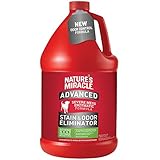
- Enzymatic cleaner (like Nature’s Miracle or Rocco & Roxie) — Regular cleaners don’t break down the urine proteins that tell your puppy “this is the bathroom spot.” You need enzymatic specifically.
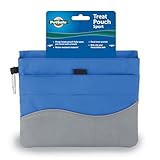
- High-value training treats — Tiny, soft pieces they can eat in one second. Think pea-sized bits of real chicken, cheese, or commercial training treats.
- Baby gates or exercise pen — For containing your puppy in a small area when you can’t watch them directly.
- Headlamp or flashlight — For those middle-of-the-night potty trips when you’re half asleep.

Check Price on Amazon →
Check Price on Amazon →
Optional But Helpful:
- Pee pads (only if you’re training to both pads and outside—more on why this can backfire later)
- Potty bells to hang on your door
- Waterproof mattress protector for their crate
- Puppy grass patch or litter box (for apartment dwellers)

Check Price on Amazon →
One thing I don’t recommend: those attractant sprays marketed for potty training. They rarely work and can actually confuse your puppy about where to go.
The Hour-by-Hour Potty Training Schedule
This is the exact schedule I give to every new puppy owner. It looks intense, but remember—it’s only for the first 2-3 weeks. After that, your puppy’s bladder capacity increases, and life gets much easier.
The Core Schedule:
- First thing in the morning (within 30 seconds of waking up): Carry puppy directly outside
- After every meal (within 5-10 minutes): Outside immediately
- After every nap (the second they wake up): Outside before they fully wake up
- After every play session (within 5 minutes of stopping play): Outside
- Every 1-2 hours during active time: Outside, even if they haven’t done any of the above
- Last thing before bed: Outside for a final potty break
- Middle of the night (at least once): Set an alarm for 3-4 hours after bedtime
Sample Day for an 8 Week Old Puppy:
- 6:00 AM: Wake up, outside immediately (praise and treat when successful)
- 6:15 AM: Breakfast, outside within 10 minutes
- 6:30-8:00 AM: Supervised play, outside at 7:30 AM and again at 8:00 AM
- 8:00 AM: Nap time in crate
- 10:00 AM: Wake from nap, outside immediately
- 10:15 AM: Supervised play/training
- 11:00 AM: Outside
- 11:15 AM: Lunch, outside within 10 minutes
- 11:30 AM-1:00 PM: Nap in crate
- 1:00 PM: Wake up, outside
- 1:15-3:00 PM: Supervised play with potty breaks at 2:00 PM and 3:00 PM
- 3:00-5:00 PM: Nap
- 5:00 PM: Outside
- 5:15 PM: Dinner, outside within 10 minutes
- 5:30-8:00 PM: Supervised play/family time with potty breaks every hour
- 8:00 PM: Outside
- 8:15-10:00 PM: Quiet time, limited water
- 10:00 PM: Final potty break, straight to crate for bed
- 2:00 AM: Alarm goes off, outside (no play, no talking, just business)
Yes, this means you’re going outside 12-15 times a day. I know it sounds exhausting. But here’s the reality: you’re either cleaning up accidents inside or preventing them outside. One builds good habits; the other builds bad ones.
The Golden Rule: When in doubt, take them out. Better to go outside unnecessarily than to have an accident that reinforces the wrong spot.
Recognizing the Signs Your Puppy Needs to Go
Learning your puppy’s “I need to potty” signals will save you countless accidents. Every puppy is slightly different, but these are the universal tells:
Obvious Signs:
- Sniffing the ground intensely while circling
- Walking to the door or their usual potty spot
- Suddenly leaving their play area or toy
- Whining or barking (especially near the door)
- Circling repeatedly in one spot
- Squatting (you have about 2 seconds here—move!)
Subtle Signs Many People Miss:
- Becoming suddenly restless or distracted
- Wandering away from you during play
- Sniffing corners or areas they’ve had accidents before
- The “look”—many puppies will make brief eye contact when they need to go
- Scratching at the floor or ground
- Standing by their crate after just coming out
Here’s something crucial: an 8 week old puppy often doesn’t give much warning. They might be playing one second and squatting the next. This is why the strict schedule matters more than signal-watching at this age. By 12 weeks, signals become much more reliable.
Train the Door Signal:
Hang bells on your back door at puppy nose height. Every single time you take your puppy out, physically touch their nose or paw to the bells so they ring. Do this for every potty break. Within 1-2 weeks, most puppies figure out that ringing the bells makes the door open. This gives you a clear signal that works even at 3am.
How to Handle Accidents the Right Way
You will have accidents. Even with perfect scheduling, your 8 week old puppy will have accidents. This doesn’t mean you’re failing—it means you have a normal puppy.
When You Catch Them in the Act:
- Say “Uh-oh!” or “Outside!” in a normal voice (not angry, not yelling)
- Immediately scoop them up mid-stream if possible
- Rush them to their potty spot
- If they finish outside, praise enthusiastically and give a treat
- Clean the indoor spot with enzymatic cleaner only
What NOT to Do:
- Never yell, scold, or punish. This teaches your puppy to fear you, not to avoid pottying inside.
- Never rub their nose in it. This old-school method is cruel and completely ineffective.
- Don’t react with anger or frustration. Your puppy can’t connect punishment to something they did even 30 seconds ago.
- Don’t use ammonia-based cleaners. Ammonia smells like urine to dogs and actually attracts them back to the spot.
When You Find an Accident After the Fact:
Your window to connect cause and effect closed about 3 seconds after it happened. If you didn’t catch them in the act, you cannot teach them anything by reacting now.
Simply clean it up thoroughly with enzymatic cleaner and commit to watching them more carefully. Consider it your mistake, not theirs—they needed to go out, and you missed the timing.
The Night Time Potty Training Strategy
Nighttime is where many puppy owners struggle the most. Here’s the truth: an 8 week old puppy cannot physically hold it for 8 hours. Expecting them to will only result in accidents in their crate, which creates a huge setback.
Set an Alarm: Yes, you need to set an alarm for 3-4 hours after putting your puppy to bed. This might mean a 2am potty break. The sacrifice is temporary—by 12-16 weeks, most puppies can make it through the night.
The Middle-of-the-Night Routine:
- Alarm goes off, immediately get up
- No lights, no talking, no play
- Carry puppy directly from crate to potty spot
- Stand there silently and wait (boring is the goal)
- When they go, say “good potty” quietly
- Carry them back to crate immediately
- Back to sleep
The key is keeping it absolutely boring. If you turn it into play time, your puppy will start waking you up for fun instead of necessity.
Crate Setup for Overnight:
- Place the crate in your bedroom, ideally next to your bed
- Cover three sides with a blanket to create a den-like environment
- Include a worn t-shirt with your scent
- No food or water bowls inside (remove water 2 hours before bed)
- A safe chew toy is fine for early morning if they wake before you
Common Mistakes That Destroy Your Progress
I’ve seen these mistakes set back potty training by weeks. Avoid them at all costs.
Mistake #1: Inconsistent Supervision
Letting your puppy roam the entire house is the fastest way to create potty training chaos. An 8 week old puppy should never be unsupervised in areas larger than one room. Use baby gates to create a small, easily supervised zone.
Mistake #2: Using Pee Pads and Outside Training Simultaneously
This confuses most puppies. You’re essentially teaching them that going inside is sometimes okay, which makes it nearly impossible for them to understand the real rule: always outside.
Mistake #3: Delayed Rewards
Timing is everything. You have approximately 2 seconds after your puppy finishes pottying to deliver praise and treats. Wait until you get back inside, and your puppy won’t connect the reward to the behavior. Bring treats outside in your pocket.
Mistake #4: Punishment for Accidents
Punishment teaches your puppy to hide when they potty (leading to finding surprises behind furniture) or to fear you. It does not teach them where to go.
Mistake #5: Giving Up Too Early
Some puppies catch on in a week. Others take four weeks. Breed, individual temperament, and your consistency all factor in. Stick with the schedule religiously for at least three weeks before evaluating progress.
Mistake #6: Skipping the Middle-of-the-Night Break
Letting your 8 week old puppy cry in a crate with a full bladder for hours creates two problems: they’ll eventually have an accident in their crate (teaching them it’s okay to soil their sleeping area), and you’re creating negative associations with the crate. The midnight potty break is temporary. By 14-16 weeks, most puppies can make it through.
Frequently Asked Questions
How long does it take to fully potty train an 8 week old puppy?
Most puppies achieve basic reliability (few accidents) within 2-4 weeks of consistent training. However, “fully” trained typically means 4-6 months old, when they have better bladder control and can hold it for several hours.
Should I use puppy pads or go straight to outdoor training?
Go straight to outdoor training if at all possible. Pads teach your puppy that going inside is acceptable, which directly contradicts what you’re ultimately trying to teach. The only exceptions: high-rise apartment living, medical conditions, or severe weather.
What if my puppy won’t potty outside in the cold or rain?
Stay outside with them, even in bad weather. Wait it out for 10-15 minutes. The second they finally go, celebrate with treats and praise. Don’t let them learn that refusing outside means they can come in and go on the floor instead.
Can I train my puppy to potty in a specific area of my yard?
Yes! Always take your puppy to the same spot using the same route. The scent buildup will encourage them to go there. Use a command like “go potty” every time they eliminate in that spot. Within a few weeks, they’ll head to that area automatically.
My puppy pees outside then comes in and pees again immediately. Why?
Your puppy likely didn’t fully empty their bladder outside. Stay outside for 5-10 minutes after the first pee. Walk around, let them sniff, and wait. Many puppies will pee 2-3 times in one outdoor session. Don’t head inside until you’re confident they’re truly empty.
Potty training your 8 week old puppy isn’t magic—it’s management, timing, and consistency. The schedule looks intense because it is, but this investment now pays dividends for the next 12-15 years of your dog’s life. Stay patient, stick to the schedule, and celebrate every successful outdoor potty like they just won a championship.