Apartment Puppy Potty Training Without a Yard: The Complete Indoor-to-Outdoor System
You love dogs. You also love your apartment. The problem? Your new puppy doesn’t understand that the gorgeous hardwood floors are not a toilet. And unlike homeowners who can just open the back door, you’ve got hallways, elevators, and zero yard to work with.
Here’s the truth: potty training a puppy in an apartment is absolutely doable, but it requires a different playbook than the standard “take them outside” advice you see everywhere. I’ve worked with dozens of apartment-dwelling puppy owners, and the ones who succeed all follow a specific system designed for small spaces and limited outdoor access.
Let’s build that system for you.
Why Apartment Potty Training Is Different (And Not Harder)
Most potty training guides assume you have a backyard—a door you can open in 10 seconds to get your puppy on grass. In an apartment, your “door to grass” journey might involve:
- Leashing up
- Walking down a hallway
- Waiting for an elevator
- Crossing a lobby
- Getting to a designated pet area
That’s 3-5 minutes minimum. For a puppy who needs to go right now, that’s an eternity. An 8-week-old puppy who’s giving you the “I need to pee” signs has maybe 30 seconds before it’s happening whether you’re ready or not.
This is why apartment potty training often needs an indoor potty solution as a bridge—not a crutch, but a planned stepping stone toward the ultimate goal of going outside.
The good news? Apartment puppies often develop stronger bladder control faster because they learn to hold it during those hallway-and-elevator trips. They also tend to have better leash manners earlier since every potty trip doubles as leash practice.
Choosing Your Indoor Potty Setup
This is the most important decision you’ll make in your apartment potty training journey. Pick one method and commit to it completely.
Option 1: Fresh Grass Patch (Recommended)
Real grass patches delivered weekly or bi-weekly are the gold standard for apartment potty training. Brands like Fresh Patch, DoggieLawn, and Bark Potty ship real grass that sits in a tray.
Why this works best:
- Feels and smells like outdoor grass, making the transition seamless
- Puppies instinctively prefer grass over hard surfaces
- No confusion about texture when you eventually move to outdoor-only
- Natural enzymes help control odor
The downsides:
- Costs $25-45 per delivery every 1-2 weeks
- Needs replacing before it dies and smells
- Takes up floor space (typically 2×4 feet)
Best placement: Balcony if you have one. If not, a tiled area like the bathroom or a corner of the kitchen. Avoid carpet areas—any drips will soak into carpet and create a permanent “potty smell” that’s nearly impossible to remove.
Option 2: Artificial Grass Pad
A reusable tray with synthetic grass on top and a collection tray underneath. DoggieLawn, PETMAKER, and others make these.
Pros:
- One-time purchase ($30-80)
- Can be washed and reused indefinitely
- More durable than real grass
Cons:
- Doesn’t smell like real grass, so the outdoor transition takes more work
- Requires regular washing (every 1-2 days) or it gets rank
- Some puppies won’t use it initially
Option 3: Pee Pads (Use With Caution)
I’ll be honest—pee pads are my least favorite option for apartment training, but I understand they’re sometimes the only practical choice for certain situations.
The problem with pads:
- They teach your puppy that going on a flat indoor surface is acceptable
- Puppies often confuse bath mats, rugs, and towels for pee pads
- The transition from pads to outdoor-only is the hardest of all three options
- Many puppies shred them

Check Price on Amazon →
If you must use pads: Use them on a holder tray (not loose on the floor), in one consistent spot, and start transitioning to grass as soon as possible.
Setting Up Your Apartment for Success
Before your puppy arrives, your apartment needs to be configured for potty training. This isn’t optional—it’s the difference between a 3-week process and a 3-month nightmare.
Create a Puppy Zone
Designate one room or area as your puppy’s primary living space. This should be:
- Easy to clean (tile, vinyl, or hardwood—NOT carpet)
- Close to the indoor potty spot
- Small enough that you can see your puppy at all times
- Gated off with baby gates or an exercise pen
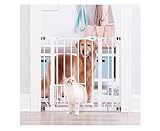
Check Price on Amazon →
A kitchen or bathroom works perfectly. The smaller the space, the faster the training. Puppies naturally avoid pottying where they eat and sleep, so a small space with their bed, food, and water at one end and the potty at the other creates a clear “bathroom” and “living room” in their mind.
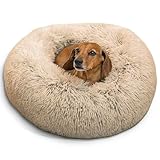
Check Price on Amazon →

Check Price on Amazon →
Position Everything Strategically
Your puppy’s space should have this layout:
- Crate or bed in one corner (sleeping area)
- Food and water bowls near the crate (not right next to it)
- Indoor potty setup as far from the sleeping area as possible
- A clear path between the crate and the potty spot with nothing to distract them
Puppy-Proof the Path to Outside
If your plan includes outdoor trips, map out the fastest route from your apartment to the nearest grass. Then:
- Keep shoes, leash, poop bags, and treats by your door at all times
- If you take an elevator, figure out which one is closest and fastest
- Identify a backup spot for emergencies (is there a small patch of grass right outside your building’s door?)
- Time the route during different times of day—some elevators are packed at rush hour
Knowing your route cold saves precious seconds when your puppy is doing the “I need to go” dance.
The Apartment Puppy Potty Schedule
This schedule accounts for apartment realities—the indoor potty spot handles urgent needs, while scheduled outdoor trips build the habit of going outside.
Weeks 1-2: Indoor-Focused
During the first two weeks, your indoor potty spot handles most of the work. Your puppy is too young for reliable outdoor trips, and you need to establish the indoor spot first.
Daily schedule:
- 6:00 AM: Wake up, carry puppy directly to indoor potty spot. Praise and treat when they go.
- 6:15 AM: Breakfast, then back to indoor potty spot within 10 minutes.
- Every 1-1.5 hours while awake: Guide puppy to indoor potty spot.
- After every nap: Carry puppy to indoor potty spot immediately.
- After every play session: Indoor potty spot.
- 2-3 scheduled outdoor trips per day: Morning, midday, and evening. These are for exposure, not reliability.
- 10:00 PM: Last visit to indoor potty, then crate for bed.
- 2:00 AM: Alarm, indoor potty spot, back to crate.

Check Price on Amazon →
The outdoor trips in weeks 1-2 are bonus rounds. If your puppy goes outside, celebrate like they won the lottery—treats, praise, the works. If they don’t go, that’s fine. The indoor spot is handling the heavy lifting.
Weeks 3-4: Transition Phase
Now you start shifting the balance from indoor to outdoor.
- Increase outdoor trips to 4-5 per day
- Start taking them out at their most predictable times (after meals, after naps)
- When they go outside, give higher-value treats than you use for the indoor spot
- Begin delaying the indoor option slightly—carry them past the indoor spot and head for the door first
- Keep the indoor spot available but make outside more rewarding
Weeks 5-8: Outdoor Priority
- Outdoor trips are the default. Indoor spot is backup only.
- Your puppy should be going outside 6-8 times per day
- The indoor spot stays available for emergencies and overnight
- Most puppies start signaling for the door by this phase
Month 3+: Indoor Spot Removal
Once your puppy reliably signals to go outside and hasn’t used the indoor spot in 5-7 consecutive days, you can remove it. Do this gradually:
- Move the indoor spot closer to the front door over several days
- Then move it just outside your apartment door (if your building allows)
- Then remove it entirely
If accidents happen after removal, the indoor spot comes back for another week. No shame in it—it’s better than creating a setback.
Apartment-Specific Challenges and Solutions
The Elevator Problem
Elevators are your biggest enemy. A puppy who needs to go can’t wait for a slow elevator, and accidents in shared hallways or elevators are mortifying.
Solutions:
- Carry your puppy to the elevator and through the lobby. Their instinct not to pee while being held buys you time.
- If your elevator is unreliable, use the stairs (if practical for your floor).
- Keep a pee pad or portable grass patch near your front door for true emergencies.
- Time your elevator trips to avoid peak usage when you’ll be standing there waiting.
Noise and Distractions Outside
City puppies face sirens, construction, other dogs, people, and every distraction imaginable during potty time.
Solutions:
- Find the quietest spot available, even if it’s not the closest grass
- Go out during off-peak hours when possible (early morning is usually quietest)
- Stand still and be boring—don’t interact, don’t play. Just wait.
- Once they go, THEN you can play and explore as a reward
- If they’re too distracted to go after 10 minutes, come back inside and try again in 15 minutes
Shared Outdoor Spaces
If your building has a shared dog area, you’re lucky—but be aware:
- Other dogs’ waste can carry parasites. Until your puppy is fully vaccinated (around 16 weeks), avoid areas with heavy dog traffic.
- Ask your vet about safe areas given your puppy’s vaccination status.
- A quiet corner of the building’s lawn is often safer than the designated dog area for young puppies.
Neighbor Noise Complaints
Puppies whine. Especially at night, especially during crate training. In an apartment, your neighbors hear everything.
Proactive steps:
- Introduce yourself to direct neighbors and let them know you have a puppy in training
- Follow the nighttime schedule religiously—a puppy that’s taken out at 2 AM whines far less than one that’s ignored
- Cover the crate to create a den feeling
- White noise machine near the crate helps muffle outside sounds that trigger whining
- The whining phase typically lasts 1-2 weeks if you’re consistent
Weather and Season Challenges
If you’re training in winter, rain, or extreme heat, outdoor trips become harder.
Solutions:
- Rain gear for you (your puppy doesn’t care about rain—you do)
- Paw wax for winter salt and ice
- Morning and evening trips during summer heat (avoid midday pavement)
- Your indoor potty spot is your insurance policy for genuinely dangerous weather
- Don’t skip outdoor training because of mild weather—consistency matters more than comfort
Cleaning Apartment Accidents
In an apartment, proper cleaning isn’t just about hygiene—it’s about your security deposit and your neighbors’ noses.
Hard Floors
- Blot up urine immediately with paper towels
- Spray enzymatic cleaner generously (Nature’s Miracle, Rocco & Roxie)
- Let it sit for 10-15 minutes
- Wipe clean
- If the urine reached grout lines, apply cleaner directly to grout and scrub
Carpet Areas
If your apartment has carpet and your puppy finds it:
- Blot (never rub) with paper towels
- Soak the area with enzymatic cleaner—more than you think you need
- Cover with a damp towel and let it sit overnight
- Vacuum once dry
- If the stain persists, consider renting a carpet cleaner
The Smell Factor
Apartments trap odors because of limited ventilation. Beyond enzymatic cleaner:
- Open windows when weather allows
- Run an air purifier near the puppy zone
- Wash the indoor potty tray every 1-2 days
- Replace real grass patches before they start to smell (usually every 7-10 days)
- Never use ammonia-based cleaners—they smell like urine to dogs
When to Transition Fully to Outdoor
You’ll know your puppy is ready to go outdoor-only when:
- They consistently go to the door or signal when they need out
- They haven’t used the indoor spot voluntarily in a week
- They can hold it for 3-4 hours while awake
- They can make it through the night (usually by 4-5 months old)
- You haven’t had an indoor accident in 10+ days
Don’t rush this. An indoor potty spot that stays a few weeks too long causes zero harm. Removing it too early causes setbacks that take weeks to fix.
Frequently Asked Questions
Can I potty train a large breed puppy in a small apartment?
Yes, but you’ll need to get outside more frequently since large breeds produce more waste. The indoor potty spot works fine early on, but a 4-month-old Great Dane is going to outgrow an indoor grass patch fast. Large breed apartment owners should prioritize outdoor training from the start and use the indoor option strictly as a backup.
My apartment building requires me to use the elevator. What do I do about accidents in the elevator?
Carry your puppy in your arms through all shared spaces. A puppy being held rarely pees. Keep paper towels and a small spray bottle of enzymatic cleaner in your jacket pocket for emergencies in shared spaces. Clean up immediately—this is basic courtesy and often a building rule.
Should I limit my puppy’s water in the apartment?
Never restrict water during the day. Your puppy needs consistent hydration for health and development. You can pick up the water bowl 2 hours before bedtime to reduce overnight accidents, but during active hours, water should always be available.
My landlord doesn’t allow dogs on the balcony. Where do I put the grass patch?
The bathroom is your best option—tile floor, easy cleanup, and it’s already associated with “bathroom” in human minds (though your puppy doesn’t know that). A laundry room or kitchen corner also works. Avoid bedrooms and living room carpet areas.
How do I handle potty training when I work from home in a studio apartment?
The small space actually works in your favor. Set up the puppy zone in the kitchen area with the indoor potty spot. Use an exercise pen to create boundaries. Since you’re right there, you can watch for signs and redirect to the potty spot immediately. The downside is you can’t escape the puppy—take breaks in another room while they nap in their crate.
Apartment potty training takes planning, patience, and a willingness to get creative with your space. The indoor potty spot isn’t a failure—it’s a smart tool that acknowledges the reality of apartment living. Use it strategically, transition gradually, and within a couple of months, your puppy will be heading to the front door every time nature calls. Your hardwood floors and security deposit will thank you.