How to Train Dog to Be Good With Children: Expert Guide
Understanding the Dog-Child Dynamic: What Makes It Different
If you’ve ever watched your dog’s body language change when a child enters the room, you already know something important: dogs don’t view children as “small adults.” Understanding why this happens is your first step toward successful training.
Why Children Register Differently to Dogs
From your dog’s perspective, children are genuinely unpredictable creatures. Kids move erratically—running, jumping, and stopping suddenly. Their voices hit higher pitches that can be startling or overstimulating. They also smell different than adults, with unique scent profiles that dogs immediately notice.
I’ve trained countless family dogs, and one pattern stands out: even well-socialized dogs sometimes need help adjusting to children because kids break all the “rules” dogs have learned about human behavior. Adults typically approach calmly and predictably. Children? Not so much.
Stress Signals You Might Be Missing
Many owners mistake tolerance for comfort. Your dog might not be growling, but that doesn’t mean they’re happy. Watch for these subtle stress signals:
- Lip licking or yawning when not tired or hungry
- Whale eye (showing the whites of their eyes)
- Turning their head away or creating distance
- Freezing or going stiff when touched
- Excessive panting without exercise
When I see a dog doing any of these around children, I know we need to slow down our training approach. These are polite ways your dog is saying “I’m uncomfortable.”
Age Matters: Your Dog’s Life Stage
Puppies (under 6 months) are ideal candidates for child-friendly training—they’re in their critical socialization window. However, they’re also mouthy and excitable, which requires management.
Adult dogs (1-7 years) can absolutely learn to love children, but they need more careful introduction if they haven’t been around kids before. Their established habits and boundaries matter.
Senior dogs (7+ years) deserve special consideration. If your older dog has had limited child exposure, they may find kids exhausting or stressful. Arthritis and reduced hearing can make unexpected touches painful or startling.
Breed and Individual Temperament
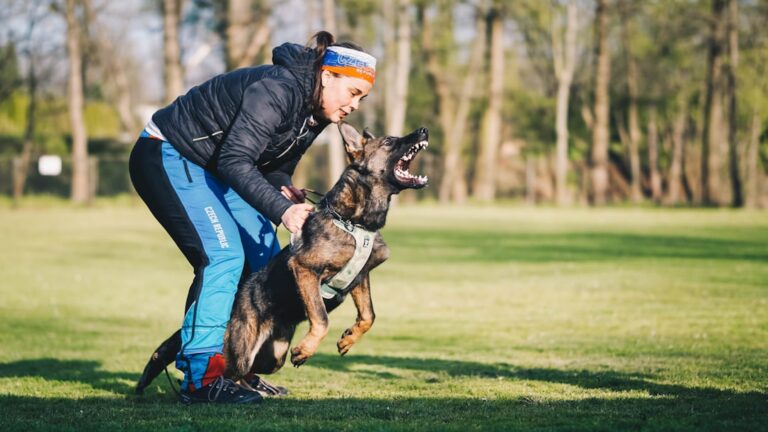
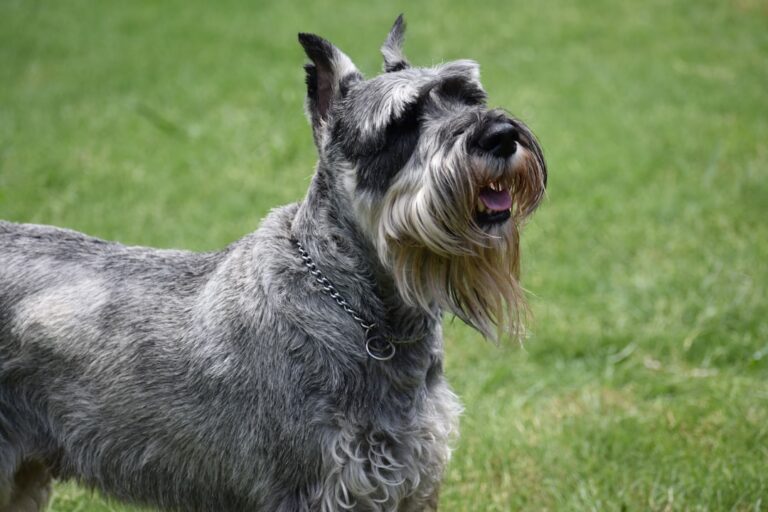
Here’s what matters more than breed: your specific dog’s personality. Yes, some breeds were developed to be patient family companions, while others were bred for jobs requiring intense focus or guardian instincts. But I’ve met Golden Retrievers who were nervous around children and German Shepherds who were naturals.
Before beginning any training, honestly assess your dog:
- How do they handle surprises?
- Do they recover quickly from startling situations?
- Are they seeking attention or preferring space?
- What’s their energy level and tolerance for chaos?
Tolerance vs. Genuine Comfort
This distinction is critical. A dog who tolerates children will endure hugs and ear-pulling without reacting. A dog who’s genuinely comfortable will seek out gentle interaction, remain relaxed, and move freely.
Your goal isn’t just preventing bites—it’s creating a dog who actually enjoys being around children. That requires patience, proper training, and respecting your dog’s individual comfort level. Some dogs will become enthusiastic playmates. Others will be polite but prefer adult company. Both outcomes are okay.