Dog Fear of Loud Noises: Science & Solutions Explained
Understanding Your Dog’s Fear of Loud Noises: The Science Behind the Sensitivity
When your dog trembles at the sound of fireworks or hides during thunderstorms, there’s real science behind their fear. Understanding what’s happening in your dog’s body and mind is the first step toward helping them feel safe.
Your Dog’s Supercharged Hearing
Dogs experience sound in a completely different way than we do. While humans hear frequencies between 20-20,000 Hz, dogs can detect sounds ranging from 40-60,000 Hz. This means they’re not just hearing the same boom you hear—they’re picking up layers of high-pitched frequencies that are completely inaudible to you.
Imagine turning up the volume on your stereo to maximum, then adding sounds you didn’t even know existed. That thunderclap that makes you flinch? To your dog, it’s exponentially louder and contains sharp, piercing frequencies that physically hurt their ears. No wonder they panic.
How Common Is This Problem?
If your dog struggles with loud noises, you’re far from alone. Research shows that approximately 40% of dogs suffer from noise phobias. Here’s something crucial every owner should know: these fears typically get worse with age if left untreated. What starts as mild anxiety during your dog’s first Fourth of July can escalate into full-blown panic attacks by the time they’re senior dogs.
I’ve worked with countless older dogs whose noise sensitivity became so severe they hurt themselves trying to escape. Early intervention makes an enormous difference.
Why Some Dogs Are More Vulnerable
Certain factors make some dogs more likely to develop noise fears:
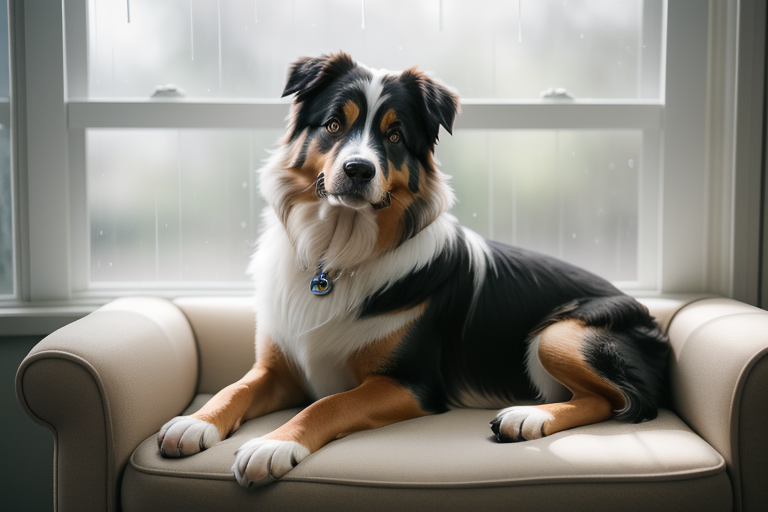
Genetics play a significant role. Herding breeds like Border Collies and Australian Shepherds tend to be more sound-sensitive, as do many hounds. This heightened awareness served them well in their working roles, but it makes them more reactive to startling sounds.
Early life experiences matter tremendously. The critical socialization window—between 3 and 14 weeks of age—is when puppies should be exposed to various sounds in positive contexts. Puppies who miss out on hearing different noises during this period often develop fears later. This is why responsible breeders play recordings of storms, vacuums, and traffic for their litters.
What Happens Inside Your Dog’s Body
When your dog hears a frightening sound, their body launches into full crisis mode. Their stress response includes:
- Elevated cortisol levels (the stress hormone)
- Rapid heart rate that can feel like their chest is pounding
- Adrenaline flooding their system, preparing them to flee
Here’s what surprises most owners: this physiological stress response doesn’t just disappear when the noise stops. Your dog’s body can remain in this heightened state for 24-48 hours after the triggering event. This explains why your dog seems “off” the day after a thunderstorm, even though the storm ended hours ago.
Not All Noise Fears Are the Same
It’s important to distinguish between different levels of noise sensitivity:
- General noise sensitivity: Your dog startles at unexpected sounds but recovers quickly
- Specific phobias: Intense fear of particular sounds like fireworks or thunderstorms, with predictable hiding or escape behaviors
- Panic disorder: Extreme reactions including destructive behavior, self-injury, or complete loss of control
Understanding where your dog falls on this spectrum helps you choose the right training approach and know when professional help is necessary.