Stop Dog Barking at Visitors at the Door: A Complete Training Guide
Does your dog lose their mind every time someone rings the doorbell? You're not alone. Door barking is one of the most common behavioral complaints among dog owners, and it can be incredibly frustrating when you're trying to welcome guests into your home.
The good news is that with consistent training and the right approach, you can teach your dog to remain calm when visitors arrive. This comprehensive guide will walk you through understanding why your dog barks at the door and provide you with proven training techniques to solve the problem.
Why Dogs Bark at the Door
Before we dive into training solutions, it's essential to understand the root cause of your dog's door barking. Different motivations require slightly different training approaches.
Territorial Barking
Many dogs bark at the door because they're protecting their home and family. From your dog's perspective, strangers approaching their territory is a potential threat. This type of barking is often accompanied by a stiff body posture, forward-facing ears, and sometimes growling. The dog may position themselves between you and the door.
Territorial barking is a natural instinct—dogs have been bred for thousands of years to alert us to approaching people. The problem is that in modern life, we don't need our dogs to sound the alarm every single time someone comes to the door.
Excitement Barking
Some dogs bark at the door out of pure excitement. They love meeting new people and can barely contain their enthusiasm. This barking often comes with jumping, spinning, tail wagging, and an overall frenetic energy. These dogs typically calm down quickly once they're allowed to greet the visitor.
While this behavior comes from a friendlier place than territorial barking, it's still problematic. Overly excited greetings can be overwhelming for guests, especially children or people who are nervous around dogs.
Anxiety and Fear
Some dogs bark at the door because they're genuinely anxious or fearful about visitors. These dogs might bark while backing away from the door, with their tail tucked and ears back. They may continue barking even after the visitor has been inside for a while.
Fear-based barking requires a gentler, more gradual approach focused on building positive associations with visitors.
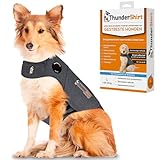
Check Price on Amazon →
Learned Behavior and Reinforcement
Sometimes door barking persists simply because it has been unintentionally reinforced. If your dog barks at the door and then the "intruder" goes away (like a delivery person who drops off a package and leaves), your dog learns that barking works to make potential threats disappear.
Even your response can reinforce the behavior. If you rush to the door, yell at your dog, or interact with them in any way, you're giving them attention—and to a dog, even negative attention is still attention.
The Difference Between Alert Barking and Problem Barking
It's worth noting that some alert barking is actually desirable. Many owners want their dog to notify them when someone is at the door—that's helpful information. The problem arises when the barking is excessive, continues long after you've acknowledged the visitor, or when your dog becomes so aroused they can't calm down.
The goal of training isn't necessarily to eliminate all barking at the door, but to teach your dog to give a brief alert and then settle calmly on cue. You decide what's acceptable for your household.
Foundation Training: The "Place" Command
The cornerstone of solving door barking is teaching your dog a solid "place" or "go to your spot" command. This gives your dog a specific job to do when visitors arrive—instead of barking and jumping at the door, they go to their designated spot and wait there.
Choosing the Right Spot
Select a location that's visible from the front door but not right next to it—maybe 10-15 feet away. This could be a dog bed, a mat, or even a towel. The spot should be comfortable and in a place where your dog can see what's happening without being in the middle of the action.
Teaching "Place" Step by Step
Step 1: Start with no distractions. Show your dog a treat, toss it onto the place spot, and say "place" as they step onto it. Mark with "yes!" and give them the treat while they're on the spot.
Step 2: Repeat this many times until your dog begins to understand that going to the spot earns rewards. Some dogs catch on immediately, while others need dozens of repetitions.
Step 3: Now say "place" without tossing a treat first. When your dog goes to the spot, reward them heavily. If they don't go, don't repeat the command—instead, go back to Step 1 for a few more repetitions.
Step 4: Add duration. Say "place," and when your dog goes to the spot, wait 2-3 seconds before rewarding. Gradually increase the time they need to stay on the spot before earning the reward.
Step 5: Add the release word. Once your dog is staying on place reliably, teach them they need to stay there until you say "okay" or "release" or whatever release word you choose.
Step 6: Add mild distractions. Practice having your dog hold their place while you move around the room, bounce a ball, or have another family member walk by.

Check Price on Amazon →
Critical Place Command Tips
- Always reward your dog while they're on the place spot, not after they get off
- Use high-value treats during training—real meat, cheese, or whatever your dog loves most
- Practice multiple short sessions (3-5 minutes) throughout the day
- Don't move to the next step until your dog is succeeding 80% of the time at the current step
- If your dog gets up before being released, calmly guide them back without repeating the command
- Make the place spot positive—never use it as punishment
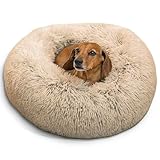
Check Price on Amazon →
Doorbell Desensitization Protocol
For many dogs, the doorbell itself is the trigger that sets off the barking frenzy. The sound predicts exciting or concerning things, and your dog has likely practiced the bark-at-doorbell pattern hundreds of times. We need to change what the doorbell predicts.
Phase 1: Doorbell Equals Treats
Start by completely separating the doorbell from actual visitors. You want to change your dog's emotional response to the sound itself.
Have a family member or friend ring the doorbell from outside (or use a recording of your doorbell on your phone). The instant the doorbell rings, start feeding your dog amazing treats continuously for 10-15 seconds. Don't answer the door. Don't say anything to your dog. Just ring bell = treat party.
Repeat this 10-15 times per session, multiple sessions per day. Your dog should start to look at you expectantly when the doorbell rings, anticipating the treats.
Phase 2: Doorbell Means Go to Place
Once your dog has a positive association with the doorbell sound, it's time to add the place command into the sequence.
Ring the doorbell, immediately say "place," and reward heavily when your dog goes to their spot. Practice this many times with no actual visitors—just the doorbell sound followed by the place command and lots of rewards for compliance.
Phase 3: Adding Duration
Now start asking your dog to stay on place for longer periods after the doorbell rings. Ring the bell, send your dog to place, and reward them for staying there while you walk toward the door (but don't open it yet). Gradually increase the duration and add more movement on your part.
Phase 4: Introducing Fake Visitors
This is where you need to enlist helpers. Have someone your dog knows ring the doorbell, send your dog to place, and then open the door while your dog remains on their spot. Reward heavily for staying in place.
Start with very brief door openings—just crack it open and close it. Gradually progress to opening the door wider and for longer periods. If your dog breaks from place, close the door immediately. This teaches them that staying in place makes the exciting thing (greeting the visitor) possible.
Managing the Environment for Success
While you're working through training, smart management can prevent your dog from practicing the unwanted behavior and can make your training more effective.
Control Visual Triggers
If your dog can see people approaching the house through windows, they're getting aroused before the doorbell even rings. Consider using window film, closing curtains, or blocking your dog's view of the approach to the door during training phases.
Use Baby Gates or Exercise Pens
A baby gate or exercise pen can create a physical barrier that keeps your dog from rushing the door while still allowing them to see what's happening. This gives you space to answer the door calmly and makes it easier to manage your dog's behavior.
Prevent Self-Rewarding Behavior
If possible, avoid situations where delivery people ring the doorbell and immediately leave. This pattern strongly reinforces barking because from your dog's perspective, their barking "works" to make the person go away. Consider putting up a note asking delivery people to knock instead, or use apps that let you communicate with delivery drivers.
Exercise and Mental Stimulation
A tired dog is a calmer dog. Make sure your dog is getting adequate physical exercise and mental stimulation daily. A dog with pent-up energy is much more likely to explode into barking at the door. Consider a walk or play session before you're expecting visitors.
Create a Calm Pre-Visitor Routine
Your own pre-visitor behavior might be ramping your dog up. If you rush around frantically before guests arrive, your dog picks up on that energy. Try to maintain a calm demeanor and include activities that settle your dog, like a short training session or a puzzle toy.
Practice Setups with Friends and Family
The key to success with door barking is controlled practice. You need many, many repetitions of the correct behavior pattern before your dog will perform it reliably with real, unexpected visitors.
Setting Up Effective Practice Sessions
Recruit friends, family members, and neighbors to help you practice. You need people who understand they're participating in a training session, not a social visit.
Start with people your dog knows and is less excited about. A familiar, calm family member is much easier for your dog to handle than their favorite person or someone new.
Practice Session Protocol
Step 1: Prepare your dog's place spot with a few treats already on it to make it extra appealing.
Step 2: Have your helper ring the doorbell or knock.
Step 3: Immediately cue "place."
Step 4: When your dog goes to their spot, reward them and start walking toward the door. Reward your dog again for staying in place.
Step 5: Open the door while your dog remains in place. If they break, close the door immediately and reset.
Step 6: Have your visitor step inside but ignore your dog completely—no eye contact, no talking, no touching. This is crucial. The visitor is boring.
Step 7: After your dog has remained calm in place for several seconds, release them with your release word. Then allow calm greetings.
Step 8: Have your visitor leave, wait 2-3 minutes, and repeat the entire sequence. Multiple repetitions in one practice session are valuable.
Gradually Increasing Difficulty
As your dog succeeds, slowly make the scenario more challenging:
- Practice with more exciting people (favorite friends, people your dog doesn't know)
- Add more stimulating elements (visitor carrying bags, wearing hats, or bringing another dog)
- Increase the duration your dog must hold place before greeting
- Practice with multiple visitors arriving at once
- Reduce the rate of reinforcement gradually (don't reward every single time forever)
Alternative Approaches and Techniques
While the place command is the most common solution, there are other approaches that might work better for your specific situation.
The "Quiet" Command
Some trainers teach a "quiet" cue that tells the dog to stop barking. This can be effective but is generally harder than teaching place because you're asking the dog to stop doing something rather than do an alternative behavior.
If you want to teach "quiet," wait for a moment when your dog pauses their barking naturally, immediately mark it with "yes!" and reward. Gradually add the verbal cue "quiet" just before the natural pause. Over time, your dog learns that the word "quiet" predicts rewards for stopping barking.
Capturing Calm Behavior
Another approach is to heavily reward any calm behavior your dog offers near the door, even outside of formal training sessions. If your dog is lying calmly while you're near the door, mark it and reward it. This builds a general pattern of calmness associated with the door area.
Teaching an Alternative Alert
If you want your dog to notify you about visitors but in a quieter way, you can teach them to ring a bell, touch your hand, or perform another behavior instead of barking. This requires capturing or shaping the alternative behavior and then specifically rewarding it when someone approaches the door.
Troubleshooting Common Challenges
Even with consistent training, you'll likely encounter some bumps in the road. Here's how to handle common issues.
My Dog Won't Go to Place When Excited
This means you've moved too fast. Go back to practicing place with lower-level distractions. Your dog needs more repetitions at easier levels before they can perform the behavior when highly aroused. Also make sure you're using high-enough-value rewards—what works during calm training might not be motivating enough during exciting moments.
My Dog Goes to Place But Immediately Gets Back Up
You need to work more on duration in low-distraction settings. Your dog hasn't fully learned that place means "stay there until released." Practice longer place stays with mild distractions before adding the doorbell back into the equation.
My Dog Barks from Their Place Spot
This is actually progress—your dog is staying in place but still expressing excitement or concern. Don't reward barking. Wait for even a 2-second pause in the barking, then mark and reward. You're teaching that quiet behavior in place earns rewards, barking doesn't.
It Works in Practice But Not with Real Visitors
Real visitors are more exciting and less predictable than practice sessions, making them much harder. You need many more practice repetitions—we're talking hundreds, not dozens. Also, real visitors must follow the same protocol: ignoring your dog until they're calm. If visitors immediately engage with your dog, they're undermining your training.
Other Family Members Aren't Consistent
This is one of the biggest training killers. Everyone in the household must be on the same page. If you send your dog to place but your spouse lets them jump at the door, your dog learns the behavior is optional. Have a family meeting, explain the protocol, and get everyone committed to consistency.
Working with Fearful or Anxious Dogs
If your dog's barking stems from anxiety or fear rather than excitement or territoriality, your approach needs to be gentler and more gradual.
Building Positive Associations
For fearful dogs, the primary goal is changing their emotional response to visitors. Use classical conditioning by pairing the presence of visitors with amazing things—the best treats, favorite toys, or special activities.
Keep visitors at a distance where your dog is aware but not fearful. Have visitors toss treats toward your dog without approaching or making eye contact. Over many repetitions, your dog begins to associate visitors with good things.
Never Force Interaction
Fearful dogs should never be forced to interact with visitors. Always let them choose to approach on their own terms. Pushing a fearful dog past their comfort zone can make the fear worse and potentially lead to defensive aggression.
Consider Professional Help
If your dog shows signs of serious anxiety or fear—hiding, trembling, attempting to escape, or showing any aggressive behavior toward visitors—consult with a professional trainer or veterinary behaviorist. Fear-based behaviors can escalate and should be addressed carefully with expert guidance.
Long-Term Maintenance
Once you've successfully trained your dog to remain calm when visitors arrive, you're not quite done. Maintaining the behavior requires ongoing management and occasional refresher training.
Continue Rewarding Good Behavior
Don't abandon treats entirely once your dog has learned the behavior. Continue to intermittently reward your dog for going to place when visitors arrive. You can gradually reduce the frequency of rewards, but never eliminate them completely. Think of it as keeping the behavior strong.
Practice During Quiet Times
Every few weeks, set up a practice session even when you're not having real visitors. This keeps the behavior sharp and prevents skill decay.
Be Prepared for Regression
It's normal for dogs to occasionally regress, especially after a break in routine (like a vacation) or during particularly exciting circumstances (like a party with many guests). If this happens, simply go back to basics for a few sessions.
Adjust as Your Dog Ages
As your dog matures, their behavior may naturally become calmer, or conversely, senior dogs may develop new anxieties. Be prepared to adjust your approach based on your dog's changing needs.
Setting Realistic Expectations
It's important to have realistic expectations about how long this training takes and what success looks like.
Timeline for Results
Teaching the basic place command might take just a few days. But getting a dog to reliably perform that command when visitors arrive usually takes several weeks to months of consistent practice. Dogs with intense excitement or fear responses may take even longer.
You should start seeing some improvement within 2-3 weeks if you're practicing consistently, but mastery typically takes 2-3 months or more.
What Success Looks Like
Success doesn't mean your dog will never bark at the door again. For many dogs, success means they give 1-2 alert barks and then go to their place when cued. That's perfectly acceptable.
Some dogs will always need to be actively managed during greetings—that's okay. Having a reliable routine you can implement is still a huge quality of life improvement compared to chaotic, out-of-control door greetings.
The Role of Breed and Individual Temperament
Some dogs are genetically predisposed to be more alert and vocal about visitors. Breeds developed for guarding, herding, or alerting (like German Shepherds, Shetland Sheepdogs, or Terriers) may have stronger natural tendencies toward door barking.
This doesn't mean these dogs can't learn to be calm at the door, but it does mean training might take longer and require more diligence. You're working against stronger instincts.
Individual temperament also plays a huge role. A naturally laid-back dog will be easier to train than a highly excitable one, regardless of breed.
Final Thoughts
Teaching your dog to stop barking at visitors at the door is absolutely achievable with patience, consistency, and the right training approach. The place command provides your dog with a clear, alternative behavior that's incompatible with rushing the door and barking. Combined with doorbell desensitization and careful practice with helpers, most dogs can learn to greet visitors calmly.
Remember that training is not a linear process. You'll have good days and challenging days. The key is to remain consistent, adjust your approach as needed, and celebrate incremental progress. Every time your dog makes a better choice at the door, you're building new neural pathways and establishing better habits.
The effort you put into this training will pay off not just in calmer greetings, but in a better overall relationship with your dog. You're teaching them impulse control, building their confidence, and helping them navigate the human world more successfully.
With time and dedication, you can transform your door-barking dog into a well-mannered greeter who makes both you and your visitors feel welcome.