Preparing Your Dog for a New Baby: 12 Essential Tips
Introduction
The moment you bring your baby home will change your dog's world forever – but with proper preparation, it can be a beautiful transition instead of a stressful upheaval.
Picture this: Your loyal companion has been the center of your universe. They're used to your undivided attention, a predictable routine, and quiet evenings on the couch. Then suddenly, a tiny human arrives who cries at all hours, demands constant care, and brings strange new smells, sounds, and equipment into their territory. Without preparation, even the gentlest dog can feel anxious, confused, or displaced.
Here's the good news: According to the American Kennel Club, over 38% of U.S. households with children also have dogs, and the vast majority of these families report positive relationships between their pets and kids. The key difference between smooth transitions and problematic ones? Preparation.
Why Starting Early Matters
Ideally, you should begin preparing your dog 2-3 months before your baby arrives. This timeline isn't arbitrary – it gives you enough time to address behavioral issues, establish new routines gradually, and help your dog build positive associations with baby-related changes. Rushing this process in the final weeks of pregnancy adds stress for everyone and reduces the likelihood of success.
Think of it like training for a marathon. You wouldn't wait until race day to start running. Your dog needs time to adjust to new boundaries, practice calm behavior around baby gear, and learn that these changes actually bring good things into their life.
You're Not Alone (And Your Dog Will Be Fine)
If you're feeling anxious about this transition, that's completely normal. Many expecting parents worry about how their dog will react, whether they can trust them around the baby, or if they'll have to rehome their beloved pet. Let me offer some reassurance: most dogs adjust wonderfully to new babies when given proper guidance and gradual exposure.
I've worked with hundreds of families through this exact transition. The dogs who struggle aren't "bad dogs" – they simply weren't given the tools and preparation they needed. Your dog doesn't understand what a baby is or why everything is changing. But they're incredibly capable of learning, adapting, and even becoming a protective, gentle companion to your little one.
What You'll Learn in This Guide
This comprehensive guide will walk you through everything you need to know to prepare your dog for your baby's arrival:
- Timeline and training priorities for each phase of pregnancy
- Essential commands that create safety and structure
- Desensitization techniques for baby sounds, smells, and equipment
- Routine adjustments to implement before the baby arrives
- The crucial first introduction and early weeks at home
- Red flags to watch for and when to seek professional help
Whether you have a calm senior dog or an excitable young pup, a tiny Chihuahua or a large breed, these proven strategies will help you create a harmonious household where both your baby and your dog can thrive together.
Let's get started with building that foundation.
Start Training and Behavior Adjustments Early (2-3 Months Before)
The single biggest mistake expecting parents make is waiting until the last minute to prepare their dog. By starting 2-3 months before your baby arrives, you give your dog time to learn new behaviors gradually—without the stress of sudden changes happening all at once.
Here's why this matters: dogs don't understand that a baby is coming. When boundaries suddenly shift overnight (like being banned from the bedroom they've always slept in), they experience confusion and anxiety. This can manifest as stress-related behaviors like excessive barking, destructiveness, or even reactivity. Early preparation prevents this entirely.
Take an honest inventory of where your dog is right now. Does she jump on guests? Pull on leash? Ignore your recall? Have a low tolerance for handling? These aren't just annoying quirks anymore—they're safety issues when you're holding an infant. A Labrador who enthusiastically jumps might accidentally knock you over. A dog who resource guards his toys could become protective of items in the nursery.
Be realistic about your dog's breed tendencies and individual personality. A naturally laid-back Basset Hound will likely adjust more easily than a high-strung Border Collie. A senior dog who's seen it all may take changes in stride, while a young, energetic dog might need more intensive preparation. This doesn't mean challenging dogs can't succeed—they absolutely can—but they may need extra training time.
Essential Obedience Commands to Reinforce
Focus on commands that make daily life with a baby manageable:
- "Place" or "go to bed" – Your dog settles on their bed and stays there until released. This is invaluable during diaper changes or feeding times.
- "Leave it" – Critical for keeping curious noses away from baby items, dropped pacifiers, and soiled diapers.
- "Gentle" – Teaches soft mouth and careful interaction around delicate things.
- Rock-solid "sit-stay" – Prevents door-darting when you're carrying the baby or struggling with the stroller.
Check Price on Amazon →
Addressing Problematic Behaviors Now
Tackle these issues before they become dangerous:
Jumping is your top priority. Practice ignoring your dog completely when they jump, and reward four-paws-on-floor. Have visitors practice this too—consistency is everything.
Mouthing or nippy play needs to stop immediately. Redirect to appropriate chew toys and end play sessions the instant teeth touch skin.
Door dashing is genuinely hazardous when you're carrying an infant. Teach your dog to sit and wait before going through doorways.
Building Calmness and Impulse Control
The most overlooked skill? Teaching your dog to do nothing. Practice "capturing calmness" by rewarding your dog for lying quietly—not after a command, just whenever they're naturally relaxed. Work up to longer durations.

Check Price on Amazon →
Use "mat work" where your dog learns that settling on their mat means good things happen. Start with 30 seconds and gradually extend to 10-15 minutes. This becomes your secret weapon when you need your dog calm during those marathon feeding sessions.
Remember: these aren't one-and-done lessons. Practice daily in short sessions, and you'll have a well-prepared dog ready for the beautiful chaos ahead.
Gradually Adjust Your Dog's Routine and Environment
Dogs thrive on predictability. When your daily routine suddenly shifts after the baby arrives—fewer walks, less attention, strange sounds—your dog experiences stress that can manifest as anxiety, destructive behavior, or regression in training. The solution? Start making these changes now, while you're still pregnant and have the bandwidth to help your dog adjust gradually.
Think of this as a two-to-three-month transition period. If you're currently walking your dog at 7 AM but know you'll need to switch to 9 AM after the baby comes, don't wait until delivery day. Begin shifting the walk time by 15-30 minutes every few days. This gradual approach allows your dog to adapt without the added stress of a crying newborn competing for attention.
Modifying Walk and Exercise Schedules
Map out what your post-baby routine might realistically look like. Will your partner handle morning walks while you nurse? Will walks be shorter initially? Start practicing this new schedule now.
If walks will be shorter, compensate with mental enrichment activities. A

Check Price on Amazon →
can tire your dog’s brain in 15 minutes—invaluable when you’re running on three hours of sleep. Practice having one person walk the dog while the other stays home with a baby-sized doll, simulating what life will actually look like.
Changing Feeding and Attention Patterns
Your dog currently gets attention on demand? Time to change that. Begin practicing what trainers call "scheduled attention"—you decide when interaction happens, not your dog. This doesn't mean ignoring your dog; it means initiating affection and play on your terms, which mirrors life with an infant.
Feed meals at consistent times that will work after the baby arrives. If your dog is used to free-feeding, switch to scheduled meals now. This creates structure and makes your dog less likely to feel disrupted by new routines.
Introducing Baby Gear and Nursery Boundaries
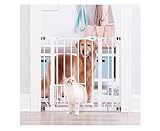
Set up the nursery and baby equipment at least six weeks before your due date. Use a
Check Price on Amazon →
to establish boundaries if certain rooms will be off-limits. Let your dog observe the space from the doorway—curiosity satisfied, boundary respected.
Carry around a doll occasionally. Push the stroller on walks. Your neighbors might think you've lost it, but your dog learns that these objects are boring and normal, not threats to their place in the family.
Desensitizing to Baby Sounds and Movements
Download baby sound recordings (crying, cooing, babbling) and play them at low volume during meals or play time—times when your dog feels positive emotions. Gradually increase the volume over weeks. The goal: your dog hears crying and thinks "normal background noise," not "emergency!"
Practice sudden movements and erratic schedules. Babies are unpredictable, so occasionally delay a walk by 20 minutes or make unexpected noise. Pair these disruptions with treats, teaching your dog that change isn't catastrophic.
The investment you make now in gradual transitions pays dividends later. When the baby arrives, your dog will already be comfortable with the new normal, allowing you to focus on your growing family rather than managing a stressed pet.
Introduce Baby Scents, Sounds, and Simulations
The secret to a smooth transition when baby arrives? Start preparing your dog's senses weeks in advance. Desensitization—gradually exposing your dog to new stimuli at low intensity—is one of the most powerful tools in your training arsenal. It reduces stress, prevents reactive behaviors, and helps your dog view baby-related changes as normal parts of daily life rather than alarming intrusions.
Using Baby Sound Recordings Effectively
Begin with baby sounds at barely audible levels while your dog is relaxed and engaged in something pleasant—eating dinner, enjoying a puzzle toy, or settling down for the evening. YouTube and smartphone apps offer hours of baby sounds: crying, cooing, gurgling, and fussing.
Check Price on Amazon →
Here's your progressive exposure plan:
- Week 1-2: Play sounds at 10-20% volume for 5-10 minutes during meals and play sessions
- Week 3-4: Gradually increase to 30-40% volume for longer periods
- Week 5-6: Play sounds unpredictably throughout the day at moderate volume
The key is pairing these sounds with positive experiences. If your dog shows stress signals (panting, pacing, ears back), you've increased intensity too quickly. Drop back to a comfortable level and progress more slowly.
Scent Introduction with Baby Products
Dogs experience the world through their noses, so introducing baby scents early prevents sensory overload later. Start using baby lotion, powder, and diaper cream on your own hands and arms. Let your dog sniff you, then immediately offer praise and treats. This creates a positive association: baby smell = good things happen.
Set up the nursery early and allow supervised exploration. Let your dog sniff the furniture, folded baby clothes, and blankets while you're present and calm. Avoid making it overly exciting or completely off-limits—you want neutral to positive feelings, not forbidden territory syndrome.

Check Price on Amazon →
Practicing with Baby Dolls and Strollers
This might feel silly, but it works. Carry a realistic baby doll around the house while practicing your usual dog interactions. Give commands, walk past your dog, and sit on the couch with the doll in your arms. This teaches your dog that you can hold something and still acknowledge them calmly.
Practice stroller walks around the neighborhood before baby arrives. Your dog needs to learn proper walking etiquette alongside a stroller—no pulling, lunging, or weaving in front of the wheels. Start in low-distraction areas and reward calm, loose-leash behavior beside the stroller.
Simulating Holding Baby While Managing Dog
Here's where real-life rehearsal pays off. While holding your doll, practice:
- Asking your dog to sit and wait before going through doorways
- Tossing treats to their bed when they need to settle
- Using verbal cues only (you won't have free hands with a newborn)
- Ignoring attention-seeking behaviors while "feeding" the doll
If your dog jumps on you during these practice sessions, turn away and say nothing. When all four paws are on the floor, calmly praise them. You're teaching crucial impulse control that will matter immensely when you're holding an actual infant.
The effort you invest now in desensitization creates a calmer, more confident dog who views your baby as just another beloved family member—not a stress-inducing mystery.
Establish Safe Spaces and New Household Rules
Creating clear boundaries before your baby arrives isn't about restricting your dog—it's about setting everyone up for success. Think of these new rules as a framework that protects your newborn while giving your dog clarity about what's expected. Dogs actually thrive on consistent boundaries, and establishing them now prevents confusion and stress later.
Setting Up Dog-Free Zones (Nursery Boundaries)
The nursery should become a no-dog zone well before your due date. Start by installing barriers and consistently redirecting your dog away from the room. Never scold them for showing interest—instead, redirect to an appropriate behavior and reward heavily.
Practice this daily: Walk past the nursery with your dog on leash, and the moment they respect the boundary without trying to enter, mark it with "yes!" and reward. Make ignoring the nursery the most rewarding choice they can make.
Check Price on Amazon →
Pro tip: Let your dog observe you working in the nursery from the doorway occasionally. This satisfies their curiosity without allowing access, and helps them understand that the room isn't forbidden fruit—just not their space.
Creating Retreat Spaces Your Dog Will Love
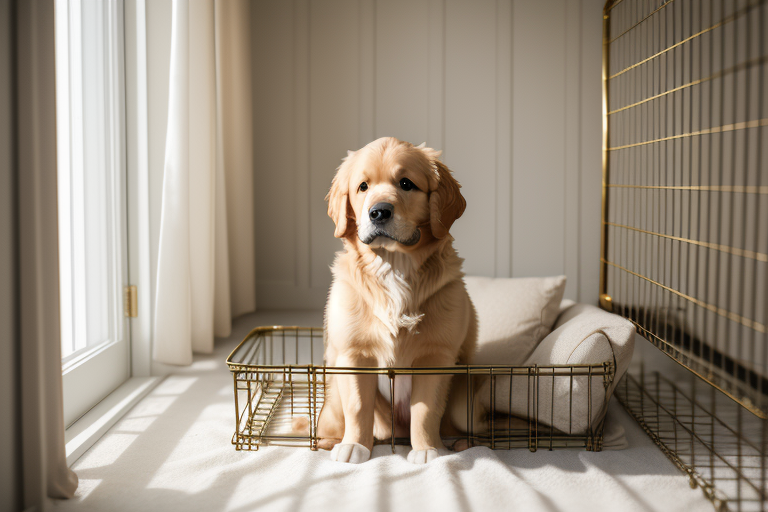
While you're establishing off-limit zones, create irresistible retreat spaces where your dog wants to be. These are calm zones where your dog can decompress away from baby activity.
Set up these spaces with:
- Comfortable bedding in quiet corners
- Special chew toys that only appear in these locations
- Calming music or white noise if your dog responds well to it
- Occasional high-value treats delivered when they're settling quietly
The goal is making these retreat areas so appealing that your dog chooses them voluntarily when things get overwhelming.
Teaching 'Place' and Boundary Exercises
The "place" cue is invaluable with a newborn. It means "go to your bed and stay there until released." This isn't punishment—it's a default behavior your dog can offer when the baby is feeding, during diaper changes, or when visitors arrive.
Training steps:
- Toss a treat onto a designated mat or bed and say "place"
- Reward your dog for staying there, gradually increasing duration
- Add the release word "okay" or "free" before they leave
- Practice during simulated baby activities (carrying a doll, playing baby sounds)
- Reward calmly settling, not just staying in position

Check Price on Amazon →
Work up to your dog holding "place" for 10-15 minutes while you move around nearby. This becomes your secret weapon during those chaotic newborn moments.
Managing Doors, Gates, and Barriers
Physical management tools aren't forever, but they're essential during the transition period. Install gates strategically to control access while maintaining your dog's connection to family activities. They should see and hear you, just with appropriate distance.
Key management strategies:
- Use gates that allow visual access (no solid doors that isolate your dog)
- Practice gates closing and opening dozens of times before baby arrives, so they're not a big deal
- Reward your dog for calm behavior when barriers go up
- Never use gates as punishment—they're simply part of the new household flow
Remember: These boundaries aren't about making your dog feel excluded. They're about creating a predictable, safe environment where both your dog and your baby can thrive together.
The Critical First Meeting and Homecoming Day
The moment you bring your baby home will set the tone for your dog's relationship with your new family member. A well-planned first meeting can prevent anxiety, overexcitement, and unwanted behaviors that might otherwise take months to resolve.
Before You Enter the House
Don't walk straight through the door with your newborn. Instead, have one parent enter first—alone—to greet your dog. Your pup has likely been missing you and needs to release that pent-up energy before meeting the baby. Let them jump, wiggle, and celebrate for 5-10 minutes. Take them outside for a quick bathroom break and brief walk if possible.
While this happens, the parent with the baby should wait outside or in the car. This separation might feel odd, but it's crucial. A dog trying to simultaneously greet their beloved human AND investigate a strange new creature is a recipe for chaos.
The Proper Introduction Sequence
Once your dog has calmed down, bring them inside and have them settle on a
Check Price on Amazon →
or their regular spot. Now the parent with the baby can enter calmly—no excited announcements or fanfare.
Here's the protocol that works:
- Keep the baby elevated: Hold your newborn in your arms, not in a carrier at dog-nose level
- Allow investigation from a distance first: Let your dog observe from 6-10 feet away
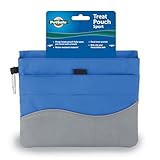
- Reward calm behavior: The second your dog shows relaxed body language, offer verbal praise and treats from
Check Price on Amazon →
– **Gradually decrease distance**: If your dog remains calm, allow them to sniff the baby’s feet (typically the least threatening body part) for just 2-3 seconds
– **End on a positive note**: Don’t let the first interaction drag on—30-60 seconds of calm proximity is perfect
What to Do If Your Dog Shows Anxiety or Overexcitement
Watch for these body language signals: whale eye (showing whites of eyes), lip licking, yawning, turning away, or excessive jumping and whining. These indicate your dog is either stressed or overstimulated.
If you see these signs, increase distance immediately. There's no prize for rushing this. Move the baby to another room and let your dog decompress. Try again in an hour or two. Some dogs need several short exposures over multiple days before they're comfortable.
Never punish anxious or excited behavior during these first meetings—it will only create negative associations with the baby.
First 48 Hours: Supervision and Bonding
Constant supervision is non-negotiable for the first two days. Not because your dog is dangerous, but because you're still learning how they'll react to crying, diaper changes, and feeding routines.
During this critical period:
- Never leave your dog and baby in a room alone—not even for "just a second"
- Maintain your dog's routine as much as possible (same feeding times, same walk schedule)
- Include your dog calmly in baby activities rather than isolating them
- Hand out treats periodically when the baby is present, building positive associations
These 48 hours are about observation and establishing patterns, not achieving perfection. You're building a foundation of trust and safety that will support your growing family for years to come.
Maintaining Your Dog's Well-being After Baby Arrives
The first few weeks with a newborn are wonderfully chaotic, and your dog will notice the shift immediately. The key isn't trying to keep everything the same—that's impossible—but rather helping your dog feel included and valued during this major transition.
Including Your Dog in Baby Care Routines
Your dog doesn't need to be banished when baby's around. In fact, calmly including them in daily routines helps prevent feelings of exclusion that can lead to behavioral issues.
Invite your dog to lie on their
Check Price on Amazon →
nearby during feeding times. This creates a positive association: baby’s here equals relaxation time. Narrate what you’re doing in a calm voice—your dog finds comfort in your steady tone, and it helps them understand this tiny human is simply part of the family now.
During diaper changes, toss your dog a
Check Price on Amazon →
stuffed with treats. They’ll learn that baby care time means good things happen for them too. Keep these special items exclusively for baby-related activities to build strong, positive associations.
Important: Never force interactions. If your dog wants space, respect that. Some dogs need time to adjust at their own pace.
Quick Exercise and Mental Stimulation Ideas
Let's be realistic—you're not running 5K with your dog while surviving on two hours of sleep. But a tired dog is still a well-behaved dog, so get creative:
- Hallway fetch sessions: Five minutes of indoor fetch can burn surprising energy
- Training games during tummy time: Practice commands while baby's on their play mat
- Sniff walks over distance: A slow 10-minute walk where your dog sniffs everything is mentally exhausting
- Food puzzles: Serve meals in interactive feeders to engage their brain
- "Find it" games: Hide treats around the living room while you're stuck on the couch nursing
Consider a dog walker or trusted friend for one or two weekly outings during those first exhausting months. It's not indulgent—it's essential management.
Maintaining Training Through the Chaos
Your training shouldn't disappear entirely, but adjust expectations. Focus on the essentials: sit, stay, and calm greetings. Even 30-second practice sessions while waiting for bottles to warm maintain skills and provide structure your dog craves.
Keep
Check Price on Amazon →
stashed everywhere—next to the changing table, by the nursing chair, in your robe pocket. Reward calm behavior around the baby spontaneously. Consistency matters more than perfection right now.
When to Seek Professional Help
Most dogs adjust within a few weeks, but watch for these red flags:
- Persistent hiding, loss of appetite, or excessive panting
- Regression in house-training or destructive behavior
- Stiff body language, intense staring, or resource guarding near the baby
- Any growling, snapping, or signs of aggression
Don't wait and hope these resolve on their own. Contact a certified dog behavior consultant (CDBC) or veterinary behaviorist immediately. There's no shame in getting professional support—it's responsible pet parenting.
Remember, adjustment takes time. Most dogs find their new normal within 4-6 weeks. Stay patient, maintain routines where possible, and celebrate small wins. You're doing great, and your dog thinks so too.
Safety Protocols and Supervision Guidelines
Let me be crystal clear: no matter how much you trust your dog, safety around your baby isn't negotiable. I've worked with hundreds of families who swore their dog would never hurt anyone—and they're usually right. But "usually" isn't good enough when it comes to your child's wellbeing.
Never Leave Dog and Baby Unsupervised – Ever
This rule has zero exceptions. Not even for "just a second" while you grab something from another room. Not even if your dog has been perfect for months. Not even if the baby is sleeping in a crib.
Here's why: Dogs are animals with instincts we can't always predict. A baby's sudden cry, an unexpected movement, or even a toy falling can trigger a reaction that surprises everyone—including your dog. I've seen gentle, bomb-proof dogs snap at babies who accidentally grabbed their ear. It happened in less than a second.
Practical supervision strategies:
- Use
Check Price on Amazon →
to create physical barriers when you can’t actively watch
– Keep your dog on a house line (light leash) during interactions so you can interrupt instantly
– If you need to leave the room, take the baby or crate the dog—no middle ground
– Create a routine: baby comes out, dog goes behind the gate; baby goes down for a nap, dog gets freedom
Reading Your Dog's Warning Signs
Most dog bites don't come out of nowhere. Your dog will tell you they're uncomfortable—you just need to learn their language.
Watch for these stress signals:
- Whale eye (showing the whites of their eyes)
- Lip licking or yawning when not tired
- Turning their head away or backing up
- Stiff, frozen body posture
- Panting when not hot or exercised
If you see any of these signs during baby interactions, immediately increase distance between dog and baby. Don't punish the warning—that's your dog's way of being polite. If you suppress these signals, they may skip straight to a bite next time.
Baby Development Stages and Changing Risks
As your baby grows, the risks evolve. Newborns are relatively stationary, but once they start crawling (around 6-10 months), they become mobile, unpredictable, and fascinated by your dog. This is when many incidents happen.
Age-specific considerations:
- 6-12 months: Baby becomes mobile—your dog may see them as prey-like or threatening
- 12-24 months: Toddlers grab, poke, and invade space without understanding boundaries
- 2-4 years: Children move fast and loud, which can trigger chase or fear responses
Adjust your management strategy as your child develops. What worked with a newborn won't work with a crawler.
Creating a Long-term Safety Culture
Teaching your child to respect dogs is a years-long process. Start modeling gentle behavior from day one, even though they won't understand yet.
Essential rules to teach (and enforce):
- Never approach a dog who's eating, sleeping, or in their safe space
- Always ask permission before petting
- Gentle touches only—show them "one finger pets"
- If the dog walks away, we don't follow
You're building habits that will protect your child around all dogs, not just yours. Supervise every single interaction until your child is at least 5-6 years old and has demonstrated consistent understanding of these boundaries.
Remember: supervision means watching, not just being in the same room. Put down your phone. Stay engaged. Your attention is the best safety tool you have.
Frequently Asked Questions
How far in advance should I start preparing my dog for a new baby?
Ideally 2-3 months before your due date to allow gradual adjustments. Earlier is better for dogs with anxiety or behavioral issues. Even last-minute preparation is better than none. Focus on highest-priority changes if time is limited.
Will my dog be jealous of the new baby?
Dogs don't experience jealousy like humans, but may feel resource guarding or anxiety. Prevention through maintaining attention and positive associations. Signs to watch for: attention-seeking, regression in training, avoidance. Solutions include involving dog in baby routines and preserving one-on-one time.
What if my dog shows aggression or fear toward the baby?
Never punish – this increases negative associations with baby. Immediately increase distance and slow down introduction process. Consult certified professional dog trainer or veterinary behaviorist. Management strategies while working on behavior modification. Sometimes rehoming is the safest choice – prioritize baby safety.
Can I let my dog lick the baby or sleep in the nursery?
Dog licking baby's face: not recommended due to bacteria and unpredictability. Sleeping in nursery: depends on dog's reliability but supervision still required. Better alternatives: dog nearby but not in crib/bassinet area. Always prioritize safe physical boundaries between dog and infant.
How do I exercise my dog when I have a newborn and no time?
Mental stimulation can tire dogs as much as physical exercise. Solutions: puzzle feeders, sniff walks with stroller, fetch in yard, indoor games. Hiring dog walker or asking family/friends for help during first months. 15 minutes of quality engagement beats hour of distracted time. Enrichment activities dog can do independently while you tend baby.