Reading Dog Body Language: Stress Signals Guide (2026)
Introduction: Your Dog Is Always Talking—Are You Listening?
Every single day, your dog is having a conversation with you. They're telling you when they're uncomfortable at the vet's office, when that approaching stranger makes them nervous, and when playtime has crossed from fun into overwhelming. The problem? Most of us aren't fluent in their language.
Here's the reality: dogs communicate primarily through body language, not barking or whining. Those vocalizations actually make up a tiny fraction of how they express themselves. The real communication happens through ear position, tail carriage, body posture, facial expressions, and dozens of subtle movements that happen in split seconds.
I've worked with hundreds of families whose dogs "suddenly" snapped or bit someone. But here's what I've learned—it's almost never sudden. When we review what happened, there were always warning signs. The dog who bit a child reaching for their food bowl had been stiffening and whale-eyeing for weeks. The "friendly" dog who lunged at another dog on a walk had been showing stress signals every time they left the house. The owners simply didn't know what they were looking at.
Missing these stress signals doesn't just lead to scary incidents. It creates chronic anxiety in your dog because they're essentially screaming for help in their own language, and nobody's responding. Imagine trying to tell someone you're terrified, but they just smile and keep pushing you into the scary situation. That's what happens when we misread our dogs.
Why This Matters More Than You Think
When you learn to recognize stress signals, everything changes:
- You can prevent problems before they start. See your dog getting uncomfortable? You can remove them from the situation before they feel they need to growl or snap.
- Your training becomes infinitely more effective. A stressed dog cannot learn. When you recognize stress early, you can adjust your approach and actually make progress.
- Your dog trusts you more deeply. When you consistently respond to their subtle communication, they learn they don't need to escalate to get through to you.
- Everyone stays safer. This includes your dog, your family, and every person or animal you encounter.
The good news? Reading canine body language isn't complicated once you know what to look for. You don't need to become a professional behaviorist. You just need to understand the key signals that tell you your dog is saying "I'm uncomfortable" or "I need help."
In this guide, I'll walk you through the most critical stress signals that every dog owner must recognize—from the obvious ones you might already know to the subtle cues that even experienced owners miss. By the end, you'll have the tools to truly understand what your dog is telling you, often long before a situation becomes problematic.
Your dog is already talking. Let's make sure you're listening.
Why Dogs Show Stress Signals: Understanding Canine Communication
Your dog is constantly talking to you—you just need to learn their language. When dogs display stress signals, they're not being difficult or dramatic. They're actually showing remarkably sophisticated communication skills that helped their ancestors survive for thousands of years.
Stress signals, often called "calming signals," serve two important purposes. First, dogs use them to self-soothe when they're feeling uncomfortable, much like how we might take a deep breath or fidget when nervous. Second, they're broadcasting to others: "I'm not a threat, please back off, I need space." This is your dog's way of saying "I'm feeling overwhelmed" long before they feel the need to growl or snap.
Dogs evolved as social animals who benefit from cooperation and peaceful coexistence. Unlike some species that establish hierarchy through constant physical confrontation, dogs developed an elaborate system of body language to avoid conflict entirely. Fighting risks injury, so it made evolutionary sense to create clear communication that says "let's not do this" before teeth ever come into play.
What Triggers Stress in Dogs
Stress isn't just about fear. Your dog might show stress signals because of:
- Fear or anxiety (strangers, other dogs, loud noises)
- Overstimulation (too much activity, excited children, chaotic environments)
- Uncertainty (unfamiliar places, new routines, unclear expectations)
- Physical discomfort (pain, illness, needing to eliminate)
- Environmental pressures (being cornered, forced interaction, inability to escape)
Even positive experiences can trigger stress signals. Your dog might love meeting new people but still show stress signs if they're feeling socially overwhelmed—similar to how you might enjoy a party but still need a break from small talk.
The Communication Ladder: From Subtle to Obvious
Think of stress signals as a ladder your dog climbs. They start at the bottom with subtle, polite communication. If those signals are ignored, they climb higher, using increasingly obvious warnings.
Bottom rungs (subtle): Lip licking, yawning, looking away, slow movements, sniffing the ground
Middle rungs (clearer): Turning body away, freezing, raising a paw, moving away, curving body
Top rungs (urgent): Showing whites of eyes, tucked tail, lowered body, growling, air snapping
Most dogs would much rather stay on those bottom rungs. They're hoping you'll notice and respond before they need to escalate.
Why Your Dog Doesn't Just Tell You What's Wrong
"Why doesn't my dog just make it obvious?" Because to them, they already are! Dogs don't speak our language, and their natural communication is designed for other dogs who instinctively understand these signals.
When we miss or ignore early warnings—petting a dog who's lip-licking and turning away, or pushing a training session when our dog keeps yawning—we teach them that subtle signals don't work. The dog learns they must skip straight to growling or snapping to be heard. This is why that seemingly "sudden" bite often isn't sudden at all. The dog gave plenty of warning; we just didn't speak the language.

Check Price on Amazon →
Learning to recognize stress signals prevents behavioral problems before they start. When you respond to your dog's early, polite communication by giving them space or reducing pressure, you're telling them: "I hear you, I've got you, you're safe." That builds trust and creates a dog who never feels backed into a corner.
Facial Expression Stress Signals: What Your Dog's Face Reveals
Your dog's face is constantly communicating their emotional state—you just need to know how to read it. Unlike our exaggerated human expressions, canine facial stress signals are often subtle. Learning to spot these signs early can help you intervene before your dog's anxiety escalates into fear or reactivity.
Reading Eyes: The Window to Canine Stress
Whale eye is one of the most telling stress indicators. This happens when your dog turns their head away but keeps their eyes locked on something, revealing the whites of their eyes in a half-moon shape. You might see this when a child approaches too quickly, or when your dog is cornered and looking for an escape route. It's a clear "I'm uncomfortable" signal that should never be ignored.
A hard, unblinking stare combined with dilated pupils signals serious stress—and potentially a warning. This intense eye contact often precedes defensive aggression. If you notice your dog freezing with this fixed gaze, calmly create distance between them and whatever's triggering the response. Never punish this behavior; your dog is already at their threshold.
Conversely, soft, squinty eyes or a gentle gaze indicates relaxation. The difference in tension is unmistakable once you know what to look for.
Mouth and Tongue Signals
Lip licking, nose licking, and quick tongue flicks are displacement behaviors—actions dogs perform when they're uncertain or anxious. These aren't about being hungry or having a dry nose. Watch for these at the vet's office, when meeting new people, or during training sessions that are moving too fast.
Stress yawning looks different from tired yawning. It's often more tense and may be repeated several times in succession. Dogs yawn to self-soothe when they're worried, overstimulated, or trying to defuse a tense situation. I've seen countless dogs yawn repeatedly during thunderstorms or when their owners argue.
Pay attention to mouth tension too. A stressed dog may clamp their mouth shut with visible muscle tightness in their muzzle, or pull their lips back at the corners in a "stress grin." A relaxed mouth is slightly open with a loose, possibly panting appearance.
Check Price on Amazon →
Ear Positions Across Different Breeds
Ear signals require breed-specific interpretation. Pinned-back ears (flattened against the head) typically indicate fear or submission across most breeds. However, a dog with their ears pushed unusually forward and rigid is showing alert stress or potential aggression.
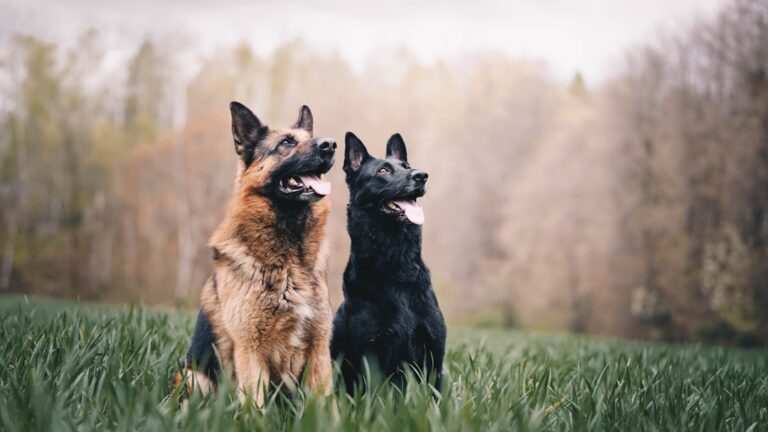
Here's where breed matters: A German Shepherd with erect ears pulled slightly back shows different stress than a Basset Hound pulling their long, droopy ears backward. Learn your dog's neutral ear position first, then watch for deviations.
Furrowed brows and tension across the forehead muscles signal concern or concentration. Combined with other stress signals, this facial tightness tells you your dog is struggling to cope.
The key is reading these signals in context and as a whole picture. One isolated signal might mean nothing, but multiple facial stress indicators appearing together are your dog asking for help—or space.
Body Posture and Position Stress Indicators
Your dog's overall body posture tells a story—and when stress is involved, it's often written in capital letters. While a relaxed dog moves fluidly with loose, wiggly movements, a stressed dog's body becomes a billboard of discomfort. Learning to read these postural cues can help you intervene before stress escalates into fear or aggression.
Tail Positions: More Than Just Wagging
Let's start with the tail, because it's not as simple as "wagging equals happy." A low tail tuck between the legs is one of the clearest fear signals you'll see. This isn't just a slightly lowered tail—we're talking about a dog trying to make themselves as small as possible, with their tail wrapped tightly underneath their body.
But here's what surprises many owners: a high, stiff tail that wags rapidly in short movements? That's often arousal and tension, not friendliness. True relaxed wagging involves the whole rear end moving, with a tail held at a neutral height.
Raised hackles (piloerection)—that ridge of raised fur along the spine—deserve special mention. This indicates arousal, but context matters. Your dog might have raised hackles when stressed, excited to play, or uncertain about something new. Look at the rest of the body language to interpret what's really happening.
The Stress Crouch vs. Play Bow
There's a world of difference between a lowered body posture from stress and the lowered front end of a play bow.
A stress crouch involves the entire body sinking lower, weight shifted backward, and muscles tensed. The dog is literally trying to shrink and appear non-threatening. You might see this when your dog encounters something scary at the vet or meets an overwhelming dog at the park.
A play bow, on the other hand, features that classic "downward dog" yoga pose—front end down, rear end up, with a loose, wiggly body and often a play face. The energy is completely different.
Standing Tall vs. Making Themselves Smaller
Dogs manipulate their apparent size based on how safe they feel. A confident (sometimes overconfident) dog might stand tall with weight forward, trying to appear larger. But when stressed, dogs do the opposite.
Watch for weight shifted backward—this is your dog literally trying to increase distance from whatever's bothering them without necessarily running away. Their front legs might even be slightly bent as they lean back. This is a clear "I'm uncomfortable" signal that deserves respect.
Turning the head or body away is a brilliant canine conflict-resolution strategy. When your dog turns away from an approaching person or dog, they're not being rude—they're being polite in dog language, saying "I'm not a threat, please don't be one either."
A frozen or stiff body is perhaps the most serious stress signal. This rigid, statue-like posture often precedes reactivity. If you see your dog freeze, don't wait to see what happens next—calmly create distance from the stressor.
Finally, that belly-up position? It's not always an invitation for belly rubs. When paired with a tense body, whites of eyes showing, and attempts to move away, it's actually a fear-based submission signal. A truly relaxed belly-up dog has soft eyes, a wiggly body, and voluntarily stays in position.

Check Price on Amazon →
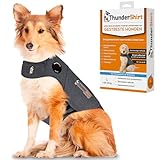
Check Price on Amazon →
Movement and Behavioral Stress Signals
While frozen body language tells you a dog is uncomfortable, movement-based stress signals reveal that your dog is actively trying to cope with anxiety. These behaviors are often your dog's way of saying, "I'm not okay with this situation, and I'm trying to make myself feel better."
Stress Panting vs. Normal Panting
Panting is normal after exercise or on warm days, but stress panting looks different. Watch for panting that seems out of context—your dog hasn't been running, the temperature is comfortable, yet they're breathing heavily with their mouth wide open. Stress panting often appears more forced or tense, with the tongue curled at the edges rather than relaxed and loose. You might also notice it starting suddenly when a specific trigger appears, like a stranger approaching or when you pull out the nail clippers.
Displacement Behaviors: When Dogs Try to Self-Soothe
Displacement behaviors are perhaps the most misunderstood stress signals. These are normal activities performed out of context—your dog's brain is essentially saying, "I'm uncomfortable, so I'll do something familiar to calm down."
Common displacement behaviors include:
- Shaking off as if they're wet when they're completely dry (often happens right after a stressful interaction)
- Excessive ground sniffing during training or social situations
- Sudden scratching when nothing is itchy
- Yawning repeatedly when not tired
- Stretching or play bows when not initiating play—this is your dog trying to release physical tension
I see this constantly in training classes. A dog will perform a stretch that looks like a play bow after a challenging exercise or when meeting new dogs. Owners often think their dog wants to play, but the context tells the real story.
Avoidance Behaviors You Might Miss
When stress escalates, dogs may show more obvious avoidance:
Pacing and restlessness are red flags. A stressed dog can't settle, constantly moving from spot to spot, circling, or following you room to room. This differs from normal "I want something" behavior—stressed pacing has a frantic, purposeless quality.

Check Price on Amazon →
Food refusal in food-motivated dogs is significant. If your normally treat-obsessed dog suddenly won't take their favorite snack, that's serious stress. Their nervous system has essentially overridden their hunger drive.
Seeking escape routes manifests as hiding behind furniture, trying to leave the room, pulling toward exits, or attempting to hide under or behind you. Some dogs will squeeze into impossibly small spaces when overwhelmed.
Stress-related elimination happens when anxiety triggers an urgent need to urinate or defecate, sometimes resulting in accidents or diarrhea. This is physiological—not behavioral—and never deserves punishment.
The practical takeaway? When you spot these movement-based signals, your dog needs help managing their stress. Don't push them further into the situation. Instead, increase distance from the trigger, end the session, or give them space. Teaching dogs they can trust you to recognize their discomfort builds confidence and prevents stress from escalating into fear or aggression.
Context Matters: Reading Stress Signals in Different Situations
A yawning dog at the vet's office tells a completely different story than a yawning dog on your couch after dinner. Context is everything when reading your dog's body language, and certain situations naturally ratchet up stress levels—sometimes in ways that surprise us.
The tricky part? Stressors compound. Your dog might handle meeting a new person just fine, but meeting a new person while at the vet, when there's construction noise outside, and they haven't had their morning walk? That's an entirely different equation. Think of your dog's stress tolerance like a bucket—each stressor adds water, and when it overflows, you'll see reactive behavior.
Common High-Stress Situations
Vet visits and grooming appointments top the list. Even well-adjusted dogs often show stress signals here: tucked tails, whale eye, excessive panting, or attempts to hide behind you. These are reasonable responses to uncomfortable handling and strange smells. A
Check Price on Amazon →
with peanut butter can help during grooming by giving your dog something positive to focus on.
New dogs or people trigger stress too, especially with pushy greeters. A relaxed greeting should be brief—dogs approach in curves (not head-on), sniff quickly, then move apart. Watch for freeze responses, stiff bodies, or turning away. These are polite "I need space" signals that too many people ignore.
At the Dog Park: Red Flags to Watch For
Dog parks can quickly overwhelm even social dogs. Watch for:
- Your dog staying close to you or the exit instead of engaging
- Repeatedly trying to leave play sessions with other dogs
- Stiff, high tail wags (arousal, not happiness)
- Mounting or body-slamming other dogs (often stress displacement)
- Frantic, non-stop running without relaxed breaks
If your dog shows these signs, they're telling you they've hit their threshold. Leave before behavior escalates. Remember, not every dog enjoys dog parks, and that's perfectly fine.
Home Stress: When Your Dog Is Uncomfortable in Their Own Space
Your dog should feel safest at home, but stress can creep in here too. New furniture arrangements, construction noise, or visiting relatives all qualify as stressors. Watch for dogs who suddenly start sleeping in unusual spots, pacing, or refusing to settle.
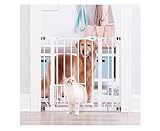
Create a safe space using a
Check Price on Amazon →
to section off a quiet room where your dog can retreat during chaotic periods. This isn’t punishment—it’s a decompression zone.
Reading Your Dog Around Kids
This deserves special attention because the stakes are high. Children move unpredictably, make loud noises, and often ignore dog signals. Your dog might tolerate a child petting them while showing clear stress: licking lips, turning their head away, "smiling" with pulled-back lips, or freezing.
Never force these interactions. If your dog moves away from a child, that's communication—respect it. Teach kids that when dogs walk away, playtime is over. Watch for threshold warnings: your dog might tolerate one hug, but the third one could trigger a snap.
The bottom line? Context changes everything. A stressed dog at the vet is normal; a stressed dog at home needs your attention. Learn to read the room—and your dog's response to it.
What to Do When You Spot Stress Signals: Practical Response Strategies
Recognizing stress signals means nothing if you don't know how to respond. The good news? Your reaction can either help your dog build resilience or make the situation worse. Let's focus on practical strategies that actually work.
Emergency De-escalation Techniques
When you spot stress signals, your first priority is immediate relief. Think of it like your dog's emotional fire alarm going off—you need to remove the heat source.
Increase distance from whatever's triggering the stress. If your dog is showing whale eye at an approaching stranger, don't wait to see what happens next. Politely excuse yourself and create space. Even a few extra feet can make a massive difference to your dog's comfort level.
Remove your dog from the situation entirely if the stress signals escalate. There's zero shame in leaving the dog park, cutting a walk short, or ending a training session early. You're not "giving up"—you're being a responsible advocate for your dog.
Here's what absolutely doesn't work: forcing your dog to "face their fears" or punishing stress signals. When you scold a growling dog, you don't eliminate their discomfort—you just teach them to skip the warning signs and potentially escalate to biting. Never punish stress-related behaviors like growling, backing away, or showing teeth. These are valuable communications.
Use calming signals yourself. Dogs recognize certain body language as non-threatening. Try slow blinking, turning sideways rather than facing your dog head-on, yawning, or moving slowly and deliberately. These signals tell your dog "I'm not a threat, and everything is okay."
Building Confidence Through Gradual Exposure
Once you've managed the immediate situation, it's time to build long-term resilience through counter-conditioning and desensitization. This means creating positive associations with whatever triggers stress.
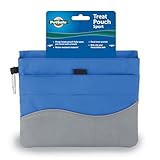
Start well below your dog's threshold—the point where stress signals appear. If your dog reacts to other dogs at 20 feet, begin your training at 50 feet. Pair the presence of the trigger with something wonderful, like high-value treats from your
Check Price on Amazon →
. The goal is to change your dog’s emotional response from “that’s scary” to “that predicts good things.”
Progress slowly. I can't emphasize this enough. Many dog owners move too fast and end up flooding their dog with stress, which sets training back significantly. Let your dog's body language guide the pace.
Always provide an exit strategy. Whether you're at home or out in the world, your dog should never feel trapped. A
Check Price on Amazon →
can give your dog access to a quiet room during parties. On walks, position yourself so your dog can move behind you if needed.
Teaching Your Family to Respond Appropriately
Everyone in your household needs to be on the same page. Sit down with family members and discuss what stress signals look like and how to respond. Kids especially need clear instructions: "When Max's ears go flat, we give him space."
Create a designated safe space where your dog can retreat without being bothered—and make it a household rule that this space is off-limits for interactions.
When to call in the professionals: If your dog's stress responses are intense, frequent, or escalating despite your efforts, consult a certified professional dog trainer (CPDT-KA) or veterinary behaviorist. Signs you need help include prolonged stress signals, aggression, or stress that interferes with daily life.
Common Mistakes: Misreading or Ignoring Canine Stress
Even experienced dog owners fall into traps when interpreting their dog's body language. These misunderstandings don't just create confusion—they can actually make stress worse or lead to dangerous situations. Let's break down the most common mistakes I see in my training practice.
Wagging doesn't always mean happy. This might surprise you, but tail wags come in many varieties. A high, stiff wag can signal arousal or even aggression. A low, fast wag often indicates anxiety. The "happy wag" you're looking for involves the whole rear end wiggling, with a relaxed body and soft eyes. Context matters enormously.
Forcing interactions backfires. I hear this constantly: "He needs to get used to it, so I'm making him interact with [kids/other dogs/strangers]." This approach, called flooding, typically makes fear worse. When you force a stressed dog into situations that scare them, you're not teaching confidence—you're teaching helplessness. Real desensitization happens gradually, at the dog's pace, with positive associations built along the way.
A frozen dog isn't a calm dog. When dogs go completely still, many owners think they're being obedient or relaxed. Actually, freezing is often a fear response—the dog is hoping the threat will pass if they don't move. This commonly happens right before a bite. If your dog suddenly becomes statue-like around children, other dogs, or during handling, that's a red flag, not good behavior.
Ignoring the whispers means dealing with the shouts. Dogs have an entire vocabulary of subtle signals: lip licks, yawns, whale eye, slow movements, turning away. When we miss these early warnings, dogs escalate to growling or snapping because we've left them no choice. The dog who "came out of nowhere" almost certainly gave multiple signals that went unnoticed.
The Myth of the 'Guilty' Dog
That "guilty look" when you come home to a destroyed couch? It's not guilt. Your dog is responding to your body language and tone with appeasement signals—lowered body, averted gaze, ears back. They're saying "please don't be angry" in response to your reaction, not expressing remorse about something they did hours ago.
This misunderstanding leads to ineffective punishment and damaged trust. Dogs live in the present moment. They don't plot revenge or feel spite when they chew your shoes.
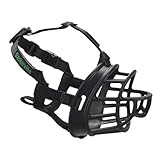
Never punish growling. This is crucial: a growl is a gift. It's your dog's way of saying "I'm uncomfortable, back off please." When you punish growling, you don't eliminate the stress—you just teach the dog to skip the warning next time and go straight to a bite. I've worked with countless "dogs who bite without warning" whose owners trained away their communication.
Check Price on Amazon →
Why 'He's Never Done This Before' Is Often Predictable
After a bite incident, I often hear "He's never done this before!" But when we review the history, we find months or years of subtle signals the owner missed or dismissed. The dog who finally snapped at the groomer had always tensed during nail trims. The dog who bit a child had been doing "whale eye" and moving away from kids for weeks.
Breed-specific variations matter too. A Husky's dramatic vocalizations might seem aggressive but are often just communication. Breeds with curly tails (Pugs, Basenjis) can't signal with tail position the same way. Heavy-coated dogs' hackles are more visible and may seem more aggressive than a short-haired dog experiencing the same arousal.
The solution? Believe what your dog tells you the first time, in whatever language they're using.
Frequently Asked Questions
Can a dog be stressed even if their tail is wagging?
Yes—tail wagging indicates arousal or excitement, not necessarily happiness. Fast, stiff wagging or wagging with a high, tense tail can indicate stress or potential aggression. Look at the whole body—ears back, tense mouth, and stiff body with a wagging tail signals stress. Context matters: tail wagging at the vet is different from tail wagging when you come home.
How quickly can a dog go from stressed to aggressive?
Dogs typically give multiple warning signals before escalating, but this can happen in seconds if warnings are ignored. A dog at high stress levels (over threshold) may react more quickly with less warning. Previous learning matters—dogs punished for growling may skip warnings entirely. Some situations (pain, maternal protection, resource guarding) can trigger faster reactions. This is why recognizing early subtle signals is crucial for safety.
What's the difference between a play bow and a stress bow?
Play bows have relaxed, wiggly body language with loose, sweeping tail wags and playful facial expressions. Stress bows may look similar but are accompanied by tense body, whale eye, lip licking, or attempts to move away. Play bows invite interaction; stress bows are displacement behaviors to self-soothe. Context helps—a bow followed by freeze or avoidance suggests stress, while one followed by bouncing indicates play. Watch what happens after—does the dog engage playfully or try to create distance?.
Should I comfort my dog when they show stress signals?
Yes—you cannot reinforce fear by comforting; emotions aren't trained behaviors. Your calm presence helps your dog feel safer and builds trust. However, don't force physical comfort if your dog is trying to create space. Better approach: remove the stressor, give your dog space, and let them approach you when ready. Pair stressful situations with high-value treats to create positive associations over time.
Are some breeds harder to read than others?
Yes—breeds with very curly tails (Pugs, Huskies) or naturally pricked ears (German Shepherds) show signals differently. Dogs with heavy coats may not show raised hackles as obviously. Brachycephalic breeds (flat-faced dogs) may always show some whale eye due to skull structure. Cropped ears or docked tails eliminate important communication tools. Focus on learning your individual dog's baseline behavior and subtle variations from their normal.