How to Socialize an Adult Dog with Other Dogs (2026 Guide)
Introduction
If you've ever watched your adult dog lunge, bark, or cower at the sight of another dog, you know how stressful it can be. Maybe you adopted a rescue who spent their formative months in a kennel. Perhaps your dog had a scary encounter at the dog park that changed everything. Or maybe life just got busy, and those early puppy socialization classes never happened.
Here's the good news: it's never too late to help your adult dog become more comfortable around other dogs.
Yes, puppies have that magical "critical socialization window" between 3 and 14 weeks when they're little sponges soaking up new experiences. But adult dogs? They're still capable learners. I've worked with seven-year-old dogs who went from reactive messes to calm walkers, and ten-year-old rescues who made their first dog friends. It happens more often than you'd think.
The Reality Check You Need
Let's be honest upfront: socializing an adult dog is different from socializing a puppy. It takes more patience, more careful management, and sometimes more time. Your three-year-old reactive shepherd probably won't become the social butterfly at the dog park—and that's okay. Success might look like your dog calmly walking past another dog on the sidewalk without losing their mind. That's a huge win.
Adult dogs come with baggage—sometimes literal trauma from past experiences, sometimes just years of practiced fear responses. Common challenges include:
- Fear-based reactivity (barking and lunging from anxiety, not aggression)
- Poor canine communication skills from lack of early exposure
- One bad experience that created a lasting negative association
- Overarousal and inability to settle around other dogs
- Learned behaviors that have been reinforced for years
The key word here is socialization, not socializing. We're not trying to force your dog to make friends with every dog they meet. We're teaching them that other dogs exist in the world, and that's okay—nothing scary needs to happen.
What You'll Learn
This guide walks you through a proven step-by-step process based on positive reinforcement and gradual desensitization. You'll learn how to:
- Assess your dog's current comfort level and set realistic goals
- Create positive associations with other dogs from a safe distance
- Use strategic management to prevent rehearsing bad behaviors
- Recognize canine body language and warning signs
- Progress safely from parallel walking to controlled introductions
- Know when professional help is necessary

Check Price on Amazon →
Safety comes first, always. We'll cover when and how to use management tools appropriately, how to choose suitable dog partners for practice, and the warning signs that you're pushing too fast.
Whether your adult dog is mildly nervous or seriously reactive around other dogs, this process can help. It won't happen overnight, but with consistency and the right techniques, most adult dogs can learn to coexist peacefully—and sometimes even joyfully—with their own species.
Understanding Your Adult Dog's Starting Point
Before you can help your dog build better relationships with other canines, you need to understand exactly where they're starting from. Not all dogs who struggle with other dogs have the same issue, and lumping them all together as "bad with dogs" misses crucial nuances that will shape your entire training approach.
Reading Canine Body Language
Your dog is constantly communicating their comfort level—you just need to learn their language. A relaxed dog around other canines will have soft eyes, a loose body, and natural movement. Their tail position depends on the breed, but watch for wagging that involves their whole rear end, not just a stiff tail.
Signs of stress and discomfort are more subtle than you might think. Look for:
- Whale eye (showing the whites of their eyes)
- Lip licking or yawning when not tired
- Freezing or going very still
- Stiff, slow movements
- Turning their head away or avoiding eye contact
- Piloerection (hackles raised along the back)
- Low tail carriage or tucked tail
A dog showing these signs isn't necessarily aggressive—they're uncomfortable and potentially scared. Push them too far, and fear can escalate to reactive or aggressive displays.
Determining Your Dog's Reactivity Level
Here's where we separate the different issues:
Undersocialized dogs simply lack experience. They might be overly excited, awkward, or unsure how to interact. Think of them as socially clumsy—they want to engage but don't know the rules.
Fearful dogs actively want to avoid other dogs. They'll try to hide, retreat, or make themselves small. Their body language screams "please leave me alone."
Reactive dogs have learned that dramatic displays (barking, lunging, growling) make the scary thing go away. This is often fear-based, but it looks aggressive. The key difference? They're reacting at a distance, usually on leash, and would likely retreat if given the option.
Dog-aggressive dogs actively want to engage in conflict. They'll seek out other dogs, show predatory stalking behavior, and won't de-escalate when the other dog submits or retreats.
To assess your dog, note their threshold distance—how close another dog can get before yours notices and reacts. For some dogs, that's 100 feet. For others, it's 10. A
Check Price on Amazon →
can help you practice at various distances safely.
Also identify specific triggers. Does your dog react to all dogs, or just large ones? Certain colors? High-energy dogs? Males versus females? These details matter enormously.
When to Seek Professional Help Before Starting
Some situations require a qualified professional from day one:
- Your dog has bitten another dog or shows predatory behavior
- You feel genuinely afraid of your dog around other dogs
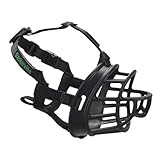
- Your dog wears a
Check Price on Amazon →
for safety around dogs and you don’t know how to proceed
– You can’t identify your dog’s emotional state or threshold distance
– Your dog shows **no signs of stress before exploding** into reactivity
A certified dog behavior consultant or veterinary behaviorist can assess your dog properly and create a safe protocol. Some dogs also benefit from anxiety medication to lower their baseline stress while learning—this isn't giving up, it's giving your dog the neurological space to actually learn new responses.
Remember: your dog's history matters, but it doesn't have to define their future. Genetics play a role, early puppyhood experiences matter, and past trauma creates real challenges—but with realistic goals and the right approach, most adult dogs can improve their relationship with other dogs, even if "improvement" looks different for each individual.
Essential Preparation Before Dog-to-Dog Socialization
Jumping straight into dog-to-dog socialization without proper preparation is like teaching someone to swim by throwing them in the deep end—it rarely ends well. Before your adult dog meets their first canine friend, you need to build a solid foundation at home and gather the right tools for success.
Foundation Skills Your Dog Needs First
Your dog doesn't need to be competition-ready, but they do need basic communication skills before meeting other dogs. Think of these as the vocabulary you'll both rely on when things get exciting or overwhelming.
Attention and focus are your most critical tools. Practice getting your dog to look at you on cue, even with mild distractions present. Start in your living room, then gradually work up to your front yard. If your dog can't focus on you at home with the neighbor's cat walking by, they won't be able to focus when an energetic Golden Retriever is bouncing toward them.
Impulse control exercises are equally essential. Work on "leave it" with treats on the floor, "stay" while you move around, and waiting at doorways. These aren't just party tricks—they're life skills that help your dog manage their excitement and frustration around other dogs. I particularly like the "look at that" game: reward your dog for calmly noticing distractions (like dogs in the distance) then voluntarily looking back at you.
Recall is non-negotiable, even if you're using a leash. Practice calling your dog away from things they want—their dinner bowl, a favorite toy, or a sniffing spot during walks. You need to know they'll respond when you need to create distance quickly.
Before any socialization session, ensure your dog's basic needs are met. A dog who's hungry, tired, or hasn't had enough physical exercise will struggle to make good choices. Think of it like taking a cranky toddler to a birthday party—the odds aren't in your favor.
Gathering the Right Tools and Treats
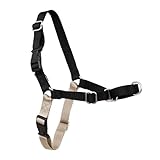
The right equipment makes everything easier. Choose a well-fitted harness or flat collar—nothing aversive like prong or choke collars, which can create negative associations with other dogs.
Check Price on Amazon →
For leash length, I recommend a standard 6-foot leash that gives your dog some freedom without losing control. Leave the retractable leash at home—you need predictable, manageable control during introductions.
High-value treats are essential. We're not talking about their regular kibble here. Find something your dog goes absolutely crazy for—small pieces of cheese, hot dogs, or freeze-dried liver. You're competing with the most exciting distraction in your dog's world (another dog!), so bring the good stuff.
Check Price on Amazon →
Health considerations matter more than many people realize. Ensure vaccinations are current—not just for safety, but for your peace of mind. If your dog has any pain issues (arthritis, ear infections, dental problems), address these first. A dog in pain may react defensively when another dog approaches.
Finally, prepare yourself mentally. Your dog reads your energy like a book. If you're tense, anxious, or frustrated, they'll pick up on it instantly. Take a few deep breaths, keep your leash loose, and commit to staying patient. This is a marathon, not a sprint.
The Step-by-Step Socialization Process for Adult Dogs
Socializing an adult dog with other dogs is a marathon, not a sprint. The key is working at your dog's pace while systematically building positive associations. Here's how to do it right.
Week 1-2: Distance Observation and Counter-Conditioning
Your first goal is finding your dog's threshold distance—the point where they notice other dogs but don't react negatively. This might be 50 feet or 200 feet depending on your dog. You'll likely need a large park or parking lot with space to maneuver.
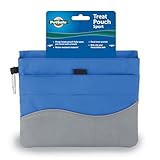
Start by positioning yourself where you can observe other dogs from this safe distance. The moment your dog notices another dog, mark the behavior with "yes!" and immediately deliver a high-value treat—think real chicken, cheese, or hot dogs, not regular kibble. A
Check Price on Amazon →
keeps rewards accessible for quick delivery.
The pattern should be: Dog appears → treat happens. You're not asking for anything from your dog yet; you're simply creating the association that other dogs predict amazing things.

Check Price on Amazon →
Keep these sessions short—5 to 10 minutes maximum. End before your dog becomes overstimulated or stressed. If your dog starts lunging, barking, or can't take treats, you're too close. Move farther away.
During week two, begin teaching an alternate behavior. "Look at me" or a hand touch work beautifully. When your dog sees another dog and voluntarily looks back at you, jackpot with multiple treats. You're rewarding them for choosing to disengage.
Week 3-4: Closing the Gap Gradually
Once your dog can observe other dogs calmly at your starting distance for several consecutive sessions, decrease the distance by about 10-15 feet. This is where patience pays off—moving too quickly can undo weeks of progress.
Check Price on Amazon →
Continue your counter-conditioning protocol at this new distance. Watch for signs your dog is comfortable: soft body language, ability to take treats, and brief glances at other dogs followed by automatic check-ins with you.
By week four, start exposing your dog to moving dogs at your comfortable distance. Movement is more arousing than stationary dogs, so you may need to temporarily increase distance again. That's completely normal.
Week 5+: Parallel Walking and Closer Proximity
Now you're ready for parallel walks—walking in the same direction as another calm dog, maintaining distance. Start at least 20-30 feet apart. Keep your dog engaged with frequent treats and attention.
Here's the progression:
- Walk parallel with significant distance between dogs
- Gradually narrow the gap over multiple sessions
- Practice matching pace and stopping together
- Eventually walk past each other (still with space)
Throughout this phase, continuously reinforce calm behavior. The moment your dog glances at another dog and remains relaxed, reward it. You're building a new default response.
Remember: quality over speed. Some dogs progress through these stages in two months; others need six months or more. Respect your dog's individual timeline. Every positive session builds confidence and makes the next one easier. If you hit a setback, simply return to a previous stage where your dog felt successful and rebuild from there.
Choosing the Right Dog Friends and Social Situations
The dogs your adult meets during socialization can make or break their progress. One bad experience can set you back weeks, while positive encounters build confidence quickly. Think of this phase like learning to swim—you wouldn't throw someone into the deep end first.
Finding a Good 'Mentor Dog'
Your secret weapon is a calm, well-adjusted "mentor dog" who can model appropriate behavior. These dogs are typically middle-aged or senior, socially fluent, and genuinely uninterested in drama. They'll either ignore your dog politely or offer gentle, clear communication if boundaries need setting.
What makes a great mentor dog:
- Doesn't rush up to greet or get in other dogs' faces
- Gives calming signals (yawning, sniffing the ground, turning away) when another dog is anxious
- Has an owner who understands dog body language and will advocate for both dogs
- Remains relaxed even if your dog acts awkward or nervous
Ask friends, family, or your trainer if they know dogs who fit this profile. Many professional trainers keep mentor dogs specifically for this purpose. A good mentor dog is worth their weight in gold—they teach your dog the "language" of canine communication better than you ever could.
Structured Socialization Opportunities
Forget the image of dogs romping freely together. For an undersocialized adult, structured activities work far better than free play.
Start with parallel walks: Walk alongside another dog-handler team with about 10-15 feet between you. This lets your dog notice and exist near another dog without direct interaction pressure. You can gradually decrease distance as your dog stays relaxed. A
Check Price on Amazon →
gives you control while allowing some freedom of movement.
Try side-by-side training sessions: Meet up with another handler and practice basic obedience near each other. Your dog learns that other dogs predict good things (treats, praise) without overwhelming social demands.
Evaluate potential playmates carefully: Before any close interaction, watch the other dog. Do they have a loose, wiggly body? Do they play bow and self-handicap with smaller dogs? Or do they body-slam, mount, or play too roughly? Your dog needs patient friends right now, not wrestlers.
Consider the territory: Neutral locations (quiet parks, empty parking lots, tennis courts) reduce territorial behavior and stress. Save home introductions for after dogs have met successfully a few times elsewhere.
Why Dog Parks Should Wait
I know dog parks seem like the obvious solution, but they're actually terrible for dogs still learning social skills. They're chaotic, with unknown dogs of varying temperaments, inadequate supervision, and no escape routes. It's like learning Spanish by being dropped in the middle of a loud Barcelona marketplace—overwhelming and potentially traumatic.
Wait until your dog can:
- Remain calm when seeing dogs at a distance
- Successfully interact with 3-4 known dogs
- Respond to your recall even with distractions
- Read and respect other dogs' body language
Even then, dog parks aren't for every dog—and that's perfectly fine. Many well-socialized dogs simply prefer structured activities or one-on-one playdates. Quality matters more than quantity when it comes to canine friendships.
Conducting Safe and Successful Dog Introductions
The way you orchestrate your dog's first meeting with a potential canine friend can make or break their future relationship. Rushing into face-to-face greetings is one of the biggest mistakes I see owners make. Instead, let's talk about a method that actually works.
The Parallel Walk Technique
Before your dogs even acknowledge each other's existence, start with parallel walking. This means you and another handler walk your dogs in the same direction, maintaining about 10-15 feet of distance between them. Think of it like strangers sitting next to each other on a park bench—sharing space without the pressure of direct interaction.
Keep both dogs engaged with you through treats, light conversation, or simple commands. The goal is to let them notice each other peripherally while associating the other dog's presence with something positive (walking, which most dogs love). After 5-10 minutes, if both dogs seem relaxed—soft body language, occasional glances at the other dog without fixating—gradually decrease the distance.
Critical detail: Keep those leashes loose. A tight leash travels straight down to your dog and screams "Danger! Be alert!" Even if you're nervous, resist the urge to reel your dog in like a fish. Use a
Check Price on Amazon →
if you need extra management without creating tension.
As you close the gap, watch for positive signs: loose, wagging tails, soft mouths, and curved body postures. If either dog stiffens, stares intensely, or tries to bolt toward the other, you've moved too fast. Increase distance and continue the parallel walk.
Monitoring the Introduction
When both dogs are walking calmly within a few feet of each other, you can allow a brief greeting. Let them approach each other at an angle—not head-on, which can feel confrontational to dogs. Healthy greetings look like this:
- Curved approaches rather than straight lines
- Quick sniffs (typically rear-end first—yes, it's weird to us, but normal for them)
- Play bows: front end down, rear up
- Dogs take turns moving toward and away from each other
Here's the key: 3-5 seconds maximum for first greetings. That's it. I actually count in my head: "One Mississippi, two Mississippi, three Mississippi—okay, let's go!" Then cheerfully call your dog away and continue walking. This prevents the interaction from tipping into overstimulation.
When to Intervene or End the Interaction
Watch arousal levels like a hawk. Even positive excitement can escalate quickly. Signs that you should interrupt and create space:
- Either dog freezes or goes completely still
- Mounting attempts (this is usually about control, not romance)
- Vocalizations increasing in pitch or intensity
- One dog persistently following or cornering the other
- Body slamming or increasingly rough play
Don't wait for a fight to break out. A simple "Let's go!" and a few steps away gives both dogs a chance to reset. If they both calm down and show interest in re-engaging, allow another brief greeting.
Gradually extend interaction time based on what the dogs tell you. If three 5-second greetings go well, try 10 seconds. If ten minutes of parallel walking and brief check-ins go smoothly, consider a longer on-leash walk together. Some dogs are ready for off-leash play after 20 minutes; others need several sessions before they're comfortable. Trust the process, not the timeline.
Troubleshooting Common Socialization Challenges
Even with the best planning, socialization doesn't always go smoothly. Your dog might bark, lunge, or freeze when they see another dog. You might feel frustrated when progress stalls. Here's how to navigate the bumps in the road.
Handling Reactive Moments
When your dog goes over threshold—barking, lunging, or completely shutting down—don't panic. This is information, not failure. Your first job is to increase distance immediately. Turn around, cross the street, or step behind a car. Get far enough away that your dog can hear you again.
Once you've created space, take a breath. Avoid pulling up on the leash or verbally correcting your dog—this often makes reactivity worse by adding stress. Instead, use a cheerful voice to encourage movement away from the trigger. Once your dog disengages, even slightly, mark and reward that choice heavily.
What actually happened: Your dog hit their threshold, meaning they couldn't think clearly anymore. Next time, you need to work at a greater distance or with fewer distractions present. This isn't your dog being stubborn—their nervous system was overwhelmed.
Addressing Leash Frustration
Here's something many owners don't realize: leash frustration looks identical to aggression, but it's completely different. A leash-frustrated dog is saying "I want to play, but this leash is stopping me!" while an aggressive dog is saying "Go away!"
Signs of leash frustration:
- Whining, bouncing, or pulling toward other dogs
- Playful body language when they finally meet dogs off-leash
- The reactivity is worse when on-leash than off-leash
- Your dog calms down quickly once they greet the other dog
Signs of actual dog-dog aggression:
- Stiff body, hard stare, raised hackles
- Reactivity remains consistent on or off-leash
- Your dog tries to create distance when dogs approach
- Snapping or biting when other dogs get close
For leash frustration, work on impulse control games at home and practice "Look at That" games on walks. The goal is teaching your dog that being calm near other dogs is actually how they earn the chance to interact.
Check Price on Amazon →
When Progress Seems Slow or Stalls
Setbacks are part of the process, not signs you're failing. A dog who was doing great might suddenly regress after a scary encounter, during adolescence, or when their routine changes. This is normal.
If you're seeing regression:
- Go back to a distance where your dog succeeds 80% of the time
- Reduce your criteria temporarily—reward for simply not reacting
- Check for pain or health issues, especially in senior dogs
- Consider whether you're practicing too frequently without enough recovery time
Some dogs need months of consistent work to feel comfortable around other dogs. Senior dogs or those with arthritis may become grumpier simply because they're in pain and don't want to be bothered.
Important reality check: Not every dog needs to be social with all dogs. If your dog is content saying hello and moving on, that's perfectly fine. If they prefer one or two dog friends, that's also fine. Your goal is a dog who's comfortable in the world, not necessarily one who wants to play with every dog they meet.
When the other dog is pushy or rude, you're your dog's advocate. Step between them, create space with your body, and calmly remove your dog from the situation. It's okay to tell another owner, "We're still working on socialization, so we'll pass today."
Maintaining and Building on Socialization Success
Congratulations—you've started seeing positive changes in your adult dog's social skills! But here's the truth: socialization isn't a box you check once and forget about. Like any skill, it requires ongoing practice and reinforcement to stick.
Ongoing Socialization Activities
Think of your dog's social skills like a muscle that needs regular exercise. Without continued positive exposures, even a previously well-socialized dog can become rusty or anxious around other dogs.
Keep the momentum going by scheduling regular, controlled interactions. This doesn't mean daily dog park visits—in fact, those can be overwhelming and counterproductive. Instead, aim for 2-3 quality social experiences per week. These might include:
- Structured parallel walks with a calm, compatible dog where both dogs walk side-by-side at a comfortable distance
- Reward-based training classes specifically designed for adult dogs, where controlled socialization is built into the curriculum
- Scentwork or nosework classes where dogs work in the same space but focus on tasks rather than each other (this is brilliant for dogs who find direct interaction stressful)
- Organized pack walks led by experienced trainers who understand group dynamics and can maintain appropriate spacing
Check Price on Amazon →
As your dog becomes more comfortable, gradually increase variety. Introduce different breeds, sizes, and energy levels—always monitoring your dog's comfort level. Vary your locations too: quiet neighborhood streets, different parks, outdoor cafes, or trail walks. This generalization helps your dog understand that calm behavior around other dogs is expected everywhere, not just in familiar settings.
Accepting Your Dog's Social Preferences
Here's something many dog owners struggle to accept: not every dog wants to be the social butterfly at the dog park, and that's perfectly okay.
Just like people, dogs have individual social preferences. Your dog might enjoy brief greetings but prefer human company for longer outings. They might love one or two dog friends but find groups overwhelming. They might only enjoy structured activities with dogs but not free play.
Celebrate progress on your dog's terms. If your previously reactive dog can now walk past another dog without lunging, that's a massive win—even if they never become best friends with that dog. If your anxious rescue can now tolerate a training class environment, you've achieved something significant.
For dogs who remain selective or reactive despite consistent work, long-term management becomes your strategy. This isn't failure—it's responsible ownership. Use these approaches:
- Continue training to maintain and slowly improve threshold levels
- Choose walking routes and times that set your dog up for success
- Develop a reliable network of compatible canine friends rather than seeking universal friendliness
- Consider whether your dog actually needs extensive dog-dog interaction or if they're content with human companionship and environmental enrichment
Regularly reassess what's working and what's not. A social situation that worked three months ago might now cause stress, or your dog might be ready for new challenges. Stay flexible, keep observing your dog's body language, and adjust accordingly. Your dog's emotional wellbeing matters more than any timeline or socialization checklist.
Frequently Asked Questions
Is it too late to socialize my adult dog with other dogs?
It's never too late to improve socialization, though adult dogs may progress more slowly than puppies. Many adult dogs can learn to be comfortable around other dogs with proper training. Set realistic goals based on your dog's history—the aim is calm coexistence, not necessarily best friends. Some dogs may always prefer limited dog interactions, and that's okay with proper management.
How long does it take to socialize an adult dog with other dogs?
Timeline varies greatly based on the dog's history, temperament, and severity of fear or reactivity. Most dogs show initial progress in 4-8 weeks with consistent work, but full socialization takes months. Some dogs need 6-12 months of gradual exposure and training to feel truly comfortable. Focus on incremental progress rather than rushing toward a specific timeline. Severe cases may require ongoing management rather than complete transformation.
Should I take my undersocialized adult dog to a dog park?
No, dog parks are generally not appropriate for undersocialized or reactive adult dogs. Parks are chaotic, unpredictable environments that can overwhelm and create negative experiences. Dogs can't escape interactions at parks, which violates the principle of choice in socialization. Start with controlled, one-on-one interactions and gradually build up social skills first. Even well-socialized dogs may not enjoy dog parks—structured walks or playgroups are better alternatives.
What's the difference between a reactive dog and an aggressive dog?
Reactivity is an over-the-top emotional response (barking, lunging) often rooted in fear, frustration, or overarousal. Reactive dogs typically calm down once the trigger is gone and rarely intend to harm. Aggression involves intent to harm or create distance through threats or biting. Many reactive dogs can be successfully socialized; truly aggressive dogs may need lifelong management. A professional trainer or veterinary behaviorist can help assess your dog's specific behavior.
Can I socialize my adult rescue dog who has an unknown history?
Yes, many rescue dogs successfully learn social skills regardless of unknown backgrounds. Start with careful assessment of current behavior and comfort levels rather than speculating about the past. Proceed extra cautiously and watch for signs of trauma or fear-based responses. Go even slower than you would with a dog of known history, allowing more time at each step. Work with a trainer experienced with rescue dogs if you notice significant fear or reactivity.