Dog Hates Bath? Step-by-Step Training Fix That Works
Introduction: Why Your Dog Dreads Bath Time (And How to Change That)
If your dog runs and hides the moment you turn on the bathroom faucet, you're not alone. Bath time anxiety ranks among the top three behavioral challenges I hear about from dog owners—right alongside leash pulling and nail trimming. I've worked with hundreds of dogs who've transformed from trembling, escape-artist bath-dodgers into calm, cooperative participants. The key? Understanding what's really happening in your dog's mind.
The Root of Bath Fear
Most dogs don't hate water itself. What they actually dislike is the entire bath experience: the slippery tub surface under their paws, the confined space, the strange echoing sounds, the sensation of being restrained, shampoo getting near their face, or the loud drone of a hair dryer. For many dogs, it's complete sensory overload.
Here's what typically creates bath anxiety:
- Past negative experiences: Maybe your dog was bathed too roughly as a puppy, slipped and got scared, or had water accidentally enter their ears or nose
- Lack of early exposure: Dogs who weren't gently introduced to bathing during their critical socialization period (8-16 weeks) often struggle more
- Forced participation: When we physically overpower a scared dog to complete the task, we confirm their worst fears that baths are indeed dangerous
I once worked with a German Shepherd named Max who would literally wedge himself behind the toilet when his owner even walked toward the bathroom. Through careful observation, we discovered he wasn't afraid of water—he was terrified of the handheld shower attachment because of the unpredictable spray pattern and hissing sound.
You Can Turn This Around
Here's the encouraging news I share with every frustrated owner: fear-based behaviors respond beautifully to systematic training. With the right approach, you can change your dog's emotional response from "bath time equals danger" to "bath time equals good things."
This guide will walk you through a proven step-by-step protocol using positive reinforcement and counter-conditioning. We'll break the bath process into tiny, manageable pieces that your dog can handle. You'll learn exactly how to build positive associations with each element—from the bathroom itself to the actual washing.

Check Price on Amazon →
Set Realistic Expectations
Every dog progresses at their own pace. I've seen some mildly anxious dogs make dramatic improvements within 3-5 days. Others with deeper fears may need 3-4 weeks of consistent training before they're comfortable with a full bath. Your 12-year-old rescue with years of negative bath experiences will likely need more patience than your 6-month-old puppy who's just beginning to show reluctance.
The good news? The time you invest now pays permanent dividends. Once your dog develops positive associations with bathing, those feelings stick. You're not just getting through the next bath—you're changing your dog's emotional response for life.
Let's get started with the foundational steps that make everything else possible.
Understanding Why Dogs Hate Baths: Common Triggers and Fear Responses
Before you can fix your dog's bath-time meltdown, you need to understand what's actually bothering them. Just like some people hate the dentist while others don't mind it, dogs have individual triggers that make bath time stressful. The good news? Once you identify what's setting off your dog, you can address it systematically.
Physical Discomfort Triggers
Let's start with the obvious culprits: physical sensations that genuinely make your dog uncomfortable.
Slippery surfaces are a major issue. Imagine trying to stand on ice while someone sprays you with water—that's what a bathtub feels like to many dogs. Their instinct tells them they might fall, triggering anxiety before the water even starts. A simple rubber mat can transform this experience.
Water temperature matters more than you might think. Dogs have different temperature sensitivity than humans. What feels lukewarm to you might feel too hot or cold to them. Always test the water on your wrist first, aiming for barely warm—think tepid rather than toasty.
Spray pressure from the showerhead can feel aggressive, especially hitting sensitive areas like the face and ears. Many dogs tolerate a gentle pour from a cup far better than direct spray. Some dogs also genuinely dislike feeling confined in a small bathroom or tub, especially larger breeds who feel trapped without an exit route.
Sensory and Environmental Stressors
Dogs experience the world differently than we do, and bathrooms assault their senses in ways we often overlook.
The sound of running water can be startling, especially in echo-prone bathrooms. Add in the gurgle of drains and it's a sensory nightmare for sound-sensitive dogs. Some dogs calm down significantly when you play music or white noise to mask these harsh acoustics.
Shampoo smells might be pleasant to us, but dogs have up to 300 million scent receptors compared to our measly 6 million. That "fresh lavender" scent could be overwhelming. Stick with unscented or very mild dog-specific products initially.
Check Price on Amazon →
Past experiences shape current behavior dramatically. Maybe your dog had water forced into their ears, got shampoo in their eyes, or was roughly handled during a previous bath. Perhaps they were scolded for shaking off or trying to escape. These memories stick, creating anticipation of punishment.
Behavioral Signs Your Dog is Stressed
Learning to read your dog's body language is crucial. Watch for:
- Trembling or shaking before the bath even starts
- Whale eye (showing the whites of their eyes while looking away)
- Tucked tail pressed against the body
- Freezing in place or becoming statue-still
- Panting when not hot or exercised
- Attempting to escape or bracing against being moved toward the bathroom
- Lip licking or yawning repeatedly
These aren't signs of stubbornness—they're genuine distress signals. Your dog is communicating that they feel unsafe, and punishing or forcing the issue will only deepen the fear. Recognition is your first step toward building a positive association with bath time.
Pre-Training Setup: Creating a Positive Bath Environment
Before you even think about turning on the water, you need to set up your bath space strategically. Most bath-hating dogs have had negative experiences—they've slipped, been startled by water temperature, or picked up on your own anxiety. Let's eliminate those problems from the start.
Essential Equipment Checklist
Get everything within arm's reach before you begin. Trust me, chasing a wet, soapy dog because you forgot the towels is not how you build positive associations.
Must-haves:
- Non-slip mat (absolutely non-negotiable)
- High-value treats (real chicken, cheese, or freeze-dried liver—not regular kibble)
- Multiple towels (at least 3-4)
- Gentle, dog-specific shampoo
- Handheld sprayer or detachable showerhead
- Cup or pitcher (for dogs terrified of sprayers)
- Cotton balls (to protect ears from water)
Helpful additions:
Check Price on Amazon →
spread with peanut butter or wet food
–
Check Price on Amazon →
for easy reward access
– Favorite waterproof toy
– Long-sleeved shirt for you (dogs shake—a lot)
Setting Up Your Bath Space for Success
Choose the right location based on your dog's size. Small dogs (under 20 pounds) often do better in a sink or laundry tub where they feel more secure. Medium dogs typically fit best in standard bathtubs. Large dogs might actually prefer outdoor setups with a garden hose during warm weather—the open space feels less trap-like. Just avoid cold days, which create unpleasant associations.
Install a non-slip mat immediately. This single item transforms bath time more than anything else. Dogs instinctively panic when their feet slide, triggering their fight-or-flight response. Place the mat in the tub or shower floor before your dog enters. Test it yourself—if you can feel it shift under your weight, it's not secure enough.
Test your water temperature obsessively. Point the sprayer at your inner wrist for 5-10 seconds. It should feel barely warm—almost room temperature. Dogs have more sensitive skin than humans, and what feels pleasantly warm to you might be uncomfortably hot for them. When in doubt, go cooler. Cold water is uncomfortable but rarely harmful; hot water can burn and create lasting fear.
Manage your own energy. Dogs are emotional sponges. If you're rushing, frustrated, or bracing for a fight, your dog already knows bath time is something to dread. Before you start, take three deep breaths. Remind yourself: this is a training session, not a battle. You're teaching your dog that baths are safe and enjoyable, even if it takes multiple sessions to get there.
Set up your space when your dog is in another room. The preparation process itself—running water, clanking bottles—can trigger anxiety in bath-phobic dogs. Once everything's ready, the environment should feel calm and inviting, not like a veterinary clinic. Some handlers even play soft music or use a white noise machine to muffle startling water sounds.
Your physical setup directly influences your dog's emotional experience. Get this foundation right, and you're already halfway to success.
Step 1: Desensitization to the Bath Space (No Water Yet)
Before you even think about turning on the tap, your first mission is to transform the bathroom from a place of terror into a room of opportunity. This foundational step is where many dog owners skip ahead—and then wonder why bath time remains a battle. Trust me, investing time here pays massive dividends.
The goal is simple but powerful: help your dog associate the bathroom and tub with good things happening. We're essentially rewriting their emotional response through gradual, positive exposure.
Week 1: Building Positive Bathroom Associations
Start outside the bathroom with the door wide open. Stand a few feet back and casually toss high-value treats toward the bathroom entrance. Think small pieces of chicken, cheese, or hot dog—whatever makes your dog's tail wag. Don't lure or call them; just let the treats do the talking.

Check Price on Amazon →
Watch your dog's body language. Are they approaching eagerly or hesitantly? If they're cautious, keep the treats closer to where they're comfortable. Some dogs will grab the treat and bolt—that's perfectly fine. Others might need several sessions before they even approach the doorway.
Over the next few sessions (aim for 5-10 minutes, twice daily), gradually toss treats deeper into the bathroom. Let your dog make the choice to enter. When they step inside, deliver calm, genuine praise. Keep your energy relaxed—overly excited praise can actually increase anxiety in worried dogs.
Once your dog is entering the bathroom confidently, add variety. Feed their regular meals in there. Play a quick game of gentle tug. Basically, the bathroom should start feeling like just another room where good stuff happens.
Check Price on Amazon →
Getting Comfortable with the Empty Tub
Now for the tub itself. With your dog already comfortable in the bathroom, position yourself near the tub with treats ready. Reward any voluntary interest—a glance toward the tub, a sniff, even just standing nearby calmly.
Check Price on Amazon →
Next, pat the side of the tub and reward your dog for approaching. Place treats on the edge of the tub. For smaller dogs, you might kneel down and make the tub seem less imposing. For larger dogs, encourage them to investigate at their own pace.
The progression looks like this:
- Day 1-2: Reward for approaching and sniffing the tub
- Day 3-4: Encourage one paw up on the tub edge (for bigger dogs) or lifting paws toward the tub
- Day 5-6: Reward for placing front paws inside the dry tub
- Day 7: Work toward all four paws in the tub, even briefly
Here's the golden rule: never force it. If your dog resists, you've moved too fast. Back up to the previous step where they were successful. Some dogs will hop right in after two sessions; others need a full week. Both are normal.
During this phase, you can even feed meals or offer a stuffed Kong toy inside the empty tub. The more positive experiences that happen in that space—without water—the stronger the foundation you're building.
If your dog freezes or tries to leave, let them. Forcing or lifting a resistant dog creates exactly the negative association we're trying to avoid. Patience now prevents years of bath-time struggles.
Step 2: Introducing Water Gradually Through Counter-Conditioning
Counter-conditioning sounds technical, but it's actually simple: you're teaching your dog to associate water with something wonderful instead of something scary. The basic formula is water = treats, every single time. This isn't bribery—it's rewiring your dog's emotional response at a neurological level.
The secret? You need to work at your dog's pace, not yours. Rushing this step is the #1 reason dogs continue to hate baths.
Sound Desensitization Exercises
Start where many owners skip: the sound of running water. For anxious dogs, that rushing noise triggers panic before water even touches them.
Turn on your bathroom faucet at the lowest possible flow. The moment the water runs, start feeding treats continuously—one every 2-3 seconds. Keep sessions short, just 30-60 seconds. Turn off the water, treats stop immediately. This pattern teaches your dog that water sounds predict good things.
Practice this 3-5 times daily for several days. Gradually increase the water pressure over a week or two. Move to different locations: kitchen sink, outdoor hose, bathtub faucet. Your dog should perk up with interest when they hear water, not slink away.
Check Price on Amazon →
Touch Desensitization with Wet Hands and Washcloths
Once water sounds are no longer scary, introduce the sensation of wetness—without the full bath experience.
Wet your hands with lukewarm water and simply touch your dog's paw while feeding treats with your other hand. That's it for the first session. Over multiple sessions, touch different areas: legs, back, chest, tail. Always pair with treats.
Progress to a damp washcloth. Touch one paw, treat immediately. Touch the other paw, treat. Work your way up each leg over several days. Some dogs handle this in a few sessions; others need two weeks. Both timelines are fine.
Watch for stress signals: lip licking, yawning, turning away, or freezing. If you see these, you've moved too fast. Go back to the previous step and spend more time there.
Progressive Water Exposure Protocol
Now you're ready for actual water exposure. Use a plastic cup—it's less threatening than a spray nozzle initially.
Pour a tiny amount of water (we're talking a tablespoon) on your dog's paw while continuously feeding treats. The treats should come so fast your dog barely notices the water. Repeat with other paws across several sessions.
Gradually increase the amount of water and the body areas you're wetting. This might look like:
- Week 1: Dampening paws only
- Week 2: Pouring small amounts on legs
- Week 3: Wetting the back and sides
- Week 4: Introducing gentle water flow from a container
Critical rule: Treats flow like a conveyor belt when water is present. The second water stops, treats stop. This timing is everything.
When your dog remains relaxed with cup-poured water, introduce a handheld sprayer on the gentlest setting. Start by spraying the ground near (not on) your dog while treating. Over multiple sessions, spray closer, then finally on their legs, working up to their body.
Check Price on Amazon →
Some dogs master this step in two weeks. Others need two months. Your dog's history with water determines the timeline, so resist comparing your progress to others.
Step 3: Building Duration and Adding Shampoo
Now that your dog tolerates brief water exposure without panicking, it's time to gradually increase duration and introduce the real challenge: shampoo. This step requires patience—rushing here is the number one reason dogs regress in their bath training.
The Lick Mat Strategy for Distraction
Before we even talk about shampoo, let's give your dog something else to focus on. A
Check Price on Amazon →
stuck to the tub wall at your dog’s nose height becomes an absolute game-changer during training baths.
Spread it with something irresistible: peanut butter (xylitol-free!), plain Greek yogurt, wet dog food, or mashed banana. The repetitive licking motion actually releases calming endorphins, helping your dog self-soothe through the stress. Position it so your dog can lick comfortably while standing—never force them into an awkward position.
Start the lick mat before you turn on any water. Let your dog get into that licking zone, then begin your training session while they're occupied. Most dogs will tolerate significantly more handling when they're focused on their tasty distraction.
Shampoo Introduction Protocol
Don't just dump shampoo on your dog—that's terrifying! Follow this gradual approach:
Day 1-2: Scent familiarization
- Let your dog sniff the shampoo bottle
- Immediately give three high-value treats
- Repeat 5-6 times per session
- Put a tiny dab on your hand, let them sniff, and treat generously
Day 3-4: Diluted application
- Mix shampoo with water (1:3 ratio) in a squeeze bottle
- Apply a small amount to their shoulder—the least sensitive area
- Massage gently for 3-5 seconds while continuously feeding treats
- Rinse immediately and celebrate with a favorite toy or game
Day 5 onwards: Gradual expansion
- Add one new body area per session: back, sides, legs, tail
- Save the most challenging areas (head, belly, paws) for last
- Use your highest-value treats during these sensitive spots—real chicken, cheese, or freeze-dried liver
Never apply shampoo to more than 2-3 body areas in early training sessions. Your goal is building positive associations, not getting a perfectly clean dog.
Timing Your Training Sessions
Here's the golden rule: always quit before your dog wants to quit. Watch for early stress signals—lip licking, whale eye (showing whites of eyes), stiff body posture, or attempting to leave. These are your cues to wrap up immediately.
Keep early training baths to 3-5 minutes maximum. Yes, your dog won't be completely clean. That's okay! You're investing in a lifetime of stress-free bathing. A partially shampooed dog who's still happy is far better than a fully clean dog who now fears the bathroom.
Schedule sessions when your dog is slightly tired—after a walk or play session—but not exhausted. A moderately tired dog has less energy for anxiety but enough focus for learning.
Post-bath victory lap: The moment you're done, deliver something spectacular. Their favorite tug toy? A special treat they only get after baths? A quick game of chase? This immediate positive reinforcement cements the entire experience as worthwhile. One of my clients keeps a special squeaky ball exclusively for post-bath celebrations—her Lab now voluntarily jumps in the tub!
Step 4: Complete Bath Practice and Troubleshooting Common Setbacks
Once your dog is comfortable with all the individual components—water, tub, touch, and wet paws—it's time to put it all together. But don't rush. Your first complete bath should be a shortened version with continuous treats and praise.
Start with a quick rinse focusing on less sensitive areas like the back and sides. Keep sessions under five minutes initially. Use a calm, happy voice throughout, and hand out treats every 10-15 seconds. If your dog stays calm, gradually extend the duration over several bath sessions. Remember: you're building a positive association, not just getting a clean dog.
Common regression triggers include skipping steps you think your dog has "mastered," moving too quickly through the process, or an accidental scary moment like water in the ears or slipping in the tub. Life changes—moving, new family members, or long gaps between baths—can also trigger setbacks.
If your dog regresses, don't panic. Simply return to the last step where they were comfortable and rebuild from there. If your dog suddenly refuses the tub after previously accepting it, go back to tossing treats near the bathroom or practicing dry runs. Progress might be faster the second time, but respect your dog's communication.
Troubleshooting Head and Face Sensitivity
Head-shy dogs are incredibly common. Many dogs tolerate body washing but panic when water approaches their face. For these dogs, save the head for last—or skip it entirely during early training sessions.
Use a damp washcloth instead of pouring or spraying water near the face. Apply the cloth gently, pairing each touch with high-value treats. Some owners find that using a
Check Price on Amazon →
smeared with peanut butter keeps the dog distracted during this sensitive phase.
Never hold your dog's head forcefully or rush face-washing. One bad experience can undo weeks of progress.
Managing Escape Behaviors
Escape artists require environmental management alongside training. If your dog tries to jump out mid-bath, you've likely moved too fast. Return to shorter sessions with one person treating while another handles washing.
Close the bathroom door to prevent bolt attempts, but never physically restrain a panicking dog—this intensifies fear. Instead, make staying worthwhile. Practice having your dog remain in an empty tub for treats before adding water.
For persistent escape artists, consider whether the tub surface is slippery. Place a rubber mat on the bottom to give better footing, which often reduces anxiety.
When to Call a Professional Trainer
Seek professional help if your dog shows:
- Aggressive reactions: growling, snapping, or biting during bath attempts
- Severe panic symptoms: excessive panting, drooling, defecation, or complete shutdown
- No improvement: after 4-6 weeks of consistent, proper desensitization work
A certified professional dog trainer or veterinary behaviorist can assess whether anxiety medication might help alongside training, or identify techniques specific to your dog's triggers.
Maintenance training matters. Even after success, continue occasional dry runs with treats, quick positive rinses between full baths, and consistent reinforcement. Dogs who only experience the tub during full baths may gradually redevelop anxiety. Monthly practice sessions—even 30 seconds of happy tub time with treats—keep tolerance strong.
If managing multiple dogs, always train separately first. Dogs pick up on each other's stress, creating a cascade of anxiety that's harder to address.
Long-Term Success: Maintaining Positive Bath Associations
You've done the hard work of helping your dog overcome their bath anxiety—congratulations! But here's the reality: without a solid maintenance plan, those old fears can creep back in. Think of bath training like physical fitness; you can't just get in shape and then stop exercising. The good news? Keeping your progress is much easier than building it from scratch.
Creating a Sustainable Routine
Keep the rewards flowing, even when your dog seems perfectly comfortable. I've seen too many owners stop treating the moment their dog tolerates baths, only to watch that tolerance evaporate over time. Continue rewarding your dog during every bath for at least 3-6 months after they seem comfortable. Yes, every single time.
After that initial period, transition to intermittent reinforcement. This means you'll still reward bath behavior, just not every step anymore. Start by rewarding every other good behavior, then every third, gradually becoming unpredictable. Research shows this actually strengthens behavior better than constant rewards—it's like the psychology behind slot machines.
Practice between baths to keep skills sharp. Once a week, do a "dry run" where you:
- Lead your dog to the bathroom
- Let them step in the empty tub
- Give treats and praise
- End the session on a positive note
Check Price on Amazon →
This takes five minutes but prevents regression by keeping the bathroom a rewarding place rather than something that appears randomly every few weeks.
Never, ever use bath time punitively. I mean it. Don't bathe your dog right after they rolled in something disgusting while you're angry, or when you're stressed and rushed. Dogs are brilliant at reading our emotions, and bathing while frustrated will undo months of work. If your dog needs an emergency cleaning, take three deep breaths first and get yourself in a positive headspace.
Alternatives to Frequent Bathing
Here's a secret: less is more when it comes to baths. Most dogs only need bathing every 6-12 weeks unless they have skin conditions or love finding mud puddles. Over-bathing strips natural oils and gives you more opportunities for things to go wrong.
Between baths, try these alternatives:
- Grooming wipes for spot-cleaning paws and faces
- Waterless shampoo for light freshening up
- Brushing sessions that remove dirt and distribute natural oils
- Quick rinses with plain water for muddy paws (no shampoo needed)
These options keep your dog clean while preserving that hard-won positive bath association for when full baths are truly necessary.
Build resilience gradually by introducing small variations. Once your dog is comfortable with home baths, occasionally practice in a different tub, use a slightly different shampoo scent, or have another family member help. This "generalization" prevents your dog from only being comfortable in one exact scenario.
Finally, celebrate the small wins. Did your dog walk into the bathroom voluntarily? That's huge! Stay in the tub for ten extra seconds without fussing? Amazing progress! Acknowledging these incremental improvements keeps you motivated and reinforces your dog's confidence. Training isn't linear—some days will be better than others, and that's completely normal.
Frequently Asked Questions
How long does it take to train a dog to tolerate baths?
Timeline varies based on severity of fear: mild cases may improve in 1-2 weeks, severe phobias can take 6-8 weeks or longer. Consistency matters more than speed—daily 5-10 minute sessions are more effective than weekly long sessions. Dogs with past trauma typically need more time than dogs who simply never learned to enjoy baths. Progress isn't always linear; expect some setbacks and be prepared to move back a step temporarily.
What treats work best for bath training?
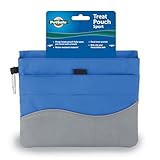
Use 'high-value' treats your dog doesn't get regularly: small pieces of chicken, cheese, hot dogs, or freeze-dried liver. Treats should be tiny (pea-sized) so you can give many without causing stomach upset. Wet treats work better in bath environment than dry kibble. For extreme cases, use your dog's absolute favorite food—whatever motivates them most. Keep treats nearby in waterproof container or treat pouch for easy access.
My dog is terrified of water—should I force them into the bath?
Never force a terrified dog into the bath—this creates worse fear and can damage your relationship. Forcing can lead to aggressive responses, learned helplessness, or severe anxiety. Instead, start training with the desensitization protocol even if it means weeks without a full bath. For necessary hygiene during training period, use waterless shampoos, grooming wipes, or professional groomer assistance. Building trust takes time but creates lasting positive results.
Can I train an older dog who has hated baths for years?
Yes—dogs can learn new associations at any age, though older dogs with ingrained fears may take longer. The same desensitization protocol works for senior dogs, just proceed more slowly and patiently. Older dogs may have physical considerations (arthritis, temperature sensitivity) that need accommodation. Sometimes older dogs respond faster because they're calmer and less reactive overall. Success stories with senior dogs are common—don't give up based on age alone.
What if my dog is fine until I try to wash their head or face?
Head sensitivity is extremely common—most dogs instinctively protect their face, ears, and eyes. Train head-touching separately: practice touching face with dry hands plus treats, then damp washcloth. Use a damp washcloth instead of running water for the face whenever possible. Protect eyes and ears: use tear-free shampoo and consider cotton balls in ears. Some dogs never love face washing—focus on tolerance rather than enjoyment for this area. Save the head for last when dog is most relaxed and use highest-value treats.