Deaf Dog Training Hand Signals: Complete Guide (2026)
Introduction: Communicating With Your Deaf Dog Through Hand Signals
If you've recently discovered your dog is deaf, take a deep breath—your journey together is going to be absolutely wonderful. Here's something that might surprise you: deaf dogs are every bit as intelligent, trainable, and capable of learning as hearing dogs. They simply need you to speak their language, which happens to be visual rather than verbal.
I've worked with dozens of deaf dogs over the years, from puppies born without hearing to senior dogs who've lost their hearing gradually. What strikes me most is how these dogs often become more attentive and focused than their hearing counterparts. Why? Because they're always watching you, waiting to see what you'll communicate next. This creates an incredible bond built on eye contact and mutual attention.
Hand Signals Are Actually Superior Communication
Here's the truth many dog owners don't realize: hand signals are clearer and more consistent than voice commands for all dogs. Think about it—your voice changes depending on your mood, stress level, or who else is in the room. You might say "sit" cheerfully in the morning and sharply in the evening. But a hand signal? It looks the same every single time.
This consistency is exactly what makes visual communication so powerful. When I train hearing dogs, I always teach hand signals alongside verbal cues because they're simply more reliable. Your deaf dog isn't at a disadvantage—they're just skipping straight to the most effective form of communication.
What You'll Learn in This Guide
Throughout this guide, I'll walk you through everything you need to build a complete visual vocabulary with your deaf dog:
- Essential hand signals for basic obedience commands like sit, stay, come, down, and leave it
- Training methods specifically designed for visual learners, including how to capture your dog's attention and reward proper responses
- Advanced signals for off-leash reliability and distance communication
- Troubleshooting tips for common challenges deaf dog owners face
Check Price on Amazon →
You'll also learn how to modify standard training techniques for deaf dogs and how to help family members and visitors communicate effectively with your pet.
Your Deaf Dog's Hidden Advantage
Many owners initially worry that their deaf dog will be harder to train or less responsive. The opposite is often true. Because deaf dogs rely entirely on visual information, they become masters at reading body language. They notice the slightest movements and changes in your posture. This heightened awareness makes them remarkably responsive once you've established your communication system.
I've seen deaf dogs excel in agility, obedience competitions, and even therapy work. The key isn't working around a limitation—it's recognizing that you're simply using a different, equally effective communication channel.
Ready to get started? Let's build a visual language that will let you and your deaf dog understand each other perfectly. Trust me—once you've mastered hand signals, you'll wonder why anyone relies solely on verbal commands.
Understanding Deaf Dog Communication and Learning Style
If you're new to training a deaf dog, here's the most important thing I want you to know: your dog isn't at a disadvantage. They're simply experiencing the world through a different sensory lens—and honestly, they're often more attentive than hearing dogs.
Deaf dogs develop heightened visual awareness that's remarkable to witness. Where a hearing dog might be distracted by sounds from another room, your deaf dog is laser-focused on visual information. They notice the slightest hand movement, the shift in your posture, even the change in your facial expression from across the yard. Many also become incredibly sensitive to vibrations—they'll feel your footsteps approaching or sense when you've entered the room.
This enhanced visual intelligence makes them natural candidates for hand signal training. In fact, I've trained deaf dogs who learned commands faster than their hearing counterparts because there's no confusion between similar-sounding words ("sit" and "stay" can sound awfully alike to a dog). A hand signal is unambiguous.
Getting Your Deaf Dog's Attention
Before any training can happen, you need a reliable way to get your dog's attention. This is your foundation—without it, the most beautiful hand signal in the world means nothing.
Effective attention-getting methods:
- The stomp approach: A firm stomp on the floor creates vibrations your dog can feel. This works brilliantly indoors or on wooden decks.
- Visual marker: Wave your hand in their line of sight, or use a flashlight to create a light pattern they associate with "look at me" (avoid shining it in their eyes).
- Gentle touch: A light tap on the shoulder or back—always from a visible angle so you don't startle them.
Never sneak up on a deaf dog from behind. Always approach within their visual field. When they startle easily, it's not stubbornness—they genuinely didn't know you were there.
The Foundation of Visual Communication
Consistency in hand signals isn't just important—it's everything. With verbal commands, dogs pick up on tone, inflection, and context clues. Deaf dogs have only the visual signal itself, so precision matters.
If your "sit" signal is a closed fist on Monday but an open palm on Wednesday, you're essentially speaking two different languages. Get your whole family together and practice the signals you'll use. Film yourselves if needed. Make sure everyone's movements are identical.
Your facial expressions and body language are also part of the conversation. Deaf dogs become experts at reading human emotion through visual cues. A smile tells them they're doing great. A furrowed brow communicates concern. Your posture—confident and upright versus hunched and uncertain—sends messages.
Check Price on Amazon →
Keep a cheerful, engaged expression during training. Think of it as adding "vocal tone" to your silent communication.
The beautiful truth? Deaf dogs aren't disabled. They're just different. They'll learn "sit," "stay," "come," and even complex tricks with the same enthusiasm and capability as any dog. They simply need you to meet them in their sensory world—and once you do, the bond you'll build through this visual language is something truly special.
Essential Hand Signals Every Deaf Dog Should Know
Training a deaf dog isn't harder than training a hearing dog—it just requires a visual vocabulary instead of verbal cues. The key is consistency: everyone in your household needs to use the exact same hand signals every time. Let's break down the essential signals that will form the foundation of your deaf dog's training.
Foundational Behavior Signals
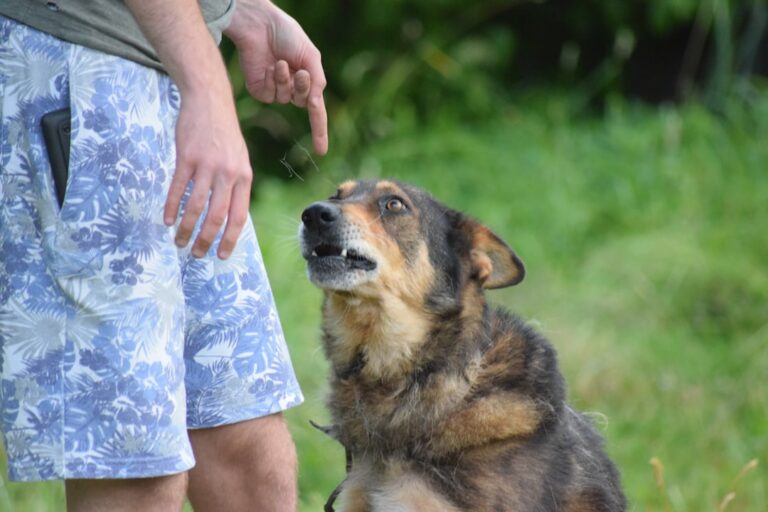
The Attention/Watch Me Signal is your most important tool. Before your dog can respond to any other command, they need to be looking at you. Use a simple signal like tapping your chest or temple with two fingers, or touching near your eyes. Practice this constantly throughout the day—reward your dog every single time they make eye contact with you. This signal becomes the gateway to all other communication.
Sit is typically taught with a flat palm moving upward from waist to chest level, or by pointing your index finger straight up toward the ceiling. The upward motion mimics the natural direction your dog's bottom moves when sitting. Start with a treat in your hand following the motion, then fade the treat once your dog understands.
Down uses the opposite motion—a flat palm facing down, moving from chest level toward the ground. Some trainers use a finger pointing downward. Think of it as showing your dog exactly where you want their body to go. This signal pairs beautifully with gravity, making it intuitive for most dogs to understand.
Check Price on Amazon →
Stay is the classic open palm held up facing your dog, just like a stop sign. Start at chest level and hold it steady. The stillness of your hand mirrors the stillness you're asking from your dog. Begin with just a second or two of duration before rewarding, then gradually increase the time and distance.
Come/Recall typically involves extending your arm out toward your dog, then sweeping it dramatically toward your chest, or using both arms in a welcoming gesture. Make this signal big and enthusiastic—you want it to be highly visible from a distance and associated with wonderful things happening.
Positive Markers and Corrections
Good/Yes needs to be a clear, distinct signal that means "that's exactly right!" Many trainers use an enthusiastic thumbs-up, a quick hand clap, or a double-fisted "yes!" gesture. Whatever you choose, make it celebratory—your facial expression and body language matter just as much as the signal itself.
No/Incorrect should be calm and neutral, not punitive. A simple finger wag side-to-side or a closed fist works well. Remember, this isn't about scolding—it's about communicating "try again" or "that's not quite it."
Release and Permission Signals
Release/Okay tells your dog "you're done, go ahead and move freely now." Use both hands opening outward from your chest like you're opening a book, or a single hand sweep to the side. This signal is crucial because it marks the end of commands like Stay or Down, giving your dog clear boundaries about when they're working and when they can relax.
The beauty of hand signals is their clarity—there's no mumbling or tone confusion. Be patient, be consistent, and celebrate every success!
Step-by-Step Training Process for Teaching Hand Signals
Teaching hand signals to your deaf dog is incredibly rewarding, but success depends on a systematic approach. Let's break down the process into manageable steps that build your dog's understanding and confidence.
Setting Up for Success
Before you begin any training session, create an environment where your dog can focus entirely on you. Choose a quiet room with minimal visual distractions—no other pets, people walking by, or toys scattered around. Lighting matters more than you might think; your dog needs to clearly see your hand movements, so train near a window during daytime or ensure bright, even lighting in the evening.
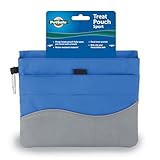
Keep a
Check Price on Amazon →
handy with high-value rewards—think small pieces of chicken, cheese, or hot dogs rather than regular kibble. Your deaf dog relies completely on visual feedback, so these rewards become your primary communication tool for saying “yes, that’s exactly what I wanted!”
Key timing principle: Sessions should last just 5-10 minutes, two to three times daily. Deaf dogs often concentrate more intensely on visual cues, which can be mentally exhausting. Short, successful sessions always beat long, frustrating ones.
The Luring and Fading Process
Start with the lure-and-reward technique, which creates a natural connection between your hand signal and the desired behavior. Here's how it works in practice:
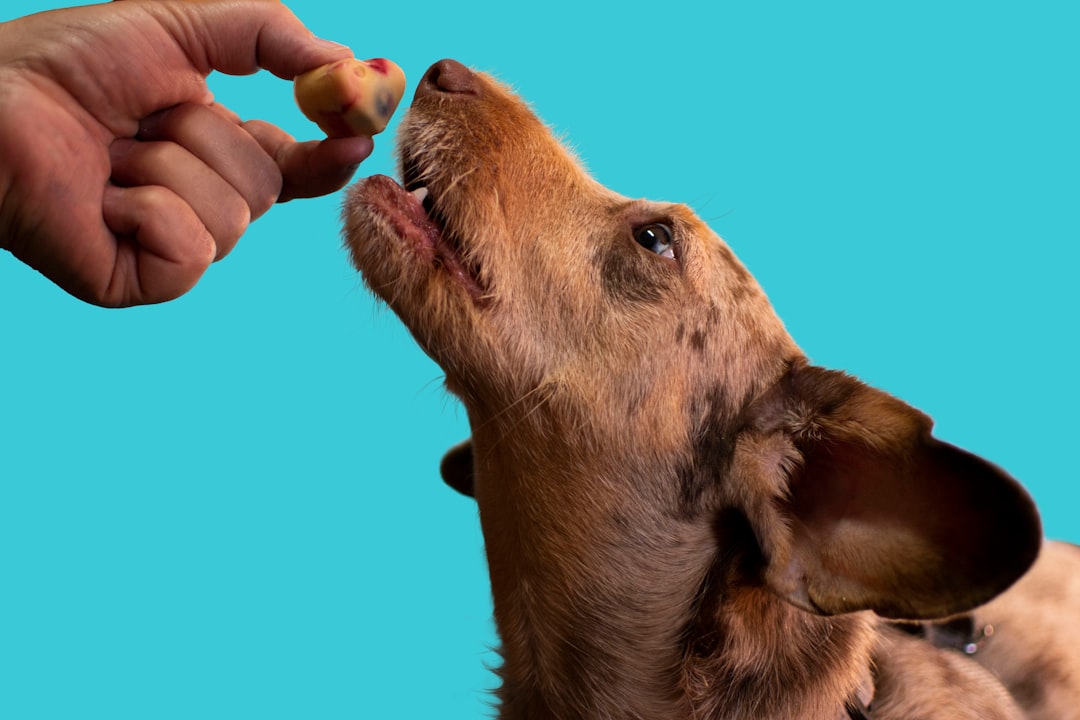
For a "sit" signal, hold a treat at your dog's nose, then move your hand upward and slightly back. As your dog's head follows the treat, their bottom naturally drops. The instant their rear touches the ground, deliver the treat and enthusiastic praise (big smile, thumbs up, or excited body language).
That precise moment—when the behavior happens—is critical. With deaf dogs, you can't use a verbal marker like "yes," so some trainers use a flashlight click or thumbs-up gesture as a bridge signal. This tells your dog exactly which action earned the reward.
After 5-10 successful repetitions over several sessions, begin fading the lure. Hold the treat in your opposite hand while making the same upward motion with your empty hand. Your dog will likely sit, anticipating the pattern. Immediately reward from your other hand. Gradually, your hand movement becomes the signal itself rather than following food.

Check Price on Amazon →
Proofing Behaviors in Different Environments
Once your dog reliably responds to a signal indoors, the real work begins. Dogs don't automatically generalize—a "sit" in your living room isn't the same as a "sit" at the park in their mind.
Progressive challenge ladder:
- Practice in different rooms of your house
- Move to your backyard or driveway
- Add mild distractions (a family member walking nearby)
- Increase distance gradually (one step back at a time)
- Train in new locations like quiet parking lots or friend's yards
Build duration by waiting an extra second before rewarding, then two seconds, then five. If your dog breaks position, you've pushed too fast—go back a step.
Keep a simple training journal noting which signals you practiced, success rate, and challenging situations. You'll spot patterns quickly: "Max struggles with 'down' when we're outside" tells you exactly where to focus next session. This written record keeps you consistent and helps you celebrate real progress rather than getting discouraged by temporary setbacks.
Advanced Hand Signals and Specialized Commands
Once your deaf dog has mastered the basics, it's time to expand their vocabulary with more nuanced signals that improve safety, control, and mental stimulation. These advanced commands require clearer differentiation between similar concepts and more precise timing on your part.
Distance and Duration Commands
Wait vs. Stay may seem similar, but they serve different purposes. "Stay" means don't move until I release you—period. Use a flat palm facing your dog, held steady at chest height. "Wait," on the other hand, means pause briefly, then proceed. I teach this with a quick palm flash (up and down in one second) at waist height. The key difference? Stay requires a release signal before your dog moves; wait is a temporary pause before an anticipated action like going through a door or eating dinner.
The drop it/leave it signal can prevent emergencies. I use a sweeping motion—arm extended, hand moving away from my body in a "pushing away" gesture. Some trainers prefer pointing firmly away from the dog. Either works, but consistency matters more than which version you choose. Practice with low-value items first, always rewarding when your dog complies.
Heel or walk nicely benefits from a clear signal. Pat your leg repeatedly at thigh height, or hold your hand steady at your side where you want their head to be. I prefer the patting motion because it's visible in peripheral vision. Pair this with a
Check Price on Amazon →
at your side for quick reinforcement during walks.
Safety and Emergency Signals
Your emergency recall needs to be unmistakable from 50 feet away. Use both arms waving overhead in big, sweeping motions—think airport ground crew directing planes. Make yourself BIG. This should trigger an immediate, enthusiastic sprint back to you. Practice this signal exclusively with jackpot rewards (handful of treats, party celebration) so it never loses its power.
The touch/target signal is deceptively useful. Present your flat palm 6-12 inches from your dog's nose. When they touch it with their nose, reward immediately. This becomes a foundation for redirecting attention, moving your dog through space, and teaching position changes.
Go to bed/place gives your dog a safe spot during chaotic moments. Point decisively toward their

Check Price on Amazon →
with your full arm extended and index finger aimed. Hold the point until they move to the spot. This signal needs distance work—gradually increase how far away you stand while maintaining the expectation.
Enrichment and Trick Training
Mental exercise matters as much as physical, especially for deaf dogs who rely heavily on visual focus. Spin uses a circular finger motion overhead. Shake involves offering your open palm. Roll over starts with a circular hand motion moving from standing position to ground level.
Create custom household signals too. I've taught "go upstairs" (pointing up), "find your toy" (sweeping search gesture), and "gentle" (slow stroking motion in the air). Your imagination is the only limit. The cognitive work of learning new signals provides excellent enrichment and strengthens your communication bond.
Tools and Techniques for Effective Deaf Dog Training
Training a deaf dog requires creativity and the right toolkit. The good news? You likely already have many of these tools at home, and those you don't are simple to acquire.
Assistive Tools and Technology
Vibration collars deserve special mention—and clarification. I'm talking exclusively about vibration-only collars, never shock collars. These collars produce a gentle buzz similar to your phone's vibrate mode and work beautifully as attention-getters when your dog isn't looking at you. Start by pairing the vibration with a treat so your dog learns it means "look at me for something good." Use it sparingly outdoors when your dog is distracted, not as a primary communication method.
Flashlights and laser pointers become invaluable for distance work, especially at dusk or in low light. A quick flash can grab your dog's attention across a yard or dog park. I recommend keeping a small flashlight clipped to your
Check Price on Amazon →
for outdoor training sessions. One pattern that works well: flash twice to get attention, then give your recall hand signal when they look.
Don't overlook the power of vibrations you create yourself. Stomping on the floor (especially effective on wood or tile) sends vibrations your dog can feel. Many of my clients use this as their primary indoor attention-getter—it's free, always available, and surprisingly effective.
Visual Markers and Rewards
Since deaf dogs can't hear a clicker's "yes!" marker, we need visual alternatives. A thumbs-up signal works wonderfully as your marker—it's distinct, visible from a distance, and easy for everyone to replicate. Flash it the instant your dog does something right, then immediately deliver the reward.
Your facial expressions and body language become amplified communication channels with a deaf dog. Think theatrical: huge smiles, wide eyes, enthusiastic jumping, and animated movements communicate your joy better than any verbal praise. Your dog reads your body constantly, so use it!
Reward variety matters tremendously. Rotate between high-value treats, favorite toys, access to the yard, greeting another dog, or sniffing that interesting tree. This variety keeps your dog engaged and prevents training from becoming predictable.
Ensuring Household Consistency
Here's where many families struggle: everyone must use identical hand signals. A recall that looks like a wave to you might look like a sit signal to your partner.
Video yourself training. Seriously—pull out your phone and record a training session. You'll catch inconsistencies you didn't know existed. Are you holding your hand at different heights? Switching which hand you use? These variations confuse your dog.
Create a family hand signal chart. Write down each command, take photos or draw stick figures showing the exact signal, and post it on the refrigerator. Schedule a brief family training session where you practice the signals together without the dog—yes, it feels silly, but it works.
Consider designating one person as the primary trainer initially. Once your dog reliably knows several signals, gradually introduce other family members. Each person should practice the same sequence of commands to build familiarity while maintaining consistency.
Remember: deaf dogs are incredibly observant. They'll learn faster than you expect once everyone speaks the same visual language.
Common Challenges and Troubleshooting Solutions
Training a deaf dog comes with unique hurdles, but every challenge has a practical solution. Here's how to tackle the most common issues you'll encounter.
Attention and Focus Issues
My dog won't look at me is the number one complaint I hear from deaf dog owners. Without sound to grab their attention, you need to become inherently interesting.
Start with engagement games that make eye contact rewarding. Try the "Look at That" game: Hold a treat between your eyes, mark the moment they make eye contact, then reward. Gradually increase the duration before rewarding. Another favorite is the "Find Me" game—hide somewhere in your home and wait for your dog to seek you out, celebrating enthusiastically when they do.
Make yourself unpredictable during walks. Change direction frequently, speed up, slow down, or stop suddenly. When your dog checks in with you, jackpot reward them. This teaches that keeping an eye on you pays off big time.
Inconsistent responses usually signal problems with your technique, not your dog's ability. Record yourself giving signals and check for these common mistakes:
- Are your hand signals crisp and distinct from each other?
- Do you hold the signal long enough (at least 2-3 seconds)?
- Is your timing consistent—reward within 1-2 seconds of compliance?
- Are you inadvertently giving body cues that confuse the signal?
If your dog performs a behavior 80% of the time at home but only 20% outside, you've moved too fast. Return to easier environments and rebuild gradually.
Signal Confusion and Inconsistency
Family members giving different signals sabotages training faster than anything else. Create a household signal chart with photos or videos of each command. Post it on the refrigerator. Everyone must use identical signals—even small variations will confuse your dog.
When your dog seems confused, resist the urge to keep repeating the signal or making it bigger. Instead, simplify. Break the behavior into smaller steps, increase your reward rate, and ensure you're training in a distraction-free environment. Sometimes "confused" actually means "overwhelmed."
Safety and Special Situations
Night training and low-light situations require creative solutions. Keep a
Check Price on Amazon →
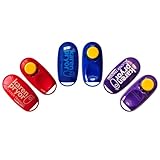
with high-value rewards and a headlamp near your door for evening bathroom breaks. Some trainers attach small
Check Price on Amazon →
lights to collars, though vibration collars work better for recall in darkness.
Off-leash safety is serious business. Never allow off-leash freedom in unfenced areas. Use a

Check Price on Amazon →
(30-50 feet) for practice, secured with a harness, not a collar. Scout fully enclosed dog parks during off-hours to practice recall without risk.
Managing startling is crucial for your dog's emotional wellbeing. Teach a wake-up protocol: Always approach within their line of sight, or gently stomp near them to create vibrations before touching. Never wake a deaf dog by sudden touch—it can create anxiety and defensive reactions.
Separation anxiety can be more pronounced in deaf dogs who rely heavily on visual connection with you. Build confidence through independent activities like puzzle toys and gradually increase separation time. Create a predictable routine so your dog anticipates your return.
Living Successfully With a Trained Deaf Dog
Once you've established solid hand signal communication with your deaf dog, the real joy begins—building a life together that celebrates their unique way of experiencing the world. With some thoughtful adjustments and consistent practice, you'll discover that living with a deaf dog is incredibly rewarding.
Daily Life and Safety Considerations
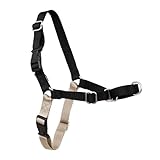
Safety comes first when you can't rely on verbal warnings. Your home and yard need to be escape-proof, because your dog can't hear you calling them back. Check fencing regularly for gaps and always use a secure
Check Price on Amazon →
attached to a standard leash—never a retractable one that might slip from your hands.
Your dog's ID tags should clearly state "DEAF DOG" along with your contact information. This simple addition can prevent tragedy if your dog gets lost and doesn't respond to well-meaning strangers calling them.
Maintain your training signals through daily practice, even for basic commands. I recommend incorporating 2-3 short training sessions into your routine—maybe one during morning feeding, another during playtime. This keeps signals sharp and strengthens your communication bond. Think of it like practicing a language; use it or lose it.
Wake-up protocol matters too. Never startle a sleeping deaf dog by touching them suddenly. Instead, stomp near them so they feel the vibration, or gently blow on their fur from a distance. Some owners flick the lights to get attention indoors.
Building Confidence and Social Skills
Deaf dogs can absolutely enjoy rich social lives with other dogs and people. The key is proper introductions and preparation.
When socializing with other dogs, choose calm, well-mannered playmates initially. Let the other owner know your dog is deaf so they understand why yours doesn't respond to warning growls or barks the same way. Watch body language extra carefully—your dog relies entirely on visual cues from other dogs, so they may miss some auditory warnings.
For human interactions, educate everyone who meets your dog. I tell people: "She's deaf, so approach from the front where she can see you, and let her come to you." This prevents scary surprise touches from behind. Consider a brightly colored vest or bandana that says "DEAF DOG" for walks in busy areas.
The Special Bond With Deaf Dogs
Here's what deaf dog owners consistently tell me: the visual connection they share is profoundly intimate. You'll find yourself making eye contact constantly, reading each other's body language with remarkable precision. Many owners say their deaf dogs are more attentive and focused than hearing dogs because they've learned to watch their person closely.
Your deaf dog isn't broken or limited—they're simply differently abled. When people express pity, educate them. Deaf dogs play, learn, love, and thrive just like hearing dogs. Some are even easier to train because they're not distracted by environmental sounds.
Connect with online deaf dog communities and training groups for ongoing support. These spaces offer troubleshooting help, celebration of milestones, and the camaraderie of people who understand your journey.
Celebrate every breakthrough, from mastering a new signal to confidently navigating new environments. You've built something remarkable together—a communication system based entirely on trust, attention, and mutual understanding. That's not a limitation; that's a superpower.
Frequently Asked Questions
At what age can I start training hand signals to my deaf puppy?
You can start as early as 8 weeks old when puppies naturally begin learning. Puppy attention spans are shorter, so keep sessions to 3-5 minutes. Focus on attention, sit, and come signals first. Use lots of play and positive reinforcement to build enthusiasm for training.
Can I train a deaf dog who is also blind or has limited vision?
Yes, but you'll rely on touch signals instead of visual hand signals. Gentle taps on different body parts can represent different commands. Scent trails and texture changes help with navigation. These dogs often develop extraordinary sensitivity to vibrations and air movement. Work with a specialized trainer experienced with dual sensory loss.
What's the best way to get my deaf dog's attention from a distance?
Use a vibration collar (set on low, as a tap not a correction) if dog is collar-conditioned. Wave your arms in large, dramatic movements within their line of sight. Use a flashlight or laser pointer to catch their eye, then give the recall signal. Stomp firmly on the ground – many deaf dogs feel these vibrations. Train a strong 'check-in' behavior where dog naturally looks back at you regularly.
How do I prevent my deaf dog from being startled when I approach?
Always approach within their line of sight, never from behind. Stomp gently on the floor so they feel your approach. Turn lights on and off as you enter a room. Teach a gentle wake-up touch (same spot every time, like shoulder). Create vibrations by tapping on their bed or the furniture they're near. Give them a treat immediately after waking so startling becomes associated with good things.
Should hand signals for deaf dogs be different from standard dog training signals?
Standard hand signals work perfectly fine – consistency matters more than which specific signal you choose. Many traditional obedience hand signals were designed to work without voice commands anyway. The key is making signals clear, distinct from each other, and easy to see at a distance. You can use ASL (American Sign Language), standard dog training signals, or create your own system. Whatever you choose, ensure all family members use exactly the same signals. Document your signals with photos or videos for reference.