Training an Abused Dog: A Complete Rehabilitation Guide
Introduction: The Journey of Healing with an Abused Dog
The moment a traumatized rescue dog finally rests their head on your lap for the first time—that's a feeling you never forget. Maybe it happens after three days, three weeks, or three months. But when it does, you'll know you've crossed an invisible threshold. Getting to that breakthrough moment, though, requires something many well-meaning owners don't expect: you need to forget almost everything you think you know about dog training.
I've worked with hundreds of abused dogs over my career, and here's what I've learned: these dogs aren't "bad" or "difficult." They're carrying invisible wounds that shape every interaction, every learning opportunity, every moment of their day. A hand reaching toward them might trigger memories of being hit. A raised voice could send them cowering. Even something as simple as a

Check Price on Amazon →
might represent confinement and fear rather than a safe den.
Why Abused Dogs Require a Different Approach
Traditional training focuses on teaching behaviors—sit, stay, come. But with a traumatized dog, those commands are meaningless if they're too terrified to think straight. Their nervous system is stuck in survival mode. The learning part of their brain literally shuts down when they're stressed.
I once worked with a German Shepherd named Max who would panic at the sight of any training equipment. His previous owner had used punishment-based methods that left him fearful of anything associated with "lessons." We couldn't even think about obedience until we'd spent weeks just helping Max understand that humans could be safe.
What This Guide Will Teach You
This isn't a typical training manual because healing an abused dog isn't a typical training challenge. You're not just teaching behaviors—you're rebuilding a shattered sense of safety, reconstructing trust from the ground up, and helping a traumatized animal learn that the world can be predictable and kind.
Throughout this guide, you'll discover:
- How to read subtle stress signals before your dog melts down
- The essential "safe space" protocols that form the foundation of all future training
- Why patience isn't just a virtue—it's your most powerful training tool
- Specific techniques for building trust without overwhelming your dog
- When and how to introduce basic training concepts
- How to celebrate small victories that others might overlook
The Promise and the Reality
Here's what I can promise you: with the right approach, abused dogs absolutely can become confident, loving companions. I've seen dogs who trembled at human touch learn to snuggle on the couch. I've watched fearful dogs transform into therapy animals who comfort others.
But I also need to be honest: this journey takes time. You might see progress in days, or you might be building trust for months. Some behaviors may improve quickly while others linger stubbornly. Every dog's timeline is different, shaped by their history, their personality, and the severity of their trauma.
What matters most is that you're here, ready to do this work. That alone tells me your dog has already won the lottery—they've found someone willing to meet them where they are and walk beside them toward healing.
Understanding Trauma and Its Impact on Canine Behavior
When you bring home a dog with an abuse history, you're not just dealing with "bad behavior"—you're working with a nervous system that's been fundamentally altered by chronic stress and fear. Understanding what's happening inside your dog's brain is the first step toward helping them heal.
The Neuroscience of Canine PTSD
Past abuse literally rewires a dog's brain. Prolonged stress floods their system with cortisol, shrinking the hippocampus (the memory center) while enlarging the amygdala (the fear center). This means traumatized dogs become hyperaware of potential threats while struggling to remember positive experiences or learn new, safe associations.
Think of it like a smoke alarm that's been set to maximum sensitivity. A dog with trauma history doesn't just respond to actual danger—their brain perceives danger everywhere. A raised hand might trigger the same neurological response as an actual strike, even if you're just reaching for a light switch.
Signs Your Dog May Have an Abuse History
Trauma manifests differently in every dog, but common responses include:
Hypervigilance: Constantly scanning the environment, unable to relax, startling at normal household sounds
Fear aggression: Lunging, snapping, or growling when cornered or approached suddenly—this is a defensive response, not dominance
Shutdown/avoidance: Hiding, refusing to make eye contact, becoming "frozen" or completely still when frightened
Hyperarousal: Inability to settle, pacing, excessive panting even when not hot or exercised
Here's the crucial distinction: triggers versus general anxiety. A trigger is a specific stimulus connected to past trauma (like men with beards, or the sound of a belt). General anxiety is a pervasive nervousness without clear cause. Identifying specific triggers helps you manage the environment while your dog builds confidence.
Why Punishment-Based Training Is Harmful
This is where many well-meaning owners make a critical mistake. Traditional "dominance" methods—leash corrections, alpha rolls, or yelling "no"—don't teach traumatized dogs anything except that you're unpredictable and scary too.
Here's why: fear-based behaviors come from survival instinct, not defiance. When a traumatized dog cowers or snaps, they're not being stubborn—they're genuinely terrified. Punishment only confirms their worldview that humans are dangerous.

Check Price on Amazon →
You need to recognize the difference between fear-based and confidence-based behaviors. A confident dog who sits before getting a treat is making a choice. A fearful dog who won't take treats from your hand isn't being picky—they're too stressed to eat. They're operating from their brainstem (survival mode), not their cortex (learning mode).
The realistic timeline: Healing trauma takes months to years, not weeks. The dogs you see "fixed" in one-hour TV episodes? That's editing, not reality. You might see small improvements in 2-3 months, significant progress in 6-12 months, and continued growth for 2+ years. Some dogs will always have triggers that require management.
Your traumatized dog can absolutely learn to trust again and live a happy life—but it requires patience, consistency, and a commitment to force-free methods that build safety rather than adding more fear.
Creating a Safe Foundation Before Training Begins
Before you even think about teaching "sit" or "stay," your rescued dog needs something far more fundamental: safety. Dogs with abuse histories arrive in our homes carrying invisible wounds, and rushing into training can actually set back their recovery. Your first job isn't trainer—it's sanctuary provider.
The Two-Week Shutdown Method
The two-week shutdown sounds counterintuitive to eager new dog owners, but it's transformative for traumatized dogs. This approach means minimal stimulation, no visitors, limited exploration, and zero training expectations. Your dog needs time to simply exist without demands.
During this period, maintain an absolutely predictable routine. Feed at the same times daily, take bathroom breaks on a consistent schedule, and keep interactions calm and brief. This predictability becomes your dog's anchor—when everything else feels uncertain, they can rely on knowing what happens next.
What the shutdown actually looks like:
- Short, quiet walks in low-traffic areas (5-10 minutes)
- Minimal interaction with strangers or other dogs
- A designated safe space that's always accessible
- No pushing for affection or engagement
- Allowing your dog to approach you, not vice versa
Environmental Management for Anxious Dogs
Your home environment either supports healing or creates additional stress. Start by identifying one room or area as your dog's decompression zone. This should be quiet, away from front doors and windows, with minimal foot traffic.
Check Price on Amazon →
If your dog is crate-trained or shows interest, a covered crate can become their den. Never force a previously abused dog into a crate—for some, confinement triggers trauma. Alternatively, set up a corner with a comfortable bed and use baby gates to create boundaries.
Stress-reducing environmental changes:
- Close curtains or blinds to reduce external stimuli
- Use white noise machines to muffle sudden sounds
- Remove clutter that creates visual chaos
- Ensure escape routes—never corner an anxious dog
- Dim lighting during evening hours
Essential Supplies for a Trauma-Informed Home
Skip the mountain of toys and accessories. Traumatized dogs need simplicity. Focus on items that provide comfort and mental enrichment without overwhelming them.

Check Price on Amazon →
Lick mats spread with plain pumpkin or low-sodium broth offer soothing, repetitive activity that lowers cortisol levels. They're perfect for dogs too anxious to chew or play traditionally.
Reading stress signals is non-negotiable. Learn to recognize whale eye (showing whites of eyes), lip licking, yawning, tucked tails, and frozen posture. When you see these signs, immediately reduce pressure. Back away, lower your voice, or simply give space.
When to call in professional help: If your dog shows aggression, severe panic responses, self-harm behaviors, or won't eat for more than 48 hours, contact a veterinary behaviorist. Some trauma requires medication-assisted behavior modification—this isn't failure, it's responsible ownership.
The foundation you build now determines everything that follows. Patience during these early weeks pays dividends for years to come.
Trust-Building Techniques That Come Before Commands
With an abused dog, traditional training must wait. Your first job isn't teaching "sit"—it's becoming a safe person in your dog's world. This foundation work takes patience, but it's absolutely essential.
Hand-feeding is one of your most powerful tools. Instead of putting food in a bowl, become the source of all good things. Sit quietly near your dog and toss treats toward them without making eye contact. Over days or weeks, gradually decrease the distance until they'll take food from your open palm. This creates a simple equation: your presence = good things happen.
The Power of Parallel Activities
Fearful dogs often feel overwhelmed by direct attention. Try parallel activities instead—reading a book while sitting on the floor, working on your laptop in the same room, or watching TV nearby. You're simply coexisting without demands. This teaches your dog that being near you is safe and pressure-free. Many dogs will eventually approach on their own terms when they realize you're not a threat.
High-value treats matter enormously here. Regular kibble won't cut it for serious counter-conditioning work. Think small pieces of real chicken, cheese, or freeze-dried liver—whatever makes your dog's eyes light up.

Check Price on Amazon →
Consent-Based Interaction Protocol
This approach gives your dog genuine choice. Before reaching to pet, extend your hand slowly and pause. If your dog moves toward your hand or stays relaxed, you can proceed with brief touch. If they lean away, freeze, or show tension, respect that "no" immediately. Always pet the chest or shoulder first—never reach over the head, which feels threatening.
The "two-second rule" works beautifully: pet for two seconds, then stop. If your dog wants more, they'll lean in or nuzzle your hand. This puts them in control and builds confidence.
Counter-Conditioning vs. Desensitization Explained
These terms get confused, but both matter for trauma recovery:
Desensitization means gradual exposure to triggers at low intensity. If your dog fears hands, you might start by keeping your hands in your pockets around them, then later letting your hands be visible but still.
Check Price on Amazon →
Counter-conditioning pairs the scary thing with something wonderful. While your dog sees your hand, they get chicken. The goal is changing the emotional response from "hands are dangerous" to "hands predict good things."
Use them together for best results. Work at your dog's pace—if you see stress signals (lip licking, yawning, turning away), you've pushed too far.
Building Food Motivation in Traumatized Dogs
Some abused dogs initially refuse treats from fear. Don't force it. Start by dropping treats on the floor and walking away. Use a
Check Price on Amazon →
with something irresistible like peanut butter, placing it across the room. As fear decreases, food motivation typically increases naturally.
Remember: every dog heals at their own pace. Some need weeks for this foundation work, others need months. The time you invest now prevents years of behavior problems later.
Positive Reinforcement Training Methods for Traumatized Dogs
When working with an abused dog, positive reinforcement isn't just the kindest approach—it's the only approach that builds genuine trust. These dogs have already learned that humans can be unpredictable and dangerous. Force-free training shows them a completely different reality: that people can be safe, predictable, and rewarding.
The golden rule here is simple: let your dog volunteer behaviors rather than demanding them. Instead of commanding "sit," wait for your dog to sit naturally, then immediately reward. This subtle shift gives your dog agency and control, which traumatized dogs desperately need. They're learning that good things happen when they make choices, not when they submit out of fear.
One of the most powerful techniques you can use is capturing calm. Many abused dogs live in a state of hypervigilance. When you catch your dog lying down peacefully, looking relaxed, or simply being still, quietly deliver a treat. Don't make a fuss—just reward the calm. Over days and weeks, you'll see more of these peaceful moments as your dog learns that relaxation itself is rewarding.
The 'Yes' Game and Building Food Motivation
Some traumatized dogs are too stressed to eat treats, which makes training challenging. The "Yes" Game solves this beautifully. Simply say "yes" in a cheerful tone and toss a small treat toward your dog—not at them, but a few feet away. Repeat every 10-30 seconds while your dog is calm.
This game accomplishes three things: it builds positive associations with your voice, creates distance (less pressure), and helps food-stressed dogs start accepting treats. Within a few days, most dogs perk up when they hear "yes," and food motivation begins to develop.
Check Price on Amazon →
Core Foundation Skills: Name, Look, and Touch
Start with these three essential skills, always keeping sessions to 2-3 minutes maximum:
Name recognition: Say your dog's name once. The instant they glance at you, mark it ("yes!") and reward. That's it. Don't repeat the name or add commands. You're building an automatic positive response to hearing their name.
Eye contact ("Look"): Wait for natural eye contact, mark and reward. As this becomes reliable, you can add the cue "look" just before you expect the glance. Never stare directly at a fearful dog—use soft eyes and glance toward them rather than boring into their gaze.
Touch (hand target): Present your open palm a few inches away. If your dog's nose moves toward it—even slightly—mark and reward. This becomes an invaluable tool for guiding your dog without force.
How to Time Rewards for Maximum Impact

Check Price on Amazon →
Timing is everything. Your marker word ("yes") or clicker sound must happen within one second of the desired behavior. The treat can come a moment later, but that marker captures the exact moment your dog did something right.
Watch your dog's body language obsessively. Ears forward? Tail relaxed? Continue. Whale eye, tucked tail, or freezing? End the session immediately with a freebie treat and try again later. Your dog's emotional state always trumps your training plan.
Celebrate ridiculously small wins. Eye contact for half a second? Victory. Taking a treat gently instead of snatching? Breakthrough. Abused dogs need hundreds of tiny successes to rewrite their story about humans, and every single one matters.
Addressing Fear-Based Behaviors and Reactivity
Fear-based behaviors in abused dogs look scary, but they're usually rooted in self-protection, not aggression. Understanding this difference changes everything about how you'll respond.
Fear aggression is defensive—your dog is trying to make something scary go away. The body language tells the story: ears back, weight shifted backward, whites of eyes showing. True aggression is offensive, with forward body posture and confident movement. Most rescued dogs showing teeth or lunging are actually terrified, not dominant or mean. They've learned that "offense is the best defense" because nothing else worked before.
Systematic Desensitization for Common Triggers
The golden rule: never force your dog past their comfort threshold. Threshold training means identifying the distance, intensity, or duration where your dog notices a trigger but remains calm enough to take treats and respond to cues.
For a dog reactive to men in hats, this might be 50 feet away. At 30 feet, they're over threshold—barking, lunging, unable to think. Your job is to stay at that 50-foot sweet spot, letting them observe while pairing the trigger with amazing things. Over weeks, that distance shrinks naturally.
The 'Look at That' (LAT) game transforms reactivity training. Instead of demanding your dog ignore triggers, you reward them for noticing: "Yes! You saw that dog! Good!" Then immediately mark and treat when they look back at you. You're teaching them that spotting scary things predicts rewards, not danger. This game rewires their emotional response from fear to curiosity.
Emergency U-Turn and Engage-Disengage Protocols
Real life isn't controlled. You'll round corners into triggers unexpectedly. Teach an emergency U-turn: the moment you spot trouble, cheerfully say "Let's go!" and rapid-fire drop high-value treats as you walk quickly in the opposite direction. Practice this in non-stressful situations first.

Check Price on Amazon →
For leash reactivity, distance is your best tool. Cross streets, duck behind cars, create space. Pair this with the engage-disengage protocol: reward your dog every time they look at a trigger then voluntarily look away. You're not asking them to look away—you're catching and reinforcing the moment they choose to.
Resource guarding from scarcity trauma requires a different approach. Never take things away—that confirms their fear. Instead, play the "trading game": approach with something better, trade up, then give the original item back. They learn that your approach means addition, not subtraction.
Touch sensitivity heals slowly. Start with your dog approaching you for touch, not the reverse. Reward them for choosing to lean in. Pair gentle handling with treats systematically—touch ear, treat, touch paw, treat. Keep sessions short.
When to Seek Professional Behavior Help
Here's the truth: not every dog needs to love strangers, and that's okay. If your dog is comfortable with your household and can exist peacefully in public spaces, that's success. Forced socialization causes regression.
However, seek a certified behavior consultant (IAABC or CCPDT) if your dog:
- Bites without warning signs
- Shows aggression escalating despite training
- Cannot relax even in safe spaces
- Guards resources aggressively toward family members
Check Price on Amazon →
Always create escape routes during training. Practice in areas where you can exit quickly. Your dog needs to know they're not trapped—that changes everything about their willingness to try.
Building Confidence Through Structured Activities
For dogs with abuse histories, confidence doesn't return overnight—it's rebuilt through small, positive experiences that show them the world can be safe and predictable. Structured activities give your dog a sense of purpose and control, two things that trauma often strips away.
Start with low-stress enrichment that doesn't demand much from your dog. Sniff walks are absolute gold here. Forget the traditional "heel" walk for now. Let your dog stop, smell, and process their environment at their own pace. These decompression walks aren't about exercise—they're about mental reset. A 15-minute sniff session can be more therapeutic than an hour of forced movement.
Food puzzles and slow feeders transform eating from a quick gulp into a calming activity. These help anxious dogs focus on something positive while building problem-solving skills. The beauty of

Check Price on Amazon →
options is that success is guaranteed—they always win the food eventually.

Check Price on Amazon →
Nose Work Activities You Can Do at Home
Scent work is remarkably therapeutic for traumatized dogs because it taps into their natural abilities and requires no pressure from you. Your dog can't fail at sniffing.
Start ridiculously easy:
- The Three-Cup Game: Place a treat under one of three cups while your dog watches, then let them find it
- Room Searches: Hide small treats around one room at nose level, then gradually increase difficulty
- Cardboard Box Bonanza: Fill a box with crumpled paper and scattered treats—many dogs find the rustling and shredding therapeutic
- Towel Rolls: Roll treats inside a towel and let them unroll it to access the goodies
The key is letting your dog work independently. Don't point, don't help, don't hover. Your job is to set up the game and get out of the way.
Teaching Your Dog to Play for the First Time
Many abused dogs never learned to play, or they've forgotten it's safe. This requires patience and zero pressure.
Start by simply leaving toys accessible without any expectation. Sit on the floor and gently move a toy—not toward your dog, just in your own space. If they show even a flicker of interest, toss a treat near the toy (not to them, near the toy). You're building a positive association.
Soft, crinkly toys often work better than balls initially. Some dogs respond to gentle tug games; others need months before they'll engage. Never force it. The moment play feels like a demand, you've lost the therapeutic value.
Trick training is confidence-building magic because participation is always voluntary. "Touch" (hand targeting), "spin," and "find it" are excellent starters. Each success tells your dog, "You made that happen." Keep sessions under five minutes—end while they still want more.
For dogs showing progress, basic agility foundations like walking over a low board or through a hula hoop build body awareness and trust. You're not training for competition; you're showing them they can navigate challenges successfully.
Remember: dog-dog interactions should wait until your dog demonstrates comfort in their environment. Forced socialization can shatter fragile confidence. When they're ready—and only then—arrange calm, controlled meetings with stable, gentle dogs. Quality over quantity, always.
Long-Term Management and Celebrating Progress
The journey with an abuse survivor isn't measured in weeks—it's measured in moments. That first time your dog's tail lifts in a tentative wag. The morning you catch them sleeping belly-up, fully relaxed. These milestones matter more than any training certificate ever could.
Creating a Progress Journal
Start documenting your dog's wins from day one. Write down when they voluntarily approach you, when they take a treat gently, when they play with a toy for the first time. On hard days—and there will be hard days—you'll flip back through these entries and realize how far you've actually come.
Your journal doesn't need fancy formatting. Note:
- New behaviors (positive and concerning)
- Triggers you've identified
- Successful counter-conditioning sessions
- Changes in body language and stress signals
- Environmental factors that helped or hindered progress
Three months in, when it feels like nothing's changing, you'll have concrete proof that your dog who once cowered in corners now greets you at the door.
Recognizing the Big Moments
Some transformations are quiet. The first time your dog sighs contentedly on their

Check Price on Amazon →
instead of staying rigid and alert—that’s huge. The first play bow, even if directed at a toy rather than another dog, signals returning confidence.
Watch for:
- Choosing to be near you (not just tolerating proximity)
- Initiating interaction or play
- Eating normally without checking their surroundings constantly
- The "soft eye" look that replaces hyper-vigilance
- Recovered curiosity about their environment
Here's the truth nobody tells you: Some fears may never fully disappear. A dog who was hit with a rolled newspaper might always flinch at sudden arm movements. That's okay. Recovery isn't about erasing the past—it's about building enough positive experiences that the past doesn't control the present.
When Setbacks Happen: Getting Back on Track
Life changes trigger regression. You move houses, your work schedule shifts, a new baby arrives—and suddenly your dog is hiding under the bed again. This is normal, not failure.
When setbacks occur:
- Return to basics without shame
- Reduce environmental stressors temporarily
- Reinforce your dog's safe spaces
- Reconnect with your support network
- Review your journal to remember what worked before
Building Your Village
You cannot do this alone. Connect with:
- A certified professional dog trainer (CPDT-KA or similar credentials)
- A veterinary behaviorist if severe anxiety or aggression is present
- Other adoptive owners of traumatized dogs
- Your regular veterinarian for health monitoring
These professionals help prevent you from shouldering everything yourself. Compassion fatigue is absolutely real. Caring for a traumatized dog is emotionally exhausting. Taking breaks, asking for help, and acknowledging your own limits makes you a better advocate for your dog, not a worse one.
The Beautiful Truth
Most abuse survivors reach a "new normal" where they're genuinely happy dogs. It might take six months. It might take two years. But one day you'll realize your dog hasn't had a panic response in weeks. They'll choose your lap over their hiding spot. They'll greet visitors with interest instead of terror.
That's when you'll know: they've made it. And so have you.
Frequently Asked Questions
How long does it take to train a dog that has been abused?
Initial trust-building typically takes 2-6 months of consistent, gentle interaction. Basic training foundation can begin after 4-8 weeks once trust is established. Full emotional recovery varies widely: 6 months to 2+ years depending on trauma severity. Some fear responses may persist long-term and require ongoing management. Focus on progress, not timelines—every dog heals at their own pace.
Can an abused dog ever fully recover and trust again?
Yes, most abused dogs can form deep, trusting bonds with patient owners. Recovery doesn't mean forgetting—some triggers may remain sensitive. Dogs are remarkably resilient when given safety, consistency, and positive experiences. The bond with a rescue often becomes exceptionally strong. Success depends on severity of abuse, duration, age at rescue, and quality of rehabilitation.
What training methods should I absolutely avoid with an abused dog?
Never use punishment, corrections, or aversive tools (shock collars, prong collars, choke chains). Avoid flooding (forcing exposure to fears without escape option). Don't use alpha rolls, dominance theory, or physical intimidation. Skip traditional 'obedience' approaches that demand compliance. Avoid trainers who dismiss fear or advocate 'toughing it out' approaches. Never corner or force interaction—always give your dog choice and control.
My abused rescue is aggressive—is this trainable or dangerous?
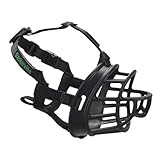
Fear-based aggression (from abuse) is different from predatory or true aggression. Most cases are defensive behaviors that improve dramatically with proper handling. Work with a certified veterinary behaviorist or CPDT-KA trainer experienced in fear cases. Management (preventing situations that trigger aggression) is crucial during rehabilitation. Medication from a vet behaviorist can help anxious dogs enough to engage in training. Muzzle training can provide safety while you work on underlying fear issues. With professional help, many 'aggressive' abused dogs become safe, loving companions.
What's the most important thing to remember when training an abused dog?
Trust and safety come before any training goals—emotional healing is the foundation. Your dog's fear responses are survival mechanisms, not defiance or stupidity. Progress isn't linear—expect good days and setbacks. You cannot love or treat the trauma away quickly; it requires time and consistency. Every small victory matters: celebrate the first time they take a treat, relax near you, or choose to approach. Your patience and compassion are the most powerful training tools you have.