How to Fade Treats in Dog Training: A Gradual Step-by-Step Guide
Introduction: Why Your Dog Still Needs Treats After Learning Commands
Picture this: Your dog has finally mastered "sit." You're thrilled—weeks of training have paid off! So you stop using treats altogether. Within days, your once-obedient pup is ignoring you, wandering off, or offering the world's slowest, most reluctant sit you've ever seen. Sound familiar?
This scenario plays out in living rooms across the country every single day. It's one of the most common—and most frustrating—training mistakes owners make. The problem isn't that your dog forgot the command or that you're a bad trainer. The problem is that treats were removed too abruptly, without a proper fading plan.
Treats Are Your Dog's Paycheck
Here's a question: Would you keep showing up to work if your employer suddenly stopped paying you? Maybe for a few days out of loyalty or habit, but eventually you'd find another job. Your dog operates on the same basic principle. Treats aren't bribery—they're compensation for a job well done.
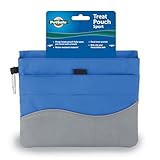
When your dog performs a behavior you've asked for, especially one that isn't inherently fun (sitting still while a squirrel runs by, coming away from an exciting smell, lying down when they want to play), they're making a choice to work with you. Reinforcement—particularly high-value treats stored in your
Check Price on Amazon →
—communicates that this choice pays off.
The key word here is gradual. Abruptly stopping treats is like going from a full-time salary to unpaid volunteer work overnight. But systematically fading treats? That's creating a sustainable, long-term relationship where your dog stays motivated and responsive.
Fading Without Creating Dependency
I know what you're thinking: "But I don't want a dog who only listens when I have cookies!" Good news—you won't have one, if you fade treats properly. The goal isn't to use treats forever at the same frequency. It's to strategically reduce them while maintaining the behaviors you've worked so hard to build.
Proper treat fading actually strengthens behavior. When done correctly, it makes your dog's response more reliable in real-world situations, not less. Your dog learns to work for variable reinforcement (sometimes treats, sometimes praise, sometimes life rewards), which is actually more powerful than constant, predictable payment.
What You'll Learn in This Guide
This article will walk you through a systematic, science-based approach to reducing treat frequency without sacrificing obedience. You'll discover:
- When to start fading treats (hint: probably later than you think)
- How to use variable reinforcement schedules that build stronger behaviors
- What to replace treats with so your dog stays motivated
- Troubleshooting common problems when behaviors start to deteriorate
By the end, you'll have a clear roadmap for maintaining your dog's responsiveness while gradually reducing—but not eliminating—food rewards. Your dog will be just as obedient, and you'll finally have that reliable companion you've been working toward.
Understanding the Science Behind Treat Fading
Before you start reducing treats in your training sessions, let's talk about what's actually happening in your dog's brain when they learn a new behavior. Understanding this science will help you avoid the most common mistakes that cause previously learned commands to fall apart.
When your dog performs a behavior and receives a treat, their brain releases dopamine—the "feel good" chemical that creates a positive association. This isn't bribery; it's learning through positive reinforcement. Your dog's brain essentially logs: "Sitting when asked = good things happen." Repeat this enough times, and the neural pathway strengthens, making the behavior more automatic.
Here's the crucial part: once your dog reliably performs a behavior, switching to variable reinforcement actually makes it stronger and more permanent. Think of slot machines—they're addictive precisely because the reward is unpredictable. Your dog will work harder and more consistently when they don't know if this repetition will earn a treat or not.
The Difference Between Bribery and Rewards
I see owners confuse these constantly. Bribery means showing the treat first to get compliance—you're essentially negotiating each time. Rewards come after the behavior, making them true reinforcement. If your dog only responds when they see food in your hand, you've accidentally created a bribery situation. A
Check Price on Amazon →
can help here by keeping treats hidden but accessible.
Check Price on Amazon →
The biggest mistake? Removing treats too quickly. I've worked with countless frustrated owners whose dogs "knew" a command perfectly at home but wouldn't respond at the park. The issue wasn't defiance—they simply hadn't reached the learning stage where the behavior was truly reliable without reinforcement.
The Four Stages of Learning Every Dog Goes Through
Your dog progresses through distinct learning phases:
- Acquisition – Learning what the behavior means (heavy treat reinforcement needed)
- Fluency – Performing it quickly and reliably in familiar settings (begin varying treat frequency)
- Generalization – Doing it anywhere, with distractions (return to frequent treats in new contexts)
- Maintenance – The behavior is solid and habitual (minimal, random reinforcement)
Rushing stage 1 or 2 causes regression. A realistic timeline? Simple behaviors like "sit" might take 2-3 weeks to reach fluency. Complex chains like "stay while I leave the room" could take 2-3 months.
Why Some Dogs Need Treats Longer Than Others
Not all dogs are created equal when it comes to food motivation and learning speed. Anxious dogs need longer reinforcement periods because stress interferes with learning. Easily distracted breeds like hounds might need rewards for months before generalizing behaviors to exciting environments. Senior dogs learning new tricks simply process information more slowly.
Your timeline should match your individual dog—not what some training video promises. The goal isn't to eliminate treats as fast as possible; it's to build behaviors so solid they don't need constant reinforcement. Patience here prevents having to completely retrain later.
When Your Dog Is Ready for Treat Fading (The Critical Signs)
Here's the truth: most people start fading treats way too early, then wonder why their dog's beautiful "sit" suddenly falls apart. The key to successful treat fading isn't about timing—it's about recognizing readiness. And readiness has specific, measurable signs.
The 80% Success Rate Rule is your golden standard. Your dog should respond correctly to a command at least 8 out of 10 times without hesitation. Not 5 out of 10. Not "pretty good most of the time." Eight out of ten, consistently. This isn't arbitrary—it's the threshold where a behavior becomes truly reliable rather than just familiar.
But here's where most trainers stop, and where you need to push further: your dog needs to hit that 80% mark across multiple environments and distraction levels. A dog who sits perfectly in your quiet living room but ignores you at the park hasn't actually learned "sit"—they've learned "sit in the living room."
Pay attention to how your dog responds, not just if they respond. A dog ready for treat fading responds with enthusiasm and confidence. Their ears perk up when you give the cue. They move quickly and deliberately. They're eager to perform, not just compliant. There's a huge difference between a dog thinking "I guess I should do this" and one thinking "Oh! I know this one!"
Warning Signs Your Dog Isn't Ready
Watch for these red flags that scream "slow down":
- Slow or delayed responses: That two-second pause before sitting? Not ready.
- Looking around or sniffing: Your dog is distracted because the behavior isn't solid enough to compete with the environment.
- Confusion or offering wrong behaviors: If your dog is cycling through tricks hoping one earns a treat, you haven't built clarity.
- Stress signals: Lip licking, yawning, or avoidance means your dog is struggling, not learning.
The concept of fluency is critical here. Fluency means your dog performs the behavior smoothly, quickly, and correctly without having to think about it. It's like the difference between a child sounding out words versus reading naturally. Until your dog has fluency, fading treats will only create frustration for both of you.
Check Price on Amazon →
Testing Readiness: The 3-Environment Challenge
Before you even think about reducing treats, run this test: Can your dog perform the behavior successfully in three distinctly different environments?
- Low distraction (your home, familiar room)
- Medium distraction (your yard, quiet street)
- High distraction (park with dogs nearby, busy sidewalk)
If your dog passes the 80% rule in all three settings, you're likely ready to start the fading process. If they falter in environments two or three, you need more practice—not less reinforcement.
Common Mistakes That Signal You're Moving Too Fast
The most obvious mistake? Your dog's performance drops. If you've started fading and your dog's success rate falls below 70%, you've moved too quickly. Back up immediately, reintroduce more frequent treats, and rebuild confidence.
Other telltale signs include your dog checking in less often during training sessions, approaching training with less enthusiasm, or requiring multiple cues to respond. These aren't motivational problems—they're communication problems telling you the reinforcement schedule changed before the foundation was solid.
The Variable Reinforcement Schedule: Your Fading Roadmap
Think of treat fading like weaning a baby off milk—you don't go cold turkey. You need a systematic plan that keeps your dog motivated while gradually reducing food rewards. The secret weapon? Variable reinforcement schedules, the same psychological principle that makes slot machines so addictive (but we're using it for good!).
The 5-Step Fading Schedule That Works
Step 1: Continuous Reinforcement (Week 1-2)
When teaching a new behavior, treat every single time your dog gets it right. This establishes a clear connection between the action and the reward. Your dog learns: "Sit = treat." Simple as that.
Step 2: Fixed Ratio 2:1 (Week 3-4)
Now reward every second correct response. This means your dog sits twice but only gets treated after the second sit. You're still predictable here, which keeps confidence high while introducing the concept that treats don't always follow immediately.
Step 3: Fixed Ratio 3:1 or 4:1 (Week 5-6)
Stretch it to every third or fourth response. Watch your dog carefully—if they seem confused or frustrated, you've moved too fast. Drop back a step.
Step 4: Variable Ratio Schedule (Week 7 onward)
Here's where the magic happens. Now you're unpredictable—sometimes you reward the first sit, sometimes the third, sometimes two in a row. Your dog never knows when the treat is coming, just that it will come eventually. This unpredictability creates the strongest, most persistent behaviors because your dog stays engaged, always hoping this might be the lucky rep.
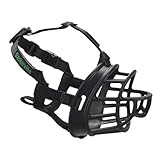
Check Price on Amazon →
A
Check Price on Amazon →
makes it easier to deliver rewards quickly during variable schedules, keeping your timing sharp.
Step 5: Life Rewards Replace Food (Ongoing)
Eventually, the treat becomes the occasional jackpot. The real rewards? Opening the door for a walk, throwing the ball, giving permission to sniff that fascinating tree. These "life rewards" maintain behaviors long-term.
How Long Each Stage Should Take (Realistic Timelines)
Here's the truth: there's no universal timeline. A food-motivated Lab might fly through these stages in 6-8 weeks. An independent Husky? Maybe 12-16 weeks. Three factors determine your pace:
- How well-established is the behavior? If your dog has been performing "sit" reliably for months, you can fade faster than with a newly-learned trick.
- Environmental difficulty: Fading treats for sits in your quiet living room? Relatively quick. Fading treats for recall at a busy dog park? Much slower.
- Your dog's drive and temperament: High-drive dogs often handle lean reinforcement schedules better than anxious or easily discouraged dogs.
Track your progress. Use a simple notebook or your phone's notes app. Record dates, which schedule you're on, and your dog's success rate. If performance drops below 80%, you've moved too fast—go back one step. This data keeps you honest and prevents frustration for both of you.
The goal isn't to eliminate rewards entirely—it's to make them unpredictable and valuable. Your dog should never think the treat gravy train has permanently left the station, just that the schedule is more… interesting.
Replacing Food Treats: Alternative Rewards That Motivate
The secret to successfully fading treats isn't just about removing food—it's about discovering what else your dog finds genuinely rewarding. Most dogs have a treasure trove of motivators beyond kibble, and learning to tap into these makes training more sustainable, cost-effective, and often more exciting for your dog.
Life rewards are your most powerful tool. These are the everyday things your dog wants access to: sniffing that fascinating spot on the walk, greeting another dog, going through the door to the backyard, or jumping on the couch. Start noticing what your dog naturally gravitates toward, then use those moments as rewards. Ask for a sit before opening the door, or a loose-leash walk before allowing sniff time. You're not being mean—you're teaching your dog that good behavior unlocks the good stuff in life.
The Premack Principle formalizes this concept: use a high-probability behavior (something your dog wants to do) to reinforce a low-probability behavior (something you want your dog to do). For example, if your dog is obsessed with chasing squirrels, a solid recall followed by releasing them to chase leaves becomes incredibly powerful. "Come when called" gets rewarded with "go sniff."
For high-drive dogs, play and toy rewards often outperform food. A quick game of tug, tossing a ball, or even just animated chase play can be worth more than a hundred treats. The key is keeping play sessions brief (5-15 seconds) so you can return to training while energy is still high.
How to Make Praise as Valuable as Treats
Verbal praise alone rarely motivates dogs initially—because we've conditioned them to expect food. To build praise value, pair it strategically:
- Use a unique praise phrase (like "yes!" or "good job!") that you only use for training success
- Pair praise with treats initially, saying your marker word right before delivering food
- Add genuine enthusiasm through your tone and body language—dogs read energy, not words
- Gradually increase the praise duration while decreasing treat frequency
- Occasionally jackpot with treats after praise alone to maintain its power
Physical affection works similarly. Some dogs adore chest scratches or butt pats, while others tolerate them at best. Pay attention to what makes your dog's eyes soften and their body relax.
Identifying Your Dog's Top 5 Non-Food Rewards
Spend a week observing your dog and list what they repeatedly choose or get excited about:
- Watch their choices: When off-leash in a safe area, where do they go? What do they do?
- Note emotional responses: What makes their tail wag fastest? What do they whine or pull toward?
- Test different rewards: Offer access to various activities and gauge enthusiasm
- Rank them honestly: Your dog's preferences matter more than what "should" motivate them
- Update regularly: Preferences change with age, season, and circumstances
Common non-food favorites include: car rides, swimming, other dogs, specific toys, certain textures to walk on, chasing shadows or light, digging spots, or even just your animated attention during training.
Once you know your dog's hierarchy, you can match reward value to task difficulty—saving the absolute best rewards for the hardest behaviors.
The Jackpot System: Keeping Your Dog Engaged Without Constant Treats
Think of jackpots as the lottery win of dog training—a surprise windfall that keeps your dog thinking "maybe THIS time will be amazing!" even when regular treats become less frequent. This psychological principle is what keeps the training magic alive long after you've reduced everyday food rewards.
What Makes a Jackpot Special
A jackpot isn't just one treat—it's an exceptional reward for exceptional performance. When your dog nails something difficult, responds instantly in a distracting environment, or shows a breakthrough moment, that's jackpot time. I'm talking about 5-10 treats rapid-fire, a
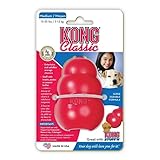
Check Price on Amazon →
stuffed with something amazing, or an impromptu 30-second play session with their favorite tug toy.
The key is contrast. If your dog gets the same reward every time, nothing feels special. But when most responses earn verbal praise or the occasional treat, and sometimes they hit the jackpot? That unpredictability creates powerful motivation.
Strategic Jackpot Timing
During the fading process, jackpots serve as insurance against your dog losing interest. Use them when:
- Your dog responds perfectly in a high-distraction situation (coming when called at the dog park instead of chasing that squirrel)
- You're increasing difficulty (first time holding a stay while you leave the room)
- You notice waning enthusiasm (responses are getting slower or less reliable)
- Celebrating milestones (first week of successful loose-leash walking)
I once worked with a Golden Retriever whose recall was deteriorating as we reduced treats. One strategic jackpot—when she came sprinting back from playing with other dogs—completely reversed the trend. She started checking in constantly, hoping to hit that jackpot again.
Creating Your Jackpot Menu
Different dogs value different things. Your jackpot options might include:
- Food jackpots: Multiple high-value treats delivered rapid-fire (freeze-dried liver, real chicken, cheese cubes)
- Toy jackpots: Suddenly producing their favorite toy for a quick game
- Life rewards: Immediate access to something they want (going outside, greeting a friend, sniffing that fascinating spot)
- Praise parties: Enthusiastic verbal celebration with petting and play
Check Price on Amazon →
The element of surprise matters enormously. When your dog never knows which response might trigger something amazing, they stay engaged. It's the same principle that makes slot machines addictive—variable, unpredictable rewards create stronger behavior patterns than predictable ones.
The Science of Random Big Rewards
Behaviorists call this a "variable ratio schedule," and it's the most resistant to extinction. Once your dog is on this system, they'll keep trying because the next attempt might be the big winner. This prevents the disappointment and shutdown that can happen when treats disappear too abruptly.
Balance is crucial, though. Jackpot roughly 10-20% of excellent responses once you're in the fading phase. Too many jackpots and they lose their power. Too few and your dog may give up. Watch your individual dog—they'll tell you if you need to jackpot more frequently to maintain enthusiasm.
Troubleshooting Common Fading Problems
Let's be honest—fading treats rarely goes perfectly smooth. Even experienced trainers hit bumps in the road. The good news? Most problems are fixable once you know what you're looking at.
When performance deteriorates after reducing treats, your dog is telling you something important: you moved too fast. Maybe Bella sat reliably 9 out of 10 times with treats, but now she's only doing it half the time on a variable schedule. This isn't stubbornness—it's confusion or demotivation.
Your first move is to increase your reward rate temporarily. Go back to treating more frequently (though not necessarily every time) and rebuild that reliable response. Think of it like scaffolding on a building—you don't remove support until the structure can stand alone.
Selective listening is that frustrating phase where your dog obeys when he feels like it. He knows the command—he's just doing a cost-benefit analysis. "Is coming when called worth it right now?" This often happens when you've switched to variable reinforcement but haven't built enough reward history yet.
The fix involves two parts: First, never give commands you can't enforce during this phase. If you call your dog and he ignores you, you've just taught him that commands are optional. Second, make compliance incredibly worthwhile with jackpots (multiple treats in rapid succession) when he does respond. You're rebuilding the "it's always worth it to listen" mindset.
Treat dependency—where your dog won't budge unless he sees the bribe—means you skipped a crucial step. Dogs should learn to respond first, then get rewarded. If you're showing the treat before getting behavior, you're not training, you're luring.
Break this pattern by keeping treats in a
Check Price on Amazon →
on your hip, not in your hand. Give the command, wait for compliance, *then* reach for the reward. Initially, you might need to be more patient, but don’t cave and show the treat first.
Frustrated or confused dogs during transition often show stress signals: yawning, looking away, moving slowly, or seeming distracted. This is different from defiance. A confused dog needs clarity, not consequences. Simplify the environment, reduce distractions, and temporarily increase your reward rate while using clearer body language and verbal cues.
Recovery Protocol: Getting Back on Track After Fading Too Fast
If you've pushed too hard and your training is falling apart, here's your reset:
- Acknowledge the setback without guilt—it happens to everyone
- Return to 100% reward rate for 3-5 sessions
- Reduce difficulty: practice in easier environments, closer distances, shorter durations
- Rebuild confidence with exercises your dog knows well
- Resume fading at half the speed you tried before
The key question: when do you go back versus pushing forward? If your dog succeeds less than 80% of the time over three sessions, go back. If it's just an off day, keep going but maybe slow your pace.
Different Commands, Different Timelines
Not all behaviors fade at the same rate. Life-saving commands like recall should stay heavily rewarded far longer than casual tricks. I keep emergency recall on at least a 50% reward rate indefinitely—my dog's safety is worth the treats.
Duration behaviors (stay, place, settle) need treats faded more slowly than quick actions like sit. Distance work requires more reinforcement than close-proximity commands. And high-distraction behaviors always need better rewards than living room training.
Match your fading speed to each command's difficulty and importance. Your dog's success rate will tell you if you're on track.
Maintaining Trained Behaviors Long-Term: The Lifetime Strategy
Here's a truth many trainers won't tell you upfront: you should never completely eliminate rewards from your dog's life. The goal isn't to create a robot who works for nothing—it's to build a dog who loves responding to you because good things still happen, just unpredictably.
Think of it like this: slot machines work because of variable reinforcement. You don't win every time, but the possibility keeps you pulling that lever. Your dog's brain responds the same way. When they sit on command and sometimes get that amazing treat, their brain stays engaged and hopeful. This "gambling effect" is actually more powerful than predictable rewards once a behavior is solid.
Creating a Maintenance Schedule That Works
I recommend monthly check-ins for fully trained behaviors. Set aside 10-15 minutes to run through your dog's repertoire with higher-value rewards than usual. This isn't just about practice—it's about rekindling that "training is awesome" feeling.
Check Price on Amazon →
During these sessions, randomly reward your dog's best responses. If their recall is lightning-fast? Jackpot moment. If their stay is rock-solid despite distractions? Party time. You're reminding them that excellence still pays.
When to temporarily increase rewards:
- Moving to a new home – familiar behaviors deserve extra reinforcement in unfamiliar spaces
- After illness or injury – rebuilding confidence requires generous rewards
- Introducing a new pet or family member – stress can erode training; boost your reward rate
- Holidays or houseguests – unusual chaos calls for extra support
I once worked with a dog whose perfect loose-leash walking fell apart after their family had a baby. We temporarily went back to treating every few steps for two weeks, and the behavior recovered beautifully. Don't see this as failure—it's strategic support.
Real-Life Success: What Fully Faded Training Looks Like
Fully faded training doesn't mean your dog never gets rewarded. It means your dog responds reliably while you reward occasionally and unpredictably.
In practice, this looks like:
- Your dog sits when asked, and maybe 1 in 7 times you happen to have a treat
- They come when called, and sometimes you throw them a piece of your lunch
- Their stay is solid, and every few weeks you celebrate with an epic treat
The beautiful part? Over time, obedience itself becomes self-rewarding. Your dog associates responding with good feelings, even without immediate treats. Your praise becomes powerful. The act of working with you satisfies their need for engagement.
But here's my warning: stay vigilant. Behaviors can deteriorate if you become completely inconsistent or stop celebrating your dog's responsiveness. I check in with my own dogs weekly, rewarding random behaviors to keep their enthusiasm high.
Monthly milestone practice: Pick one behavior each month to celebrate extra. Maybe March is "recall month" where exceptional recalls get jackpots. This keeps your training fresh and your dog guessing about when the next windfall might arrive.
The lifetime strategy isn't about ending rewards—it's about making them magical again through unpredictability and genuine celebration of your dog's brilliance.
Frequently Asked Questions
How long does it typically take to fade treats completely?
Basic commands: 3-6 months with consistent training. Complex behaviors or difficult dogs: 6-12 months or longer. Varies greatly by individual dog, handler consistency, and behavior difficulty. Important: never rush the process – regression takes longer to fix than proper fading.
Will my dog still obey if I stop using treats entirely?
Yes, if fading is done properly using variable reinforcement. Occasional treats should remain part of maintenance even after 'fading'. Other rewards (praise, play, life rewards) must become valuable substitutes. Commands become habitual when paired with consistent expectations and varied rewards.
My dog only listens when I have treats visible – what am I doing wrong?
This is bribery, not reward-based training – treats shouldn't be visible before the command. Solution: hide treats on your person, deliver only after completion. Practice 'dummy' sessions where you give commands without treats available at all. Rebuild value for praise and other rewards alongside food. May need to restart fading process with proper technique.
Should I fade treats at the same rate for all commands?
No – easier commands can be faded faster than difficult ones. Commands trained longer and performed more consistently fade quicker. High-distraction behaviors (recall, leave it) may need treats longer. Each command moves through fading stages independently based on performance.
Can I use lower-value treats as I fade instead of removing treats completely?
Yes – this is an excellent intermediate strategy during fading. Transition from high-value (chicken, cheese) to medium-value (kibble, biscuits). Combine with variable scheduling: sometimes high-value, often lower-value, occasionally nothing but praise. Lower-value treats still maintain the reward pattern while reducing food dependency. Eventually phase to occasional high-value surprises for maintenance.