Dog Aggressive During Grooming? Muzzle Training Guide
Introduction: When Grooming Becomes a Battle
If your dog snaps, lunges, or tries to bite during bath time or nail trims, you're not alone—and you're facing a genuinely dangerous situation. I've seen too many owners with puncture wounds on their hands, groomers refusing service, and dogs becoming increasingly fearful with each grooming attempt. This cycle of stress and aggression doesn't just make grooming impossible; it damages the trust between you and your dog.
Here's the reality: forcing an aggressive dog through grooming without proper preparation is unsafe for everyone involved. You might get through it once or twice with sheer determination, but you're teaching your dog that grooming means fighting for survival. Each traumatic experience makes the next one worse.
Muzzles Aren't Punishment—They're Protection
Let's address the elephant in the room. Many dog owners feel guilty or embarrassed about using a muzzle. I get it—there's an outdated stigma that muzzles are only for "bad dogs" or harsh training methods. But here's what a muzzle actually is: a safety tool that allows you to help your dog without anyone getting hurt.
Think of it this way: a properly trained muzzle lets your dog communicate discomfort through body language instead of teeth. It removes the option to bite, which paradoxically often helps anxious dogs relax because they're not constantly in fight-or-flight mode. When your dog realizes the muzzle means "we're doing this, but you're safe," grooming stops being a battle.
Check Price on Amazon →
The Transformation Is Real
I've guided hundreds of owners through this process. Dogs that once drew blood during nail trims now stand calmly with a muzzle on, accepting handling they previously found intolerable. The secret isn't magic—it's systematic preparation that builds positive associations.
Proper muzzle training for grooming scenarios doesn't happen overnight, but it follows a clear progression: first, your dog learns that the muzzle predicts amazing things. Then, you gradually introduce grooming activities while your dog is comfortable and protected. Finally, grooming becomes just another activity your dog tolerates or even accepts willingly.
What You'll Learn
This guide walks you through the complete process specifically designed for grooming-aggressive dogs:
- Step-by-step muzzle conditioning using positive reinforcement (not forcing the muzzle on)
- How to pair muzzle training with grooming desensitization so your dog builds positive associations
- Practical techniques for introducing clippers, water, and restraint while muzzled
- Safety protocols to protect yourself and read your dog's stress signals
- Troubleshooting common setbacks like muzzle fear or regression
Whether you're dealing with a dog who's always hated grooming or one who developed aggression after a bad experience, these techniques work. The goal isn't just to survive grooming—it's to create a dog who accepts necessary care without trauma.
Let's get started with the foundation: understanding why your dog is aggressive during grooming in the first place.
Understanding Why Dogs Become Aggressive During Grooming
Grooming aggression rarely appears out of nowhere. Most dogs showing aggression during grooming sessions are actually communicating fear, pain, or overwhelming stress—they've just run out of polite ways to say "please stop."
The most common triggers I see in my practice involve physical restraint. When your dog can't escape an uncomfortable situation, their fight-or-flight response kicks in, and with flight off the table, fight becomes the only option. Nail trimming ranks high on the list because it combines restraint with pressure on sensitive paws. Ear cleaning follows closely, especially if your dog has had ear infections that made the process painful.
Previous negative experiences create lasting associations. If a groomer once nicked your dog's skin with clippers or pulled matted fur, your dog remembers. Even if you switch groomers, the sound of clippers alone can trigger a defensive response.
The sensory assault of grooming tools deserves special attention. High-frequency clippers vibrate against sensitive skin, dryers blast hot air and noise, and scissors flash near vulnerable areas like eyes and ears. For dogs already on edge, this creates sensory overload that pushes them past their coping threshold.
Fear vs. Aggression: Reading Your Dog's Body Language
Understanding what your dog is actually communicating makes all the difference. Fear-based aggression looks like:
- Whale eye (showing whites of eyes)
- Ears pinned back
- Tucked tail or tail between legs
- Lip licking, yawning, or turning head away
- Freezing before snapping
Pain-related aggression is more direct and immediate. Your dog might be perfectly fine until you touch a specific area—then they snap without much warning. This often indicates an underlying medical issue like arthritis, skin infections, or dental problems.
Resource guarding during grooming is less common but can happen with dogs who view their personal space as a valuable resource they must protect.
When Professional Help Is Necessary
Rule out medical issues first. Before assuming your dog has a behavior problem, schedule a vet visit. I've seen countless "aggressive" dogs whose behavior disappeared after treating ear infections, arthritis, or skin conditions. Your vet might recommend bloodwork for older dogs, since pain from conditions like hip dysplasia can manifest as grooming aggression.
You need professional help if your dog:
- Has bitten or attempted to bite during grooming
- Shows intense fear responses (trembling, drooling, eliminating)
- Has escalated from growling to snapping to biting over multiple sessions
- Cannot be safely groomed even with two handlers
Check Price on Amazon →
A veterinary behaviorist or certified professional dog trainer (CPDT-KA) can assess whether your dog needs medication for anxiety alongside behavior modification. Some dogs benefit from anti-anxiety medication during the desensitization process—this isn't giving up, it's helping your dog learn without being flooded by panic.
The good news? With proper muzzle training and systematic desensitization, most dogs can learn to tolerate—even relax during—grooming. But acknowledging the problem and understanding its roots is your essential first step.
Choosing the Right Muzzle for Grooming Sessions
Selecting the right muzzle is absolutely critical for successful grooming training. I've seen too many well-intentioned owners purchase the wrong type of muzzle, which not only defeats the training purpose but can actually create dangerous situations for their dogs.
Basket Muzzles vs. Soft Muzzles: Why It Matters
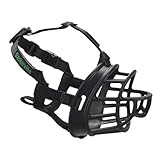
Let me be direct: basket muzzles are the only appropriate choice for grooming sessions. Soft or sleeve muzzles—those nylon tubes that wrap around your dog's snout—prevent panting, which means your dog cannot regulate their body temperature. During a grooming session, especially if clippers are involved or your dog is anxious, they need to pant freely.
Basket muzzles allow for:
- Full panting capability to prevent overheating
- Drinking water during longer grooming sessions
- Treat delivery for positive reinforcement training
- Natural breathing patterns that reduce panic
Sleeve muzzles are only appropriate for extremely brief procedures (under 5 minutes) at a veterinary clinic. Never use them for grooming training.
Key Features to Look For
When shopping for a grooming-appropriate basket muzzle, prioritize these features:
Treat access: The front opening should be large enough to push treats through easily. This is non-negotiable for training purposes. You'll be rewarding calm behavior constantly during desensitization work.
Proper sizing: The basket should extend at least one inch beyond your dog's nose when they're relaxed. Measure your dog's snout length from the eye line to the nose tip, then add that inch. Measure the circumference around the widest part of the snout (usually just below the eyes). Every brand sizes differently, so don't guess.
Secure strapping: Look for muzzles with both neck and head straps. A single strap around the neck can slip off. The head strap should sit behind the ears, not on them.
Visibility: Your groomer needs to see what they're doing. Avoid muzzles with excessive crossbars that obscure the face or make precision work difficult.
Check Price on Amazon →
Material Considerations
Plastic basket muzzles are lightweight and inexpensive, perfect for starting training. They work well for most dogs but can crack with heavy chewers.
Metal basket muzzles are incredibly durable but heavier. They're ideal for large, powerful dogs or serious biters. The weight can be uncomfortable during long sessions.
Rubber-coated wire muzzles offer the best of both worlds—durability with cushioned comfort. These are my top recommendation for dogs who'll wear muzzles regularly.
Special Sizing Situations
Brachycephalic breeds (Pugs, French Bulldogs, Boston Terriers) need specially designed short-snout muzzles. Standard baskets won't fit their facial structure properly. Brands like Bumas and JAFCO make breed-specific options.
Giant breeds require custom or semi-custom fitting. An ill-fitting muzzle on a 150-pound Mastiff creates safety issues for everyone involved.
Tiny dogs under 10 pounds have limited commercial options. You may need to try cat muzzles or work with a trainer to use alternative management strategies.
Recommended Muzzle Brands and Models
Based on extensive field experience, I consistently recommend Baskerville Ultra Muzzles for most dogs—they tick all the boxes and come in numerous sizes. The Jafco muzzles offer excellent customization options for precise fitting. For heavy-duty needs, Dean and Tyler wire basket muzzles are bulletproof. For brachycephalic breeds, the Short Snout Baskerville is specifically engineered for their anatomy.
Don't cheap out here. A $30-50 investment in a quality muzzle prevents bites, builds trust, and makes grooming possible for reactive dogs.
The Foundation: Basic Muzzle Training Protocol
The secret to successful muzzle training? Your dog should think the muzzle is the best thing ever. We're going to build such a positive association that your dog will eagerly shove their nose into it, tail wagging. This foundation work takes patience, but it's absolutely critical—rush it, and you'll end up with a dog who panics at the sight of the muzzle.
Week 1: Introduction and Voluntary Engagement
Start by placing the muzzle on the floor and letting your dog investigate it. Every time they glance at it, sniff it, or move toward it, mark the behavior with "yes!" and deliver a high-value treat. I'm talking chicken, cheese, hot dogs—whatever makes your dog lose their mind with joy.

Check Price on Amazon →
Now introduce the "nose target" method. Hold the muzzle with the opening facing your dog and a treat visible through the other end. Let them reach in to get the treat. Repeat this 10-15 times per session. Your dog is learning: "nose in muzzle = amazing things happen."
Critical mistakes to avoid:
- Forcing the muzzle onto your dog's face (this creates trauma that takes weeks to undo)
- Moving too fast because "they seem fine with it"
- Using boring treats—save the premium stuff for muzzle training
- Training when your dog is tired, stressed, or overstimulated
Progress indicator: Your dog should be enthusiastically shoving their nose into the muzzle opening without hesitation.
Week 2: Duration and Fastening
Once your dog is volunteering their nose, start adding duration. Hold a

Check Price on Amazon →
with peanut butter or wet food against the muzzle opening while they’re wearing it. Begin with 3-5 seconds, then gradually increase.
Around day 10-12, briefly touch the straps behind their ears while they're focused on licking. Don't fasten yet—just touch. Over several sessions, progress to holding the straps together, then doing a quick buckle and immediate unbuckle while they're eating something delicious.
Check Price on Amazon →
Common pitfall: Leaving the muzzle on "just a bit longer" because training is going well. Stick to your plan. It's better to do 20 successful 10-second sessions than one 30-second session where your dog starts pawing at the muzzle.
Week 3-4: Wearing While Moving and During Activities
Your dog should now tolerate wearing the fastened muzzle for 30-60 seconds while stationary. Time to add movement and distractions. Start in your boring living room—walk a few steps, deliver treats through the muzzle, remove it. Gradually increase to 2-3 minutes while doing normal activities.
Practice during positive experiences: before meals, before walks, during play sessions. The goal is for the muzzle to predict good things, not just grooming sessions.
Readiness checklist before grooming:
- Dog voluntarily puts nose in muzzle when you present it
- Wears muzzle comfortably for 5+ minutes during various activities
- Shows relaxed body language (soft eyes, normal breathing, loose posture)
- Accepts treats through the muzzle without stress
- Can focus on simple commands while wearing it
Training schedule: 5-10 minutes daily, never more. Short, positive sessions beat marathon training every time. Most dogs need 2-4 weeks minimum, but some require longer—and that's perfectly fine.
Combining Muzzle Training with Grooming Desensitization
Here's the critical mistake many dog owners make: they rush to muzzle their dog during grooming before teaching either skill properly. Think of it like asking someone to solve complex math problems while learning a new language—you're stacking challenges that should be taught separately first.
Your dog needs to be completely comfortable wearing the muzzle AND tolerant of grooming before you combine them. I typically recommend spending 2-3 weeks on muzzle conditioning alone, and running a parallel grooming desensitization program during that same period. Only when your dog shows relaxed body language with both should you bring them together.
Cooperative Care Basics for Grooming
Cooperative care flips traditional grooming on its head. Instead of restraining your dog and powering through, you're teaching them to actively participate and communicate when they need breaks. This approach is gold for aggressive dogs because it gives them control—and control reduces fear.
Start by teaching two foundation behaviors:
Chin rest: Your dog places their chin in your hand and keeps it there. This becomes their "I'm ready, you may proceed" signal. When they lift their chin, you immediately stop whatever you're doing. Practice this daily for 30-second intervals, rewarding heavily for voluntary chin placement.
Stand-stay: Your dog stands calmly on a non-slip surface while you touch different body parts. Build this gradually—first just standing, then light touches, then firmer handling. Use a
Check Price on Amazon →
smeared with peanut butter or wet food to keep your dog occupied during early stand-stay practice.
The beauty of these cues? Your dog learns they have an "escape button." Paradoxically, when dogs know they can stop the process, they're far more likely to cooperate.
Pairing the Muzzle with Mock Grooming Sessions
Once your dog happily wears their muzzle for 5+ minutes and accepts basic handling, you can start combining the skills. Keep these sessions ridiculously short—we're talking 30 seconds of actual grooming simulation initially.
Check Price on Amazon →
Here's your progression:
-
Week 1: Muzzle on, touch grooming tools to your dog's body (no activation). Brush handle touches leg, clippers (off) rest against coat. Treat and release.
-
Week 2: Introduce sounds at a distance. Turn on the across the room while your muzzled dog eats treats. Gradually decrease distance over multiple sessions.
-
Week 3: Brief tool contact while muzzled. One brush stroke. Two seconds of inactive clippers against the coat. Always end before your dog shows stress signals.
Watch for tension in your dog's body, whale eye, or attempts to back away. These tell you to slow down. Your goal is 90%+ success rate in every session—if your dog is struggling more than once or twice, you've progressed too quickly.
Counter-conditioning works because you're changing your dog's emotional response. That scary blow dryer sound predicts chicken appearing. The clipper vibration means hot dogs rain from the sky. Keep sessions under 3 minutes total. Five successful 2-minute sessions beat one stressful 10-minute session every single time.
Remember: building this foundation takes weeks, but you're creating a dog who can be safely groomed for their entire life. That's worth the investment.
Safety Protocols During Actual Grooming with a Muzzle
Once your dog is comfortable wearing a muzzle during practice sessions, you're ready to incorporate it into actual grooming. However, this isn't simply a matter of strapping on the
Check Price on Amazon →
and getting to work—you need careful safety protocols in place.
Start by setting up your environment properly. Choose a secure location where your dog can't bolt or injure themselves if they panic. Bathrooms work well for small dogs, while larger dogs might need a laundry room or enclosed patio. The surface should be non-slip—use a rubber mat or damp towel under your dog's feet to prevent sliding, which increases anxiety. Avoid grooming on elevated surfaces like tables unless you have professional restraint equipment, as a panicked dog can seriously injure themselves falling.
The two-person technique is your safest approach. One person acts as the handler, focusing entirely on your dog's emotional state and providing calm reassurance, while the other performs the grooming. The handler should stand at your dog's head, offering occasional high-value treats through the muzzle and watching for stress signals. This division of labor means grooming tasks get done faster, and your dog has someone dedicated to their comfort.
Even with a muzzle on, you must read your dog's stress signals. Watch for whale eye (showing the whites of their eyes), tucked tail, excessive panting, drooling, or attempts to back away. A muzzle prevents biting but doesn't reduce fear—it just removes one outlet for that fear. If you see these signals escalating, stop immediately and give your dog a break.
Working with Professional Groomers
Professional groomers need to know about your muzzle training progress upfront. Call ahead and explain that your dog requires a muzzle due to fear-based aggression during grooming. Ask if they're experienced with muzzled dogs—not all groomers are. Share what specific triggers your dog has (nail trimming, ear cleaning, etc.) and how long your dog can tolerate wearing the muzzle.
Some groomers prefer to use their own muzzles for liability reasons, which is fine if your dog has been generalized to different muzzle styles. Otherwise, bring your dog's familiar muzzle and demonstrate how comfortable they are wearing it.
At-Home Grooming Safety Checklist
Before each muzzled grooming session, run through this checklist:
- Time limit set: Plan for 5-15 minute sessions initially, based on your dog's previous tolerance levels
- Emergency release plan: Know exactly how to quickly remove the muzzle if your dog shows extreme distress (vomiting, difficulty breathing, complete panic)
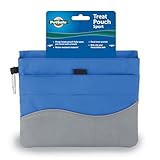
- High-value rewards ready: Have
Check Price on Amazon →
that can be delivered through the muzzle openings
– **All tools within reach**: Avoid leaving your dog muzzled while you search for clippers or brushes
– **Phone accessible**: In case you need to call for help
– **Break station prepared**: A calm area with water where your dog can decompress after
Remember: muzzled grooming time should gradually increase as your dog's confidence builds. If your dog tolerates 10 minutes comfortably one week, don't push for 30 minutes the next. Slow, steady progress prevents setbacks and builds long-term trust in the grooming process.
Troubleshooting Common Muzzle Training Challenges
Even with the best training plan, you'll likely hit some roadblocks when muzzle training a grooming-aggressive dog. Here's how to work through the most common issues without losing momentum.
Dog refuses to put nose in the muzzle: backing up training steps
If your dog suddenly won't approach or touch the muzzle, you've moved too fast. Drop back to whatever step your dog last performed confidently—even if that's just looking at the muzzle from across the room. Spend 2-3 sessions rebuilding confidence at that level before progressing. Try higher-value rewards like small pieces of chicken or cheese instead of regular training treats. Sometimes a change in environment helps too; if you've been training in the living room, try the backyard where your dog feels more relaxed.
Pawing at the muzzle: building duration too quickly
That immediate paw swipe at the muzzle means you're asking your dog to wear it for too long, too soon. Reset your duration to just 2-3 seconds and work up gradually. Use a
Check Price on Amazon →
smeared with peanut butter or wet food to keep your dog occupied during those early seconds. The key is removing the muzzle *before* the pawing starts—you want to end on a positive note every single time.
Increased anxiety when muzzle appears: addressing negative associations
If your dog starts showing stress signals (panting, pacing, attempting to leave) when you bring out the muzzle, something went wrong in the conditioning process. Put the muzzle away completely for 48 hours. When you reintroduce it, keep it visible in your training space without any pressure to interact. Toss treats near it randomly throughout the day. Your goal is to make the muzzle part of the furniture—boring and non-threatening—before asking for any engagement.
Aggression worsens with the muzzle on: frustration and barrier issues
Some dogs experience "barrier frustration" when muzzled, similar to leash reactivity. They feel restricted and actually become more aggressive. This requires careful desensitization where the muzzle predicts good things only—never grooming tools or restraint initially. Practice having your dog wear the muzzle during favorite activities like walks or training games, completely separate from grooming contexts for at least two weeks.
Check Price on Amazon →
Muzzle rubs or causes discomfort: fit and material adjustments
Red marks, hair loss, or your dog constantly trying to rub their face means fit issues. Check that you can fit two fingers between the muzzle and your dog's face. Basket-style muzzles generally work better for extended wear than sleeve muzzles. Consider padding the nose bridge with soft vet wrap if needed.
Maintaining training when progress plateaus
Hit a wall? It happens. Take a three-day break from active training but leave the muzzle out as a neutral object. When you resume, try switching up your rewards or training in a different location. Sometimes dogs just need processing time—progress often appears suddenly after these breaks.
When to Seek Professional Behavior Support
Call in a certified professional dog trainer (CPDT-KA) or veterinary behaviorist if your dog shows escalating aggression during training, refuses food rewards even for simple steps, or if you feel unsafe at any point. These are signs the issue runs deeper than basic muzzle aversion.
Adjusting Your Training Plan Based on Progress
Review your training log weekly. If you've been stuck on the same step for more than five sessions, something needs to change—whether that's higher-value rewards, shorter sessions, or a different muzzle style. Flexibility beats stubbornness every time.
Long-Term Management and Maintaining Progress
Getting your dog comfortable with a muzzle for grooming is an achievement worth celebrating—but the work doesn't stop once you've had one successful session. Like any training skill, muzzle acceptance requires ongoing maintenance to stay reliable.
Keep Skills Sharp Between Grooming Sessions
The biggest mistake I see owners make is only bringing out the muzzle when it's grooming time. This quickly teaches your dog that muzzle = stressful event, undoing all your careful conditioning work.
Instead, practice muzzle sessions 2-3 times per week, even when no grooming is planned. These sessions can be brief—just 5 minutes of your dog wearing the muzzle while you play a game, do some basic obedience training, or watch TV together. The goal is to make the muzzle a normal part of life, not a predictor of nail trims.
Check Price on Amazon →
Diversify the Association
Use the muzzle during activities your dog genuinely enjoys. Put it on before a walk around the neighborhood, during a backyard sniffing session, or while working with a

Check Price on Amazon →
. Some of my clients even feed meals through basket-style muzzles. This creates multiple positive associations and prevents the muzzle from becoming solely linked to grooming stress.
Reducing Treat Dependency
Once your dog reliably accepts the muzzle and tolerates grooming tasks, you can gradually reduce treat frequency—but do this slowly. Start by transitioning from continuous reinforcement (treat for every moment of compliance) to intermittent reinforcement (treats at random intervals).
For example, during a nail trimming session, you might give treats after every nail for the first paw, then every other nail for the second paw, and randomly for subsequent paws. Always end with a jackpot of treats to keep the experience positive.
Testing the Waters: Grooming Without the Muzzle
Some dogs will eventually tolerate grooming without muzzle support, while others won't—and both outcomes are okay. If you want to test whether your dog is ready, start with the easiest grooming task (often ear checks or paw inspections) during a calm moment.
Watch your dog's body language carefully. Soft eyes, loose body, and voluntary engagement mean you can continue. Whale eye, tension, lip licking, or attempts to escape mean you need more muzzle practice. Never push past warning signs—that's how bites happen.
Building Broader Confidence
Muzzle training is just one piece of the puzzle. Support your dog's overall confidence through regular desensitization to handling, teaching a cooperative "chin rest" cue for voluntary participation, and ensuring they get adequate physical and mental exercise to reduce baseline anxiety.
The Reality Check
Here's the truth: some dogs will always need muzzle support for grooming, and that's perfectly fine. Whether due to past trauma, genetic temperament, or ongoing anxiety, some dogs simply feel safer and more secure with this management tool in place. A muzzle isn't a failure—it's a safety device that allows your dog to receive necessary care without stress or risk to handlers.
The goal isn't necessarily to eliminate the muzzle, but to have a dog who accepts it calmly and can be groomed safely and humanely.
Frequently Asked Questions
How long does it take to muzzle train a dog for grooming?
Minimum 2-4 weeks of daily 5-10 minute sessions for basic muzzle acceptance. Additional 2-4 weeks to pair muzzle wearing with grooming activities. Highly fearful or aggressive dogs may need 2-3 months of gradual desensitization. Timeline depends on your dog's history, temperament, and consistency of training. Never rush the process as this can create lasting negative associations.
Can I use a muzzle on my dog without training them first?
Emergency situations only – untrained muzzle use adds significant stress. Forcing a muzzle on creates fear and can worsen aggression over time. Dogs can injure themselves trying to remove an unfamiliar muzzle. Proper training makes the muzzle a predictor of good things, not restraint. Even in urgent situations, take 5-10 minutes for basic positive introduction if possible.
What if my dog becomes more aggressive when wearing the muzzle?
This indicates frustration or barrier aggression – the muzzle was introduced too quickly. Return to earlier training steps with high-value rewards and no grooming. Ensure proper fit – discomfort can increase reactivity. Work on building positive associations in non-threatening contexts first. Consider consulting a certified behavior professional for individual guidance.
Is it cruel to muzzle train my dog for grooming?
Properly fitted basket muzzles are humane safety tools, not punishment devices. Muzzle training prevents injuries to handlers, groomers, and the dog themselves. It's far more humane than sedation, harsh restraint, or allowing repeated traumatic experiences. Allows dogs who would otherwise be refused grooming services to receive necessary care. When trained positively, many dogs show excitement when the muzzle appears.
Should I muzzle train even if I use professional groomers?
Yes – groomers greatly appreciate dogs already comfortable with muzzles. Reduces stress on both your dog and the grooming staff. Some groomers require muzzles for aggressive dogs or may refuse service otherwise. Enables you to practice gentle handling and maintenance grooming at home safely. Provides a safety backup for emergency grooming situations (injuries, matting, skunk spray).