Dog Scared of Vacuum? 7 Expert Tips to Help Your Pup Cope
Introduction: Why Your Dog Is Terrified of the Vacuum (And You're Not Alone)
Picture this: You pull the vacuum cleaner from the closet, and before you even plug it in, your dog is already halfway under the bed, trembling. Or maybe your pup goes into full defensive mode—barking furiously at this "intruder" while backing away. Sound familiar? You're definitely not alone.
Vacuum fear is consistently ranked among the top five most common phobias in dogs, right up there with thunderstorms and fireworks. I've worked with hundreds of dogs over the years who range from mildly nervous to absolutely terrified when that machine comes out. The good news? This is a completely solvable problem, and you don't need to resign yourself to a lifetime of hiding the vacuum or cleaning only when your dog is at daycare.
Why Vacuums Are Canine Public Enemy #1
From your dog's perspective, the vacuum cleaner is basically a loud, unpredictable monster that invades their territory. Think about what your dog experiences: a sudden roaring noise that's often louder than 70 decibels (that's lawnmower-level), erratic movement patterns that seem threatening, strange smells from the motor and whatever gets sucked up, and worst of all—this "creature" comes directly at them across the floor.
Dogs have hearing that's roughly four times more sensitive than ours, so what sounds merely annoying to you can be genuinely overwhelming to your pup. Add in the vibrations, the change in air pressure, and the fact that you're pushing this thing around in ways that might seem aggressive to a dog, and it's no wonder they're not fans.
There's a Path Forward
Here's what I want you to understand right from the start: your dog isn't being dramatic, stubborn, or difficult. They're experiencing genuine fear, and punishing or forcing them to "deal with it" will only make things worse. But with patience and the right desensitization techniques, most dogs can learn to at least tolerate the vacuum, and many become completely unbothered by it.
I've helped nervous rescues who'd bolt at the sight of any cleaning equipment learn to nap calmly in the next room during vacuuming sessions. I've worked with reactive dogs who barked themselves hoarse transform into curious observers. It takes time—usually several weeks to a few months depending on the severity—but it absolutely works.

Check Price on Amazon →
What You'll Learn
In this guide, we'll dig into exactly why your specific dog might fear the vacuum (because the reasons vary), walk through proven desensitization and counterconditioning protocols step-by-step, and cover practical management strategies for the real world. Whether you're dealing with mild anxiety or full-blown panic, you'll have a clear action plan by the end.
Let's help your dog make peace with the vacuum cleaner—or at least reach a comfortable truce.
Understanding Why Dogs Fear Vacuums: The Science Behind the Phobia
If your dog bolts from the room the moment you reach for the vacuum, you're not alone. Vacuum phobia is one of the most common fear responses in dogs, and it's rooted in genuine sensory and psychological triggers—not stubbornness or "bad behavior."
Sound Sensitivity: How Dogs Hear Differently
Dogs experience the world through entirely different ears than we do. While humans hear frequencies up to about 20,000 Hz, dogs can detect sounds up to 65,000 Hz. They also hear at roughly four times the distance we can.
What does this mean for your vacuum-phobic pup? That motor you find mildly annoying registers as painfully loud to your dog. The high-pitched whine of the vacuum motor, the rattling of debris in the canister, and even the ultrasonic frequencies the machine produces create an overwhelming sensory assault. Imagine someone blasting an air horn inches from your ear while you're trying to relax on your couch—that's closer to what your dog experiences.
Some breeds are particularly sensitive to sound. Herding breeds like Border Collies and Australian Shepherds, along with hounds and many sporting breeds, have been selectively bred for acute hearing. These dogs are genetically predisposed to startle at unexpected noises.
Movement and Predator Instincts
Beyond the noise, vacuums move in ways that trigger deep-seated survival instincts. They lumber forward unpredictably, change direction suddenly, and seem to "chase" anything that moves—including your dog. This erratic movement pattern can activate either prey drive (making the vacuum seem like something pursuing them) or a threat response (making it appear as a strange creature invading their territory).
The vacuum also violates normal "stranger" rules. It doesn't respond to warning barks, doesn't maintain respectful distance, and behaves unlike any living creature your dog has encountered. This unpredictability is deeply unsettling for animals that rely on pattern recognition to feel safe.
The Role of Early Socialization
The critical socialization window for puppies runs from approximately 3 to 14 weeks of age. During this period, positive exposure to everyday sights, sounds, and experiences literally shapes how a dog's brain processes potential threats for life.
Puppies who never encountered a running vacuum during this window often develop fear responses when first meeting one as adolescents or adults. Their brain flags the vacuum as "unknown and potentially dangerous" rather than "normal household object." This isn't anyone's fault—many breeders and early owners simply don't think to include vacuum exposure in their socialization checklist.
Previous negative experiences compound the problem. Perhaps the vacuum accidentally bumped into your dog, or someone pushed it toward them while they were already frightened. Even one scary encounter can create a lasting association.
Check Price on Amazon →
The good news? Understanding why your dog fears the vacuum is the first step toward helping them overcome it. With patience and the right approach, even severely vacuum-phobic dogs can learn to tolerate—or even ignore—cleaning day.
Signs Your Dog Is Scared of the Vacuum (Beyond the Obvious)
Most dog owners recognize the classic vacuum panic: their pup bolting from the room or barking frantically at the "monster." But fear in dogs isn't always so dramatic. Understanding the full spectrum of stress signals helps you intervene before mild discomfort escalates into a full-blown phobia.
Mild Fear Responses
The early warning signs are often easy to miss. Your dog might not flee the room, but watch for these subtle stress signals:
- Lip licking or nose licking when the vacuum isn't even on yet (just seeing it triggers stress)
- Yawning in a non-sleepy context—this is a calming signal dogs use when uncomfortable
- Whale eye—when you can see the whites of their eyes as they track the vacuum's movement
- Tucked tail or tail held lower than normal
- Ears pinned back against their head
- Pacing or inability to settle even in another room
Some dogs also display what I call "sticky behavior"—they suddenly become your shadow, following you everywhere or trying to stay between you and the vacuum. This is their way of seeking security.
Catching fear at this stage is crucial. A dog showing mild stress today can become the dog hiding under the bed for hours tomorrow if we ignore these signals.
Moderate to Severe Fear Responses
When fear intensifies, the signs become impossible to ignore:
- Running and hiding in closets, under beds, or behind furniture
- Trembling or shaking, sometimes for extended periods
- Excessive barking, whining, or howling
- Drooling or panting heavily
- Refusing treats or food (when a scared dog won't take their favorite treat, you know the fear is significant)
At the severe end, some dogs show aggressive responses—lunging at the vacuum, snapping, or even biting it. This isn't dominance or meanness; it's fear-driven defensive behavior. The dog feels so threatened they're trying to make the "danger" go away.
Loss of bladder or bowel control can also occur during extreme fear episodes. This involuntary response indicates your dog is beyond the threshold where they can control their behavior.
Check Price on Amazon →
When Fear Becomes a Phobia
There's an important distinction between fear and phobia. Fear is a normal response to something perceived as threatening. Anxiety is anticipatory worry about that threat. A phobia is an extreme, irrational fear that doesn't improve with repeated exposure and may actually worsen over time.
Your dog may have crossed into phobia territory if:
- They show intense fear reactions to vacuum-related triggers (seeing it in the closet, hearing similar sounds)
- The fear persists or worsens despite the vacuum being far away or off
- Behavioral changes linger long after exposure—remaining anxious, clingy, or hypervigilant for hours or even days
- They generalize the fear to similar objects (brooms, mops, fans)
Phobias require professional help. While you can work on mild to moderate vacuum fear at home, a certified dog behaviorist or veterinary behaviorist should guide treatment for phobic responses. Sometimes
Check Price on Amazon →
and environmental management help, but phobias often need a comprehensive behavior modification plan and occasionally anti-anxiety medication.
The good news? Recognizing these signs early means you can start desensitization training before fear becomes deeply ingrained. Your dog's emotional wellbeing is worth the effort.
Immediate Management: What to Do Right Now During Vacuuming
If your dog is already terrified of the vacuum, your first priority isn't training—it's preventing further trauma while you clean. Here's how to make vacuuming sessions less stressful for everyone involved.
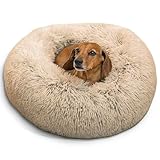
Setting Up a Safe Room
Before you even plug in the vacuum, create a comfortable retreat where your dog can feel secure. Choose the room farthest from where you'll be cleaning—ideally on a different floor if you have a multi-level home.
Set up this safe space with everything your dog loves:
- Their favorite bed or blanket with familiar scents
- Fresh water
- A recently worn item of your clothing (your scent is calming)
- Window access if your dog enjoys watching outside
Check Price on Amazon →
The key is distance. Sound diminishes significantly with physical barriers like walls and floors between your dog and the vacuum. A dog who panics in the next room might be perfectly calm two floors away.
Distraction Techniques That Work
Once your dog is settled in their safe space, give them something genuinely engaging to focus on. This isn't the time for their regular kibble—pull out the good stuff.
High-value distractions include:
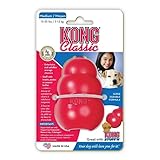
- A frozen
Check Price on Amazon →
stuffed with peanut butter and treats (this can occupy them for 20-30 minutes)
– A long-lasting chew they only get during vacuuming sessions
– A

Check Price on Amazon →
spread with plain yogurt or wet food
Turn on background noise to mask the vacuum sound. A TV show, classical music, or a white noise machine creates an audio buffer. Some dogs respond particularly well to reggae or soft rock—yes, really. There's actual research supporting this.
Pro tip: If possible, have another family member stay with your dog in the safe room, calmly going about their business. Your relaxed presence (reading, working on a laptop) signals that everything is normal.
What NOT to Do
Your instinct might be to comfort your frightened dog, but excessive coddling can actually reinforce fear. If you rush over saying "Oh, poor baby! It's okay, sweetie!" in a high-pitched, anxious voice, you're confirming that something is indeed wrong.
Avoid these common mistakes:
- Never force proximity. Don't bring the vacuum closer to "prove" it's safe, and don't prevent your dog from leaving the room
- Don't punish fear responses. Scolding a scared dog damages trust and increases anxiety
- Skip the dramatic reassurance. Instead of over-comforting, use calm, neutral energy like you would on any boring Tuesday
- Don't continue vacuuming if your dog is in panic mode (drooling, trying to escape, hiding and trembling). This level of fear can be traumatizing
Alternative cleaning approaches:
While you're working on desensitization, consider reducing how often you vacuum. Spot-clean with a handheld dustbuster while your dog is outside, use a broom for hard floors, or vacuum when your dog is at daycare or on a walk with a friend. A robotic vacuum running while you're both out can also maintain cleanliness without creating negative associations.
Check Price on Amazon →
Remember: management isn't weakness or avoidance—it's responsible dog ownership while you implement a proper training plan.
Desensitization Training: Step-by-Step Protocol to Overcome Vacuum Fear
Desensitization and counter-conditioning are the gold standard for helping dogs overcome vacuum fear. Here's how they work: desensitization means gradually exposing your dog to the scary thing at a level they can handle, while counter-conditioning creates new, positive associations by pairing the vacuum with something wonderful—usually treats.
The key principle? Always work below your dog's fear threshold. If your dog shows signs of stress, you've moved too fast.
Phase 1: Visual Desensitization
Start with the vacuum unplugged in a room where your dog feels comfortable. Place it against the wall and let your dog notice it from across the room. The moment they look at it calmly, mark that behavior with "yes!" and deliver a high-value treat. Don't lure them closer—let them approach at their own pace.
Check Price on Amazon →
Over several sessions (could be days or weeks), gradually move the vacuum to different locations. Once your dog shows zero concern about the stationary vacuum, progress to touching and moving it while it's off. Roll it a few inches, reward calm behavior. The vacuum becomes a predictor of good things, not a threat.
Phase 2: Sound Desensitization
This phase requires patience. Start by playing vacuum sounds through your phone or computer at the lowest possible volume while your dog is across the room doing something enjoyable—eating dinner or playing with a
Check Price on Amazon →
. If they remain relaxed, you’re at the right volume.
Over multiple sessions, gradually increase the volume by tiny increments. If your dog shows any stress signals (ears back, lip licking, freezing, or trying to leave), you've gone too far. Drop back to the previous level for a few more sessions.
Once recorded sounds are no longer concerning, turn on the actual vacuum in a closed room far away—ideally while a family member plays with your dog or feeds them special treats in another part of the house. Slowly, over weeks, decrease the distance between your dog and the running vacuum.
Phase 3: Movement Desensitization
Now combine sound and movement. With the vacuum running in the same room, keep it stationary first. Reward your dog heavily for remaining calm. Then make small movements—push it forward six inches, turn it off, reward.
Gradually increase movement duration and coverage area, always ensuring your dog stays relaxed. Some dogs need weeks at this stage; others progress faster. Your dog sets the pace, not your calendar.
Reading Your Dog's Threshold
Learn your dog's stress signals:
- Whale eye (showing whites of eyes)
- Ears pinned back
- Excessive panting or drooling
- Lip licking or yawning
- Attempting to leave the area
- Refusing treats they'd normally take
If you see these signs, you've crossed the threshold. End the session positively and start further away next time.
Training Session Guidelines
Keep sessions short—5 to 10 minutes maximum. End on a positive note before your dog shows stress. Train when your dog is slightly hungry so treats are more motivating. Space sessions throughout the week rather than marathon training.
Expected timeline: Mild cases may resolve in 3-4 weeks. Severe phobias can take 3-6 months. This isn't quick, but it's permanent when done correctly. Rush the process, and you'll likely reinforce the fear instead of eliminating it.
Counter-Conditioning: Building Positive Associations with the Vacuum
While desensitization helps your dog get used to the vacuum's presence, counter-conditioning takes things a step further by actually changing how your dog feels about it. Think of it this way: desensitization makes something less scary, but counter-conditioning makes it genuinely pleasant. Instead of your dog just tolerating the vacuum, we want them to think, "Hey, good things happen when that thing appears!"
The key difference? Desensitization is simply gradual exposure, while counter-conditioning pairs that exposure with something your dog absolutely loves. When done correctly, your dog starts anticipating rewards when they see or hear the vacuum, which overrides their fear response.
Choosing the Right Rewards
This is where you break out the really good stuff—the treats your dog would do backflips for. We're talking small pieces of chicken, cheese, hot dogs, or whatever makes your dog lose their mind with excitement. These ultra high-value rewards should only appear when the vacuum is involved. This creates a powerful association: vacuum = amazing things.
Check Price on Amazon →
Reserve these special treats exclusively for vacuum training sessions. If your dog gets chicken with their regular dinner, it won't have the same impact. The idea is that when your dog sees the vacuum, they immediately start drooling in anticipation of those incredible treats they can't get any other time.
Creating Positive Rituals
Dogs thrive on predictability, so establish consistent patterns around vacuuming. Here's a simple ritual that works well:
- Store a small container of special treats near where you keep the vacuum
- Before taking out the vacuum, show your dog the treat container
- Give them a treat just for seeing the vacuum in its storage spot
- As you move the vacuum, drop treats on the floor for your dog to find
- After vacuuming, have a short play session with their favorite toy
You can also feed regular meals near the stored vacuum (while it's off). Start with the food bowl several feet away, then gradually move it closer over several weeks. Your dog will begin associating the vacuum's presence with their daily meals—something they already love.
Games and Activities to Try
Make the vacuum part of fun activities when it's turned off. Toss treats around the stationary vacuum and let your dog play "find it." Practice basic commands like sit, down, or touch near the vacuum, rewarding generously. Some dogs enjoy playing tug or fetch when the vacuum is simply sitting in the room.
Check Price on Amazon →
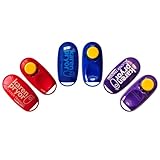
If you use clicker training, mark and reward any calm behavior around the vacuum. Did your dog glance at it without reacting? Click and treat. Did they walk past it casually? Click and treat. You're building a history of positive experiences.
Important: Get the whole family on board. Everyone needs to follow the same approach—no surprise vacuuming sessions or inconsistent reactions. If one person continues to vacuum while the dog panics, you'll undo all your progress. Consistency is everything when you're rewiring an emotional response.
Tools and Products That Can Help Reduce Vacuum Anxiety
Sometimes training alone isn't enough—the right tools can make a significant difference in helping your dog feel more comfortable around vacuums.
Vacuum Alternatives and Modifications
Consider a quieter vacuum model. Traditional uprights often clock in at 70-80 decibels (about as loud as a busy restaurant), while newer models operate at 60-65 decibels. That 10-15 decibel reduction can be meaningful for sensitive dogs. Look for vacuums specifically marketed as "quiet" or "low noise."
Robot vacuums offer unique advantages for anxious dogs. They're typically quieter (55-65 decibels), smaller, and move in predictable patterns. Many dogs who panic around traditional vacuums tolerate robots surprisingly well. The key is their consistency—dogs quickly learn the robot's schedule and behavior. Start by running it when your dog isn't home, then gradually introduce them following the desensitization process.
Calming Aids and Supplements
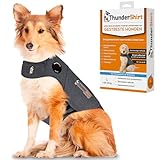
Pressure therapy works for many dogs. Products like Thundershirts apply gentle, constant pressure that can have a calming effect similar to swaddling a baby. Put the wrap on 15-20 minutes before you vacuum to give it time to work. Not every dog responds, but it's a safe, medication-free option worth trying.
Check Price on Amazon →
Natural supplements may take the edge off. L-theanine (an amino acid from green tea) promotes relaxation without drowsiness. Melatonin can help, especially if vacuum anxiety triggers generalized nervousness. CBD products are increasingly popular, though research is still limited—if you try CBD, choose veterinary-formulated products and start with low doses.
Adaptil diffusers and sprays release synthetic dog appeasing pheromones that mimic what nursing mother dogs produce. Plug a diffuser in the room where your dog typically retreats during vacuuming, or spray a bandana and tie it loosely around their neck before cleaning sessions.
Environmental modifications help too. White noise machines or calming music designed specifically for dogs (yes, it exists!) can mask vacuum sounds. Set these up in your dog's safe space before you start cleaning.
When Professional Help Is Needed
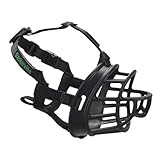
If your dog shows aggression—growling, lunging, or snapping—safety becomes paramount. A properly fitted basket muzzle allows panting and drinking while preventing bites. Muzzle training should be done gradually and positively, never as punishment.
Check Price on Amazon →
Consult your veterinarian if:
- Your dog's anxiety is severe or worsening despite training
- They show signs of panic (excessive drooling, attempts to escape, loss of bladder control)
- Anxiety affects their quality of life beyond just vacuum time
- You need guidance on supplements or medications
Anti-anxiety medication isn't defeat—it's often the kindest option for dogs with intense phobias. Medications like trazodone or gabapentin can be given situationally before vacuuming, while severe cases might benefit from daily SSRIs combined with behavior modification. Your vet can determine what's appropriate for your specific situation.
Remember: the goal isn't just getting through vacuuming—it's helping your dog feel genuinely safer in their home.
Prevention: Helping Puppies and New Dogs Accept Vacuums from the Start
The best cure is prevention. If you're starting with a puppy or bringing home a new dog, you have a golden opportunity to build positive associations with household equipment from day one—saving yourself months of remedial work later.
Puppy Socialization Protocol
Puppies have a critical socialization window between 3 and 14 weeks when they're neurologically primed to accept new experiences as normal. During this period, their brains are essentially asking "What's safe in my world?" rather than "What's dangerous?"
If you have a young puppy, start vacuum exposure immediately but thoughtfully:
Week 1-2: Background presence
- Leave the vacuum in common areas where your puppy plays
- Let them investigate it while it's off
- Drop treats near (not from) the vacuum randomly throughout the day
- Make it boring furniture, not a big deal
Week 2-4: Movement without sound
- Push the vacuum around slowly while a family member plays with or feeds the puppy
- Create distance—maybe 15 feet at first
- Keep sessions brief (2-3 minutes)
- Watch for any stress signals and maintain distance if needed
Week 4+: Gradual sound introduction
- Start in a different room with doors closed
- Run the vacuum for just 10-15 seconds while someone plays an engaging game with your puppy
- Gradually decrease distance over multiple sessions
- Never force proximity—let curiosity guide them closer
Check Price on Amazon →
Critical mistake to avoid: Don't comfort or pick up your puppy when they show fear. This accidentally rewards the fearful response. Instead, stay upbeat and create distance, then try again another day at an easier level.
Many quality breeders begin this process before puppies go home, exposing litters to vacuum sounds, hair dryers, and other household noises during meals. When interviewing breeders, ask about their noise socialization protocols—it's a sign of thoughtful practices.
Introducing Vacuums to Adult Rescue Dogs
Adult dogs haven't missed the boat—you'll just need more patience. Many rescue dogs have unknown histories, and some arrive already fearful of vacuums.
Start with the same basic protocol but expect slower progress:
- Spend more time at each distance level (days or weeks, not hours)
- Use higher-value rewards like chicken or cheese
- Consider beginning with just vacuum attachments or a
Check Price on Amazon →
with peanut butter placed across the room during brief vacuum sessions
– If your dog is generally sound-sensitive, work on building confidence with other household sounds first (dishwasher, blender, hairdryer) using the same gradual approach
Building Overall Confidence
Dogs who fear vacuums often have broader anxiety or sound sensitivity issues. Building general confidence helps tremendously:
- Teach fun tricks that give your dog a sense of control and accomplishment
- Provide regular novel experiences in low-stress environments (new walking routes, dog-friendly stores)
- Use confidence-building games like "find it" scavenger hunts
- Ensure your dog gets adequate mental and physical exercise
Remember: a confident, well-exercised dog handles stress better than an anxious, under-stimulated one. Prevention isn't just about vacuum exposure—it's about raising a resilient dog who can handle life's curveballs, whether that's a loud appliance or an unexpected thunderstorm.
Troubleshooting: When Progress Stalls or Fear Worsens
Even with the best training plan, you'll likely hit bumps along the way. Understanding why progress stalls—and what to do about it—can mean the difference between success and giving up too soon.
Recognizing Training Mistakes
Most training plateaus happen because we're moving too quickly. Your dog's body language tells you everything you need to know. If you see yawning, lip licking, tucked tails, or refusal to take treats during training sessions, you've pushed too far too fast. Back up several steps in your desensitization plan.
Other common mistakes include:
- Inconsistent training: Working on vacuum fear twice one week, then skipping three weeks completely
- Accidental reinforcement: Comforting your dog with pets and soothing words when they're showing fear (which can actually reward the fearful behavior)
- Duration errors: Keeping the vacuum visible or running for too long during early training stages
- Environmental chaos: Trying to train when kids are running around, other dogs are barking, or during your dog's tired time of day
If your dog regresses after making progress, don't panic. Setbacks are normal, especially after household changes, moving, or if someone accidentally ran the vacuum when your dog wasn't prepared. Simply return to an easier step where your dog felt confident and rebuild from there.
When to Call a Professional
Sometimes vacuum fear isn't just about vacuums. If your dog shows intense anxiety toward multiple objects (hair dryers, blenders, lawn mowers), you're likely dealing with generalized noise phobia or broader anxiety issues. This requires more comprehensive intervention.
Seek help from a certified professional (IAABC-certified consultant, CDBC, or veterinary behaviorist/DACVB) if:
- Your dog's fear is getting worse despite careful desensitization
- Panic responses are severe (destructive behavior, house soiling, escape attempts)
- Your dog shows anxiety in multiple areas of life
- You've been working consistently for 2-3 months without progress
- Your dog becomes aggressive when frightened
A veterinary behaviorist can also determine if anti-anxiety medication might help your dog be calm enough to learn during training sessions.
Check Price on Amazon →
Living with a Vacuum-Phobic Dog Long-Term
Here's an uncomfortable truth: some dogs will never be thrilled about vacuums. But "cure" isn't always the goal—management counts as success too.
Realistic progress might look like: Your dog goes to their safe space when you vacuum instead of having a meltdown. They can stay in the house (behind a closed door) rather than needing to be outside. They recover within minutes instead of staying stressed for hours.
Long-term management strategies include:
- Creating a positive "vacuum routine": Give a special
Check Price on Amazon →
stuffed with frozen treats, put on calming music, and let your dog settle in another room before you start
– Vacuum when your dog is out on walks or at daycare
– Invest in quieter vacuum models (seriously—this helps)
– Use cordless stick vacuums for quick clean-ups instead of full-house cleaning marathons
Remember, a dog who peacefully hangs out in the bedroom while you vacuum the living room is a training success story. Not every dog needs to sit calmly next to an operating vacuum—that's an advanced goal that simply isn't necessary for most households.
Frequently Asked Questions
How long does it take to train a dog to not be scared of vacuums?
Depends on severity: mild cases may improve in 2-4 weeks, moderate to severe cases typically take 2-6 months. Consistency is more important than speed – rushing causes setbacks. Some dogs may always need management rather than complete cure. Younger dogs and those with mild fear typically progress faster.
Should I comfort my dog when they're scared of the vacuum?
Old myth that comforting 'rewards fear' is incorrect – you cannot reinforce an emotion. Calm, neutral presence is best rather than over-the-top coddling. Better to prevent fear response by keeping dog below threshold. Focus on creating positive associations rather than just comforting during panic. Your own calm energy matters more than words.
Can I use a robot vacuum if my dog is scared of regular vacuums?
Robot vacuums can be better because they're quieter and more predictable. Still requires gradual introduction and desensitization protocol. Some dogs adapt more easily to robot vacuums, others generalize fear to all vacuums. Start with robot off and stationary, then progress slowly. Schedule robot to run when dog is on walks during initial period.
Why does my dog attack or bark at the vacuum instead of running away?
Fear aggression is a defensive response – dog feels threatened and fights back. Herding breeds may try to 'control' the moving vacuum instinctually. Indicates high stress levels and requires same desensitization approach. Never punish this behavior as it worsens fear and aggression. May need muzzle training for safety during desensitization. Consider professional behaviorist for aggressive responses.
Will my dog ever get completely over their vacuum fear?
Many dogs can learn to tolerate or ignore vacuums with proper training. Severely phobic dogs may always need some management. Realistic goal: dog remains calm in another room or shows mild concern rather than panic. Prevention (early socialization) is much easier than cure. Even partial improvement significantly reduces stress for dog and owner. Focus on progress rather than perfection.