How to Train High Energy Dogs to Calm Down Indoors
Introduction
You've just returned from a two-hour hike. Your arms ache from throwing the ball approximately four hundred times. Your high-energy dog should be exhausted, right? Instead, they're zooming around your living room, knocking over the coffee table, and treating your couch as a launching pad. You collapse on the sofa, utterly spent, while your dog acts like they've just woken from a nap.
If this sounds painfully familiar, you're not alone—and more importantly, you're not doing anything wrong.
The Exercise Paradox
Here's the misconception that traps most owners of high-energy breeds: "A tired dog is a good dog." While there's truth to this saying, it's incomplete. I've worked with Border Collies who've run five miles and Australian Shepherds who've had three trips to the dog park, yet they still can't settle at home. The frustrating reality? Exercise alone often makes the problem worse by building your dog's stamina without teaching them the off-switch they desperately need.
Think of it like this: a marathon runner doesn't stop training just because they finished a race. They might actually build more endurance. Your dog's brain works similarly—constant physical stimulation can create an adrenaline junkie who never learns to downshift into relaxation mode.
Calmness Is a Skill, Not a Sentence
The good news that changed my entire approach to training? Indoor calmness is teachable. It's not about accepting chaos because "that's just how Huskies/Malinois/Jack Russells are." Yes, genetics play a role in your dog's baseline energy, but the inability to settle is a missing skill, not an unchangeable personality trait.
I've personally trained dozens of supposedly "impossible" high-drive dogs to nap peacefully while their owners work from home, to lie calmly during family dinners, and to choose their bed over bouncing off walls. The difference wasn't the dog—it was the training approach.

Check Price on Amazon →
What You'll Learn
In this guide, I'll walk you through the exact protocols I use with my clients:
- Capturing calmness: The counterintuitive method that actually works
- Management strategies: Setting up your space to make calm behavior easier
- Structured decompression: Why your dog might need help "coming down" after stimulation
- Realistic timelines: What to expect in weeks 1, 2, and beyond
The Honest Truth About Consistency
I won't sugarcoat this: teaching indoor calmness requires consistency over several weeks. You'll need to practice daily, sometimes multiple times per day. But here's what I promise: the investment of 10-15 minutes of focused training daily creates years of peaceful coexistence. Your dog sprawled contentedly on the floor while you read. No more management exhaustion. No more apologizing to guests about your "crazy" dog.
You can have a high-energy dog and a peaceful home. Let's get started.
Understanding Why High Energy Dogs Struggle Indoors
If your dog transforms into a four-legged tornado the moment you step inside, you're not alone. But here's what surprises most owners: that indoor chaos often isn't about pent-up physical energy at all.
Physical Energy vs. Mental Arousal
There's a crucial difference between a dog who needs exercise and a dog who's mentally overstimulated. Physical energy is what gets burned off during walks and play sessions. Mental arousal is the racing mind, the constant vigilance, the inability to settle even after an hour at the dog park.
Think of it this way: your dog might be physically tired (muscles fatigued, panting, ready to rest), but their brain is still firing on all cylinders. This is why you'll see dogs pacing, whining, or jumping at every sound despite having just returned from a long run. Their body says "rest," but their mind hasn't gotten the memo.
The triggers are everywhere indoors: a squirrel outside the window, the doorbell, your teenager thundering down the stairs, the rustling of a treat bag three rooms away. Each trigger spikes arousal, and if your dog never learned to self-regulate, they'll ping-pong from one excitement to the next all day long.

Check Price on Amazon →
Breed Considerations and Genetic Predispositions
Some dogs were literally engineered to work all day. Border Collies were bred to herd sheep from dawn to dusk. Retrievers were designed to hunt for hours in harsh conditions. Terriers were built to dig, chase, and never give up.
These breeds don't have an automatic "off switch" because, historically, they never needed one. A working Border Collie doesn't take lunch breaks or decide they're done for the day—they keep going until the job is finished or their handler calls them off.
What does this mean for your living room? Your Australian Shepherd doesn't know they're unemployed. Their genetics are screaming "work, work, work!" while they're supposed to be lying quietly on a dog bed.
Age matters too. Puppies and adolescent dogs (roughly 6-18 months) have naturally shorter attention spans and higher baseline energy. An adolescent Labrador is basically a furry caffeine molecule with legs.
The Self-Rewarding Cycle of Hyperactivity
Here's the real kicker: hyperactivity becomes its own reward. Every time your dog zooms around, barks at nothing, or paws at you for attention, their brain releases feel-good neurochemicals. They're essentially getting high on their own chaos.
And there's the "fitness paradox" many owners fall into. You think: "My dog is crazy, so I'll tire them out with more exercise." You increase walks from 30 minutes to 90 minutes. You add fetch sessions and weekend hikes. And mysteriously, your dog seems to have more energy, not less.
That's because you've accidentally created a canine athlete. Just like marathon training builds endurance in humans, excessive exercise builds stamina in dogs. You haven't tired them out—you've trained them to go harder for longer.
The truth most high-energy dog owners need to hear: your dog doesn't need more exercise; they need to learn that being calm is worthwhile. Without teaching relaxation as a skill, you're just building a faster, stronger chaos machine.
The Foundation: Teaching 'Calm' as a Behavior
Here's the truth most dog owners don't realize: your high-energy dog isn't choosing to be wild indoors—they simply don't know calm is an option worth choosing. We spend hours teaching sit, stay, and come, but we never actually teach our dogs how to be calm. We just expect them to figure it out, then get frustrated when they don't.
Calmness is a trainable behavior, just like any trick. And just like any behavior you want to see more of, you need to actively mark it and reward it. The moment your dog naturally settles—even for just 30 seconds—that's your golden opportunity.
The 'Capture Calmness' Protocol Step-by-Step
The beauty of this method is its simplicity. You're not asking your dog to do anything; you're simply catching them being good.
Here's how it works:
-
Watch for natural settling moments. Your dog lies down after playing, rests their head on their paws, or simply stops moving for a moment.
-
Mark it immediately. Say "yes" or use a

Check Price on Amazon →
the instant you see calm behavior. Keep your voice soft—don’t create excitement.
-
Deliver a treat calmly. Walk slowly to your dog and place the treat between their paws. The key here is critical: reward them while they're still lying down, not after they jump up to greet you.
-
Retreat and wait. Step back and let them settle again. You might get another calm moment within minutes.
Start with incredibly short durations—literally 30 seconds counts as a win. Your border collie mix who can't sit still? Reward 30 seconds of stillness like it's a perfect recall. Over days and weeks, those 30 seconds naturally extend to 2 minutes, then 5, then 15.
Choosing and Introducing a Place Bed or Mat
Once your dog understands that calmness pays, give them a dedicated "calm station." This could be a
Check Price on Amazon →
or even a simple yoga mat—the specific item matters less than the consistency.
Place it in a low-traffic area where your dog can observe family activity without being in the middle of it. When your dog chooses to lie on it, jackpot! Multiple treats, delivered calmly while they stay put.
The mat becomes a visual cue that says "this is where calm happens." Eventually, you can send your dog to their mat when guests arrive or during dinner prep.
Common Mistakes That Accidentally Reward Hyperactivity
Rewarding the stand-up, not the calm. If you wait until your dog gets up to give them a treat, you've just rewarded getting up. Treat delivery must happen during the calm moment.
Exciting praise. "GOOD BOYYY!" in a high-pitched voice defeats the purpose. Keep everything low-key.
Inconsistency. Practicing twice this week and ignoring calm behavior the rest of the time won't cut it. Your dog needs to learn that calmness always pays.
Timeline expectations: With daily practice (even just 5-10 minutes), most dogs show noticeable improvement in 2-4 weeks. Your marathon-running husky won't become a couch potato overnight, but they will learn that indoor time means calm time.
The magic happens when being calm becomes more rewarding than being chaotic.
Mental Enrichment: The Secret Weapon for Indoor Calmness
Here's something that changed my entire approach to high-energy dogs: fifteen minutes of focused mental work can tire your dog as much as thirty minutes or more of physical exercise. I've watched countless border collies, Belgian Malinois, and Jack Russell terriers transform from indoor tornados into content couch companions once their owners grasped this concept.
The science is simple. When your dog's brain works hard—problem-solving, using their nose, or learning something new—they burn through mental energy rapidly. A physically exhausted dog might still pace and whine, but a mentally satisfied dog? They're ready to settle.
DIY Mental Enrichment Activities
Start with the easiest win: make your dog work for their meals. Ditch the bowl and use food puzzle toys or a

Check Price on Amazon →
instead. Scatter kibble in a snuffle mat, hide portions around a room, or freeze wet food in a Kong. My favorite budget option is simply tossing kibble into a muffin tin and covering each cup with tennis balls—your dog has to remove each ball to access the food.
Check Price on Amazon →
Training sessions are enrichment sessions. Teaching your German Shepherd to touch a target with their paw, training your Aussie to spin on cue, or working on "place" duration—these aren't just obedience exercises. They're engaging your dog's brain in the best possible way. Keep sessions short (5-10 minutes) and end on a high note.
The Power of Scent Work Indoors
Never underestimate your dog's nose. Scent work is legitimately exhausting for dogs because it's their primary sense and requires intense concentration. Start with simple "find it" games: have your dog sit-stay in one room while you hide treats in another room (start obviously, get creative as they improve). Treat trails are equally effective—drag a treat along the floor in a winding path and let your dog track it.
I once worked with a hyperactive Vizsla whose owner couldn't provide enough running. We introduced ten minutes of indoor scent work twice daily. Within a week, the dog was voluntarily napping between sessions.
Creating a Weekly Enrichment Rotation
The fatal mistake? Using the same enrichment items every single day. Your dog habituates, and that Kong that once bought you an hour becomes a five-minute distraction. I recommend having at least six different enrichment options and rotating them on a schedule.
Consider appropriate chew items too: bully sticks, yak chews, frozen

Check Price on Amazon →
with peanut butter, or stuffed Kongs. Rotate these weekly so each item feels novel when it reappears.
The decompression period is crucial. After any enrichment activity, especially exciting ones like scent games, allow 30-60 minutes for your dog to genuinely settle. Their brain needs processing time. Don't immediately engage them in another activity or you'll just wind them back up.
Think of mental enrichment as the foundation of your indoor calmness strategy—not the entire building, but absolutely essential. Combine it with proper exercise and place training, and you've got a recipe for peace.
Strategic Exercise: Quality Over Quantity
Here's a truth that surprises most owners of high-energy dogs: more exercise isn't always the answer. In fact, those marathon fetch sessions might be making your dog more hyper indoors, not less.
Think of your dog's arousal level like a bucket filling with water. Every exciting stimulus—squirrels, other dogs, running, playing—adds water to that bucket. When it overflows, you get a dog who can't settle, even when exhausted. The goal isn't to tire them out until they collapse; it's to fill their needs without flooding that arousal bucket.
Understanding Arousal Levels and Recovery Time
High-energy dogs often have trouble downshifting after intense exercise. A 45-minute game of fetch might physically tire your dog, but mentally? They're still buzzing with adrenaline and cortisol for hours afterward. This is why your dog seems "tired but wired"—panting on the couch but unable to actually rest.
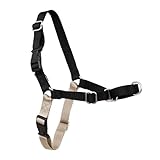
Check Price on Amazon →
Recovery time matters as much as the exercise itself. Most dogs need 30-60 minutes to return to baseline arousal after intense activity. During this window, they're more likely to be reactive, mouthy, or unable to settle—the exact opposite of what you wanted.
Exercises That Build Calmness vs. Build Stamina
The best exercises for indoor calmness include:
- Swimming: Provides incredible physical output while keeping arousal moderate
- Hiking with sniffing breaks: Mental stimulation from scents naturally lowers arousal
- Structured nose work or scent games: Engages their brain in a calming way
- Flirt pole with built-in rest breaks: Controlled intensity you can turn on and off

Check Price on Amazon →
The worst offenders for overstimulation:
- Endless fetch or frisbee: Creates adrenaline junkies who need more and more
- Chaotic dog parks: Especially with rough players who encourage rude behavior
- Extended running or bike rides: Builds endurance, meaning they can go longer before tiring
The 5-5-5 rule works beautifully here: 5 minutes of intense play (tug, chase, fetch), followed by 5 minutes of complete rest or calm activity (sitting, easy walking, sniffing). Repeat this cycle. You're teaching your dog's body to toggle between "on" and "off" rather than staying stuck in overdrive.
The Post-Exercise Routine
Never bring a revved-up dog straight indoors and expect calmness. Build in a 15-minute decompression period: a slow walk around the block, some casual sniffing in the yard, or simple leash-walking in your driveway. This transition time lets cortisol levels drop and signals "playtime is over."
Check Price on Amazon →
After coming inside, offer a calming activity like a frozen

Check Price on Amazon →
or lick mat. This redirects any remaining energy into something soothing rather than zoomies around your living room.
Age-appropriate guidelines matter too. A 6-month-old Border Collie shouldn't be running 5 miles—that's building an athlete who needs 6 miles tomorrow. Instead, aim for 5 minutes of exercise per month of age, twice daily, focusing on varied, mentally engaging activities rather than pure endurance.
Quality always trumps quantity when the goal is a calm indoor companion.
Environmental Management and Setup for Success
Here's a truth that surprises many dog owners: your high-energy dog isn't always being "bad" indoors—they're often just overstimulated by their environment. Think of it like trying to relax in a room with flashing lights and constant noise. Managing your dog's indoor environment is one of the fastest ways to see real behavioral change.
Setting Up a Calm Zone
Your dog needs a designated space that signals "it's time to settle." This should be a quiet area away from windows, foot traffic, and the front door. I typically recommend a corner of your living room or bedroom—somewhere your dog can still be near you without being in the middle of the action.
Set up this zone with a comfortable bed or mat and keep it consistent. This becomes your dog's "off-duty" spot. When you place your dog here with a calm "place" or "settle" command, they begin to understand this is where relaxation happens, not play or excitement.
Check Price on Amazon →
Pro tip: Start feeding meals in this calm zone. Food creates positive associations and triggers digestive processes that naturally promote calmness.
Reducing Environmental Triggers
High-energy dogs are often hyper-aware of their surroundings. Every person walking past your window, every delivery truck, every neighborhood dog becomes a trigger for excitement and barking. Here's how to minimize these distractions:
- Block street-level windows with frosted film, curtains, or furniture. If your dog can't see the trigger, they won't react to it.
- Use strategic baby gates to limit access to high-stimulation areas like rooms facing busy streets or the front entryway.
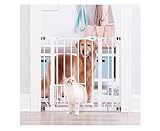
Check Price on Amazon →
- Remove toys during downtime. Many high-energy dogs will self-arousal with toys, getting themselves increasingly wound up. Put toys away except during designated play times.
- Mask arousing sounds with white noise machines, calming music designed for dogs, or even a fan. This is especially helpful for dogs reactive to doorbell sounds or outdoor noise.
The goal isn't to create a sterile environment—it's to reduce the number of things competing for your dog's attention during calm times.
The Power of Predictable Routines
High-energy dogs often become hyperactive because they're uncertain about what's happening next. Is it walk time? Play time? Are we going somewhere exciting? This anticipation itself creates arousal.
Establish a consistent daily schedule for meals, walks, play sessions, and rest periods. When your dog knows that walks happen at 7 AM and 5 PM every day, they stop pestering you at 2 PM. When they learn that after dinner comes a calm settle period (not playtime), they adjust their energy accordingly.
Your routine should include:
- Set meal times (same times daily)
- Scheduled exercise sessions
- Designated play times
- Enforced rest periods (yes, sometimes high-energy dogs need help settling)
Crate training fits beautifully into this structure. When introduced properly as a comfortable den space—never as punishment—a crate becomes a powerful tool for teaching dogs to settle. Many high-energy dogs actually seek out their crates once they associate them with rest and safety.

Check Price on Amazon →
Remember: environmental management isn't about restricting your dog's life. It's about setting them up to succeed by removing the obstacles that make calmness difficult.
Training Protocols and Exercises for Indoor Impulse Control
Teaching a high-energy dog to be calm indoors isn't about suppressing their personality—it's about giving them the skills to manage their own arousal levels. The following protocols work because they systematically build self-control while creating clear communication about when to be calm.
The Modified Relaxation Protocol
Dr. Karen Overall's Relaxation Protocol is gold standard training, though the full version can be intimidating. Here's a streamlined approach that works beautifully for most high-energy dogs:
Start with your dog on a
Check Price on Amazon →
or mat in a low-distraction area. Sit nearby with treats and begin with impossibly easy tasks—literally just sitting still for 5 seconds, then rewarding. Gradually increase duration and add tiny distractions: standing up, taking one step away, clapping once. The key is progressing slowly enough that your dog succeeds 80-90% of the time.
Work through these levels over 2-3 weeks:
- Week 1: Duration on mat (5 seconds to 30 seconds) with you sitting nearby
- Week 2: Your movement (standing, walking around, going to another room briefly)
- Week 3: Environmental triggers (doorbell sounds, toy squeaks, mild excitement)
Keep sessions to 3-5 minutes maximum. Your dog's brain is working hard even when their body looks relaxed.
Impulse Control Foundations
Impulse control games teach your dog that self-control makes good things happen faster. These exercises are remarkably effective:
Wait at Doors: Before going outside (the ultimate reward), require a sit and eye contact. Open the door slowly—if your dog moves, close it. Only when they hold position do they get released with "okay!" This transforms a hyper moment into a teaching opportunity.
Leave It Progressions: Drop a treat, cover it, and reward when your dog looks away from your hand to your face. Graduate to uncovering it, then placing it further away, then walking past it. Eventually, "leave it" becomes a blanket cue for "check yourself."
Stay During Movement: Ask for a stay, then do jumping jacks, bounce a ball, or jog in place. Reward heavily for holding position during excitement. This directly addresses the indoor chaos problem.
Attention and Check-In Behaviors
The most powerful shift happens when you implement differential reinforcement: calm behavior gets everything, hyper behavior gets nothing.
"Nothing in Life is Free": Before meals, walks, toys, or affection, require a simple behavior—usually a sit or down-stay for 3-5 seconds. No nagging or repeating. Wait them out. When they offer calm behavior, they earn what they want. Dogs learn fast that being pushy delays rewards.
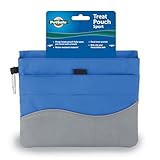
Capturing Calm Check-Ins: Keep a
Check Price on Amazon →
on you at home. When your dog spontaneously glances at you calmly or settles nearby without being asked, mark it (“yes!”) and reward. You’re building a pattern: checking in with humans calmly pays better than demanding attention frantically.
Go to Mat (The Magic Reset Button): Teach your dog that their mat is the place to decompress. When you see arousal building—pacing, jumping, mouthing—calmly say "go to mat" and reward heavily for going there and staying. This gives both of you an incompatible behavior to default to instead of chaos.
Remember: Multiple short sessions throughout the day beat one long session. Think of this as cross-training your dog's brain for calmness.
Troubleshooting Common Challenges
Even with the best training plan, you'll hit roadblocks. Let's tackle the most common issues that trip up owners of high-energy dogs.
The Overstimulated Dog: Recovery Strategies
Here's a counterintuitive truth: sometimes your dog won't settle because they've had too much stimulation, not too little. Think of it like a toddler who's overtired and melts down instead of sleeping. Your dog's "arousal bucket" has overflowed.
Signs your dog is overstimulated rather than under-exercised include:
- Frantic pacing despite a long walk
- Inability to take treats or respond to known cues
- Excessive panting or whining
- Mouthing or nipping that seems compulsive
The fix: Stop adding more activity. Instead, enforce a quiet period. Use a
Check Price on Amazon →
or quiet room with a
Check Price on Amazon →
filled with something calming like plain yogurt. Dim the lights, reduce household noise, and let their nervous system reset for 30-60 minutes.
Managing demand barking follows the same principle—you must completely withdraw attention. Not "bad dog," not "shush," not even eye contact. Turn your back, leave the room if needed, and only reward quiet moments. This is hard, but rewarding barking even once sets you back weeks.
Managing the Evening Energy Spike
The "witching hour"—that 6-8 PM window when your dog transforms into a furry tornado—is completely normal. Dogs are naturally crepuscular (most active at dawn and dusk), and your arrival home triggers excitement.
Combat evening zoomies by:
- Scheduling the day's most intensive mental work for this time (training session, puzzle feeders)
- Creating a predictable wind-down routine starting 30 minutes before you want calm
- Avoiding rough play during this window—it amplifies arousal
- Using a long-lasting chew to redirect energy
If visitors trigger chaos, practice having your dog settle on their bed or behind a
Check Price on Amazon →
**before** guests arrive. Don’t let them greet people while aroused—this trains over-excitement as a habit.
When High Energy Might Actually Be Anxiety
This is crucial: true high energy looks happy. The dog enjoys activity and can recover. Anxiety masquerading as energy looks different—restless pacing, inability to settle even when tired, stress signals like lip licking and whale eye.
Red flags that warrant a vet visit:
- Sudden behavior changes
- Excessive panting unrelated to temperature
- Obsessive behaviors (tail chasing, shadow watching)
- Limping, stiffness, or reluctance to jump (pain manifests as "hyperactivity" in some dogs)
Breed-specific challenges are real. Herding breeds may nip at running kids—they're literally trying to herd. Redirecting to tug toys helps. Retrievers mouth everything because that's their genetic purpose; give them appropriate carrying jobs around the house.
Adolescent dogs (6-18 months) cycling through fear periods will seem both energetic and anxious. They need extra patience and shorter training sessions during these phases.
When to call a professional: If your dog shows genuine anxiety symptoms, resource guards their space, or you feel unsafe, consult a certified dog behavior consultant (CDBC) or veterinary behaviorist. High energy is manageable with these techniques; severe anxiety needs specialized intervention. Don't wait months hoping they'll "grow out of it."
Conclusion: Creating Long-Term Success
Teaching a high-energy dog to be calm indoors isn't a quick fix—it's a journey. If you're expecting overnight transformation, I need to be honest with you: that's not how it works. Real, lasting change typically takes 4-8 weeks of consistent daily work. Some dogs click faster, others need more time. That's completely normal.
Celebrate Every Small Victory
Here's what I tell every frustrated owner in my training classes: five minutes of your dog settling on their mat without jumping up? That's genuine progress. Your Border Collie walked past their toy without pouncing on it? Huge win. These small moments are the building blocks of long-term success.
Too many owners miss these incremental improvements because they're focused on the end goal. Don't make that mistake. When your dog chooses to lie down instead of demand your attention, acknowledge it. These micro-decisions add up to macro-changes in behavior.
The Teenage Regression Reality
Just when you think you've nailed it, your dog hits adolescence (typically 6-18 months), and suddenly it feels like you're back at square one. Your previously calm pup is bouncing off walls again, ignoring cues they knew perfectly last week.
This is completely normal and temporary. Teenage dogs experience hormonal changes and developmental phases that affect impulse control. Don't panic and don't abandon your training. Stay consistent with your routines, maybe even step back to easier exercises for a few weeks. I've seen countless dogs emerge from this phase better than ever—as long as their owners didn't give up.
Maintenance Is Non-Negotiable
This is critical: you can't stop training once your dog improves. Calmness routines need to become part of your lifestyle. The morning settle session, the "place" command before dinner, the impulse control games—these aren't temporary measures.
Think of it like fitness. You wouldn't train for a marathon, run it, then never exercise again and expect to stay in shape. Your dog's calm behavior needs ongoing reinforcement, even if it's just 5-10 minutes daily.
Check Price on Amazon →
Adjusting as Your Dog Matures
What works for your 8-month-old won't necessarily be ideal for your 3-year-old. As dogs mature, they often need less physical exercise and more mental stimulation. A two-year-old Cattle Dog might thrive with more complex problem-solving tasks and less fetch than they needed as a puppy.
Pay attention and adapt. Maybe your evening routine shifts from intense play to scent work or
Check Price on Amazon →
sessions. Flexibility keeps both you and your dog engaged.
The Payoff
Here's your reward for all this work: a dog who understands they can be a wild child at the park and a relaxed companion at home. You'll have a pet who enriches your life instead of exhausting it. They'll still have that wonderful energy that made you fall in love with them—they'll just know when and where to express it.
That's the whole point: not breaking their spirit, but channeling it appropriately. And trust me, it's absolutely worth the effort.
Frequently Asked Questions
How long does it take to train a high energy dog to be calm indoors?
Most dogs show noticeable improvement within 2-4 weeks of consistent daily practice. Significant change typically occurs around 6-8 weeks. Young dogs (under 2 years) may take longer due to developmental stages. Consistency is more important than perfection – daily 5-minute sessions beat sporadic hour-long attempts. Some arousal patterns become habitual and may need 3-4 months to fully replace.
Will exercising my dog more make them calmer indoors?
Not necessarily – this is one of the biggest misconceptions in dog training. More intense exercise can actually build stamina, creating a 'canine athlete' who needs more activity. High-arousal exercise (frantic fetch, dog park chaos) can increase indoor hyperactivity. The key is strategic, calm-promoting exercise plus mental enrichment. A tired dog isn't automatically a calm dog – an overstimulated dog struggles to settle.
What's the difference between a high energy dog and an anxious dog?
High energy dogs are enthusiastic, happy, and respond well to direction when engaged. Anxious dogs show stress signals: panting, pacing, inability to take treats, hypervigilance. High energy dogs can learn to settle; anxious dogs need treatment for underlying anxiety first. Anxious dogs often won't sleep or rest even in quiet environments. If your dog can't settle after proper exercise and mental work, consult a vet or veterinary behaviorist about anxiety.
Should I ignore my dog when they're being hyper indoors?
Yes, completely ignore attention-seeking hyperactive behavior (no eye contact, touch, or talking). But don't only ignore – actively reward any moment of calmness, even brief ones. This is called 'differential reinforcement' – rewarding what you want while ignoring what you don't. If ignoring leads to escalation (destruction, barking), the dog may need management (crate/pen) until calmer. The goal is to make calm behavior more rewarding than hyperactive behavior.
What are the best mental enrichment activities for high energy dogs indoors?
Scent work and 'find it' games are extremely effective and naturally calming. Food puzzle toys for all meals (no more free feeding from bowls). Frozen stuffed Kongs with wet food or yogurt for extended chewing. Short training sessions teaching new tricks (5 minutes multiple times daily). Lick mats with spreadable treats activate calming licking behavior. Rotate activities to prevent boredom – dogs need novelty to stay engaged.