Pitbull Positive Reinforcement Training Guide (2026)
Introduction: Why Positive Reinforcement Works Best for Pitbulls
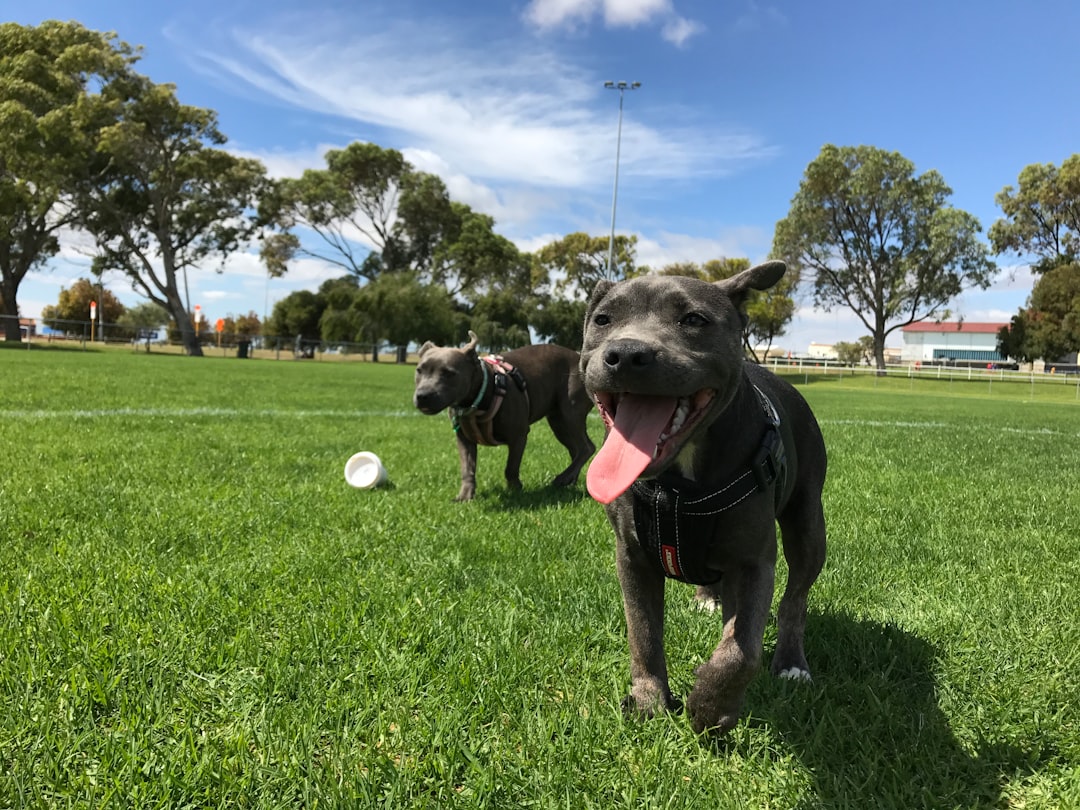
If you've heard that pitbulls need a "firm hand" or dominance-based training, I'm here to tell you that's not just outdated—it's completely wrong. In my 15+ years working with hundreds of pitbulls, I've seen firsthand that these dogs are incredibly eager to please, highly intelligent, and absolutely thrive when trained with positive reinforcement methods.
The Truth About Pitbull Temperament
Pitbulls are often misunderstood, but anyone who's actually worked with them knows they're natural people-pleasers. They're sensitive dogs who form deep bonds with their families and genuinely want to make you happy. This trait makes them exceptional candidates for reward-based training. When you reward behaviors you like—whether with treats, praise, or play—your pitbull will enthusiastically repeat those behaviors to earn more rewards.
I've trained pitbulls who learned basic obedience in half the time it took other breeds, simply because they were so motivated to work with their owners. One client's pitbull, Max, learned "sit," "down," and "stay" in just two training sessions because he was food-motivated and loved the positive interaction.

Check Price on Amazon →
Why Harsh Methods Backfire
The myth that pitbulls need "dominance" training isn't just ineffective—it's harmful. Dominance theory has been thoroughly debunked by modern canine behavioral science. Studies from institutions like the American Veterinary Society of Animal Behavior show that punishment-based training increases fear, anxiety, and even aggression in dogs.
Here's what actually happens when you use harsh methods with pitbulls:
- They become anxious and shut down emotionally
- Trust between you and your dog erodes
- Behavioral problems often worsen rather than improve
- Your dog learns to fear you rather than cooperate with you
Pitbulls have powerful bodies but sensitive souls. Yelling, physical corrections, or intimidation tactics will damage your relationship and create the exact problems you're trying to avoid.
The Science Behind Positive Reinforcement
Research consistently demonstrates that reward-based training creates confident, emotionally stable dogs. When your pitbull experiences training as a fun, rewarding game rather than a stressful ordeal, their brain releases dopamine—the "feel-good" neurotransmitter that reinforces learning. This means they learn faster and retain training better.
Positive reinforcement also builds your dog's confidence. Instead of wondering "What will I get punished for?", your pitbull thinks "What can I do to earn rewards?" This mindset shift is transformative.
What This Guide Will Do for You
Throughout this guide, I'll show you exactly how to train your pitbull using methods that work with their natural temperament, not against it. You'll learn:
- How to communicate clearly so your dog understands what you want
- Techniques for managing common pitbull behaviors like jumping and pulling
- Ways to build impulse control and calmness
- Solutions for specific challenges without resorting to punishment
By the end, you'll have a well-trained pitbull who listens reliably—and more importantly, a dog who trusts you completely and loves working with you. That's the relationship you both deserve.
Understanding Your Pitbull's Learning Style and Temperament
Before diving into specific training techniques, you need to understand what makes your pitbull tick. These dogs aren't just generic "medium-sized breeds"—they have distinct personality traits and learning preferences that, when properly understood, make training significantly easier.
The Pitbull Motivation Profile
Pitbulls are people-oriented powerhouses. Unlike independent breeds that'll happily ignore you, your pitbull genuinely wants to be near you and work with you. This intense desire to please is your biggest training asset. They're often called "velcro dogs" for good reason—many will follow you from room to room just to be close.
That terrier heritage, however, adds complexity. Terriers were bred for determination and independent problem-solving. This means your pitbull might:
- Lock onto something interesting and tune out the world (that's terrier focus)
- Show persistence that borders on stubbornness when they want something
- Display higher prey drive toward small, fast-moving objects
- Need more mental engagement than physical exercise alone
This combination creates a dog that's eager to learn but also easily distracted by anything that triggers their instincts. A squirrel dashing across the yard? Your well-trained pitbull might temporarily "forget" everything they know.
Energy levels matter tremendously in training. A pitbull who hasn't had adequate physical and mental stimulation won't focus during training sessions. Think of it this way: asking an under-exercised pitbull to focus on sit-stay is like asking a caffeinated toddler to meditate. It's not defiance—it's biology.

Check Price on Amazon →
Common Training Challenges Specific to Pitbulls
Their muscular build and enthusiasm create specific hurdles. Leash pulling is nearly universal with untrained pitbulls—not because they're aggressive, but because they're strong and excited about everything. Door-dashing is another common issue; that prey drive and enthusiasm make waiting at thresholds genuinely difficult for them.
Many pitbulls also struggle with over-arousal. They get SO excited about training, playing, or greeting people that they can't regulate themselves. You'll see this as jumping, mouthing, or inability to settle.
Reading your pitbull's body language prevents problems before they start. Stress signals include:
- Whale eye (seeing the whites of their eyes)
- Lip licking or yawning when not tired
- Stiff body posture or frozen stance
- Tucked tail or pinned-back ears
Setting Realistic Expectations
Puppies (8 weeks-6 months): Expect short attention spans and frequent accidents. Focus on socialization and basic manners. Three 5-minute training sessions beat one 15-minute session.
Adult rescues: They may need decompression time (2-3 weeks) before serious training begins. Some come with baggage; others are blank slates. Don't expect progress on a timeline—each dog's history differs.
Seniors (7+ years): They're often calmer and more focused than youngsters, but may have physical limitations. Adjust expectations for sits, downs, and duration exercises based on joint health.
Your pitbull isn't difficult—they're just enthusiastically intense. Once you understand their unique combination of people-pleasing nature and terrier tenacity, you can structure training that works with their temperament rather than against it.
Essential Tools and Setup for Positive Reinforcement Training
Setting up for success with your pitbull starts before you even begin your first training session. Having the right tools and environment makes all the difference in how quickly your dog learns and how enjoyable the process is for both of you.
Treat Selection Guide for Pitbulls
Pitbulls are typically very food-motivated, which makes them excellent candidates for positive reinforcement training. Your treats should be small (pea-sized), soft, and irresistible. Think of them as payment for a job well done—the higher the difficulty, the better the pay should be.
High-value treats work best for challenging behaviors or distracting environments:
- Small pieces of cooked chicken, turkey, or lean beef
- Cheese cubes (if your dog tolerates dairy)
- Freeze-dried liver or salmon
- Hot dog pieces (use sparingly)
Check Price on Amazon →
Medium-value treats are perfect for everyday training:
- Small training treats designed for frequent rewards
- Broken-up dog biscuits
- Dehydrated sweet potato chunks
Keep variety in your rotation. What's exciting on Monday might be boring by Friday, and you want to keep your pitbull engaged and eager to work with you.
When to Use Toys vs Food Rewards
Not every pitbull is purely food-motivated, and even food-lovers sometimes respond better to play. Understanding your dog's preferences helps you customize your approach.
Use food rewards when:
- Teaching new behaviors that require focus and precision
- Working in high-distraction environments
- Training for extended sessions (toys can overstimulate)
- Your dog needs to remain relatively calm
Use toy rewards when:
- Your pitbull is toy-obsessed and loses interest in food
- Building drive and enthusiasm for specific behaviors
- Teaching recalls or high-energy behaviors
- Ending a training session on a high note
Many pitbulls love a good game of tug as a reward. A quick 10-second tug session can be more valuable than any treat. Just make sure you have a solid "drop it" cue before using tug as a reward.
Check Price on Amazon →
Essential Training Equipment
Keep your training setup simple and functional:
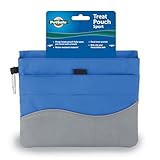
- Properly fitted harness: Front-clip or back-clip harnesses prevent pulling without discomfort
- **
Check Price on Amazon →
**: Keeps rewards accessible so you can mark good behavior instantly
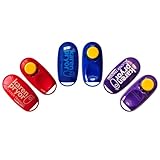
– **
Check Price on Amazon →
**: Creates a precise marker for the exact moment your dog does something right
– **

Check Price on Amazon →
**: A 15-20 foot line gives freedom while maintaining control during recall practice
Skip the retractable leashes for training—they create tension and teach pulling.
Creating a Distraction-Free Training Environment
Start in the most boring place possible: your living room or hallway with the TV off and other pets separated. Your pitbull should find you the most interesting thing in the room.
As your dog masters each behavior, gradually add distractions: turn on the TV, practice near a window, move to the backyard, then eventually to a quiet park.
Building Your Marker System
A marker tells your dog "yes, that exact thing you just did earns a reward!" You can use a clicker or a verbal marker like "yes!" or "good!"
Clickers are more precise and consistent, but verbal markers work anywhere without equipment. Choose one and stick with it. Spend your first session just "charging" the marker: click (or say "yes"), then immediately treat. Repeat 20-30 times so your pitbull learns the marker predicts something wonderful.
This foundation sets you up for training success with your pitbull, creating clear communication and building the enthusiasm that makes training actually enjoyable.
Core Foundation Skills Every Pitbull Should Master
Pitbulls are intelligent, eager-to-please dogs who thrive when given clear direction and positive feedback. These foundation skills form the backbone of a well-mannered companion and will make every other aspect of training easier.
Teaching Focus and Attention
Before your Pitbull can learn anything, they need to know that paying attention to you is rewarding. Start with name recognition by saying their name once in a distraction-free environment. The moment they look at you, mark it with "yes!" and reward immediately. Never repeat their name—say it once and wait. If they don't respond, make a kissy noise or move slightly to draw their attention, then reward the instant they look.
Build duration by practicing the "watch me" cue. Hold a
Check Price on Amazon →
near your eyes, say “watch me,” and reward when your dog makes eye contact. Gradually extend the time they maintain focus from one second to five, then ten. This skill is gold for managing a strong dog in distracting environments.
The Perfect Recall for Pitbulls
A reliable recall can literally save your Pitbull's life. Start indoors with zero distractions. Say your recall word once (I recommend "come" or "here"), then run backward enthusiastically. When your dog reaches you, throw a party—multiple treats, praise, and joy. Never call your dog for anything negative.
Check Price on Amazon →
Practice the "run-away recall" where you call your dog, then sprint in the opposite direction. This taps into their natural chase drive and makes coming to you irresistible. Once solid indoors, move to a fenced yard, then graduate to a
Check Price on Amazon →
for safe outdoor practice.
Pro tip: Always reward recalls with something better than what your dog left behind. If they're sniffing something interesting, have exceptional treats ready.
Impulse Control Exercises
Sit, Down, and Stand: Teach "sit" by holding a treat at your dog's nose, then slowly moving it back over their head—their bottom will naturally drop. Mark and reward. For "down," start from a sit, lure the treat straight down between their paws, then slightly forward. "Stand" is taught by luring forward and slightly up from a sit or down position.
Leave It and Drop It: These are non-negotiables for Pitbulls. For "leave it," place a treat in your closed fist. Let your dog sniff, lick, and paw at it. The moment they back off, even slightly, mark and reward with a different treat from your other hand. For "drop it," trade whatever they have for something better—never chase or pry things from their mouth.
Loose Leash Walking Protocol
Pitbulls are powerful, and leash pulling can turn walks into wrestling matches. The key: your dog learns that a tight leash means you stop moving, and a loose leash means the walk continues.
Start in your home. The moment the leash tightens, become a tree—stop completely. Don't yank, jerk, or say anything. When your dog releases tension and looks back at you, mark it and take three steps forward. Repeat constantly. Yes, your first walk might take 20 minutes to go 50 feet. That's normal.
Practice "check-ins" by rewarding your dog every time they voluntarily look up at you while walking. Position yourself as more interesting than the environment. Keep initial training walks short and in low-distraction areas, gradually building difficulty.
Addressing Pitbull-Specific Behavioral Challenges
Pitbulls are wonderfully enthusiastic dogs, but that enthusiasm can sometimes manifest as challenges. The good news? Their intelligence and desire to please make them exceptionally trainable when you use positive methods.
Working Through Dog Reactivity Safely
Dog reactivity—lunging, barking, or pulling toward other dogs—is common in pitbulls, but it doesn't mean your dog is "aggressive." Often, it's frustration, overexcitement, or fear. Start by identifying your dog's threshold distance: how far away can another dog be before yours reacts?
Work at a distance where your dog notices other dogs but stays calm. The moment they look at another dog and back at you, mark it with "yes!" and reward generously. Gradually decrease distance over weeks, not days. If your dog lunges, you've moved too fast—increase distance again.
Check Price on Amazon →
Pro tip: Change direction and create distance before your dog reaches threshold. Prevention is always easier than correction.
Impulse Control for High-Energy Behaviors
Managing High Prey Drive
That intense stare at squirrels or cats? That's prey drive. Channel it into games like flirt pole play with clear "take it" and "drop it" cues. Practice emergency recalls using high-value treats when your dog notices potential prey. Reward any moment they disengage from watching wildlife—you're teaching them that choosing you is more rewarding than the chase.
Jumping and Mouthing
Pitbulls greet with their whole bodies. Teach an incompatible behavior: sitting gets attention, jumping makes humans boring statues. Turn away, cross your arms, and give zero attention when paws leave the ground. The instant all fours are down, enthusiastic praise and treats flow.
For mouthing, redirect to appropriate chew toys immediately. Keep a
Check Price on Amazon →
in your pocket during play sessions. When teeth touch skin, play stops for 30 seconds. They’ll quickly learn that gentle play continues the fun.
Counter-Surfing and Household Manners
Management first: don't leave food on counters during training. Teach "off" by rewarding all four paws on the floor. Practice "place" command on a mat or bed, gradually increasing duration while you cook. Make floor-level rewards more interesting than counter contents.
Building Confidence in Fearful Pitbulls
Some pitbulls develop fear-based behaviors from limited early socialization. Never force interaction with scary things. Instead, let your dog observe from a safe distance while you deliver treats. They'll associate the scary thing with good outcomes.
Separation Anxiety Prevention
Start building independence early. Practice brief departures—even just stepping outside for 30 seconds. Gradually extend time. Leave puzzle toys stuffed with treats to create positive associations with your absence. Some dogs benefit from having a companion animal or background noise.
Resource Guarding Prevention
Approach while your dog eats and drop something better into their bowl—they learn your approach means upgrades, not theft. Trade toys rather than just taking them. Practice "drop it" with low-value items first, rewarding with high-value treats. Create abundance, not scarcity—multiple toys scattered around reduces possessiveness.
The key with all pitbull challenges is patience and consistency. These dogs want to succeed, and positive reinforcement gives them a clear roadmap to becoming the well-mannered companions they're capable of being.
Advanced Training and Mental Enrichment Activities
Once your pitbull has mastered the basics, it's time to challenge that powerful brain and athletic body. Pitbulls thrive on learning—they're problem-solvers who genuinely enjoy working with their humans. Advanced training prevents boredom, builds confidence, and deepens your bond.
Fun Tricks That Build Useful Skills
Trick training isn't just entertainment. Each trick strengthens your pitbull's focus, body awareness, and impulse control. Start with "spin" or "touch" (targeting your hand with their nose), then progress to more complex behaviors.
Try teaching "go to place"—having your dog move to a specific mat or bed on cue. This becomes invaluable when guests arrive or during family meals. Build duration gradually, rewarding your pitbull for staying put even with distractions.

Check Price on Amazon →
Useful trick progressions:
- Paw targeting → closing doors, ringing bells to go outside
- "Take it" and "drop it" → helping carry lightweight items
- "Back up" → creating space without confrontation, useful in tight areas
- "Middle" (standing between your legs) → calming position for nervous situations
The key is breaking complex tricks into tiny steps and celebrating each success. Your pitbull's enthusiasm will skyrocket when training feels like a game.
Mental Enrichment Games
A mentally tired pitbull is a happy pitbull. Nose work taps into your dog's natural scenting abilities—it's easier than you think to start at home. Hide treats around a room and give a "find it" cue. Progress to hiding a specific scented item (like a tea bag) and rewarding when they locate it.

Check Price on Amazon →
Brain-boosting activities:
- Food puzzle toys with increasing difficulty levels
- "Which hand?" games to encourage decision-making
- Hide-and-seek (you hide, they find you)
- Name recognition games (teaching names of different toys)
Dedicate 10-15 minutes daily to mental work. You'll notice reduced destructive behaviors and better overall focus.
Sport and Activity Options
Pitbulls excel in canine sports that combine physical and mental challenges. Agility showcases their athleticism—they love jumping, tunneling, and racing through courses. Many training facilities offer beginner classes that focus on fun rather than competition.
Barn hunt lets pitbulls use their nose to find rats (safely contained in tubes) hidden in hay bales. It's instinct-driven and incredibly satisfying for them.
For structured goals, consider Canine Good Citizen (CGC) certification. This program teaches public access manners: polite greetings, walking through crowds, accepting handling from strangers, and staying calm around other dogs. CGC preparation is excellent for pitbulls because it directly counters breed stereotypes and opens doors to therapy work.
Teaching self-control around distractions is your ultimate advanced skill. Practice "stay" while bouncing tennis balls, "leave it" with treats on the floor, and loose-leash walking past dogs and people. Use high-value rewards and build difficulty slowly—successful self-control creates a pitbull who's welcome everywhere.
Remember: your pitbull wants to work with you. Channel that drive into productive activities, and you'll have a confident, well-mannered companion who turns heads for all the right reasons.
Socialization and Building a Bulletproof Pitbull
The most important training investment you'll make isn't teaching "sit" or "stay"—it's building a well-socialized pitbull who's confident, calm, and safe in the real world. Due to breed stigma and their powerful build, your pitbull needs to be an exceptional canine citizen. Let's make that happen.
Puppy Socialization Timeline
Birth to 16 weeks is your golden window. During this critical period, puppies are neurologically primed to accept new experiences without fear. Your mission: expose your pitbull puppy to 100+ positive experiences before 4 months old.
Focus on quality over quantity. One calm interaction with a person in a wheelchair beats five chaotic encounters at the dog park. Bring high-value treats everywhere and create positive associations:
- Different surfaces: grass, gravel, metal grates, wet pavement, stairs
- People of all types: children (supervised!), elderly folks, people in hats, uniforms, using mobility aids
- Sounds: vacuum cleaners, garbage trucks, fireworks recordings (start low volume), car washes
- Environments: parks, parking lots, pet stores, outdoor cafes
Never force interactions. If your puppy seems worried, increase distance and reward calm observation. You're building confidence, not flooding them with fear.
Check Price on Amazon →
Adult Dog Socialization Strategies
Adopted an adult pitbull? You haven't missed the boat—just adjust your approach. Adult socialization focuses on gradual exposure and building new positive associations.
Start with controlled environments. A quiet street at 6 AM beats a crowded farmer's market. Watch for your dog's stress signals: whale eye, lip licking, yawning, stiff body. These tell you to create more distance or end the session.
Build neutrality, not friendliness. Your pitbull doesn't need to greet every dog or person. In fact, teaching calm disinterest is gold. Reward your dog for checking in with you instead of fixating on stimuli. Practice the "engage-disengage" game: when your dog notices something interesting, mark and reward the moment they look back at you.
Handling and Husbandry Training
Veterinary visits and grooming shouldn't be wrestling matches. Cooperative care training teaches your pitbull that handling predicts good things.
Practice these weekly:
- Paw handling: Touch paw, treat. Hold paw 1 second, jackpot. Build duration gradually.
- Mouth examinations: Lift lip, treat. Touch tooth with finger, treat.
- Ear cleaning simulation: Touch ear, treat. Lift ear flap, bigger reward.
- Body restraint: Gentle hug for 1 second, release and reward.

Check Price on Amazon →
Use a lick mat loaded with peanut butter during mock vet exams at home. Your dog learns that being held still = delicious rewards.
Desensitization saves lives. A pitbull who lunges at the doorbell or panics during thunderstorms isn't just inconvenient—they're at risk. Record triggering sounds, play them at barely-audible volume while your dog eats meals or plays with a favorite toy. Increase volume microscopically over weeks, not days.
As a responsible pitbull owner, you're your dog's advocate. Use a regular 4-6 foot leash (never a retractable) in public, give other dogs space, and politely educate people who approach without asking. Your calm, well-socialized pitbull becomes an ambassador for the entire breed.
Troubleshooting and Staying Consistent for Long-Term Success
Even the best training plans hit bumps in the road. Your Pitbull might nail "sit" one day and act like they've never heard the word the next. Don't panic—this is completely normal, and knowing how to troubleshoot keeps both of you from getting frustrated.
The biggest mistake I see? Moving too fast. When your Pitbull suddenly "forgets" a behavior, you've probably added too much difficulty too quickly. Maybe you went from practicing "stay" in your quiet living room to expecting it at the dog park. Scale back to where your dog was successful, then rebuild gradually. Think of it like adding one distraction at a time, not jumping from zero to a hundred.
Another common pitfall is inconsistent timing with rewards. If you're marking "yes!" when your dog's already standing up from their sit, you're reinforcing standing, not sitting. Precision matters—especially with intelligent, eager-to-please Pitbulls who are trying to figure out exactly what earns that reward.
Check Price on Amazon →
Reading Your Training Data
Keep a simple training log, even if it's just notes on your phone. When did your dog succeed? What time of day? How many distractions were present? After a week or two, patterns emerge. Maybe your Pitbull learns best in the morning before breakfast, or struggles when the kids are home from school. Use this information to set up training sessions for success.
When progress stalls, ask yourself: Is my dog tired, sick, or stressed? Are we practicing too long? Most effective training sessions last just 5-10 minutes. Your Pitbull's brain needs processing time between sessions.
How to Know When You Need Professional Help
Seek a certified positive reinforcement trainer (look for CPDT-KA or CBCC-KA credentials) if you're experiencing:
- Aggression or fear-based behaviors that aren't improving
- Regression despite consistent training
- Reactivity that's keeping you from enjoying walks
- Problems you don't feel equipped to handle safely
There's zero shame in getting help. Professional trainers see patterns you might miss and can adjust your approach in real-time. For Pitbulls especially, working with someone who understands bully breed behavior can be game-changing.
Lifetime Maintenance Plan
Once your dog has mastered skills, the work isn't done—it's just different. "Proofing" means practicing in new environments with new distractions. Your rock-solid recall in the backyard needs regular practice at the park, on walks, and around other dogs.
Set up weekly mini-training sessions to keep skills sharp. Run through basic cues while dinner cooks. Practice "leave it" during walks. Make it part of your routine, not a separate event.
When working with multiple family members, hold a household meeting about consistency. Everyone needs to use the same cue words and reward the same behaviors. Kids can absolutely participate—they're often naturals at positive reinforcement—but adults should supervise to ensure timing stays accurate.
Celebrate every victory, no matter how small. Your Pitbull held eye contact for three seconds instead of two? That's progress worth marking! These small wins stack up into major behavioral changes. Take videos along the way—you'll be amazed how far you've both come when you look back in six months.
Frequently Asked Questions
How long does it take to train a pitbull using positive reinforcement?
Basic obedience skills can be learned in 4-8 weeks with daily 10-15 minute sessions. Building reliability in distracting environments takes 3-6 months of consistent practice. Behavioral issues may take longer depending on severity and history. Training is a lifelong process – maintenance and ongoing enrichment keep skills sharp.
Are pitbulls harder to train than other breeds?
Pitbulls are actually highly trainable and eager to please their owners. Their intelligence and food motivation make them excellent students. They can be more determined and energetic, requiring patience with impulse control. Individual personality varies more than breed – each dog is unique. Public perception creates pressure, but positive methods work beautifully for this breed.
What treats work best for training pitbulls?
Small, soft, high-value treats that can be eaten quickly (pea-sized pieces). Real meat options: chicken, turkey, beef, or freeze-dried liver. Commercial training treats with single-ingredient proteins. Variety is key – rotate treats to maintain high motivation. Always adjust meal portions to account for training treats to prevent weight gain.
Can I use positive reinforcement if my pitbull is aggressive or reactive?
Yes – positive reinforcement is especially effective for reactivity and fear-based behaviors. Force-based methods can escalate aggression and damage trust. Counter-conditioning and desensitization change emotional responses at the root. Safety management is essential while working through behavioral issues. Consult a certified professional (CPDT-KA or veterinary behaviorist) for serious aggression cases.
How do I stop my pitbull from pulling on the leash without using punishment?
Reward-based loose leash walking teaches dogs that staying near you earns good things. Stop and wait when tension appears, move forward when leash loosens. High-rate reinforcement in the beginning – treat every few steps for walking nicely. Practice in low-distraction environments first, gradually increase difficulty. Front-clip harnesses can help manage pulling while you train the skill. Consistency from all family members is essential for success.