Training Dogs Around Toddlers: Safe Kids & Dogs Guide
Introduction: Building a Safe and Loving Bond Between Your Dog and Young Children
If you're navigating life with both a dog and a toddler under your roof, you already know it can feel like managing two unpredictable forces of nature at once. One moment, your child is shrieking with delight while your dog bounces around them. The next, you're intercepting a tiny hand reaching for your dog's food bowl or redirecting your pup who's gotten a bit too excited during playtime.
Here's the reality: raising dogs alongside young children is both incredibly rewarding and genuinely challenging. When done right, you're not just preventing problems—you're creating a relationship that teaches your child empathy, responsibility, and gentleness while giving your dog a secure place in the family hierarchy. I've watched countless families transform from stressed and reactive to confident and joyful once they understood how to set both their kids and dogs up for success.
Why This Training Matters More Than You Think
The stakes are real. Even the sweetest, most patient dog can react defensively when a toddler accidentally steps on their tail or grabs their ear. And toddlers, with their unpredictable movements, high-pitched voices, and complete lack of understanding about personal space, can trigger stress responses in dogs who've never shown a hint of aggression before.
But here's what often gets missed: proper training isn't just about preventing bites or scary moments. It's about your dog's emotional wellbeing too. A dog who feels safe and understood around children is a happier, more relaxed companion. Similarly, children who learn to read dog body language and interact respectfully develop crucial life skills that extend far beyond your home.
The Positive Reinforcement Foundation
Everything in this guide builds on positive reinforcement—rewarding the behaviors you want to see rather than punishing what you don't want. This approach works beautifully in multi-species households because it creates trust all around. Your dog learns that good things happen when they make calm choices around your toddler. Your child learns that gentle behavior gets them quality time with their furry friend.
Check Price on Amazon →
You won't find outdated dominance-based methods here. Instead, you'll learn how to manage the environment, set clear boundaries, and teach both your dog and your child to coexist peacefully.
What You'll Learn
This comprehensive guide walks you through every stage of creating harmony between your dog and young children. We'll cover management strategies that prevent problems before they start, training exercises that build positive associations, teaching your dog essential safety behaviors like "leave it" and calm settling, and coaching your toddler in dog-safe interaction (in age-appropriate ways).
You'll also learn to read the warning signs that your dog needs space, create safe zones for both species, and build routines that reduce stress for everyone.
Whether you're introducing a new baby to your existing dog, bringing a dog into a home with toddlers, or simply refining the relationship that's already underway, you'll find practical, tested strategies that work in real family life—not just in theory.
Understanding Your Dog's Perspective: Why Kids Are Different from Adults
From your dog's point of view, toddlers and small children might as well be a different species entirely. While you see your adorable two-year-old, your dog experiences an unpredictable, high-energy creature that moves erratically, makes sudden loud noises, and often invades personal space without warning.
Dogs are hardwired to notice patterns and predict behavior. Adults typically move in straight lines, use consistent tones, and approach dogs in predictable ways. Toddlers? They toddle, stumble, shriek with delight, and lunge for that fluffy tail without any warning signals your dog can read. That squealing laugh your child makes when excited registers at a frequency similar to prey animals—which can trigger arousal or anxiety in dogs, even those with zero prey drive.
The physical interactions children initiate are equally confusing from a canine perspective. What we call a hug, dogs often perceive as restraint—a potentially threatening situation. When your toddler "pets" the dog by enthusiastically patting their head or poking their eyes, your dog feels cornered and overwhelmed. Even gentle grabbing of fur, ears, or tails triggers discomfort that many dogs will initially tolerate, but shouldn't have to.
Recognizing Stress Signals Before They Escalate
Most dog bites involving children happen because adults missed the earlier warning signs. Dogs communicate discomfort long before they resort to snapping or biting, but these signals are often subtle:
- Lip licking or yawning when not tired or eating
- Whale eye (showing the whites of their eyes)
- Turning their head away or repeated attempts to move away from the child
- Freezing or becoming very still when touched
- Panting when not hot or exercised
- Lowered tail or body posture
- Ears pinned back against their head
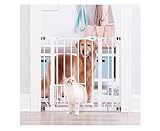
When you spot these signals, your dog is saying "I'm uncomfortable—please help me." This is your cue to intervene immediately by calmly redirecting your child or giving your dog an escape route. Consider using a
Check Price on Amazon →
to create safe spaces where your dog can retreat when overwhelmed.
The Myth of the 'Perfect Family Dog'
Here's the truth many dog trainers wish every parent understood: there is no such thing as a naturally "kid-proof" dog. Yes, certain breeds were developed to be more tolerant and patient—Golden Retrievers, Labrador Retrievers, and Cavalier King Charles Spaniels often top those lists. But breed tendencies are just guidelines, not guarantees.
I've worked with "family-friendly" Labs who were anxious around toddlers and terrier mixes who were exceptionally patient with children. Individual temperament, early socialization, and ongoing training matter far more than breed alone. A dog's previous experiences, age, energy level, and stress tolerance all factor into how they'll handle living with small children.
Even the gentlest, most patient dog needs clear boundaries and proper training around kids. Tolerance isn't the same as enjoyment, and we shouldn't expect any dog to simply endure uncomfortable interactions. Every dog deserves the right to move away from situations that stress them, and every child deserves to learn how to interact respectfully with animals. That's where your training comes in—teaching both your dog and your children how to coexist safely and happily.
Essential Foundation Training Before Introducing Kids and Dogs
Before your dog ever shares space with toddlers, you need rock-solid obedience. I'm not talking about perfect competition-level performance—I mean reliable, real-world responses even when your dog is excited, distracted, or in the middle of play mode.
The non-negotiables are simple: sit, stay, down, leave it, and drop it. These aren't just party tricks. "Leave it" prevents your dog from grabbing that dropped sippy cup or grabbing a toy from your toddler's hand. "Drop it" is your safety net when they inevitably pick up something they shouldn't. Practice these commands with high-value distractions—toss treats on the ground, roll balls past your dog, and wave toys around while reinforcing the command.
Your recall—getting your dog to come when called—needs to work even when your child starts shrieking with laughter or running wildly through the house. Practice in progressively more exciting situations. Start in a quiet hallway, then add distractions like squeaky toys or recordings of children playing. Use a during practice so you can gently guide your dog back if they ignore the command.
Impulse control is everything. A dog who can't manage their excitement will jump, mouth, and overwhelm small children within seconds. Teach "wait" at doorways and before meals. Practice the "four paws on the floor" rule religiously—no attention, treats, or greetings unless all four paws are down. Work on settling exercises where your dog learns to lie calmly while exciting things happen around them.
The 'Go to Your Bed' Command: Your Emergency Reset Button
This is the single most valuable command for families with young children. When things get too chaotic, too loud, or your dog starts getting overstimulated, you need a way to give everyone a break without isolating your dog in another room.
Choose a specific mat or bed—I like

Check Price on Amazon →
options that create a clear visual boundary. Start by rewarding your dog for simply stepping on the mat. Then build duration. Then add the “stay” component. Eventually, your dog should go to their spot and settle there until released.
Practice this command randomly throughout the day, not just when your dog is being problematic. You want them to see it as a positive place to decompress, not a punishment. Keep high-value treats near the bed and reward calm behavior generously.
Practicing with Child Sounds and Props
Dogs need exposure to the unpredictable movements and sounds of children before meeting the real thing. Play recordings of babies crying, toddlers laughing, and children shouting during training sessions. Start at low volume and gradually increase as your dog remains calm.
Use baby dolls to practice gentle interactions. Carry them around, make sudden movements, and set them on the floor. Reward your dog for calm curiosity or for simply ignoring the doll. Push strollers around your house. Drop toys randomly. Drag blankets across the floor. The goal is to make child-related chaos completely boring and unremarkable to your dog.
This foundation work isn't glamorous, but it's the difference between a dog who panics when your toddler toddles too close and one who calmly moves away or settles on their mat. Put in the work now, and you'll prevent problems before they start.
Setting Up Your Home for Success: Management and Environmental Controls
The secret to harmonious dog-toddler relationships isn't just training—it's smart management. Before your dog ever needs to "be good" around your kids, you should set up your home to prevent problems from happening in the first place. Think of it as childproofing, but for everyone's benefit.
The Power of Baby Gates and Safe Spaces
Your dog needs a sanctuary—a place where tiny hands can't reach, where high-pitched squeals are muffled, and where rest is guaranteed. This isn't about punishment; it's about providing an escape hatch before stress builds up.
Check Price on Amazon →
Here's what works:
-
Designate a child-free zone. This could be a bedroom, office, or gated section of your living room. Make it your dog's haven with their bed, water, and favorite chew toys.
-
Teach your children the "don't disturb" rule early. When the dog goes to their safe space, they're off-limits. Period. Even toddlers can learn this with consistent reinforcement.
-
Use gates proactively. Don't wait until your dog looks stressed. During high-energy times—when kids are running around after school or during rowdy playdates—give your dog the option to opt out.
I've seen countless families where the dog spends all day dodging toddlers, never truly relaxing. These dogs eventually snap—not because they're "bad," but because they're exhausted. A simple baby gate prevents this entirely.
Meal Time Protocols That Prevent Problems
Food is a common trigger for even the gentlest dogs. Toddlers are naturally curious about dog bowls, and dogs are naturally protective of their meals. This combination needs careful management.
Feed your dog in their safe zone—always. Whether that's behind a baby gate, in a crate, or in a separate room, create physical separation during meals. No exceptions, no "just this once."

Check Price on Amazon →
Additional mealtime rules:
-
Create a routine. Feed your dog at consistent times when you can supervise. Avoid leaving food bowls down all day where toddlers might stumble upon them.
-
Teach kids to stay away during dog meals. Make this a firm household rule. With older toddlers, you can practice walking past the gated dog without stopping.
Carlson Extra Wide Walk Through Pet Gate
Check Price on Amazon → -
Separate high-value chews completely. Special bones, bully sticks, or stuffed Kongs should happen in the dog's safe zone. These items are too valuable to risk a child approaching.
Resource guarding prevention starts with management. Don't test your dog's tolerance by allowing kids near food or toys. Instead, keep these situations separated until your dog has extensive training—and even then, maintain management as backup.
One practical strategy: Feed your dog in their crate in a separate room during your toddler's mealtime. Both eat in peace, you clean up separately, and there's zero opportunity for conflict.
Remember, management isn't giving up on training—it's being smart while training progresses. Even perfectly trained dogs deserve boundaries and breaks from toddler chaos.
Teaching Your Dog Appropriate Behaviors Around Children
The foundation of safe dog-child interactions is teaching your dog that calm, gentle behavior around kids equals amazing rewards. This isn't about suppressing your dog's personality—it's about channeling their energy appropriately and building positive associations with the chaos that naturally surrounds young children.
The 'Gentle' Command for Treat-Taking
Start teaching "gentle" before your dog ever interacts with toddler hands. Hold a treat in your closed fist and wait. When your dog stops pawing or mouthing and backs off even slightly, open your hand and say "gentle" as they take the treat calmly. Repeat until they're consistently soft-mouthed.
Next, practice with the treat held between your fingers at various angles—this mimics how unpredictable toddlers offer food. If your dog snatches or uses teeth on skin, the treat disappears immediately. No scolding needed; the consequence is built in.

Check Price on Amazon →
Once your dog masters this with adults, have older children (8+) practice under close supervision before graduating to younger kids. Always supervise toddler-dog treat interactions, and consider placing treats in a

Check Price on Amazon →
instead of hand-feeding if your dog struggles with impulse control.
Building Positive Associations Through Systematic Desensitization
Many dogs get overstimulated by children's high-pitched voices, sudden movements, and erratic energy. Counter this by creating positive experiences at your dog's comfort level.
Start with distance. When kids are present but across the room, reward your dog for calm behavior—sitting, lying down, or simply looking at you. Use high-value rewards (tiny pieces of chicken, cheese, or hot dog) that your dog only gets during kid-training sessions. Gradually decrease distance over multiple sessions, never rushing.
Pair child-related sounds with rewards too. Play recordings of children laughing or crying at low volume while your dog enjoys a stuffed Kong toy. Slowly increase volume as your dog remains relaxed. This teaches your dog that kid noises predict good things.
Key principle: If your dog shows stress signals (whale eye, lip licking, yawning, backing away), you've moved too fast. Return to an easier stage.
What to Do About Jumping and Mouthing
When children approach and your dog gets excited, practice the "default sit." Before kids come near, cue your dog to sit. Mark and reward. Repeat until your dog automatically sits when children approach—no cue needed.
For persistent jumpers, teach an incompatible behavior: going to their bed or mat when kids enter. Send your dog to their spot, reward heavily, and release only when they're calm. A
Check Price on Amazon →
can be invaluable here, allowing your dog to observe kids from a safe space while learning appropriate responses.
Redirect rough play immediately. If your dog starts to roughhouse with kids, interrupt with a calm "uh-oh" and redirect to an appropriate outlet—a rope toy, a quick training session, or outdoor playtime. Never allow children to wrestle with your dog, even if it seems friendly. This blurs boundaries and can escalate quickly.
Remember: consistency is everything. Every family member must reinforce the same rules, every single time.
Teaching Your Toddler to Interact Safely and Respectfully with Dogs
The key to a harmonious household is teaching both ends of the leash—and that includes your tiny humans. Most dog-child incidents happen because well-meaning toddlers don't yet understand canine body language or boundaries. The good news? Even young children can learn simple, consistent rules that keep everyone safe.
Simple Rules Kids Can Remember
Keep it straightforward. Toddlers and preschoolers need clear, positive instructions they can actually follow:
"Gentle touches only" – No hitting, poking, pulling tails, or grabbing ears. Show your child how to pet with an open palm using slow, soft strokes on the dog's side or back.
"Dogs aren't furniture" – No sitting on, riding, or lying on top of dogs. Ever. Even if your Saint Bernard seems unbothered, this teaches disrespect and can lead to defensive reactions.
"Always ask first" – Before petting your own dog or any dog, children should ask a grown-up. This builds the habit of seeking permission and gives you a chance to assess whether the dog is in the right mood.
"Leave sleeping dogs alone" – When dogs are eating, sleeping, or in their crate or bed, they're off-limits. Think of these as the dog's "safe zones."
Check Price on Amazon →
Demonstrate gentle petting by having your child stroke a stuffed animal first. Then, with you holding the dog in a calm position, guide your toddler's hand along the dog's shoulder or back—never the face, paws, or tail. Use phrases like "nice and slow" or "soft hands" that they'll remember.
The "Be a Tree" Strategy
When your dog gets overly excited—jumping, mouthing, or pushing—teach your child to immediately "be a tree." This means:
- Stand still with arms folded
- Look away from the dog
- Stay quiet and boring
This removes all the fun and attention the dog is seeking. Most dogs will lose interest within seconds. Once the dog is calm, your child can resume interaction. Practice this during calm moments so it becomes automatic when things get rowdy.
Safe Activities for Kids and Dogs Together
Supervised play doesn't mean chaos. Try these structured activities:
Gentle fetch – Your toddler tosses a soft toy, the dog retrieves. Teaches turn-taking and keeps physical interaction minimal.
Training time – Even a 3-year-old can hold a treat flat on their palm and say "sit." This builds mutual respect and gives your child a sense of confidence.
Check Price on Amazon →
Parallel play – Your child does a puzzle while the dog works on a food-dispensing toy nearby. They're together but not directly interacting—surprisingly satisfying for both.
What 'Supervision' Really Means
Here's the reality: "supervised" doesn't mean you're in the same room folding laundry. Real supervision means you're watching both child and dog closely enough to intervene before something happens—not after.
You should be within arm's reach, able to read your dog's stress signals (yawning, whale eye, lip licking, moving away), and ready to redirect your toddler instantly. If you can't provide this level of attention—even for a bathroom break—separate them using baby gates or crates.
Never leave toddlers and dogs unsupervised together. Period. Not even for "just a second." This is the single most important rule, and it's non-negotiable. The sweetest dog can react unpredictably to a poke in the eye, and the gentlest toddler can accidentally hurt a dog while trying to hug them.
Troubleshooting Common Challenges and Behavioral Issues
Even with the best training plan, you'll likely hit some bumps along the way. The good news? Most challenges between dogs and young children are completely manageable with the right approach and a bit of patience.
When Your Dog Herds or Chases Kids
Herding breeds like Border Collies, Australian Shepherds, and Corgis may instinctively nip at the heels of running, squealing toddlers. This isn't aggression—it's their genetic wiring kicking in. But it still needs to be redirected immediately.
Here's your action plan:
- Interrupt the behavior with a firm "leave it" the moment your dog orients toward a running child
- Immediately redirect to an incompatible behavior like "sit" or "down"
- Give your dog an appropriate outlet for herding instincts through activities like flirt pole play, fetch, or organized dog sports
- Prevent practice by using
Check Price on Amazon →
to separate your dog from areas where kids are running around
– Never allow children to run away from your dog during training—this triggers the chase response
One client's Australian Shepherd was constantly circling her three-year-old. We taught the dog a solid "place" command and rewarded heavily for staying on her mat while the toddler played nearby. Within two weeks, the herding stopped.
Fear-Based Reactions: Building Confidence Gradually
Some dogs bark, back away, or hide when children approach. This fear often stems from limited early socialization or a previous negative experience. Forcing interaction will only make things worse.
Start with distance and build slowly:
- Let your dog observe children from across the room while you feed high-value treats
- Gradually decrease distance over days or weeks—never rush this process
- Allow your dog to approach on their terms; never let kids chase or corner a fearful dog
- Create positive associations by having calm children toss treats toward (not at) your dog
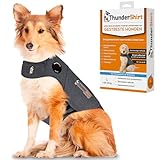
- Consider an
Check Price on Amazon →
for dogs showing stress signals during training sessions
Remember: A dog who's choosing to move away is communicating beautifully. Respect that choice.
Red Flag Behaviors That Require Professional Help
Most dog-child challenges can be worked through at home, but some situations demand expert intervention. Seek help from a certified professional (CPDT-KA, IAABC member, or veterinary behaviorist) immediately if your dog:
- Growls, snaps, or lunges at children without clear warning signs
- Shows stiff body language, hard stares, or a frozen posture around kids
- Has bitten or attempted to bite a child
- Guards resources (food, toys, spaces) aggressively when children are present
- Shows intense fear that isn't improving with gradual exposure
- Displays predatory behavior like stalking or intense focus on babies
Don't wait for things to escalate. A single bite can have serious consequences for both your child and your dog.
Creating an action plan for setbacks: Progress isn't always linear. If your dog regresses, reduce environmental triggers, go back to basics with foundational commands, and increase management tools like gates and supervision. Most importantly, stay consistent. Dogs thrive on predictability, especially when they're learning to navigate the unpredictable world of living with small humans.
Long-Term Success: Maintaining Harmony as Children Grow
The relationship between your dog and your children isn't "set it and forget it"—it's a living, breathing dynamic that needs nurturing as everyone grows. The boundaries that worked when your toddler was two won't necessarily fit when they're seven, and your dog's needs will shift too.
Adapting to Your Child's Developmental Stages
As your toddler becomes a preschooler, then a grade-schooler, their interactions with your dog will naturally evolve. A three-year-old needs constant supervision; a six-year-old can learn to recognize when the dog needs space. Use these transitions as opportunities to level up.
When your child starts understanding cause and effect (around age 4-5), begin teaching them to read your dog's body language. Make it a game: "Is Buddy's tail wagging fast or slow? Are his ears forward or back?" This awareness becomes a superskill that protects both child and dog.
Around ages 6-8, most children can start taking on age-appropriate responsibilities. They might help fill water bowls, dispense treats during training sessions you supervise, or brush the dog with your guidance. Keep tasks simple and always monitor—we're building confidence and respect, not creating unsupervised scenarios.
Check Price on Amazon →
The Check-In Habit
Schedule monthly "state of the union" assessments. Ask yourself:
- Is my dog still seeking out my child's company, or avoiding them?
- Have I noticed any new stress signals—lip licking, yawning, moving away?
- Are the boundaries I set still working, or do we need adjustments?
- Is everyone still following the house rules consistently?
Be honest. If your dog has started hiding when your now-mobile toddler enters the room, that's valuable information. Don't wait for a problem—adjust management and reinforce those safe zones immediately.
Keeping Everyone in the Game
Never stop rewarding good interactions. Yes, even years down the road. When your eight-year-old gently pets your dog and the dog leans in happily, acknowledge it: "I love how gentle you were—look how much Max enjoyed that!" When your dog walks calmly past your child's snack without begging, mark it with praise or a treat.
This isn't about being a helicopter parent or pet owner. It's about recognizing that positive reinforcement never expires. The behaviors we reward continue; the ones we ignore fade away.
Celebrate the Small Wins
Did your three-year-old remember to use "gentle hands" without prompting? That's huge. Did your dog choose to settle on their
Check Price on Amazon →
instead of investigating your child’s art project? Victory.
These daily moments of success matter more than the absence of problems. They're building a foundation of trust and respect that can weather the chaos of childhood, teenage years, and beyond.
Keep your expectations realistic. Some days will be messy. Your child will forget the rules. Your dog will have an off day. You'll be tired and less vigilant. That's not failure—that's life with kids and dogs. What matters is the overall trajectory, the commitment to keeping everyone safe and happy, and the willingness to adjust when something isn't working.
The bond between a child and dog is worth every bit of effort you put in.
Frequently Asked Questions
At what age can I start training my dog to be around my toddler?
Begin preparation immediately, ideally before the child arrives or as soon as you bring home your dog. Puppies and newly adopted dogs need several weeks of foundation training first. Start desensitization with child sounds and slow, controlled introductions. Always prioritize management and supervision over expecting perfect behavior from an untrained dog.
Is it ever safe to leave my dog alone with my toddler?
No—active supervision should be maintained at all times, regardless of training level or temperament. Even the gentlest dog can react defensively if hurt or startled by a child. Toddlers lack impulse control and cannot be expected to follow rules consistently. Separation using baby gates or closed doors is appropriate when you cannot actively supervise. This precaution protects both your child's safety and prevents your dog from getting into trouble.
What should I do if my dog growls at my child?
Do not punish the growl—it's a valuable warning signal that prevents bites. Immediately separate the dog and child calmly and without drama. Analyze what triggered the growl (pain, resource guarding, fear, invasion of space). Increase management and physical separation while you address the underlying issue. Consult with a certified professional dog trainer or veterinary behaviorist for a safety assessment and training plan. Never ignore warning signs or hope the problem resolves itself.
How do I stop my dog from jumping on my toddler?
Prevent opportunities by using baby gates and management during high-excitement times. Train an incompatible behavior like 'sit' or 'four on the floor' that gets rewarded heavily. Teach your dog to go to a designated spot when children enter the room. Ensure your dog gets adequate exercise and mental stimulation to reduce excess energy. Reward calm greetings and ignore (turn away from) jumping behavior. Practice with controlled setups before allowing natural interactions.
Can I train an older dog who has never been around children before?
Yes, but approach with patience and realistic expectations based on the dog's history and temperament. Start with very gradual exposure at a distance where the dog remains calm. Use high-value treats to build positive associations with children's presence. Progress slowly through systematic desensitization without forcing interactions. Some dogs with no child experience may always need careful management rather than free access. Consider consulting a professional to assess your specific dog's potential and create a safe plan.