Dogs Suddenly Not Getting Along? 7 Fixes That Work (2026)
Introduction
You walk through your front door after a routine trip to the grocery store, and instead of the usual enthusiastic greeting, you're met with a scene that makes your stomach drop: your two dogs who've been best friends for years are standing rigid, hackles raised, growling at each other. Or maybe it happened right in front of you—one moment they're peacefully coexisting, the next they're in a full-blown argument over seemingly nothing.
This is terrifying. I've worked with hundreds of owners who describe this exact scenario, and the fear in their voices is always palpable. These are dogs who've shared water bowls, slept curled up together, and played tug-of-war without incident. Now you're afraid to leave them alone together. You're wondering if you'll need to rehome one of them. You might even be questioning whether you missed warning signs or somehow caused this.
Take a deep breath. You're not alone, and this situation is far more common than most people realize.
You Haven't Failed as a Dog Owner
Here's what many owners don't know: sudden relationship changes between household dogs happen frequently, even in the most loving, well-managed homes. I see this in my practice at least once a week. Dogs are complex social animals, and their relationships are constantly evolving. What looks "sudden" to us has usually been building beneath the surface, or stems from factors completely outside your control.
The good news? In most cases, you can restore peace to your household. I won't sugarcoat it—it takes time, management, and consistency—but the majority of multi-dog conflicts are fixable when you understand what's driving them.
What's Actually Happening
When previously friendly dogs suddenly clash, it typically falls into a few categories:
Medical issues are surprisingly common culprits. A dog in pain becomes irritable and less tolerant. I've seen "aggressive" dogs transform back into their sweet selves after treating an ear infection, dental disease, or arthritis.
Environmental and routine changes can destabilize even solid relationships. A new work schedule, a move, construction noise, or even seasonal changes can create stress that spills over into dog-dog interactions.
Resource guarding might be emerging or intensifying. This isn't just about food bowls—dogs can guard you, sleeping spots, doorways, or even sunbeams.
Maturity and life stage shifts change the game. That puppy just hit social maturity (18-24 months). Your senior dog has less patience than she used to. These transitions can reshape household dynamics overnight.
What You'll Learn
In this guide, I'm giving you a clear action plan. We'll identify what's causing the conflict, implement immediate safety measures, and work through specific training protocols to rebuild your dogs' relationship. You'll learn when to seek professional help and how to prevent future conflicts.
Your dogs' friendship isn't necessarily over—it just needs some thoughtful intervention.
Why Dogs Who Got Along Suddenly Stop: Common Triggers
Here's the truth: your dogs didn't wake up one morning and decide they suddenly hated each other. Despite how it feels, conflict between previously friendly dogs almost never happens "out of nowhere." There's always a reason—sometimes obvious, often subtle—and identifying that trigger is your first step toward fixing the problem.
I've worked with hundreds of multi-dog households, and the most common mistake owners make is jumping straight to management or training without understanding what changed. You need to become a detective first, because the solution depends entirely on the cause.
Medical Issues and Pain
This is where I always start, and you should too. A dog in pain becomes less tolerant, more reactive, and may lash out when approached or bumped. I've seen countless cases where sudden aggression disappeared after treating an ear infection, dental disease, or arthritis.
What to watch for: limping, stiffness after rest, sensitivity to touch, decreased activity, changes in appetite, or increased sleeping. Senior dogs especially may develop painful conditions that make them grumpy with their housemates. Schedule a vet exam before anything else—it's not optional.
Social Maturity (18 Months to 3 Years)
Dogs don't reach social maturity until 18-36 months, and this transition often triggers conflict in previously peaceful households. Your "puppy" who adored your older dog may suddenly start challenging them for resources, space, or social status.
This is completely normal development, not a personality defect. The younger dog isn't being a jerk—they're simply maturing and renegotiating their relationship. Same-sex pairings, particularly two females or two intact males, face higher risk during this period.
Resource Guarding Development
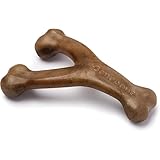
Resource guarding can emerge gradually or seemingly overnight. A dog who never cared about toys might suddenly stiffen when their housemate walks past their
Check Price on Amazon →
. Common triggers include:
- High-value items (bones, bully sticks, new toys)
- Food bowls, even when empty
- Sleeping spots, furniture, or crates
- Attention from favorite humans
- Doorways and narrow hallways
The key word is "value." What your dog guards tells you what matters most to them right now.
Environmental Stressors and Household Changes
Dogs don't handle change as well as we'd like to think. New baby? Move to a new house? Change in your work schedule? Construction noise next door? These stressors don't directly cause fighting, but they lower everyone's tolerance threshold. Stressed dogs have shorter fuses.
Even positive changes create stress. That new puppy you brought home? Stressful for your resident dogs. The house renovation that'll look beautiful? Currently stressful.
Redirected Aggression Events
This is the "suddenly snapped" scenario owners describe. One dog gets aroused by something outside—a squirrel, the mailman, another dog passing by—and immediately redirects that energy onto their nearby housemate. One redirected aggression incident can permanently damage a relationship, creating fear and tension where none existed before.

Check Price on Amazon →
The good news? Once you identify the trigger, you can build an appropriate solution. The bad news? Sometimes multiple triggers overlap, requiring patience and systematic detective work.
Reading the Warning Signs: Is This Serious or Solvable?
When your dogs start squabbling, your first instinct might be panic. But here's the truth: not every growl or snap means your dogs are mortal enemies. Learning to read the difference between normal canine communication and genuine conflict is crucial for responding appropriately—and keeping everyone safe.
Normal Dog Communication vs. Conflict
Dogs have their own language, and some of it looks scarier than it actually is. A well-socialized dog might give a quick air snap or a low growl to tell another dog, "Back off, that's mine." This is normal correction—one dog setting a boundary, and the other respecting it. You'll notice the interaction ends quickly, both dogs move on, and nobody seems rattled.
Posturing is another normal behavior. Dogs make themselves look bigger, hackles go up, they might stand over toys or doorways. When it's healthy communication, the other dog reads the signal and chooses to defer or negotiate. There's tension, but it dissipates.
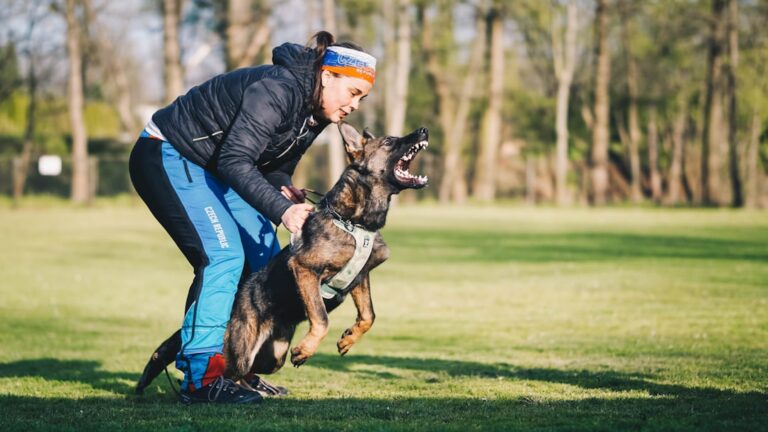
Genuine aggression looks and feels different. The energy doesn't de-escalate. Instead of one quick correction, you see sustained intensity—prolonged staring, bodies going rigid, or repeated attempts to engage even after the other dog has backed down.
Red Flags That Require Immediate Intervention
Watch for these body language signals that indicate serious trouble:
- Stiff, frozen posture with weight shifted forward
- Hard stares that don't break, even with distraction
- Whale eye (showing the whites of their eyes while fixated on the other dog)
- Freezing mid-motion before launching forward
- Repeated lunging or fence-fighting behavior
- Pinned ears with wrinkled muzzle combined with forward movement
Here's a critical assessment: evaluate the damage, not just the drama. Two dogs can make an enormous racket—barking, snarling, tumbling—and separate without a scratch. That's often more about noise than intent. But if you're finding puncture wounds, torn skin, or one dog actively trying to hurt the other, that's a different story entirely.
Seek professional help immediately if you see:
- Actual bite wounds that break skin
- One dog targeting vulnerable areas (throat, belly, face)
- A clear pattern of escalation over days or weeks
- Fear responses: one dog hiding, refusing to eat, or showing stress signals around the other
- Redirected aggression toward humans who intervene
- Complete inability to redirect their attention once triggered
Check Price on Amazon →
Safety comes first, always. If you're seeing genuine aggression, separate your dogs immediately using
Check Price on Amazon →
or closed doors. This isn’t giving up—it’s preventing “rehearsal” of aggressive behavior. Each time dogs practice fighting, those neural pathways get stronger, making the behavior harder to reverse.
A single serious incident deserves a professional evaluation. Multiple incidents or increasing intensity? You need a certified dog behaviorist or veterinary behaviorist now, not later. Some situations are beyond DIY fixes, and there's no shame in admitting that. Your job is keeping everyone safe while you work toward a solution.
Step 1: Rule Out Medical Causes First
Before you dive into behavior modification or training protocols, you need to eliminate the most common culprit behind sudden aggression between dogs: pain.
I can't tell you how many times I've worked with clients convinced their dogs had developed a relationship problem, only to discover one dog was suffering from a painful ear infection or arthritis. Dogs can't tell us when they hurt, so they communicate through behavior changes instead.
Why Pain Changes Everything
When a dog is in pain, their tolerance for normal canine interactions plummets. A playful nudge from their dog sibling becomes intolerable. An accidental bump while walking past triggers a snap. The dog in pain isn't being "mean"—they're protecting themselves from further discomfort.
Here's what makes this tricky: the aggressor isn't always the one with the medical issue. Sometimes a healthy dog picks up on weakness or illness in their companion and begins bullying them. It's not malicious; it's instinct.
Schedule Vet Exams for Both Dogs
Yes, both dogs need to see the veterinarian, even if only one is showing aggression. Request a thorough physical examination and explain the sudden behavior change to your vet.
Common hidden pain sources include:
- Dental disease – Infected teeth or gum problems cause constant, throbbing pain
- Arthritis – Especially in dogs over seven years old; they may show no obvious limping
- Ear infections – Can make dogs head-shy and reactive to being approached
- Digestive issues – Chronic nausea or abdominal pain affecting mood and patience
- Injuries – Pulled muscles, thorn in paw, or other trauma you might have missed
Beyond Physical Pain
Don't stop at physical examination. Request bloodwork to check for:
- Thyroid problems – Hypothyroidism is strongly linked to sudden aggression and behavior changes
- Hormonal imbalances – Can affect mood regulation and stress responses
- Liver or kidney dysfunction – These organs affect how dogs feel and process information
The Senior Dog Factor
If you have an older dog (typically 8+ years depending on breed), ask your vet about canine cognitive dysfunction (CCD). This condition, similar to dementia in humans, causes confusion, anxiety, and increased irritability. A dog with CCD may suddenly become intolerant of their longtime companion because they're disoriented or anxious.
Safety During the Diagnostic Phase
While you're investigating medical causes, keep your dogs separated. Use
Check Price on Amazon →
or separate rooms to prevent further incidents. This isn’t a permanent solution—it’s a safety measure while you gather information.
Don't feel guilty about the separation. You're preventing rehearsal of aggressive behavior (which can become habit) and keeping both dogs safe from injury.
Once both dogs receive medical clearance from your veterinarian, you can move forward with behavior modification knowing you're not fighting an underlying health issue. If your vet does find a problem, treating it may completely resolve the conflict between your dogs.
Immediate Management: Creating Safety and Preventing Escalation
When dogs who previously got along suddenly start having conflicts, your first priority is safety—for both dogs and everyone in the household. Think of this phase as hitting the reset button. You're not solving the underlying problem yet; you're preventing it from getting worse while you figure out what's happening.
The golden rule: Never punish either dog during this time. Yelling, physical corrections, or isolating a dog as punishment only adds stress to an already tense situation. Remember, behavior problems stem from emotional states, and punishment amplifies negative emotions rather than resolving them.
The Crate-and-Rotate System
This becomes your new temporary normal. The concept is simple: the dogs are never loose together unsupervised. One dog has freedom while the other is in a separate room, crate, or behind a
Check Price on Amazon →
. Then you switch.
Create a written schedule and post it where everyone can see it. For example:

Check Price on Amazon →
- 7-10 AM: Dog A in living room, Dog B in bedroom
- 10 AM-1 PM: Switch
- 1-4 PM: Switch again
This prevents accidental interactions when you're distracted and ensures both dogs get adequate attention and exercise. Yes, it's inconvenient. But it's temporary and absolutely necessary.

Check Price on Amazon →
Safe Feeding Protocols
Food is often a flashpoint, even if it never was before. During this management phase:
- Feed in completely separate rooms with closed doors
- Pick up bowls immediately after meals—no free-feeding
- Remove all food-related items when dogs are together: bones, bully sticks, treat-dispensing toys
- Keep

Check Price on Amazon →
on you for training, but never toss treats when both dogs are present
If you've been feeding side-by-side, stop immediately. You can work back to that later, but right now, distance equals safety.
Managing Multiple Triggers
This concept is crucial: trigger stacking. Think of your dog's stress tolerance as a bucket. Each stressful event adds water to that bucket. The mailman, a skipped walk, construction noise outside, and then seeing the other dog—suddenly the bucket overflows into reactive behavior.
Your job is to keep both buckets as empty as possible:
- Maintain consistent routines for walks, meals, and sleep
- Reduce household chaos where possible
- Provide adequate physical exercise (separately)
- Ensure both dogs have quiet, comfortable resting spaces
Management tools you might need:
- Keep leashes indoors near doorways for quick, calm control if needed
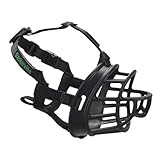
- If there's any bite risk, consider muzzle training—properly conditioned muzzles are safety tools, not punishment
- Remove toys, beds, and other resources from shared spaces temporarily
- Use visual barriers (baby gates with blankets over them) if one dog obsessively watches the other
This isn't forever. This is the foundation that makes actual behavior modification possible. You're creating an environment where both dogs can decompress, and you can observe patterns without constant crisis management. Most owners want to skip this step and jump straight to "fixing" things, but without solid management, you're building on sand.
Document everything during this phase: when conflicts occur, what preceded them, and each dog's body language. These observations will guide your next steps.
Reintroduction Protocol: Rebuilding Positive Associations
When dogs who once got along suddenly become antagonistic, the reintroduction process is your roadmap back to harmony. Think of this as hitting the reset button on their relationship—but slowly, deliberately, and with plenty of positive reinforcement along the way.
The golden rule? Don't rush. I've seen countless owners undo weeks of progress by pushing their dogs together too quickly because they "seemed fine." Patience isn't just a virtue here—it's the difference between success and a serious setback.
Week 1-2: Decompression and Parallel Activities
Your dogs need breathing room first. Keep them completely separated during this phase, but start creating positive associations from a distance.
Parallel walking is your secret weapon. Take both dogs on walks with two handlers, keeping them 20-30 feet apart (or whatever distance keeps both dogs relaxed). You're looking for loose body language—soft eyes, natural gait, maybe even some sniffing around. Reward calm behavior constantly with high-value treats like small pieces of chicken or cheese.
Check Price on Amazon →
The goal isn't interaction yet. You're simply teaching both dogs that the other's presence predicts good things. Walk the same routes, maintain that comfortable distance, and gradually—over days, not hours—decrease the gap by just a few feet if both dogs remain calm.
What calm looks like: Loose tail wags (not stiff), ears in natural position, ability to take treats, responding to you. Any staring, stiffness, or refusal to eat means you're too close.
Week 3-4: Controlled Visual Contact
Now we add visual contact through barriers. Use a
Check Price on Amazon →
or keep dogs on opposite sides of a glass door. Feed meals near (but not right at) the barrier. Practice basic obedience commands with high-value rewards while the other dog is visible but separated.
This is the perfect time to introduce the "Look at That" (LAT) game. When one dog notices the other, mark it ("yes!") and reward. You're changing the emotional response from "that dog is a threat" to "that dog means I get treats." Start at distances where your dog can glance at the other and immediately look back to you.
Keep sessions short—5 to 10 minutes, multiple times daily. Quality beats quantity every time.
Week 5+: Supervised Proximity and Interaction
Only move to this phase when both dogs show consistently relaxed body language during visual contact. Start with both dogs on leash in a neutral space (not your home initially). Keep interactions brief and positive.
If you see tension—hard stares, lip licking, whale eyes, raised hackles—immediately increase distance. Don't correct either dog; simply create more space and go back a step in your protocol. Tension isn't failure; it's information telling you to slow down.
End every session on a positive note, even if that means cutting it short. Five good minutes trumps twenty stressful ones. You're rebuilding trust brick by brick, and that takes the time it takes.
Addressing Specific Conflict Triggers
Once you've identified what's causing the tension between your dogs, you can tackle the problem with targeted strategies. Cookie-cutter solutions rarely work—what resolves resource guarding won't help with territorial disputes. Let's break down the most effective approaches for each common trigger.
Food and Toy Guarding Solutions
Resource guarding is one of the most common culprits when previously friendly dogs start fighting. The fix starts with removing the opportunity for conflict.
Feed your dogs in completely separate spaces. I mean truly separate—different rooms with closed doors, not just opposite corners of the kitchen. This eliminates competition and lets both dogs relax during meals. Use

Check Price on Amazon →
bowls if one dog finishes quickly and tries to steal from the other.
For toy and chew guarding, practice the "nothing is yours forever" rule. High-value items like bones or stuffed Kongs should be given in separate areas and picked up after 15-20 minutes. Train a rock-solid "drop it" command using positive reinforcement:
- Start with low-value items
- Offer a treat better than what they're holding
- Mark with "yes!" when they release
- Gradually work up to prized possessions
Never punish guarding behavior. This makes dogs more anxious about their resources and often escalates aggression. Instead, teach them that humans approaching means good things happen—toss treats near the guarding dog without reaching for their item.
Attention and Affection Conflicts
Jealousy between dogs often surfaces as one dog shoving between you and the other, or snapping when you pet their housemate. This is actually attention-seeking behavior that's been accidentally reinforced.
The solution is teaching polite waiting and rewarding calm behavior. When both dogs rush you for attention, ignore them completely until they settle. The moment one sits or backs off, that dog gets attention first. Switch between dogs randomly so neither learns that pushy behavior works.
Create a "place" command where each dog learns to go to their own bed or mat and stay there calmly. Reward heavily for lying quietly while you interact with the other dog. This builds patience and impulse control—critical skills for multi-dog households.
Space and Territory Management
Territorial conflicts often worsen as dogs mature, especially between same-sex pairs. Male dogs typically experience social maturity between 18-36 months, when they may suddenly challenge another male they previously tolerated.
Give each dog their own safe zone where they can retreat without interference. This might be separate crates, different rooms, or designated beds that are off-limits to the other dog. Use
Check Price on Amazon →
to create physical boundaries when needed.
Check Price on Amazon →
Door reactivity—when dogs fight at windows, gates, or doorways—stems from barrier frustration. They're amped up by something outside and redirect that arousal onto each other. Management is key: block visual access to triggers with window film, keep dogs away from the front door when visitors arrive, and redirect their attention before they react. Practice calm "place" commands away from trigger zones, gradually decreasing the distance as they improve.
Remember: territorial issues rarely resolve on their own. Consistent management plus counter-conditioning creates lasting change.
Long-Term Harmony: Preventing Future Conflicts
Once you've successfully reintroduced your dogs, the real work begins. Think of conflict resolution not as a one-time fix, but as an ongoing commitment to managing the relationship between your dogs. Some households achieve complete harmony, while others require permanent management strategies—and that's okay.
Daily Routines for Multi-Dog Households
Individual attention is non-negotiable. Each dog needs dedicated one-on-one time with you every single day. This doesn't mean hours of training—even 10-15 minutes of focused interaction strengthens your bond with each dog individually and reduces competition for your attention.
Structure creates security. Dogs thrive when they know what to expect, so establish consistent daily routines:
- Feed at the same times in separate locations if needed
- Walk and exercise individually when possible, especially if fitness levels differ
- Rotate who gets specific privileges (like sleeping on the bed or riding shotgun)
- Maintain the same household rules for both dogs—inconsistency breeds resentment
Exercise requirements vary dramatically. Your 3-year-old Border Collie needs vastly different activity than your 10-year-old Basset Hound. Meeting each dog's physical needs separately prevents frustration from building up. An under-exercised dog is a powder keg waiting to explode.
Mental enrichment matters just as much as physical exercise. Bored dogs create their own entertainment, and that often means redirecting frustration toward their housemate. Rotate enrichment activities:
- Food puzzle toys and

Check Price on Amazon →
for independent feeding fun
– Scent work games (hiding treats around the house)
– Training sessions that challenge their brains
– Safe chewing outlets with appropriate
Check Price on Amazon →
options
Recognizing and Managing Ongoing Tension
Learn to read the room. Early warning signs include stiff body language, excessive staring, resource guarding subtle items (a spot on the couch, a view out the window), or one dog consistently blocking doorways. Address these immediately—don't wait until they escalate.
Set realistic expectations. Some dogs will never be best friends who cuddle together, and that's completely normal. Your goal is peaceful coexistence, not forced affection. If your dogs can be in the same room without tension, you've succeeded.
Be honest about what "resolved" means for your household. Complete resolution means dogs can share space, resources, and attention without supervision or intervention. Ongoing management means you'll always need strategies in place—separate feeding areas, vigilant supervision during greetings, or rotation schedules.
Some dogs may never be fully trustworthy together, particularly if:
- The conflict involved serious injury
- One dog has a history of sudden, unpredictable aggression
- Resource guarding remains intense despite training
- High arousal situations consistently trigger fights
There's no shame in permanent management. Using baby gates, crates, and careful supervision indefinitely keeps everyone safe. Safety always trumps our hopes for dog friendships.
The key is staying proactive rather than reactive. Monitor, adjust, and intervene early—every single day.
When to Call a Professional
Sometimes, despite your best efforts, the situation between your dogs requires expert intervention. Recognizing when you've reached that point isn't a failure—it's responsible pet ownership.
Finding the Right Behavior Professional
Look for credentialed professionals who use evidence-based methods. Seek out trainers or consultants certified through:
- International Association of Animal Behavior Consultants (IAABC) – Certified Animal Behavior Consultants (CABC) have demonstrated extensive knowledge of learning theory and behavior modification
- Certification Council for Professional Dog Trainers (CCPDT) – Certified Behavior Consultant Canine-Knowledge Assessed (CBCC-KA) or Certified Professional Dog Trainer-Knowledge Assessed (CPDT-KA)
Your veterinarian can often provide referrals, or you can search these organizations' directories directly. A qualified professional will conduct a thorough assessment of both dogs, review the history of incidents, and create a customized behavior modification plan.
What Professional Help Actually Looks Like
Expect your first session to involve extensive observation and questions. A good behavior consultant will want to see your dogs interact (safely), understand your home layout, and learn about each dog's individual history. They'll likely recommend management strategies immediately while developing a longer-term training plan.
Professional behavior modification typically involves graduated exposure exercises, teaching alternative behaviors, and addressing each dog's underlying emotional state—whether that's fear, anxiety, resource guarding, or barrier frustration. You'll receive homework between sessions. This isn't a quick fix; meaningful change takes commitment.
Critical Red Flags to Avoid
Walk away immediately from any trainer who suggests:
- Alpha rolls, scruff shakes, or physical corrections
- Dominance theory or "pack leader" rhetoric
- Shock collars, prong collars, or punishment-based methods for aggression
These approaches can escalate aggression and damage your relationship with your dogs. Modern, science-backed training focuses on changing emotional responses and teaching new skills, not suppressing behavior through fear.
When Professional Help Isn't Optional
Contact a certified professional immediately if you're experiencing:
- Any bite that breaks skin – Even minor punctures indicate the situation has escalated beyond typical corrections
- Rapid escalation – Fights increasing in frequency or intensity over days or weeks
- Predatory behavior – One dog stalking, fixating on, or attempting to injure the other without warning signals
- Fear-based aggression – A dog showing persistent terror of the other, unable to relax in the same home
- Redirected aggression toward humans – When breaking up fights puts people at risk
In these situations, you may need to use
Check Price on Amazon →
or
Check Price on Amazon →
as temporary safety measures while working with your consultant.
Setting Realistic Expectations
With professional guidance, you might see small improvements within 2-4 weeks, but significant behavior change typically takes 3-6 months of consistent work. Some cases require ongoing management for the dogs' entire lives together.
When Rehoming Is the Answer
Here's the difficult truth: some dogs simply cannot safely coexist. If professional assessment reveals incompatible temperaments, severe resource guarding that can't be managed, or if one dog's quality of life is severely diminished by constant stress, rehoming may be the kindest choice for everyone involved. A behavior consultant can help you make this decision and ensure any rehoming is done responsibly.
Frequently Asked Questions
How long does it take for dogs to get along again after a fight?
Timeline varies: minor scuffles may resolve in 2-4 weeks, serious conflicts can take 3-6 months or longer. Depends on severity, underlying cause, consistency of training, and individual dog temperaments. Some dogs may require permanent management rather than complete resolution. Progress is not always linear – expect some setbacks during the process.
Should I let my dogs 'work it out' themselves?
Never allow dogs to fight it out – this is outdated and dangerous advice. Fighting creates learned behavior patterns and damages the relationship. Physical intervention during active fight is dangerous; use loud noises, barriers, or spray bottles to interrupt. Proper solution involves preventing rehearsal and rebuilding positive associations through training.
Can dogs who have fought badly ever live together safely again?
Yes, many dogs can coexist peacefully again with proper intervention, but success depends on multiple factors. Best outcomes when: conflict caught early, clear trigger identified, both dogs respond to training, owners commit to protocol. Some cases require permanent management with supervised interaction only. Severe cases with repeated bites or deep-seated fear may require separation or rehoming for everyone's safety.
Is this normal when one dog reaches maturity?
Yes, social maturity (18 months to 3 years) is a common time for relationship changes between dogs. Particularly common in same-sex pairs, especially females. The younger dog matures and challenges the existing social structure. Not inevitable – many dogs maintain good relationships, but conflicts during this period are very common. Proper management during maturity prevents long-term problems.
Should I get rid of all toys and treats to prevent fighting?
Temporary removal during acute conflict phase helps prevent triggers. Long-term goal is teaching both dogs to share space calmly, not permanent deprivation. Reintroduce resources gradually during training as dogs show improved behavior. Some dogs may always need separate feeding areas or toy management – this is acceptable. Focus on teaching impulse control and positive associations rather than just removing everything.