
Train Your Dog to Stay Off Furniture on Command (2026 Guide)
Introduction: Why Teaching 'Off' Matters for Your Dog and Your Furniture
Picture this: You've just settled into your favorite armchair with a cup of coffee when your 70-pound Labrador decides your lap is the perfect spot for a nap. Or maybe you're hosting guests, and your muddy-pawed pup launches onto the freshly cleaned sofa before you can say "no."
If you've been there, you're not alone. Furniture-loving dogs are one of the most common frustrations I hear about from clients—but here's the good news: you don't have to choose between banning your dog from furniture forever or giving up control of your own home.
The Power of "On-Command" Control
There's a crucial difference between keeping dogs off furniture completely and teaching them the "off" command. A blanket furniture ban might work for some households, but many of us actually want to cuddle with our dogs on the couch during movie night. The key is teaching your dog that furniture access is a privilege you control, not a right they assume.
The "off" command gives you flexibility. Your dog can join you for cozy evenings, but they also need to vacate immediately when you ask—whether that's because guests are arriving, they're muddy, or you simply need your space.
Why This Command Is About More Than Clean Upholstery
Yes, teaching "off" protects your furniture from dirt, hair, and wear. But the benefits run much deeper:
Prevents resource guarding: Dogs who claim furniture as "theirs" may growl or snap when asked to move. Teaching "off" early establishes that you control access to valued resources, preventing possessive behavior before it starts.
Reinforces healthy boundaries: Your dog learns that you set the rules in your home. This isn't about dominance—it's about clear communication that reduces your dog's stress and confusion.
Keeps everyone safe: A large dog jumping on elderly relatives or small children can cause injuries, even when being friendly. "Off" gives you instant control in these situations.
Maintains your sanity: Let's be honest—sometimes you just want to sit down without negotiating for space or sharing your seat with a panting furball.
What You'll Learn in This Guide
This isn't a quick-fix article promising overnight results. Instead, I'll walk you through a proven, step-by-step approach using positive reinforcement methods—the same techniques I've used successfully with hundreds of dogs over my 15+ years of professional training.
You'll learn how to teach "off" from scratch, troubleshoot common setbacks (like the dog who immediately jumps back up), and maintain the behavior long-term. We'll cover everything from choosing the right rewards to managing your dog's access during the training process.

Check Price on Amazon →
Whether you're starting with a furniture-obsessed puppy or retraining an adult dog who's claimed your couch as their throne, this guide will give you the tools to reclaim your furniture—without sacrificing those cozy moments with your best friend.
Understanding Why Dogs Love Furniture (And Why That Matters for Training)
Before you can successfully train your dog to stay off the couch on command, you need to understand what draws them there in the first place. This isn't just academic curiosity—knowing the "why" behind the behavior directly shapes how effective your training will be.
The Appeal of Elevation
Dogs are den animals with strong instincts about their environment. Elevated positions offer two major advantages: security and visibility. From your couch or bed, your dog can survey their territory and spot potential threats (or the mail carrier) much earlier. This elevated vantage point taps into ancestral survival instincts. Even your tiny Chihuahua feels more confident when they can see what's coming.
This is particularly true for anxious or vigilant dogs. If your dog rushes to the couch whenever someone approaches the house, they're likely using it as a lookout post, not just seeking comfort.
Your Scent = Their Happy Place
Here's the truth that makes furniture bans so challenging: your couch is saturated with your scent, and to your dog, that's like a warm hug. Dogs have up to 300 million olfactory receptors compared to our measly 6 million. When they burrow into that couch cushion, they're essentially wrapping themselves in you.
This is why your dog often chooses your favorite chair over the pristine guest room sofa. The bonding motivation is powerful—they want to be close to you, even when you're not home. Understanding this helps you approach training with empathy rather than frustration.
Comfort Is Non-Negotiable
Let's be honest: would you rather nap on a plush sofa or a hard tile floor? Your dog feels the same way. Soft surfaces cushion joints, regulate temperature better than hard floors, and simply feel good. This is especially important for older dogs with arthritis or breeds prone to joint issues.

Check Price on Amazon →
How This Knowledge Shapes Your Training Strategy
Understanding these motivations means you can't just say "no" and expect lasting results. Instead, you need to:
Provide acceptable alternatives that meet the same needs. If your dog loves the couch for its elevation, give them a raised dog bed near a window. If it's about your scent, place an unwashed t-shirt on their designated bed.
Address the underlying need, not just the symptom. An anxious dog using furniture as a security post needs confidence-building exercises alongside boundary training.
Consider individual factors. A young, energetic Border Collie might hop on furniture out of boredom and need more mental stimulation. A senior Golden Retriever might genuinely need that soft surface for achy joints. A small breed like a Yorkie may seek elevation because they feel vulnerable at ground level.
When you frame training as "here's an even better option" rather than pure restriction, you'll see faster, more reliable results. Your dog isn't being stubborn—they're being logical. Once you provide equally appealing alternatives and teach clear boundaries, the furniture becomes less irresistible.
Pre-Training Essentials: Setting Your Dog Up for Success
Before you teach a single command, let's build the foundation for success. Trust me—skipping these steps is like trying to build a house without laying a foundation first.
First things first: What are your actual rules? Sit down with everyone in your household and decide: Is furniture completely off-limits? Can your dog join you when invited? Or is the couch fair game after evening walks when paws are clean? There's no wrong answer, but inconsistency will confuse your dog and sabotage your training. I've seen countless cases where one person allows couch snuggles while another scolds the dog—this creates an anxious, confused pet who doesn't know what's expected.
Once you've established your rules, create an alternative your dog actually wants to use. A thin, flat bed in the corner won't cut it if you're lounging on a plush sofa. Invest in comfortable floor options like orthopedic beds with bolsters, or elevated cots that keep your dog off cold floors. Place these alternatives near the furniture—you want your dog's special spot to be part of the family action, not isolation. My own retriever ignored her bed for weeks until I positioned it right beside the couch where she could still be "with" us.
Check Price on Amazon →
Check your dog's obedience foundation before starting furniture training. Does your dog understand "yes" and "no" markers? Can they hold a basic "sit" or "down" for at least 10 seconds? If not, work on these skills first. You're not looking for perfection, just basic understanding of how training works and that following cues leads to rewards.
Choosing the Right Rewards for Your Dog
Not all treats are created equal. For furniture training, you need high-value rewards—something your dog would do backflips for. Think small pieces of chicken, cheese, or freeze-dried liver, not their regular kibble. The reward needs to outweigh the comfort of that tempting sofa.
Keep rewards tiny (pea-sized) so you can deliver lots of repetitions without upsetting your dog's diet. A
Check Price on Amazon →
keeps rewards accessible and prevents you from fumbling around, which breaks training momentum.
Test your rewards: Offer a piece, then walk away. Does your dog follow you eagerly for more? That's your winner.
Management Tools: Baby Gates and Furniture Blockers During Training
Here's a reality check: You can't watch your dog 24/7, especially during the early training phases. Management prevents mistakes, and every time your dog successfully jumps on the furniture unsupervised, they're practicing the wrong behavior.

Check Price on Amazon →
Use baby gates to block access to furniture-filled rooms when you can't supervise. Place laundry baskets, cardboard boxes, or aluminum foil on couch cushions (many dogs dislike the texture and sound). These aren't permanent solutions—they're training wheels that prevent rehearsal of unwanted behavior while you're actively teaching the right choice.
Get everyone on the same page. Hold a quick family meeting. Agree on the command you'll use (I recommend "off" rather than "down," which often means lie down), the reward system, and who's responsible for management during training. Write it down if needed. Consistency among all family members isn't just helpful—it's absolutely essential.
Step-by-Step: Teaching the 'Off' Command from Scratch
Before you begin, let's clear up a common confusion: choose "off" rather than "down" for this behavior. Reserve "down" for lying down, and use "off" specifically for getting off furniture, people, or other surfaces. This prevents mixed signals that confuse your dog.
Other options like "floor" or "down low" work fine too—just stay consistent with whatever word you choose.
Training When Your Dog Is Already on the Furniture
This is where most of us start, since our dogs have already claimed the couch as their kingdom.
Stage 1: Luring your dog off furniture with treats
Hold a high-value treat near your dog's nose while they're on the furniture. Slowly move it downward toward the floor, creating a "scent trail" they'll want to follow. The moment all four paws hit the ground, immediately praise and reward.
Stage 2: Adding the verbal command as dog moves
Once your dog reliably follows the lure, say "off" in a clear, friendly tone as they're in the motion of jumping down. You're creating an association between the word and the action they're already doing.
Stage 3: Saying command before luring
After 15-20 successful repetitions, start saying "off" before you move the treat. Give them a second to process, then lure if needed. Some dogs will surprise you and jump down on the verbal cue alone.
Stage 4: Fading the lure and rewarding compliance
Gradually make your hand movement smaller. Eventually, just say "off" and wait 3-5 seconds. If they comply without the lure, jackpot them with multiple treats and enthusiastic praise! If not, go back one stage for a few more sessions.

Check Price on Amazon →
Stage 5: Adding distance and distractions
Practice from across the room. Have family members walk by. Turn on the TV. Real life is messy, so your dog needs to generalize this command in various situations.
Proactive Training: Teaching 'Off' Before They Jump Up
Here's the preventive approach: as your dog approaches the furniture, pat the floor and say "off" enthusiastically, then reward them for staying on the ground. This teaches them that "off" means "don't get on" as well as "get down."

Check Price on Amazon →
Using a Leash for Extra Control (When Necessary)
For stubborn cases or large dogs, attach a lightweight leash indoors during training sessions. If they ignore your "off" command, apply gentle pressure to guide them to the floor—never yank. Release pressure the instant they move in the right direction, then reward.

Check Price on Amazon →
Timing Your Rewards for Maximum Effectiveness
Reward within one second of all four paws hitting the floor. Any longer and your dog may not connect the reward with the behavior. Keep treats in a
Check Price on Amazon →
so you’re always ready.
Realistic Expectations
Most dogs need 5-10 training sessions of 5-10 minutes each before they reliably respond to "off" without lures. Expect to practice 20-30 repetitions per session initially. Younger dogs and quick learners may nail it in a week, while older dogs with years of couch-surfing habits might need 2-3 weeks of consistent practice.
Patience pays off—you're building a skill that lasts a lifetime.
Teaching Permission-Based Furniture Access: The 'Up' Command
Here's a game-changer many owners overlook: teaching your dog when they can get on the furniture is just as important as teaching them to stay off. The 'up' command creates a permission-based system that gives you complete control without confusing your dog or making furniture a forbidden fruit.
Why 'Up' Changes Everything
When you only teach 'off,' your dog never really understands the rules. Are they never allowed up? Sometimes okay? Only when you're not looking? By pairing 'off' with 'up,' you're communicating clearly: "I decide when you can join me, and I'll tell you when that is."
This balanced approach prevents the frustration and sneaky behavior that comes from unclear boundaries. Your dog learns that furniture access is a privilege you grant, not something they take.
The Step-by-Step Training Process
Start with your dog on the floor and you sitting on the furniture. Hold a treat in your hand and pat the cushion beside you while saying "up!" in an inviting tone. When your dog jumps up, immediately reward and praise enthusiastically.
Practice this several times daily for a week. The goal is making 'up' mean "you have permission right now."
Next comes the crucial part: preventing uninvited access. When your dog attempts to jump up without being invited, immediately block them with your body or hand (gently but firmly) and say "wait" or "not yet." Don't use 'off' here—they're not on the furniture yet. After a few seconds, invite them up with your 'up' command and reward heavily.
Check Price on Amazon →
This teaches them that waiting for permission gets rewarded, while self-rewarding doesn't work.
Creating a Workable Routine
Consistency makes or breaks this system. Establish clear patterns your dog can recognize:
- When you sit down to watch TV: Invite them up after you're settled
- During meals: They must stay off, no exceptions
- When guests arrive: They wait on the floor until released
- Bedtime: Give a clear 'up' command if they're allowed on the bed
If your dog starts whining or pawing at the couch to ask permission, you have two options. You can ignore the behavior completely until they settle, then invite them up—teaching that calm waiting earns access. Or establish a specific "asking" behavior like sitting politely nearby, which you can then reward with an 'up' command.
Stopping the Self-Reward Cycle
The biggest training killer? Letting your dog sneak up "just this once" when you're distracted. Every uninvited jump that succeeds trains them that boundaries are negotiable.
For the first month, you need to be vigilant. If you can't actively supervise, use
Check Price on Amazon →
to block furniture access or confine your dog to areas without tempting couches.
When you catch them mid-jump, interrupt with "ah-ah" and redirect them to their own
Check Price on Amazon →
, then reward them for choosing that spot instead. Make their designated space more appealing than unauthorized furniture access.
This permission-based approach takes effort upfront, but creates a dog who understands furniture etiquette for life.
Troubleshooting Common Challenges and Setbacks
Even with consistent training, you'll likely hit some speed bumps along the way. Here's how to handle the most common furniture training challenges without losing your mind.
Dog ignores the command completely? This usually means you moved too fast. If your dog stares blankly when you say "off," they genuinely don't understand what you're asking. Go back to practicing the command when they're already on the floor, rewarding them for being there. Then practice with just two paws on the furniture before expecting a full jump-down.
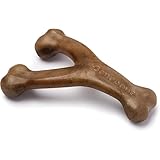
Immediately hopping back on is one of the most frustrating issues. This typically happens because getting off the furniture isn't actually rewarding yet. The furniture is comfortable, and the floor… isn't. Make the floor more appealing by tossing treats away from the furniture, playing a quick game, or giving them their favorite
Check Price on Amazon →
down there. The goal is to make “off” mean “something good happens on the floor,” not “you’re being punished.”
Selective listening usually indicates your dog has learned the command only works in certain contexts. If they respond in the living room but not the bedroom, or comply for you but not your partner, you haven't generalized the training enough. Practice in every room, at different times of day, and have every family member work on the command separately.
When guests arrive and excitement takes over, your dog's brain essentially goes offline. You can't expect perfect behavior during high arousal. Set up practice sessions with friends who can follow your training protocol. Start with calm visitors and gradually work up to more exciting scenarios. A
Check Price on Amazon →
can be invaluable during parties while your dog is still learning.
When to Go Back a Training Step
If you're stuck for more than a week, don't keep grinding away. Drop back to the last thing your dog could do successfully and rebuild from there. Training should feel like you're succeeding 80% of the time. If you're failing more than that, you've skipped a step somewhere.
Addressing Anxiety or Fear-Based Furniture Seeking
Resource guarding furniture is serious and needs careful handling. If your dog growls, stiffens, or snaps when asked to move, don't push through it. This requires counter-conditioning: teach them that people approaching the furniture predicts great things. Toss treats near (not on) the furniture without asking them to move. Gradually decrease distance over weeks. For severe cases, consult a certified behavior consultant.
Some dogs seek furniture because they're anxious, not comfortable. If your dog seems stressed on the floor—pacing, panting, or immediately trying to get back up—address the underlying anxiety first. Provide a
Check Price on Amazon →
at dog level and consider whether separation anxiety or other fears are driving the behavior.
Senior dogs or those with mobility issues deserve special consideration. Arthritic dogs may genuinely need softer surfaces. Instead of banning furniture entirely, designate one piece they can use, or provide orthopedic bedding that's as comfortable as your couch.
Multiple dogs? Train individually first. Dogs learn by watching each other—both good and bad habits. One trained dog can actually help teach another, but two untrained dogs will just reinforce each other's furniture surfing.
Maintaining Long-Term Success and Preventing Regression
The real challenge isn't teaching your dog to stay off furniture—it's keeping that behavior consistent six months from now. Many owners celebrate too early, only to find their dog back on the couch a few weeks later. Here's how to lock in that training for the long haul.
Why Intermittent Reinforcement Works Magic
Once your dog reliably responds to your furniture command, don't stop rewarding entirely. Instead, switch to an intermittent reinforcement schedule. Think of it like a slot machine—random, unpredictable rewards actually strengthen behavior more than predictable ones.
Check Price on Amazon →
After your dog has mastered the command for about two weeks, start rewarding maybe three out of every five times they obey. Then drop to two out of five, then one out of five. Your dog never knows which time will earn them a treat, so they'll stay motivated. Occasionally surprise them with a jackpot—several treats in a row or an extra-special reward—to keep their interest high.
Schedule Regular Refresher Sessions
Set a calendar reminder for monthly "furniture refresher" sessions. Spend 5-10 minutes practicing the command in different scenarios: when you have guests over, during exciting moments, or when your dog is particularly tired and tempted by that cozy couch.
These mini-sessions prevent skill fade and catch small regressions before they become big problems. If you notice your dog testing boundaries, increase refresher frequency to weekly until they're back on track.
Navigating Life Changes Without Losing Progress
Major transitions can confuse your dog about house rules. When moving to a new home, re-establish furniture boundaries on day one—don't wait until your dog has already claimed the new sofa. Treat it like starting fresh, with clear commands and consistent reinforcement.
New family members (babies, roommates, partners) require special attention. Before they arrive, ensure your dog's off-furniture behavior is rock-solid. Then brief newcomers on your exact commands and rewards system. When a new person lets your dog on furniture "just this once," you've essentially taught your dog that rules are negotiable.
Getting Everyone on the Same Page
Your carefully trained dog will revert to old habits if pet sitters or visitors undermine your rules. Create a simple one-page instruction sheet that includes:
- Your exact verbal command
- Where your dog should go instead
- How to reward compliance
- What to do if your dog jumps up (never punish, just redirect)
Be explicit with guests: "Please don't invite Max onto furniture. He has his own comfortable bed right there." Most people respect clear, polite boundaries.
Adapting Rules as Life Evolves
As your dog ages, you might decide that arthritic joints deserve couch privileges—and that's okay. The beauty of positive reinforcement training is you can adjust rules compassionately. If you're relaxing furniture rules, create new boundaries: maybe they can sit on the couch only when invited, or only on a designated blanket you can wash.
The key is intentional rule changes, not gradual boundary erosion that confuses your dog.
Alternative Approaches and When to Seek Professional Help
Sometimes the "off" command alone isn't enough to create lasting furniture boundaries. Let's explore some complementary techniques and recognize when it's time to bring in expert support.
Place Training as a Complementary Skill
Teaching a solid "place" command works beautifully alongside furniture boundaries. This gives your dog a clear answer to "if not the couch, then where?" I've seen countless dogs who understood "off" but constantly tested boundaries simply because they didn't have an alternative they genuinely enjoyed.
Train your dog to go to a specific
Check Price on Amazon →
or mat on cue and stay there until released. Start by rewarding them for simply stepping onto their place, then gradually increase duration. Once reliable, you can redirect them: “Off… place!” This gives them a job to do rather than just a restriction to follow.
Boundary Training Using Mats or Markers
Some dogs respond exceptionally well to visual boundaries. Place a
Check Price on Amazon →
across doorways initially, or use yoga mats, runners, or even painter’s tape to mark “dog zones” versus “human zones.”
I worked with a Great Dane whose owner used inexpensive bath mats to define a no-dog perimeter around the living room furniture. Within two weeks, the dog wouldn't cross those mats even when the owner left the room. The visual marker somehow clicked for him better than verbal cues alone.
Recognizing Behavioral Issues vs. Training Issues
Here's the critical distinction: If your dog gets off furniture when asked but keeps returning, that's a training issue requiring more consistency. But if your dog shows any of these signs, you're dealing with something deeper:
- Growling, snapping, or stiffening when asked to leave furniture
- Only getting on furniture when you're away (separation anxiety indicator)
- Obsessively guarding one specific spot
- Destructive behavior when denied furniture access
- Excessive panting, drooling, or trembling when on the floor
These behaviors suggest anxiety, resource guarding, or insecurity—issues that need professional intervention, not just better training technique.
Signs You Should Consult a Professional
Don't wait until problems escalate. Seek professional help if:
- You've been consistent for 4-6 weeks with zero progress
- Your dog shows any aggression around furniture
- Multiple family members can't get the same results
- The behavior is worsening despite training efforts
- You feel frustrated, anxious, or unsafe
Finding a Qualified Positive Reinforcement Trainer
Look for trainers certified through reputable organizations like CPDT-KA, IAABC, or Karen Pryor Academy. Red flags include anyone who mentions "dominance," recommends shock collars, or guarantees results in unrealistic timeframes.
Ask potential trainers: "What do you do when a dog doesn't respond to a cue?" The right answer involves analyzing why the behavior isn't working and adjusting the approach—never punishment or intimidation.
A good trainer will evaluate your individual situation, watch your dog's body language, and create a customized plan. Sometimes an outside perspective spots issues we're too close to see, and there's zero shame in getting expert support for your furry family member.
Frequently Asked Questions
How long does it take to train a dog to stay off furniture on command?
Most dogs understand the basic 'off' command within 1-2 weeks of consistent training. Reliable compliance in all situations typically takes 4-8 weeks. Factors affecting timeline: age, prior habits, training consistency, and distractions. Older habits take longer to replace than teaching puppies from the start.
Should I ever let my dog on the furniture if I'm training them to stay off?
Decide first: never allowed, or allowed with permission only. Permission-based access is completely trainable and gives you flexibility. Inconsistency confuses dogs – whatever you choose, everyone must follow the same rules. If choosing permission-based, teach both 'off' and 'up' commands for clarity.
My dog growls when I ask them to get off the furniture. What should I do?
This is resource guarding behavior and requires careful handling. Never punish growling – it's a warning that prevents bites. Trade for something valuable: toss treats away from furniture, reward getting off. Work on 'drop it' and voluntary departures before adding pressure. Consult a certified professional if guarding persists or escalates – this can be dangerous.
What if my dog jumps back on the furniture right after getting off?
This means the reward for being OFF isn't strong enough yet. Increase treat value and give multiple rewards for staying off. Add a 'stay' or 'place' command to give them an alternative location. Make their floor bed more appealing than furniture during training period. Use management (closed doors, barriers) when you can't actively supervise.
Can I train an older dog to stay off furniture if they've been allowed on for years?
Yes – old dogs absolutely can learn new rules, though it takes patience. Expect the process to take longer than with a young dog learning from scratch. Make the transition easier by providing equally comfortable floor alternatives. Be especially consistent since you're changing established patterns. Use high-value rewards to motivate breaking the old habit.