Dog Only Listens to One Person? Training Fix That Works
Introduction: When Your Dog Only Listens to One Person
You call your dog to come inside. Nothing. Not even a glance in your direction. Ten seconds later, your partner says "Come," and your dog trots over immediately like they've been shot out of a cannon. Sound familiar?
If you've experienced this frustrating dynamic, take a deep breath—you're not alone, and more importantly, this doesn't mean your dog loves you less. What you're dealing with is a training consistency issue, not a relationship problem.
This selective listening pattern is one of the most common challenges I encounter with clients. It typically develops gradually, almost invisibly, until one day you realize your dog treats you like background noise while hanging on every word your spouse, roommate, or teenage daughter says. The good news? It's completely fixable once you understand what's really happening.
Why This Happens (And Why It's Not Personal)
Your dog isn't playing favorites based on emotional bonds. Dogs are incredibly practical creatures who learn through patterns and consequences. When your dog only listens to one person, it usually comes down to three key factors:
Consistency in follow-through – One person always ensures the dog complies with commands, while others sometimes let things slide. Dogs quickly learn whose commands are "optional suggestions" versus actual expectations.
Reinforcement history – One person might inadvertently deliver better timing with rewards, use more valuable treats, or create more positive associations with training moments.
Leadership perception – This isn't about dominance theory (which is outdated). It's about clarity. One person might communicate more clearly, set firmer boundaries, or exude more confidence during training interactions.
Here's a real example: Sarah contacted me when her German Shepherd would sit, stay, and come reliably for her husband but completely ignored her. After observation, I noticed Sarah would call the dog, get no response, then call again… and again. By the fifth attempt, she'd give up. Her husband? He'd give the command once, then walk over and gently guide the dog into position if needed, always following through. The dog simply learned that mom's commands were optional.
What You'll Learn in This Guide
In the following sections, I'll walk you through:
- The diagnostic process to pinpoint exactly why your dog ignores you
- Common training mistakes that create this pattern (you're probably making at least one)
- A step-by-step protocol to rebuild your training relationship
- How to get everyone in your household on the same page
- Specific exercises to transfer listening skills to the "ignored" person
Check Price on Amazon →
This Doesn't Define Your Bond
Before we dive in, let me be absolutely clear: your dog still loves you. The cuddles, the tail wags, the excitement when you come home—those are real. Training responsiveness and emotional attachment are separate things. I've worked with countless dogs who adored their owners but had learned inconsistent patterns that undermined obedience.
You're about to fix a training gap, not repair a broken relationship. Let's get started.
Why Dogs Only Listen to One Person: Understanding the Root Causes
If your dog comes running when your partner calls but completely ignores you, take a deep breath—you're not dealing with a canine conspiracy. Dogs aren't born with a natural preference for just one human. This selective listening is a learned behavior, shaped entirely by experiences and patterns in your household.
The science is actually quite straightforward: dogs respond to whoever has created the strongest reinforcement history with them. In operant conditioning terms, your dog has learned that certain people reliably predict good outcomes (treats, play, walks) while others… well, don't. It's not personal loyalty—it's pattern recognition.
Inconsistent Training and Commands
The number one culprit? Everyone in the household speaks a different "language" to the dog.
Dad says "down" when he wants the dog off the couch. Mom says "down" to mean lie down. Your teenager says "get down" while pushing the dog away. To your dog, these are three completely different cues with murky meanings. After enough confusion, your dog simply tunes out the unclear communicators and focuses on whoever is consistent.
The fix starts with a family meeting. Write down every command you use and agree on single words for each behavior. "Off" means four paws on the floor. "Down" means lie down. No variations, no exceptions.
Different Reinforcement Values Between Family Members
Here's where it gets interesting: not all family members are equally rewarding in your dog's eyes.
Maybe you give dry kibble during training while your spouse sneaks high-value treats. Perhaps one person follows through with the promised walk every single time, while another gets distracted and forgets. Your dog is essentially doing a cost-benefit analysis. Who's worth listening to?

Check Price on Amazon →
I've seen this countless times in my clients' homes. The "favorite person" is usually whoever controls the resources dogs care about most—meals, outdoor access, play sessions, or the best scratches. Start tracking who does what with your dog, and you'll likely spot the pattern immediately.
Tone, Body Language, and Confidence Differences
Dogs are masters at reading human body language and energy. A confident, clear command delivered with assertive (not aggressive) body language gets results. A hesitant, pleading tone while you're hunched over your phone? Your dog has already tuned out.
Watch how different family members interact with your dog. The "listened-to" person probably uses a firm, upbeat tone and stands tall with purposeful movements. Meanwhile, others might sound unsure, repeat commands multiple times, or give mixed signals with their body position.
The Primary Trainer Effect
This is simple mathematics: whoever spends the most time actively training gets the best responses. If one person attended puppy class, practices daily, and reinforces good behavior consistently, they've built thousands of positive repetitions. Everyone else is starting from scratch by comparison.
The good news? This effect isn't permanent. Any family member can become a reliable leader by investing time in structured, positive training sessions—even just five minutes daily makes a dramatic difference.
Diagnosing Your Specific Situation: Is It Respect, Fear, or Something Else?
Before you can fix selective listening, you need to understand why your dog responds to one person and not you. This isn't about ego—it's about identifying the real problem so you can apply the right solution.
Simple Tests to Run at Home
Let's get practical. Here are three quick tests that reveal what's really going on:
The Two-Person Recall Test: Have the "preferred person" and yourself stand about 15 feet apart. Take turns calling your dog with the same command and tone. Does your dog come to both of you, or only one? If they ignore you completely but sprint to the other person, you're looking at selective compliance.
The Known Command Test: Pick a command your dog definitely knows—something they've done hundreds of times. Ask for it when you're alone with your dog in a quiet room. If they perform it perfectly when the other person isn't around but "forget" it when both of you are present, that's choosing not to listen, not confusion.
The Distraction-Free Baseline: Work with your dog in a boring environment with zero distractions. If they suddenly "remember" how to sit, stay, or come when there's nothing else going on, you don't have a training foundation problem—you have a motivation or relationship issue.
What Your Dog's Body Language Reveals
Your dog's body language tells you everything you need to know about their emotional state and why they're not listening.
Signs of genuine confusion include head tilting, slow movements, trying different behaviors (sit, down, spin—throwing everything at the wall), and soft, seeking eyes. A confused dog wants to please but doesn't understand what you're asking.
Signs of willful ignoring look different. Watch for your dog deliberately looking away from you, suddenly becoming "fascinated" by something else, moving in slow motion, or that classic play bow when you call them (they know exactly what you want—they're negotiating). These dogs understand perfectly—they're just choosing not to comply.
Fear-based compliance is critical to recognize. If your dog only listens to someone because they're intimidated, you'll see:
- Low body posture, tucked tail, or whale eyes (showing whites)
- Stress yawning or lip licking
- Slow, reluctant compliance
- Looking for escape routes
This isn't respect—it's fear. And fear-based obedience crumbles the moment that person isn't around to intimidate them.
Excitement-based non-compliance happens when your dog is so happy they can't think straight. You'll see a wiggly body, jumping, spinning, and that "I love you but I physically cannot control myself" energy. This dog isn't ignoring you out of disrespect—they're overwhelmed by emotion and need help learning self-control.
Check Price on Amazon →
The key insight? A dog who performs perfectly for one person but "forgets" everything with you doesn't have a training problem—they have a relationship or motivation problem. Once you know which category your dog falls into, you can build a targeted training plan that actually works.
Family Meeting: Getting Everyone on the Same Page
Here's the hard truth: you can't fix a "one-person dog" problem by yourself. If your dog only listens to you while ignoring your partner, kids, or roommates, you're dealing with a household issue, not just a dog training issue.
I've seen this scenario play out dozens of times. One family member comes to me frustrated that they've "tried everything," but when I dig deeper, I discover their spouse uses completely different commands, their teenager sneaks the dog table scraps, and nobody follows the same rules. The dog isn't being stubborn—they're just confused about what's actually expected of them.
The solution starts with getting every human in your household aligned before you work on the dog.
Creating Your Family Training Agreement
Schedule an actual sit-down meeting with everyone who interacts with your dog regularly. This isn't optional—even kids old enough to give commands need to be part of this conversation.
During this meeting, audit exactly how each person currently trains and interacts with your dog:
- What words does each person use for basic commands?
- Does anyone reward behaviors others are trying to eliminate?
- Who enforces rules, and when do rules get bent?
- What tone of voice and body language does each person use?
You'll probably discover inconsistencies you never realized existed. Maybe you say "down" for lie down, but your partner says "down" when the dog jumps up. Maybe you require the dog to sit before meals, but your kids just set the bowl down whenever.
Create a unified command vocabulary. Write down the exact words and hand signals everyone will use for each behavior. Post this list on the fridge. It should include:
- Basic obedience (sit, stay, come, down, leave it)
- Release words ("okay," "free," "break")
- Correction markers ("uh-uh," "no")
- Praise words ("yes," "good")
Everyone uses these exact words, with the same hand gestures, every single time. No variations, no synonyms.
Check Price on Amazon →
Next, establish consistent house rules. Can the dog be on furniture or not? Are they allowed in the kitchen during meal prep? Do they need to sit before going outside? Write these down too. When rules change based on who's home, your dog learns to shop around for the most permissive person.
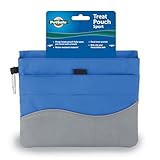
Finally, set up a training schedule where everyone participates. Even five minutes daily makes a difference. Rotate who leads short training sessions so your dog learns to respond to all family members, not just their favorite person. Use a

Check Price on Amazon →
Check Price on Amazon →
that anyone can grab quickly for spontaneous training moments throughout the day.
Common Inconsistencies to Eliminate
Watch for these household training killers:
- Different reward timing: One person treats immediately, another delays
- Varying enforcement: Rules apply Monday through Friday but not weekends
- Tone mismatches: One person is firm and clear, another is pleading or angry
- Undermining corrections: Someone gives affection right after another person corrects the dog
Your dog isn't playing favorites—they're just gravitating toward whoever provides the clearest, most consistent communication. When everyone speaks the same language, you'll stop being a "one-person dog" household and become a well-trained dog household.
The Foundation Reset: Building Your Training Relationship from Scratch
If your dog consistently ignores you while hanging on your partner's every word, it's time for a strategic role reversal. This isn't about punishment or creating distance between your dog and their favorite person—it's about deliberately building the relationship and value you represent in your dog's world.
The hard truth? Your dog listens to one person because that person has become more relevant, more rewarding, and more predictable in the dog's daily life. The good news is you can change this equation entirely.
The Two-Week Relationship Building Plan
For the next two weeks, you need to become your dog's primary everything. Yes, this means the person your dog currently prefers steps back significantly. They shouldn't ignore the dog or act cold, but they should redirect the dog to you for all requests, needs, and fun activities.
Here's what this looks like in practice:
- When your dog wants outside, you take them
- When it's playtime, you grab the toy
- When your dog begs at dinner, you give the scraps (if you do that)
- When your dog brings a toy to your partner, they should say "Go ask [your name]!"
This feels awkward at first, especially if your dog seems disappointed. Push through it. You're not being mean—you're teaching your dog that you're the gateway to everything they want.
Hand Feeding and Its Powerful Benefits
One of the fastest relationship-builders I've seen in my 15+ years of training is hand feeding. For these two weeks, ditch the bowl entirely. Every single piece of kibble comes from your hand.

Check Price on Amazon →
Break meals into 3-4 mini-sessions throughout the day. Sit with your dog and hand them pieces one at a time. No commands required initially—just calm, positive interaction while they eat. This creates hundreds of positive associations with you daily.
As the week progresses, ask for simple behaviors: eye contact, a sit, touching your hand with their nose. Keep it easy and keep it successful. You're building a pattern: interacting with me = good things happen.
Engagement Games That Build Focus
Before drilling obedience commands your dog already ignores, build engagement—your dog's desire to pay attention to you. These games make training feel like play:
The Name Game: Say your dog's name in a happy voice. The instant they look at you, mark it with "yes!" and toss a treat. Repeat 5-10 times, then quit while they're engaged. Do this 3-4 times daily.
Find It: Let your dog watch you toss a treat a few feet away, then say "find it!" This builds excitement around your voice and movements. Gradually hide treats in easier spots.
Check Price on Amazon →
Follow Me: Walk backward a few steps while encouraging your dog to follow. When they do, celebrate like they've won a prize. This teaches that staying near you and watching you is inherently rewarding.
The key principle: Keep sessions to 2-3 minutes maximum. Five successful one-minute sessions beat one frustrating ten-minute session every time. End each interaction on a high note, even if that means stopping after just three repetitions.
Your dog doesn't need marathon training sessions—they need consistent, positive touchpoints with you throughout every single day.
Step-by-Step Training Protocol for the 'Ignored' Family Member
Rebuilding your relationship with a dog who currently ignores you requires patience and a systematic approach. This isn't about dominance—it's about becoming relevant and rewarding in your dog's eyes. Here's your roadmap.
Week 1-2: Foundation Commands and Focus Work
Start in the most boring, distraction-free environment possible—ideally a quiet room in your home. Your goal is to re-teach basic commands as if your dog has never learned them before.
Begin with eye contact exercises. Hold a high-value treat (think chicken, cheese, or hot dogs—not regular kibble) near your face and mark the moment your dog looks at you with "Yes!" followed immediately by the treat. Do this 10-15 times per session, 3-4 sessions daily.
The reward rate is crucial here. You should be delivering treats every 5-10 seconds initially. Dogs learn through repetition and immediate reinforcement. The previously ignored person needs to become a "treat fountain" in the dog's mind.
Check Price on Amazon →
Next, reintroduce sit, down, and come using the same high-value rewards. Don't assume your dog knows these commands with you—treat them like a blank slate. Keep sessions short (3-5 minutes) to maintain enthusiasm.
Week 3-4: Adding Distractions and Distance
Once your dog is responding reliably in your quiet space, gradually introduce mild distractions. Start with a toy lying on the floor, then progress to family members walking nearby, then practicing in different rooms.
Use leash management during this phase to prevent your dog from simply walking away when they're not interested. A standard 6-foot leash (not a retractable) keeps your dog in the learning zone without creating tension. The leash isn't for corrections—it simply prevents rehearsal of the "ignore and leave" behavior.

Check Price on Amazon →
Implement the "Nothing in Life is Free" protocol exclusively with the ignored person. This means you provide all meals, treat puzzles, access to the yard, leash walks, and play sessions—but only after your dog performs a simple command. This creates hundreds of positive micro-interactions daily.
Week 5-6: Real-World Application and Generalization
Now practice in your yard, on walks, and around other dogs. Your dog needs to learn that responsiveness to you works everywhere, not just in training sessions.
When handling non-compliance, resist the urge to repeat commands or show frustration. If your dog doesn't respond, simply make the reward more enticing or the environment easier. Move closer, reduce distractions, or use a better treat. Never physically force compliance—this damages trust.
Begin reducing treat frequency by rewarding every other response, then every third, using variable reinforcement (the same psychology behind slot machines). Always maintain verbal praise and occasional "jackpot" rewards for exceptional responses.
The Role of the 'Preferred' Person During This Process
The person your dog currently favors must step back temporarily. They shouldn't give treats, commands, or attention during training hours. However, they should casually praise your dog when they see them responding to the ignored person—this social approval adds powerful reinforcement.
After 4-6 weeks, both family members can work together, alternating commands and rewards, creating a dog who respects and responds to everyone in the household.
Advanced Techniques: Making Yourself More Rewarding Than the Other Person
If your dog consistently chooses one person over you, the solution isn't complicated—you need to become more valuable in your dog's eyes. This isn't about competing with your partner or undermining their relationship with the dog. It's about building your own independent, rewarding connection.
Identifying Your Dog's Currency
Every dog has a unique motivation hierarchy, and understanding yours is essential. Some dogs would walk through fire for a piece of cheese, while others couldn't care less about food but lose their minds over a squeaky ball.
Start by testing different rewards systematically:
- Food rewards: Try cheese, hot dogs, freeze-dried liver, chicken, and commercial treats at different value levels
- Toy rewards: Experiment with squeaky toys, tug ropes, balls, and fetch toys
- Physical affection: Some dogs work harder for belly rubs or ear scratches than any treat
- Play styles: Chase games, tug-of-war, wrestling, or hide-and-seek
Check Price on Amazon →
Watch your dog's body language carefully. The reward that makes their eyes light up, their tail wag fastest, or causes them to focus intensely—that's your gold. Most dogs have a top-tier reward (often called a "jackpot" reward) that you should reserve for breakthrough moments.
Here's the key: use better rewards than the other person typically does. If your partner gives kibble during training, you bring out the roast chicken. If they use regular tennis balls, you introduce a squeaky ball that makes unpredictable bounces.
Becoming the 'Fun' Person Without Undermining Training
The person your dog listens to best is often the most animated and engaging trainer. Energy matters enormously.
Deliver rewards with genuine enthusiasm. Don't just hand over a treat like you're paying a parking meter. When your dog succeeds, celebrate like they just won a championship. Use a higher-pitched, excited voice. Move your body with energy. Make getting a reward from you an event.
Implement unpredictable reward schedules once your dog knows a behavior. Instead of rewarding every sit, reward randomly—sometimes after one sit, sometimes after three, occasionally give a massive jackpot of five treats in a row. This variable reinforcement creates anticipation and keeps your dog engaged. It's the same psychological principle that makes slot machines addictive.
Apply the Premack Principle: use high-value activities as rewards for less exciting behaviors. Does your dog go crazy for fetch? Make them earn it. "We go outside to play fetch after you've done three perfect recalls in the living room." The fun activity becomes the ultimate reward.
Create success streaks by starting with easy wins. Begin each training session with behaviors your dog already knows well, reward generously, then gradually introduce challenges. Dogs build confidence and momentum when they're succeeding, making them more eager to work with you specifically.
Check Price on Amazon →
The goal isn't to always have the best treats forever—it's to build a pattern where training with you equals excitement, success, and valuable payoffs. Once that association is strong, you can fade back to more moderate rewards while maintaining your dog's enthusiasm.
Troubleshooting Common Setbacks and Maintaining Progress
Even with the best training plan, you'll hit bumps in the road. The good news? Most setbacks are completely normal and fixable with patience and adjustments to your approach.
When your dog regresses, first ask yourself what changed. Did someone get sick? Are you traveling more? Has the "preferred person" been home more often lately? Dogs thrive on consistency, and even small disruptions can trigger old habits. Instead of getting frustrated, simply go back a few steps in your training. If your dog was responding well to commands from non-preferred family members in the living room, move back to lower-distraction practice sessions until they're solid again.
The 6-Month Consistency Commitment
Real behavioral change doesn't happen overnight. Commit to at least six months of consistent practice before expecting permanent results. This means:
- Everyone uses the same commands and hand signals
- Training sessions happen daily, even if just for 5 minutes
- Rules remain consistent (if the dog can't beg at dinner on Tuesday, they can't on Saturday either)
- Each family member practices one-on-one time with the dog weekly
The treat visibility problem is common and actually easy to fix. If your dog only listens when they see treats, you've accidentally taught them to ignore you otherwise. Start varying your reward system. Keep a
Check Price on Amazon →
on you throughout the day, but don’t let the dog see you reach for it. Mix in life rewards—opening the door for a walk, throwing a ball, or releasing them to go sniff something interesting. Gradually thin out food rewards by using them intermittently rather than every time.
Dealing with family saboteurs requires a direct conversation. Sit down with everyone and explain that inconsistency actively hurts the dog's learning. They might think they're being "nice" by giving in, but they're actually making life confusing and stressful for your pet. Get buy-in by assigning each person specific training tasks so they feel invested in success rather than sidelined.
When the preferred person is present, practice having them completely ignore the dog during training sessions with others. They can even leave the room initially. As the dog improves, the preferred person gradually increases their presence without interaction. Eventually, they can be in the same space without derailing progress.
Signs You Need Professional Support
Seek help from a certified professional trainer (look for CPDT-KA or CBCC-KA credentials) if you notice:
- Zero progress after 4-6 weeks of consistent training
- Aggressive behavior (growling, snapping, biting) when non-preferred people give commands
- Severe anxiety or panic when the preferred person leaves
- The dog shuts down completely—won't eat, move, or engage with others
These red flags suggest underlying issues like separation anxiety, fear-based reactivity, or resource guarding that need specialized behavior modification plans.
Long-term maintenance means never truly "finishing" training. Keep practicing throughout your dog's life with quick refreshers, continuing to rotate which family members handle different care tasks, and staying alert to backsliding before it becomes entrenched. The relationship you're building is worth the ongoing effort.
Frequently Asked Questions
How long does it take to fix a dog that only listens to one person?
Most dogs show noticeable improvement within 2-4 weeks of consistent training. Full reliability typically takes 2-3 months of dedicated work from the previously ignored person. Timeline depends on the dog's age, how long the pattern has been established, and family consistency. Puppies and young dogs respond faster than older dogs with years of selective listening habits.
Can I fix this problem without becoming the primary caregiver?
You can make progress without being the only caregiver, but it will take significantly longer. At minimum, you should handle feeding and training sessions for several weeks. The more you become the source of good things, the faster the dog will become responsive. Temporary role changes (2-4 weeks) create faster results than splitting duties 50/50 throughout.
Why does my dog listen to my husband but not me (or vice versa)?
Usually reflects differences in training consistency, not gender or authority. The listened-to person typically has clearer commands, better timing, or more consistent reinforcement. May also indicate that person has established themselves as the primary trainer or resource controller. Sometimes relates to tone and energy—dogs respond better to calm confidence than frustrated or tentative commands. Has nothing to do with dominance or alpha status, which are outdated training concepts.
Should the person my dog listens to stop training them while I work on this?
No, they shouldn't stop entirely, but they should reduce their involvement temporarily. The preferred person should avoid giving commands when you're actively training. They can continue brief training sessions separately but shouldn't rescue you when the dog ignores you. After 2-3 weeks, resume joint training sessions where both people give commands. The goal is balanced responsiveness, not replacing one problem with another.
What if my dog knows the commands but just chooses to ignore me?
This is exactly the problem being addressed—it's about reinforcement history, not respect or dominance. Return to basics with extremely high-value rewards to rebuild the behavior with you specifically. Use management tools (leash, long line) so the dog cannot practice ignoring you. Make your commands predict amazing things the dog wants, creating a new association. Consider whether you're inadvertently poisoning your cues through poor timing or inconsistent follow-through. Focus on making compliance the easiest, most rewarding choice for the dog.