Group Class vs Private Dog Training: Which Is Right for You?
Introduction: Choosing the Right Training Path for Your Dog
I've watched countless dog owners stand at this crossroads, wrestling with a decision that feels overwhelming: should they sign up for that Saturday morning group class at the local pet store, or invest in private sessions with a trainer? Here's the truth—this choice matters more than you might think, and getting it right can mean the difference between a dog who thrives and one who struggles through their training journey.
Over my years working with thousands of dogs and their families, I've seen both group classes and private training produce remarkable results. I've watched a reactive rescue dog blossom in one-on-one sessions, finally able to focus without the stress of other dogs nearby. I've also seen a timid puppy gain confidence by learning alongside classmates in a well-structured group environment. The format itself isn't inherently better or worse—it's about matching the right approach to your unique situation.
What Actually Makes the Difference?
The most successful training outcomes happen when owners honestly assess three key factors before choosing their path:
Your dog's personality and current challenges. A confident, social puppy learning basic manners has vastly different needs than an anxious adult dog working through leash reactivity. A German Shepherd with no behavioral issues might excel in the structured environment of group classes, while a noise-sensitive Border Collie might need the controlled setting of private training to build foundational skills first.
Your specific training goals. Are you teaching a young dog to sit and stay, or are you addressing complex behavioral issues like resource guarding or separation anxiety? General obedience skills translate beautifully to group settings, but nuanced behavioral modification often requires the customized attention that only private training provides.
Practical considerations like budget, schedule, and learning style. Let's be honest—money matters, and so does your availability. Group classes typically cost $150-300 for a 6-week series, while private sessions often run $100-200 per hour. Beyond finances, consider whether you learn better through demonstration alongside other owners or prefer personalized guidance.
The Best of Both Worlds
Here's something many trainers won't tell you upfront: you don't necessarily have to choose just one path forever. Some of my most successful clients start with 2-3 private sessions to address specific concerns or build foundational skills, then transition to group classes for socialization and real-world practice. Others begin in group settings and add private sessions when they hit roadblocks.
Check Price on Amazon →
The goal isn't to find the "perfect" training format—it's to find the right starting point for where you and your dog are right now. In the sections ahead, we'll break down exactly what each option offers, what it costs, and who benefits most from each approach. By the end, you'll have a clear framework for making this decision confidently.
What Is Group Class Dog Training?
Group class dog training brings together 4-12 dogs with their handlers in a structured learning environment led by a professional trainer. Think of it as a classroom setting for dogs—everyone's working toward similar goals, but each dog progresses at their own pace while learning to focus despite the exciting distractions around them.
These classes typically run weekly, with sessions lasting 45-60 minutes over a course of 4-8 weeks. This format gives your dog time to practice between sessions and build skills gradually. You're not just dropping off your dog; you're actively involved in every class, learning how to communicate effectively and train your dog yourself.
One of the biggest advantages of group classes is that dogs learn to respond to cues even when other dogs are nearby—a real-world skill that's tough to replicate in isolation. Your dog might nail "sit" perfectly at home, but can they do it when a playful Lab is three feet away? That's where group classes shine.
Typical Class Structure and Format
Most group classes follow a predictable rhythm that helps both dogs and handlers know what to expect. Classes usually begin with a brief check-in where the trainer addresses questions from the previous week and introduces new concepts.
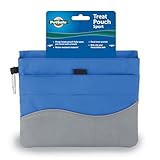
You'll then move into active training time, where the trainer demonstrates a skill and you practice with your dog. The trainer circulates, offering individualized feedback and troubleshooting. A
Check Price on Amazon →
comes in handy here—you’ll need quick access to rewards while keeping your hands free.
Classes often incorporate controlled socialization periods, but these aren't free-for-alls. Dogs might practice polite greetings or work on impulse control while others move around them. The final minutes typically involve a cool-down activity and homework assignments for the week ahead.
The curriculum builds progressively. Week one might cover attention and simple sits, while week four has you working on stays with distractions. This scaffolded approach prevents overwhelm and sets dogs up for success.
Common Types of Group Classes Available
Puppy Socialization Classes are designed for pups typically 8-16 weeks old. These focus less on obedience and more on positive exposure to new experiences, surfaces, sounds, and gentle play with other vaccinated puppies. It's critical socialization during your puppy's developmental window.
Basic Obedience Classes teach fundamental skills like sit, down, stay, come, and loose-leash walking. These are perfect for adolescent and adult dogs learning the essentials. Expect classes labeled "Manners," "Good Citizen," or "Beginner Obedience."
Advanced Training Classes build on basic skills with longer durations, greater distances, and more challenging distractions. You might work on off-leash reliability, advanced recalls, or distance work.
Specialty Classes target specific goals: reactive dog classes for dogs struggling with fear or frustration around other dogs, agility for athletic fun, nose work for mental stimulation, or trick training for bonding and enrichment. Some facilities even offer breed-specific classes or senior dog programs.
The variety means there's likely a group class that matches exactly where you and your dog are in your training journey—and where you want to go next.
What Is Private Dog Training?
Private dog training is exactly what it sounds like: one-on-one instruction where a professional trainer works exclusively with you and your dog. Unlike group classes where you're one of several students competing for attention, private sessions put your dog's specific needs front and center.
The beauty of private training lies in its customization. Your trainer isn't following a generic six-week curriculum—they're designing a program specifically around your dog's personality, your household dynamics, and your training goals. Maybe you've got a reactive rescue who can't handle being around other dogs yet, or a puppy with unique challenges that don't fit neatly into a basic obedience class. Private training adapts to you.
Scheduling is another major advantage. While group classes typically run on a fixed weekly schedule, private sessions work around your availability. Need evening sessions after work? Weekend appointments? A trainer who can meet you at 6 AM before your shift? Private training makes it possible.
The location flexibility is particularly valuable. Training can happen wherever you need it most—whether that's teaching your dog to behave in your actual living room, working on loose-leash walking through your neighborhood, or practicing recall at the park where distractions are real.
Private training typically comes as individual sessions (often sold in packages of 4-6 lessons) or as ongoing support programs where your trainer remains available via text or video between sessions. This continued guidance helps you troubleshoot problems as they arise, not just once a week.
In-Home Private Training
In-home training brings the trainer to your doorstep. This is ideal for addressing household-specific issues like door-dashing, jumping on guests, counter-surfing, or barking at the mailman. Your trainer can assess the actual environment where problems occur and help you modify your space for training success.

Check Price on Amazon →
In-home sessions are also perfect for puppies who haven't completed their vaccinations yet, reactive dogs who struggle in public settings, or dogs with severe anxiety about new places. You're working in the space where your dog is most comfortable and where you actually need the trained behaviors to happen.
Facility-Based Private Sessions
Some trainers offer private lessons at their training facility. While you lose the home-environment benefit, training facilities often have valuable equipment and controlled settings that can accelerate learning. These spaces minimize distractions initially, allowing your dog to master skills before generalizing them to real-world environments.
Check Price on Amazon →
Facility sessions work well for teaching foundational skills like loose-leash walking (in a controlled space first), basic obedience, or trick training. Many trainers use a combination approach—starting at the facility, then transitioning to your home and public locations.
Board-and-Train Programs
Board-and-train involves sending your dog to stay with a trainer (or at a facility) for an intensive training period, typically 2-4 weeks. Your dog receives daily training sessions while you're taught how to maintain the skills when they return home.
This option suits busy professionals, dogs needing behavior modification that requires consistent implementation, or owners dealing with serious issues like aggression. However, it's crucial to choose reputable programs that use humane methods and include substantial owner education—the transfer of skills from trainer to owner is where many board-and-trains fail.
Cost Comparison: Investment and Value
Let's talk money. When you're deciding between group classes and private training, the price tags can look dramatically different at first glance—but the real story is more nuanced than the numbers on a trainer's website.
Breaking Down the Numbers
Group classes typically run $120-$250 for a complete 6-8 week course. That breaks down to roughly $15-$40 per hour of instruction. You'll attend once weekly, usually for an hour, and practice homework between sessions.
Private training sessions average $75-$200 per hour, depending on your location and the trainer's expertise. In major metro areas or with specialized behaviorists, you might see rates up to $300 per session. Most trainers offer package deals—say, five sessions for $450—which brings the per-session cost down.
On paper, group classes are the clear budget winner. But here's what matters more: the total investment needed to reach your goals.
If your puppy needs basic manners and socialization, a $200 group class might be all you need. Problem solved for two hundred bucks. But if your dog has severe leash reactivity, that same group class might overwhelm them, and you'll end up booking private sessions anyway. Now you've spent $200 plus another $400-$600 in private training.
Conversely, some issues resolve remarkably quickly with focused private attention. I've seen separation anxiety cases make massive progress in just 2-3 sessions ($225-$450 total) because we could customize the training plan and troubleshoot in real-time. That same issue might take months of trial-and-error in a group setting.
Hidden Costs and Additional Expenses
Don't forget the gear. Most training programs require basics like a
Check Price on Amazon →
and appropriate

Check Price on Amazon →
, which you’ll need regardless of format. Group classes sometimes include training materials in their fee, while private trainers may charge separately for customized handouts or training plans.
Transportation costs add up differently too. Group classes mean 6-8 trips to the same location. Private trainers often come to your home (sometimes at no extra charge, sometimes for $25-$50 more), which saves you time and gas money while also addressing problems in your actual environment.

Check Price on Amazon →
Long-Term Value Considerations
Think beyond the immediate training period. Group classes inherently build practice over time—your dog learns patience, focus amid distractions, and you get weeks of accountability. That extended timeline helps cement behaviors.
Private training frontloads the learning curve. You'll get intensive, customized guidance quickly, but you'll need serious self-discipline to maintain practice afterward. Without the weekly class commitment, some owners lose momentum.
My advice? Calculate the realistic path to your goal. A fearful puppy who just needs confidence? Group class all the way—the socialization is priceless and included in that $150-$200 investment. A dog who lunges at other dogs? Start with 2-3 private sessions to learn management skills and create a foundation, then consider joining a reactive dog group class. Yes, you'll spend $500-$700 total, but you'll actually solve the problem instead of throwing money at approaches that aren't working.
The cheapest option isn't always the most affordable—not when you factor in wasted time, frustration, and having to start over.
Learning Environment and Distractions
The environment where your dog learns has a massive impact on training success. Think of it like learning to drive—there's a big difference between practicing in an empty parking lot versus navigating rush-hour traffic. Both have their place, but timing matters.
The Socialization Factor
Group classes create a naturally stimulating environment that mirrors everyday life. Your dog practices sits and stays while other dogs walk past, learns "leave it" with actual canine temptations nearby, and masters recalls with real-world distractions. This built-in chaos is actually valuable—your dog learns that "sit" means sit whether you're alone in your kitchen or surrounded by a dozen tail-wagging classmates.
The social aspect extends beyond just the dogs. Group classes expose your pup to different people, voices, training styles, and energy levels. I've watched countless dogs who were perfect at home suddenly "forget" every command in class. That's not regression—that's proof they hadn't truly learned to generalize the behavior yet. Group settings force that generalization faster.
However, private training gives you surgical control over distraction levels. You can start with zero distractions, add one element at a time, and progress at your dog's exact pace. Working on loose-leash walking? In private sessions, you might use a

Check Price on Amazon →
in a quiet park before gradually introducing other dogs. No audience, no pressure, no comparing your reactive rescue to the naturally calm golden retriever in the group class.
When Distractions Help vs. Hinder Learning
Here's the reality: some dogs shut down completely in group settings. I've seen anxious dogs spend entire six-week courses hiding behind their owners' legs, learning nothing except that training class is terrifying. For these dogs, the group environment isn't challenging—it's paralyzing.
Reactive or fearful dogs almost always benefit from private training first. If your dog lunges, barks, or trembles at the sight of other dogs, throwing them into a group class is like asking someone with a fear of heights to learn tightrope walking. Build confidence and foundation skills privately, then transition to groups when they're ready.
Conversely, overly social dogs might struggle in private sessions. That adolescent lab who thinks every human exists solely to play with them? They might learn impulse control faster in a group where they must settle despite exciting neighbors.
The sweet spot? Use both strategically. Private training excels for:
- Teaching brand-new skills without competition for your attention
- Working through specific behavioral issues
- Building confidence in nervous dogs
- Perfecting precise behaviors like competition obedience
Group classes shine for:
- Practicing skills your dog already knows in distracting environments
- Developing impulse control around triggers
- Teaching your dog that other dogs are boring and ignoring them pays better
- Real-world skill generalization
Most dogs benefit from starting with a few private sessions to nail basics, then joining a group class to proof those behaviors under pressure. It's not either/or—it's strategic layering.
Customization and Individual Attention
The biggest difference between group classes and private training boils down to one word: you. In group settings, trainers follow a predetermined curriculum designed for the average dog. Week one might cover sit and down, week two introduces loose leash walking, and so on. But what if your dog already knows basic commands but lunges at skateboards? Or struggles with separation anxiety that makes even entering the training facility stressful?
In group classes, the trainer's attention splits between 6-12 dog-handler teams. You might get 5-10 minutes of direct coaching during a one-hour session, while the rest of your time is spent practicing independently or waiting for others. If your dog needs extra help understanding a concept, the class moves forward anyway—the trainer has a schedule to maintain.
Private training flips this dynamic entirely. Every single minute focuses on your dog's specific challenges and your household's unique circumstances. If you're struggling with door-dashing, your trainer works on that exact scenario at your front door, not a generic version in a training facility. They can adjust techniques in real-time based on what motivates your dog—whether that's
Check Price on Amazon →
, verbal praise, or a favorite toy.
When Your Dog Needs Specialized Attention
Some dogs simply don't fit the group class mold. Reactive dogs who bark at other dogs can't productively learn in a room full of triggers. Fearful dogs may shut down completely in stimulating environments. Senior dogs with physical limitations need modified exercises that group classes don't accommodate.
Consider a real scenario: Your adolescent Golden Retriever is an enthusiastic greeter who jumps on every visitor. In group class, you'll learn theoretical concepts about four-on-the-floor greetings. But you can't practice with actual guests arriving at your actual front door. A private trainer comes to your home, enlists helpers to ring your doorbell, and coaches you through dozens of real-world repetitions. They might suggest using a
Check Price on Amazon →
as a management tool while you build the new behavior.
Addressing Complex Behavior Problems
Group classes excel at teaching foundational skills, but they're not equipped to handle nuanced behavioral issues. Resource guarding, severe anxiety, aggression, or deeply ingrained habits require individualized assessment and treatment plans.
A private trainer can conduct a thorough environmental assessment—observing how your dog behaves in their actual living space, identifying triggers you might miss, and understanding the full context of problem behaviors. They'll notice that your dog's "random" barking actually occurs every time the neighbor's garage door opens, or that counter-surfing happens specifically when you're cooking dinner.
The pacing matters too. If your dog needs three sessions to truly master impulse control before moving to recall training, that's exactly what happens in private training. No rushing, no falling behind, no watching other teams succeed while you struggle. Your trainer adjusts the curriculum to match your dog's learning style—whether they're food-motivated, toy-driven, or need extra confidence-building before attempting new challenges.
This customized approach costs more upfront, but it eliminates wasted time on irrelevant skills and prevents the frustration of trying to apply generic advice to specific problems.
Which Training Format Is Best for Your Dog?
Choosing between group classes and private training isn't about finding the "best" option—it's about matching the right format to your dog's specific needs, temperament, and training goals. Let's break down which dogs thrive in each setting.
Best Candidates for Group Classes
Puppies between 8-16 weeks are the golden group class candidates. They need controlled exposure to other dogs, new people, and novel environments during their critical socialization window. A well-run puppy class provides exactly this while teaching foundation skills like sit, recall, and loose-leash walking.
Well-socialized adult dogs learning basic obedience also excel in group settings. If your dog can focus around mild distractions and doesn't show fear or aggression toward other dogs, group classes offer excellent value. You'll both benefit from practicing commands around real-world distractions—something you can't replicate alone in your living room.
Dogs preparing for therapy work or public access roles gain tremendous benefit from group environments. The controlled chaos of a class mimics the unpredictable situations they'll face in their work.
Check Price on Amazon →
Best Candidates for Private Training
Fearful or reactive dogs need private sessions, at least initially. A dog who barks, lunges, or cowers around other dogs will be too stressed to learn in a group class. They'll also potentially disrupt the learning environment for others. Private training allows you to work below your dog's threshold and gradually build confidence.
Dogs with serious behavior problems—including aggression, separation anxiety, or resource guarding—require individualized attention. These issues need customized behavior modification protocols, not a one-size-fits-all curriculum.
Sport and competition dogs often benefit from private coaching once they've mastered basics. Whether you're training for agility, rally, or scent work, private sessions let you focus on precision, timing, and advanced handling skills without waiting for classmates.
Combining Both Approaches Strategically
The savvy approach? Use both formats strategically. Many successful training plans start with private sessions to establish foundation skills and address specific issues, then transition to group classes for real-world practice and socialization.
For example, a dog-reactive rescue might need 4-6 private sessions to learn basic impulse control and calm responses to triggers. Once they can maintain focus at a distance from other dogs, a carefully chosen group class becomes the perfect next step for controlled exposure.
Your learning style matters too. Some handlers absorb information better with individual attention and customized feedback. Others thrive in the community atmosphere of group classes, learning from watching other dogs and sharing experiences with fellow owners.
Red Flags That Indicate Private Training Is Necessary
Certain warning signs clearly point toward private training:
- Your dog shows aggression toward people or other dogs
- Extreme fear responses prevent your dog from functioning normally
- You can't maintain your dog's attention even in low-distraction environments
- Previous group classes failed or ended with you being asked to leave
- Your dog has a bite history of any kind
- You're dealing with separation anxiety or destructive behavior when alone

Check Price on Amazon →
Remember: choosing private training isn't admitting failure. It's making a smart decision to set your dog up for success. Many dogs who start with private training eventually graduate to group classes once they've built the necessary skills and confidence.
Pros and Cons: Making Your Decision
Choosing between group classes and private training isn't about finding the "better" option—it's about finding the right fit for you and your dog right now. Let me break down what each format really offers, so you can make an informed decision.
Group Class Pros and Cons Summary
The Advantages:
Group classes shine when it comes to real-world socialization. Your dog learns to focus while other dogs are nearby—exactly the skill you need at the vet's office or on busy sidewalks. You'll also gain a built-in support system. There's something powerful about commiserating with other owners whose puppies also think "sit" means "jump on my face." Plus, group classes are genuinely cost-effective, typically running $150-300 for a 6-week series versus $100-200 per private session.
The Drawbacks:
Here's the reality: in a class of 8-10 dogs, you might get 5-10 minutes of direct instructor time per hour. If your dog has specific issues—say, leash reactivity or separation anxiety—the generic curriculum might not address them. Some dogs also feel overwhelmed in group settings, spending the whole class stressed rather than learning. And those fixed schedules? They don't accommodate your work travel or your dog's off days.
Private Training Pros and Cons Summary
The Advantages:
Private training is like having a personal coach who designs every drill specifically for your situation. Struggling with door-dashing? Your entire session tackles that. Need help at 7 PM on Thursdays? Done. This customized approach typically yields faster results for specific behavior problems. You also get undivided attention—every question answered, every repetition observed and corrected. For anxious dogs or complex issues, this focused environment can be transformative.
Check Price on Amazon →
The Drawbacks:
The cost is significant—expect to invest $500-1,500 for a comprehensive private program. You'll also miss out on the socialization benefits that group classes naturally provide. Without classmates to learn alongside, you'll need strong self-motivation to practice between sessions. And honestly? Sometimes hearing that other people's dogs also steal food off the counter is oddly therapeutic.
Questions to Ask Before Deciding
Consider these factors:
What's your primary goal? Basic manners and socialization? Group classes are ideal. Fixing specific problem behaviors like aggression or severe anxiety? Private training will get you there faster.
What's your timeline? Need results quickly for an upcoming move or baby's arrival? Private training accelerates progress. Have several months to work at a comfortable pace? Group classes work beautifully.
What's your dog's temperament? Confident, social dogs typically thrive in groups. Anxious, reactive, or easily overwhelmed dogs often do better starting privately.
What's your budget? Be realistic about what you can sustain. Consistent group training beats sporadic private sessions.
Here's a secret: you don't have to choose forever. Many of my most successful clients start with private sessions to address urgent issues, then transition to group classes for socialization and continued learning. Or they attend group classes while scheduling occasional private sessions for specific challenges. Think of training formats as tools in your toolbox—use whichever one fits the job at hand.
Frequently Asked Questions
Can I switch from group classes to private training if my dog is struggling?
Absolutely – this is a common and smart decision when a dog shows signs of stress or isn't progressing. Many trainers offer private sessions as a supplement to group classes. A few private sessions can help you catch up or address specific issues before returning to group. Signs you should consider switching: excessive anxiety, inability to focus, fear responses, or falling behind the class pace.
How do I know if my reactive dog is ready for group classes?
Your dog should be able to notice other dogs at a distance without lunging, barking, or shutting down. Work with a private trainer first to build foundational skills and coping strategies. Look for reactive dog specialty classes with smaller group sizes and greater spacing. Your private trainer can assess readiness and may recommend starting with a class observation or parallel walking before joining. Reactive dogs often need 8-12 private sessions before being ready for group settings.
Are online group classes as effective as in-person ones?
Online classes can be highly effective for teaching handlers skills and techniques. They lack the in-person distraction training and socialization benefits. Best for dogs who already have some training foundation and owners who need guidance on specific skills. Excellent option for ongoing education, sport training, and trick training. Not ideal for puppies needing socialization or reactive dogs needing controlled exposure.
How many private sessions does it typically take to resolve common behavior problems?
Simple issues like jumping or basic leash pulling: 2-4 sessions. Moderate challenges like door dashing or counter surfing: 4-6 sessions. Complex problems like separation anxiety or aggression: 8-12+ sessions with ongoing support. The key is consistent practice between sessions – the trainer guides, but you do the daily work. Many trainers offer package deals that include follow-up support via phone or video.
Can my dog attend group classes if they're not fully vaccinated?
Puppy classes specifically designed for young dogs often accept puppies after their first or second set of vaccines. The socialization window (before 16 weeks) is critical and outweighs some health risks when classes follow safety protocols. Reputable puppy classes require proof of vaccines received so far and use sanitized facilities. Adult group classes require full vaccination including rabies. Always verify the facility's health and safety requirements before enrolling.