How Long Should Dog Training Sessions Be? Expert Guide
Introduction
You've carved out twenty minutes to teach your dog to sit, stay, and come when called. Fifteen minutes in, your once-eager pup is staring at the wall, sniffing the ground, or worse—completely ignoring you. Sound familiar? Here's the truth most trainers won't tell you upfront: you're probably training way too long.
The conventional wisdom about dedicating substantial blocks of time to dog training? It's actually working against you. While your intentions are admirable, marathon training sessions are one of the fastest ways to kill your dog's enthusiasm and sabotage their learning. Think about it—when was the last time you stayed laser-focused during a 30-minute lecture? Your dog faces the same mental fatigue, except they hit their wall much faster than you do.
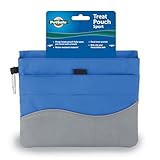
The length of your training sessions isn't just a minor detail. It's one of the most critical factors determining whether your dog retains what you teach and whether they'll come running the next time you pull out your
Check Price on Amazon →
. Get the timing right, and you’ll see faster progress, better retention, and a dog who literally begs to train. Get it wrong, and you’ll create a frustrated learner who associates training with stress and boredom.
Here's what makes this complicated: there's no one-size-fits-all answer. A 10-week-old puppy experiencing their first training session has vastly different needs than your neighbor's border collie who's been doing agility for three years. The hyperactive Jack Russell terrier down the street? They'll need a different approach than a laid-back basset hound.
Several key factors determine your dog's optimal training duration:
- Age: Puppies have notoriously short attention spans, while adult dogs can typically focus longer (though not as long as you might think)
- Experience level: Training newbies tire mentally much faster than seasoned learners
- Breed characteristics: High-drive working breeds often handle longer sessions than companion breeds
- Training type: Teaching a simple sit requires different timing than complex scent work or behavioral modification
Throughout this guide, I'll give you specific timeframes for every scenario—from your first session with an 8-week-old puppy to advanced off-leash work with experienced dogs. You'll learn exactly when to end each session (hint: it's probably sooner than you're doing now), how to recognize the warning signs that your dog's mentally checked out, and proven strategies to pack maximum learning into minimal time.
The goal isn't to train less—it's to train smarter. Let's make every second count.
The Science Behind Dog Training Session Length
If you've ever wondered why your dog seems to "check out" after just a few minutes of training, you're not alone. The truth is, your dog's brain works differently than yours, and understanding this science will transform how you approach training.
How Dogs Process and Retain Information
Dogs have significantly shorter attention spans than humans—typically 5-15 minutes for focused learning, depending on age, breed, and individual temperament. Puppies fall on the shorter end (sometimes just 3-5 minutes), while adult dogs with prior training experience may stretch to 15-20 minutes.
Here's what's happening in your dog's brain during training: Every new behavior creates neural pathways that need time to solidify. Think of it like wet cement—it needs to set before you can build on it. When you push past your dog's attention threshold, cognitive fatigue sets in quickly. Their eyes glaze over, they start sniffing the ground excessively, or they suddenly become "stubborn." This isn't defiance—it's their brain telling them it's full.
The learning curve in dogs follows a clear pattern: they absorb information most effectively in short, highly engaged bursts. Research shows that dogs master new skills faster with four 5-minute sessions throughout the day than one 20-minute marathon session. Between sessions, their brains continue processing information during rest, a phenomenon called "latent learning."
The Role of Dopamine and Motivation
When your dog successfully completes a behavior and receives a reward, their brain releases dopamine—the "feel-good" neurotransmitter that says "do that again!" This chemical response is what makes training stick. But here's the catch: dopamine production drops when sessions drag on too long or become repetitive.
Keep sessions exciting by using high-value rewards stored in a
Check Price on Amazon →
for quick access, varying the exercises, and maintaining enthusiasm. A bored dog produces less dopamine, which means less learning retention. You’ll notice this shift when treats suddenly become less interesting or your dog starts offering previously learned behaviors instead of focusing on the new one.
Why Ending on a High Note Matters
Perhaps the most critical aspect of session length is knowing when to stop. Overstimulation and elevated stress hormones (particularly cortisol) actively interfere with memory consolidation. When training becomes frustrating or overwhelming, cortisol floods your dog's system, essentially "deleting" what they just learned.
Always end your session on a success—even if that means asking for an easy behavior your dog already knows. This final positive experience becomes what your dog remembers most vividly (psychologists call this the "recency effect"). If your dog nails a new skill, celebrate and immediately end the session. Don't be tempted to "try one more time." That dopamine-rich success is the perfect bookmark in their training journey.
The bottom line? Quality trumps quantity every single time. Three focused 5-minute sessions will always outperform one unfocused 15-minute slog. Your dog's brain is wired for sprint learning, not marathons.
Ideal Training Session Length by Age
Your dog's age dramatically affects their ability to focus and learn. A training session that's perfect for an adult dog will completely overwhelm a young puppy—and bore an experienced learner. Here's how to tailor your training time to your dog's developmental stage.
Puppies (8-12 weeks): Keep sessions to just 5 minutes maximum, repeated 2-3 times throughout the day. Yes, really—five minutes! Your puppy's brain is developing rapidly, but their attention span is shorter than a TikTok video.
Young puppies (3-6 months): Gradually increase to 5-10 minutes per session, with 3-5 sessions daily. They're building stamina now, but still tire quickly.
Adolescent dogs (6-18 months): Work in 10-15 minute blocks, 2-3 times daily. These teenage troublemakers often seem like they could go longer, but quality beats quantity during this challenging phase.
Adult dogs (new to training): Stick with 10-15 minutes, 1-2 sessions daily. Even though they're physically mature, learning new skills requires mental energy they haven't built yet.
Experienced adult dogs: You can extend to 15-20 minutes, 1-2 sessions daily. Dogs who've mastered the basics can handle more complex training and longer focus periods.
Senior dogs: Return to 5-10 minutes, carefully adjusted for individual physical and cognitive abilities. Older doesn't mean less capable—just different.
Why Puppies Need Ultra-Short Sessions
Think of your puppy's brain like a smartphone battery that drains in minutes. They're absorbing everything—sights, sounds, smells—and formal training is just one tiny part of their learning experience. After five minutes, you'll notice signs: they're biting the leash, staring at birds, or suddenly needing to sniff that fascinating blade of grass.
Push past this point and you're not training anymore; you're just frustrating both of you. Instead, work on one simple skill—maybe "sit" or recall—then end on success. Your puppy learns that training is fun, not exhausting.
Check Price on Amazon →
The Adolescent Attention Challenge
Adolescent dogs are the teenagers of the dog world: they know what you want, they just don't care right now. That squirrel is way more interesting than your tenth "down" cue.
This isn't defiance—it's biology. Their brains are rewiring, hormones are surging, and impulse control is genuinely harder. Shorter, high-energy sessions work better than lengthy drills. Train "leave it" for 10 minutes, then play fetch. Come back later for loose-leash walking practice. Breaking up training keeps them engaged and prevents the glazed-over look that signals mental checkout.
Adjusting for Senior Dogs
Senior dogs often surprise their owners—they're sometimes more focused than younger dogs because they're calmer and less distracted. But physical limitations matter. Arthritic joints make standing difficult. Cognitive decline might mean they need more repetitions.
Watch your senior carefully. If they seem confused or tired after five minutes, stop there. If they're bright-eyed and engaged at ten minutes, continue. Some seniors thrive on the mental stimulation of learning new tricks; others prefer short refreshers on old favorites. The key is flexibility—let your individual dog guide the timing rather than following a rigid schedule.
Training Session Length by Training Type
Not all training is created equal, and the mental or physical demands of what you're teaching should dictate how long you work with your dog. Here's a breakdown of recommended session lengths for different training types.
Basic obedience (sit, stay, come): 10-15 minutes
These foundational commands are moderately demanding but don't typically stress your dog. You can work for 10-15 minutes before your dog's focus starts to wane. Break this time into mini-sessions if needed—five minutes of "sit" and "down," a quick play break, then five minutes of recall practice.
Trick training: 5-10 minutes
Teaching your dog to spin, play dead, or weave through your legs requires intense concentration and problem-solving. Keep these sessions short and sweet. Your dog is actively thinking through new motor patterns, which is genuinely exhausting for their brain. Stop while they're still engaged and successful.
Leash training/loose leash walking: 10-20 minutes
This combines physical exercise with impulse control, so you can extend the session slightly. However, the first five minutes are often the most productive for actual training. After that, you're reinforcing good habits during a regular walk.
Check Price on Amazon →
Behavior modification (anxiety, reactivity): 5-10 minutes
When you're working on triggers like fear of strangers or dog reactivity, keep sessions incredibly brief. Your dog is operating under stress, even at a distance from their trigger. Five focused minutes of counter-conditioning is far more effective than pushing to 15 minutes and risking a setback. Quality over quantity is critical here.
Impulse control exercises: 5-8 minutes
"Leave it," "wait at doors," and "settle on a mat" are mentally exhausting because your dog is fighting their natural impulses. Think of it like asking someone to resist checking their phone—it takes active willpower. Keep these sessions short, end on success, and don't be surprised if your dog needs a nap afterward.
Scent work/nose games: 10-15 minutes
While sniffing is natural, focused scent discrimination or search games require concentration. Most dogs can maintain enthusiasm for 10-15 minutes before their accuracy drops.

Check Price on Amazon →
Agility or sports training: 15-20 minutes with breaks
Physical conditioning allows for longer sessions, but build in rest breaks. Run a sequence, let your dog grab some water, then go again. The actual training time might be 15-20 minutes, but the total session could span 30 minutes with rest periods.

Check Price on Amazon →
High-Intensity vs. Low-Intensity Training
High-intensity training—anything involving stress, complex problem-solving, or fighting impulses—should always be shorter. If your dog is panting, even in cool weather, or starts offering random behaviors they know will get treats, they're mentally fried.
Low-intensity training like reinforcing known behaviors or fun games can last a bit longer because your dog isn't working as hard cognitively.
Mental Exercise vs. Physical Exercise Demands
Here's what many dog owners miss: mental exercise is far more tiring than physical exercise. A 10-minute session of teaching something new will exhaust your dog more than a 30-minute walk around the block.
When training demands both mental and physical effort simultaneously—like agility or complex trick sequences—split the difference. Your dog's brain will tap out before their body does, so watch for signs of mental fatigue: breaking focus, slowing response times, or suddenly "forgetting" things they knew five minutes ago.
Signs Your Training Session Is Too Long
Even the most enthusiastic dogs have their limits. Pushing past those limits doesn't just waste time—it can actually set back your training progress and damage your dog's confidence. Learning to recognize when your dog has hit their threshold is one of the most important skills you'll develop as a trainer.
Reading Your Dog's Body Language
Dogs are constantly communicating with us through their body language. During training sessions, watch for these telltale signs that your dog is reaching their mental or physical limit:
Loss of focus is usually the first red flag. Your dog might start looking away from you, sniffing the ground intensively, or actively seeking distractions like watching birds or staring at the door. This isn't defiance—it's their brain saying "I need a break."
Decreased responsiveness comes next. Your dog might respond slower to cues they normally nail, or start ignoring commands they know perfectly well. If your dog could reliably sit on cue five minutes ago but is now staring at you blankly, you've crossed the threshold.
Stress signals are your dog's way of saying they're uncomfortable. Common ones include:
- Yawning (when they're not tired)
- Lip licking or tongue flicking
- Panting heavily (when it's not hot)
- Scratching themselves suddenly
- Shaking off (like they're wet, but they're dry)
Frustration behaviors indicate your dog is becoming overwhelmed. This might look like barking at you, jumping up repeatedly, mouthing your hands or the
Check Price on Amazon →
, or—on the opposite end—completely shutting down and refusing to engage at all.
Physical fatigue is obvious but often overlooked. If your dog lies down during training, moves sluggishly, or seems physically tired, they're done. This is especially important for puppies and senior dogs who tire more quickly.
Finally, watch for regression in performance. If your dog was performing a behavior correctly and suddenly starts making mistakes, their brain is too tired to process information effectively.
The Difference Between Tired and Stressed
Here's a crucial distinction: a tired dog after a good training session should seem relaxed and content, maybe lying down calmly or taking a drink of water. A stressed or overtrained dog shows tension in their body, avoids eye contact, and may seem anxious or restless even after the session ends.
A pleasantly tired dog will still engage with you socially—maybe seeking pets or playing with a
Check Price on Amazon →
. An overstressed dog might avoid interaction, hide, or remain hyper-vigilant.
What to do when you see these signs: Stop immediately. Not in two more repetitions, not after one last try—right now. End on whatever the last successful repetition was, give your dog a treat and some genuine praise, and walk away.
It's always better to end a session while your dog still wants more than to push until they're mentally checked out. Those extra few minutes aren't worth the potential setback. Trust me—I've learned this lesson the hard way more times than I'd like to admit, and every time, I wished I'd stopped sooner.
How to Structure Multiple Training Sessions Throughout the Day
The secret to effective dog training isn't cramming everything into one marathon session—it's spacing out shorter sessions strategically throughout your day. Think of your dog's brain like a muscle: it needs work, but it also needs recovery time to consolidate what it's learned.
Creating a Sustainable Training Routine
Space your sessions at least 2-3 hours apart. This downtime isn't wasted—it's when your dog's brain processes and solidifies new information. I've seen countless frustrated owners drill their dogs repeatedly within an hour, wondering why nothing's sticking. The culprit? Cognitive overload. Your dog needs mental breathing room.
The best time to train is before meals, when food motivation peaks. A hungry dog is an engaged dog. I structure my training days around breakfast and dinner, slipping in a 5-10 minute session about 30 minutes before each meal. This creates a natural rhythm and taps into your dog's biological drive.
Morning sessions work beautifully for high-energy breeds who wake up ready to conquer the world. Use this enthusiasm for more challenging skills or distance work. Evening sessions suit calmer, precision-based training—your dog's already burned off excess energy and can focus better on duration behaviors like "stay" or "place."
Here's a sample daily schedule for an adolescent dog:
- 7:00 AM – 5-minute impulse control work (sit-stays, door manners)
- 10:30 AM – 10-minute recall practice at the park
- 2:00 PM – 3-minute micro-session (random tricks while you're working from home)
- 5:30 PM – 10-minute loose-leash walking practice
- 8:00 PM – 5-minute settle/relaxation protocol
Check Price on Amazon →
Training Around Your Schedule
The beauty of short sessions is they fit into real life. You don't need dedicated training time blocked on your calendar. Instead, adopt the "always be training" mindset—weaving micro-sessions into daily routines.
Waiting for your coffee to brew? Practice hand targeting. Commercial break during your show? Run through a quick sequence of known commands. About to throw the ball? Ask for a sit first. These 30-second moments add up to substantial training time without feeling like work.
Integrate training into activities you're already doing:
- Ask for a sit before every doorway, meal, or leash clip
- Practice loose-leash walking during bathroom breaks
- Use stairs or hallways for "heel" position work
- Turn playtime into impulse control practice (wait before chasing the ball)
For working professionals, consider this schedule: one 10-minute morning session, three 2-minute micro-sessions during the day (can be done by family members), and one 10-minute evening session. That's meaningful training without overwhelming your calendar.
Don't forget rest days. Even professional sporting dogs take recovery days. If you're working on intensive skills or your dog seems mentally fatigued, scale back to just maintenance behaviors. One full rest day per week—where you only ask for basic manners, no formal training—helps prevent burnout in both of you.
The goal isn't perfection; it's consistency. A few quality minutes several times daily beats an hour of half-hearted training every Sunday.
Maximizing Short Training Sessions for Better Results
Short training sessions work brilliantly—if you're strategic about them. The difference between a productive five-minute session and a frustrating one often comes down to preparation and structure.
Before you even call your dog over, gather everything you need. Have your
Check Price on Amazon →
stocked with rewards, toys ready if you’re using them, and a clear mental picture of what you’re teaching. This isn’t being fussy—it’s respecting your dog’s limited attention span. Every second you spend fumbling for treats is a second your dog’s focus drifts.
Stick to one skill per session. If you're working on "sit," that's your entire focus. Don't suddenly switch to "down" halfway through because you got bored. Your dog's brain needs repetition within a single context to build neural pathways. Experienced dogs who've been training for months can occasionally handle two related skills (like "sit" then "sit-stay"), but that's the exception, not the rule.
The Power of the Three-Treat Jackpot
When your dog nails a difficult behavior—especially something new—don't just give one treat. Deliver three treats rapid-fire, one after another, with genuine excitement. This "jackpot" creates a powerful emotional marker that tells your dog, "THAT was extraordinary!" Use high-value rewards (real chicken, cheese, hot dogs) for challenging behaviors, and save the regular kibble for behaviors your dog already knows well.
The 80/20 rule is your secret weapon for motivation. If your dog succeeds about 80% of the time during a session, they're learning without getting frustrated. Below 50%? The skill is too hard—break it into smaller steps. Above 95%? You're not challenging them enough. This sweet spot keeps tails wagging and brains engaged.
How to End Sessions Effectively
Here's a pro tip most owners miss: always end on success, even if it means going back to an easy behavior your dog knows cold. If you're struggling with "stay," end with three quick "sits" that your dog can nail confidently. This creates positive momentum for your next session rather than leaving your dog feeling deflated.
After training, provide a cool-down period. This might be a slow walk, some gentle petting, or just quiet time on their

Check Price on Amazon →
. Training is mentally exhausting for dogs, and they need decompression time to process what they’ve learned.
Track your progress simply. You don't need fancy apps—a notebook works perfectly. Jot down the date, what you worked on, and how it went (a simple 1-5 rating is fine). After two weeks, you'll spot patterns: Maybe morning sessions go better, or your dog struggles with distractions on Wednesdays when the garbage truck comes.
The "flow state" exception: If your experienced dog is absolutely crushing a session—focused, energetic, successful—you can extend to 10-15 minutes. Watch for signs they're in the zone: soft eyes, quick responses, loose body language. But the moment you see distraction or slower responses, wrap it up. Never push past their natural endpoint just because you're on a roll.
Common Mistakes That Undermine Training Session Length
Even well-intentioned dog owners sabotage their training efforts by making timing mistakes that have nothing to do with the clock. Here are the most common pitfalls that can turn a five-minute session into a frustrating experience—or make a twenty-minute session feel twice as long.
Training When Your Dog Is Overstimulated or Overtired
I've watched countless owners try to practice "sit" with a dog who just woke up from a nap and is bouncing off the walls, or attempt leash training immediately after the dog park when their pup is completely fried. Neither scenario works.
Your dog's energy level matters more than your schedule. A tired Border Collie might struggle with even a three-minute session, while that same dog at optimal energy could train productively for fifteen minutes. Watch for signs like excessive yawning, looking away repeatedly, or suddenly becoming hyperactive—these tell you the timing is off, regardless of how long you've been training.
The Frustration Cycle: Repeating Until They "Get It"
Here's a trap I see constantly: Your dog fails to perform a behavior, so you keep drilling it… and drilling it… until everyone's frustrated. You've turned a training session into a test neither of you can pass.
The better approach: If your dog doesn't understand after 2-3 attempts, the exercise is too hard or the environment is too challenging. Go back to an easier version they can do, reward that success, and end the session on a positive note. You can break down the behavior into smaller steps tomorrow.
Ignoring Breed-Specific Attention Spans
A five-month-old Jack Russell Terrier and a five-month-old Basset Hound need completely different session structures. High-drive working breeds might thrive on multiple short sessions throughout the day, while more laid-back breeds might prefer one focused session when they're naturally alert.
Don't fight your dog's genetic blueprint. If you've got a scent hound who'd rather sniff than listen after sixty seconds, work with that tendency by incorporating scent work into your training rather than battling for attention.
Check Price on Amazon →
Training in High-Distraction Environments Too Soon
Starting basic obedience at a busy dog park is like trying to teach a kindergartener math during a rock concert. Your ten-minute session becomes forty-five minutes of fighting for your dog's attention—and nobody learns anything.
Master behaviors in your quiet living room first. Then your boring backyard. Then your front yard. Then progressively more challenging locations. This isn't being overly cautious—it's setting your dog up to succeed in shorter, more effective sessions.
Skipping the Warm-Up and Cool-Down
Jumping straight into complex behaviors is like sprinting without stretching. Start every session with something your dog already knows well—a simple sit or touch command. This gets their brain in "training mode" and builds confidence. Similarly, always end with an easy win, never on a failed attempt or when frustration is building.
The Comparison Trap
That video of a puppy learning "play dead" in one session? You're seeing the highlight reel. Your dog isn't "slow" because they need multiple sessions. They're normal. Some dogs are quick studies with certain behaviors and slower with others. Focus on your dog's progress, not someone else's Instagram-perfect training journey.
Frequently Asked Questions
Can I do multiple 5-minute training sessions in a row with breaks in between?
Short breaks (1-2 minutes) between 5-minute sessions don't provide enough cognitive rest. Dogs need at least 30 minutes to 2 hours between focused training sessions for mental recovery. Better approach: spread sessions throughout the day during natural activity transitions. Exception: rotating between very different training types (obedience, then scent work, then tricks) with 10-minute breaks can work for experienced dogs.
My dog still seems energetic after training – should I continue?
Physical energy and mental capacity are different – a dog can be physically energetic but mentally fatigued. Ending while your dog wants more is ideal and builds enthusiasm for next session. After training, channel remaining physical energy into unstructured play or a walk. Training should leave your dog wanting more, not exhausted or frustrated.
How long should training sessions be for high-energy breeds like Border Collies or Belgian Malinois?
High-energy breeds still have the same cognitive limits – 10-20 minutes for focused training. The difference: these breeds often need more total sessions per day (4-6 short sessions). They excel at varied training throughout the day rather than longer single sessions. Mental stimulation tires these breeds more effectively than extended physical exercise alone. Important to still watch for stress signals – high drive doesn't mean unlimited capacity.
What if I'm working on a behavior problem – can sessions be longer?
Behavior modification actually requires shorter sessions (5-10 minutes maximum). Working on problem behaviors involves stress and emotional regulation, which is mentally exhausting. Counter-conditioning and desensitization must stay below threshold – shorter sessions ensure this. Progress is measured over weeks, not within single sessions. Multiple brief sessions daily are more effective than trying to 'work through' an issue in one long session.
How do I know if I should increase my dog's training session length?
Signs your dog is ready: maintains enthusiasm and accuracy throughout current session length, immediately offers behaviors, seeks engagement. Increase gradually: add only 2-3 minutes at a time. Most dogs plateau at 15-20 minutes even with experience – this is normal and healthy. Better indicator of progress: reduce number of repetitions needed, not increase time. If in doubt, keep sessions shorter – no harm in brief, effective training.