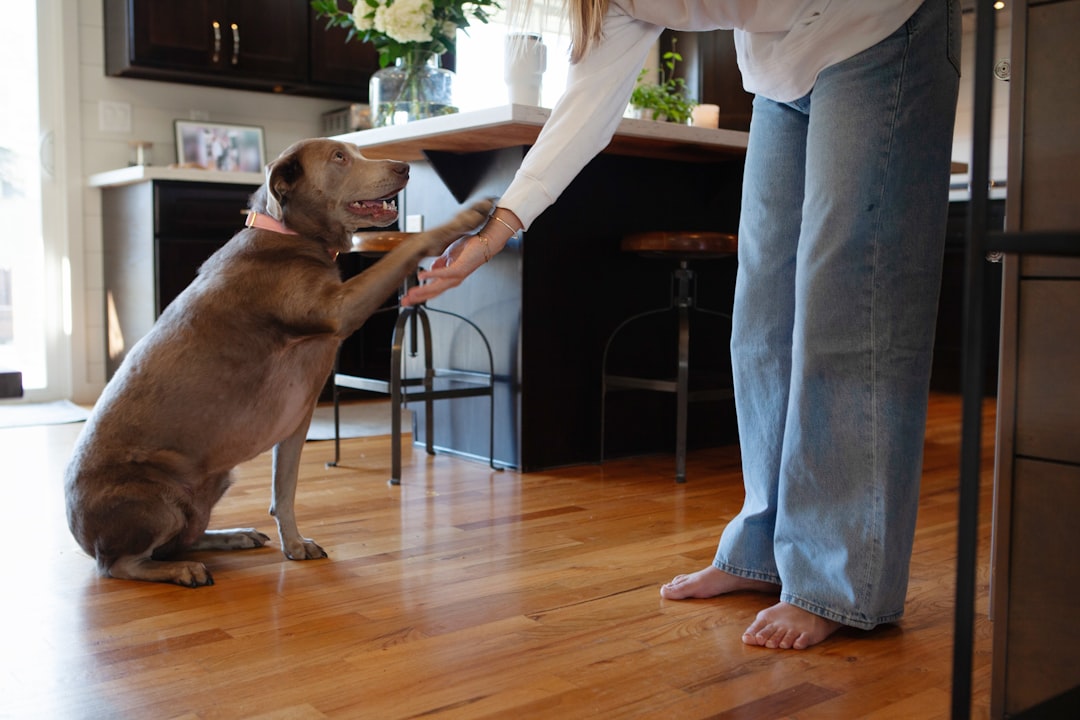
How to Teach Your Dog Attention & Focus on Owner Command
Introduction: Why Teaching Your Dog to Focus on You Changes Everything
Picture this: You're at the park, your dog is mid-sniff of something fascinating, and you call their name. Nothing. You try again, louder this time. Still nothing. Meanwhile, a squirrel darts across the path, and suddenly your dog is lunging forward like they're auditioning for a sled team.
Sound familiar?
Here's the truth that transformed my training career: attention is the foundation of everything else you'll ever teach your dog. Without your dog's focus, even the most perfectly timed "sit" or "stay" command becomes background noise competing with a world full of infinitely more interesting distractions.
The Missing Link in Most Training Programs
Most dog owners jump straight into teaching commands—sit, down, stay—without establishing the most crucial skill first: teaching their dog that you are worth paying attention to. It's like trying to teach algebra to a student who won't look at the chalkboard.
Dogs are sensory powerhouses. Their world is an overwhelming symphony of smells (40 times more powerful than ours), sounds we can't even hear, and visual stimuli we completely miss. That squirrel? It's not just cute—it's a biologically hardwired trigger screaming "CHASE ME!" Other dogs smell like walking encyclopedias of information. Even that patch of grass contains the entire neighborhood gossip in scent form.
Your voice? Without training, it's just another sound in the chaos.
What a Solid Focus Command Actually Does
Teaching a reliable "focus" or "watch me" command creates a communication bridge between you and your dog. It's essentially teaching them that when you ask for attention, disengaging from distractions and checking in with you is always worth their while.

Check Price on Amazon →
This single skill creates a ripple effect across all training:
- Leash walking transforms because your dog learns to check in with you instead of dragging you toward every distraction
- Recall becomes reliable since you can get their attention before calling them to come
- New commands stick faster because you can actually capture their focus during training sessions
- Threshold manners improve as your dog learns to focus on you instead of exploding when guests arrive
Real-World Game Changers
The real magic happens in everyday situations. Imagine walking into the vet's office—typically a stress fest of barking, anxious dogs, and overwhelming smells—and your dog calmly looks at you when asked, tuning out the chaos. Or picture standing at the park entrance, asking for focus before unclipping the leash, ensuring your dog's brain is with you before freedom begins.
One of my clients mastered this with her reactive German Shepherd. Within three weeks of focus training, she could get his attention even when another dog appeared across the street—something that previously sent him into a barking meltdown.
Bottom line: Teaching focus isn't just another trick. It's the master key that unlocks every other door in dog training. Get this right, and everything else becomes exponentially easier.
Understanding Canine Attention: How Dogs Naturally Focus
Let's start with a fundamental truth: your dog isn't ignoring you because they're stubborn or dominant. They're simply doing what evolution designed them to do—prioritizing immediate sensory information from their environment. That squirrel, that distant bark, that interesting smell on the ground? These are all naturally more compelling to your dog than your voice, at least initially.
Dogs experience the world through their noses first, ears second, and eyes third. When you're calling your dog and they seem completely oblivious, they're likely processing dozens of scent particles, sounds at frequencies you can't hear, and movement in their peripheral vision. Without training, human verbal cues simply don't rank high on their priority list. This isn't defiance—it's biology.
The Role of Eye Contact in Dog Communication
Here's something fascinating: direct eye contact means different things to dogs than it does to us. In canine communication, prolonged staring can signal threat or confrontation. Yet we're asking our dogs to look at us voluntarily and see it as positive. That's a significant mental shift for them.
Puppies typically have attention spans of just 3-5 minutes, while adult dogs can sustain focus for 10-15 minutes with proper training. Young puppies also haven't developed impulse control, which makes environmental distractions nearly impossible to resist. If your 12-week-old puppy can't hold focus for more than a few seconds, that's completely normal.
The breed factor matters more than most people realize. Border Collies, Australian Shepherds, and other herding breeds have been selectively bred for centuries to maintain intense eye contact with their handlers. They're hardwired to check in visually. Sporting breeds like Labrador Retrievers and Golden Retrievers naturally orient toward humans because cooperation was essential for their hunting work.
Meanwhile, hounds were bred to follow their noses independently, often working far from their handlers. Northern breeds like Huskies were selected to make independent decisions while pulling sleds. These dogs can absolutely learn focus, but it goes against their genetic programming, so it requires more patience and higher-value rewards.
Common Attention Challenges by Breed and Temperament
Scenthounds (Beagles, Bloodhounds): Once their nose hits the ground, the world disappears. Their olfactory cortex is so developed that scent information genuinely overwhelms other input.
Terriers: Bred to work independently and react instantly to movement, terriers often struggle with sustained calm focus. They're scanning for action constantly.
Brachycephalic breeds (Bulldogs, Pugs): Their visual field is different due to facial structure, making it harder to maintain eye contact while monitoring their environment.
Here's the critical distinction: compliance isn't the same as engagement. A dog who sits because they're afraid not to isn't truly focused—they're suppressing their own behavior. Genuine attention training creates a dog who chooses to check in with you because that connection is rewarding in itself. This partnership mentality is what transforms training from mechanical obedience into willing cooperation.
Check Price on Amazon →
The good news? Every dog can learn to offer attention, regardless of breed or age. It just requires understanding what you're actually asking them to do.
Preparing for Success: What You Need Before Training Begins
Before you dive into teaching your dog to focus on you, let's set up conditions that actually give you both a fighting chance. I've seen too many owners get frustrated because they're trying to teach attention while their dog is surrounded by squirrels, using boring treats, or hasn't eaten in twelve hours. Let's fix that.
High-Value Reward Ideas That Actually Work
Here's the truth: your dog's regular kibble probably isn't going to cut it for attention training. You need rewards that make your dog think "I would do ANYTHING for that!"
The best high-value rewards are smelly, soft, and small (pea-sized). Here's what consistently works:
- String cheese or mozzarella (tear into tiny pieces)
- Plain cooked chicken breast (cut into small cubes)
- Hot dogs (low-sodium, cut small)
- Freeze-dried liver treats (extremely high-value)
- Peanut butter (use sparingly on a spoon for jackpot rewards)
- Small pieces of lunch meat (turkey or ham)
Check Price on Amazon →
The key is to experiment. Some dogs lose their minds for cheese but couldn't care less about chicken. Test different options during non-training moments and notice what makes your dog's eyes light up.
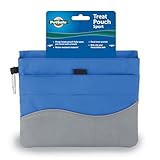
One practical tip: prep treats before your training session and keep them in a
Check Price on Amazon →
at your waist. Fumbling with bags kills momentum and breaks your dog’s focus.
Setting Up Your Training Space
Start in the most boring environment possible—and I mean boring. We're talking a quiet room with the door closed, no other pets, no kids running around, and definitely no windows with fascinating outdoor views.
Why? Because you need to understand your dog's attention baseline first. Can they look at you for 2 seconds without environmental distractions? Or can they hold focus for 20 seconds? You can't know this if you're competing with the neighbor's cat walking across the fence.
Your ideal starter space should be:
- Quiet (no TV, minimal household noise)
- Small enough that your dog can't wander far
- Free from toys, food bowls, or other interesting objects
- Boring-colored walls work better than busy patterns
A bathroom, bedroom, or hallway often works perfectly. Once your dog can focus reliably in this space, you'll gradually add distractions—but that comes later.
Setting Realistic Expectations
Be honest about where your dog is starting from. A 10-week-old puppy has the attention span of a goldfish on espresso—and that's completely normal. Meanwhile, a two-year-old Border Collie should be capable of much longer focus sessions.
Consider these factors:
Age: Puppies under 6 months should only train for 3-5 minutes at a time. Adult dogs can go 10-15 minutes before needing a break.
Breed tendencies: Herding and sporting breeds often naturally focus on their handlers. Independent breeds like hounds or terriers may need more patience and higher-value rewards.
Energy level: This is crucial—train when your dog is slightly hungry and mentally alert, not exhausted from a three-mile run or bouncing off the walls with pent-up energy. A 20-minute walk before training often hits the sweet spot.
Training a tired dog sounds good in theory, but an exhausted dog can't learn effectively. Think "pleasantly exercised," not "ready to collapse."
Start where your dog is, not where you wish they were. Small wins build momentum.
Step-by-Step: Teaching the Basic Focus Command
Let's get your dog looking at you like you're the most interesting thing in the world. The foundation of attention training is simpler than you might think—it's all about making eye contact incredibly rewarding.
Choosing Your Cue Word
First, pick your command and stick with it. "Watch me" is the classic choice, but "Focus," "Look," or even just your dog's name works perfectly. The key is consistency—everyone in your household should use the same word.
Three Proven Methods to Get Started
You don't need to pick just one approach. I recommend starting with Method 1 and adding the others as needed.
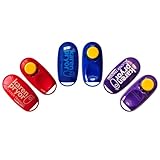
Method 1: Capturing Natural Eye Contact is my favorite because it's the easiest. Throughout your day, whenever your dog spontaneously looks at your face, immediately mark it with "Yes!" or a click, then reward with a treat. No cue word yet—we're just building the behavior first. Your dog will quickly realize that looking at your face = good things happen.
Check Price on Amazon →
Method 2: The Lure Technique works beautifully for dogs who need a little help figuring it out. Hold a treat at your dog's nose, then slowly bring it straight up to your eyes. The moment your dog's eyes follow the treat to your face, mark and reward. After a few repetitions, most dogs start checking your face automatically.
Method 3: The Waiting Game teaches patience and thinking. Hold a treat at your chest or chin level and simply wait. Don't talk, don't move. Eventually—even if it takes 30 seconds—your dog will look up at your face out of curiosity or mild frustration. The instant they do, jackpot them with enthusiasm and treats!
Timing Is Everything
Mark the exact moment those eyes hit your face. We're talking split-second precision here. Late marking teaches the wrong behavior, like marking when your dog looks away. This is why clickers are so valuable—they're more precise than verbal markers.
Check Price on Amazon →
Practice Makes Progress
Check Price on Amazon →
Keep sessions short and sweet: 5-10 repetitions at a time, spread across 3-5 sessions daily. Think of it like strength training for your dog's brain. Quick, frequent reps build the habit faster than marathon sessions.
Week 1: Establishing the Behavior (1-3 Seconds of Focus)
Your only goal this week is getting reliable eye contact for just one second. Mark and reward immediately. Don't add your verbal cue yet—let your dog build the muscle memory first. By day 3 or 4, start holding the eye contact for 2-3 seconds before marking.
Week 2-3: Building Duration (5-10 Seconds)
Now we're getting somewhere! Gradually increase how long your dog holds eye contact before you mark and reward. Add one second every few sessions. If your dog breaks focus, that's information—you pushed too fast. Drop back to the previous duration they could handle.
Week 4+: Adding the Verbal Cue
Once your dog consistently offers 5+ seconds of eye contact, start saying your chosen cue word right before they look at you. Say "Watch me," pause half a second, then present your face. After 20-30 successful repetitions, your dog will understand the cue predicts the behavior.
Troubleshooting: When Your Dog Won't Look Up
If your dog stares at the treat in your hand instead of your face, you're using too high-value treats or holding them too visibly. Switch to boring treats and hide them behind your back. If your dog looks everywhere except your face, work in a less distracting environment first—a quiet room beats a busy park every time.
Leveling Up: Adding Distractions and Building Reliability
Once your dog reliably makes eye contact in a quiet, distraction-free environment, the real work begins. The goal isn't just a dog who focuses in your living room—you need that attention when a squirrel darts across your path or another dog barks nearby.
The key to success? Progress gradually and systematically. Too many owners jump from practicing at home to expecting perfect focus at the dog park, then feel frustrated when their dog ignores them completely. Let's break down how to build rock-solid reliability.
Creating Your Personalized Distraction Ladder
Think of distractions as a ladder you climb one rung at a time. What qualifies as "mild" versus "advanced" varies by dog—a tennis ball might be mildly interesting to a Basset Hound but completely irresistible to a Border Collie.
Start with mild distractions:
- A favorite toy placed on the floor several feet away
- A family member walking through the room
- The sound of food being prepared in the kitchen
- Sitting down instead of standing during practice
Move to intermediate challenges:
- Training in different rooms of your house
- Practicing with the TV or music playing
- Working in your backyard with ambient sounds
- Having someone knock on the door
Progress to advanced scenarios:
- Other dogs visible at a distance
- Squirrels, birds, or cats in the environment
- Busy sidewalks with pedestrians
- Inside pet-friendly stores with smells and activity
Remember the 3 D's of dog training: Duration, Distance, and Distraction. This principle is crucial: only increase one variable at a time. If you're introducing a new distraction, reduce how long you expect your dog to hold focus and stay closer to them. As they succeed, gradually extend duration or increase your distance—but not both simultaneously.
Check Price on Amazon →
Here's a powerful technique: use the Premack Principle, where access to the distraction becomes the reward. Your dog gives you eye contact near a toy? Release them to play with it. They check in while watching another dog? Allow them to say hello. This teaches that focus gets them what they want rather than takes it away.
Training in Real-World Environments: Parks, Sidewalks, and Pet Stores
Your living room success must transfer to real life. Start by simply standing in a new environment—don't even ask for focus initially. Let your dog observe and settle. Many dogs need 5-10 minutes just to acclimate to new sights and smells.
Begin your first session in a parking lot corner, not in the middle of the action. At a park, train near the edges first, gradually moving closer to the busy areas over multiple sessions. On sidewalks, practice during quiet times before attempting rush hour foot traffic.
Watch for signs you've progressed too quickly:
- Your dog can't take treats (stress indicator)
- They won't respond to their name at all
- Body language shows tension or fixation
- Success rate drops below 60-70%
If this happens, don't get frustrated—step back. Increase distance from the distraction, reduce duration, or return to an easier environment. There's no shame in backing up; it's smart training that prevents both of you from practicing failure.
Progress isn't always linear. Some days will be harder than others, and that's completely normal. Celebrate small wins, stay patient, and trust the process.
Practical Applications: Using Focus in Everyday Situations
Once your dog understands the focus command, the real magic begins. This isn't just a party trick—it's a practical tool that transforms everyday challenges into manageable moments. Let me show you how to apply this skill where it matters most.
The Focus-Before-Release Protocol for Better Leash Manners
Pre-walk routine is where leash pulling begins—or ends. Before you even open the door, ask for your dog's attention. Wait for eye contact, mark it with "yes," then release with "let's go." This simple pattern creates a mental shift: we don't move forward until you check in with me.
Check Price on Amazon →
I've seen this eliminate pulling in dogs who've dragged their owners for years. The secret? Consistency. Every single walk starts the same way. Your dog learns that pulling gets nothing, but focus gets everything—including that exciting walk.
Emergency recalls work much better when you get attention first. If your dog is fixated on a squirrel, shouting "come" rarely works. Instead, use your focus command to break that fixation, then call your dog. It's like tapping someone on the shoulder before asking a question—you need their attention first.
Using Focus to Interrupt Unwanted Behaviors
The focus command acts as a "reset button" for overstimulated dogs. When your dog starts getting ramped up—whether from excitement, frustration, or anxiety—asking for focus interrupts that emotional spiral. It gives their brain something productive to do instead.
Greeting people politely becomes straightforward with this approach. When someone approaches, ask for focus before your dog launches into jump mode. Keep rewarding that attention, and your dog stays grounded. Release them to greet only when they're calm. Most guests appreciate not getting pawed and covered in fur.
Vet visits and grooming appointments naturally stress dogs out, but your focus command provides an emotional anchor. Practice it in the waiting room, during the exam, anywhere your dog seems worried. That familiar command in an unfamiliar place says "you're safe, I've got this."
Multi-dog households benefit enormously from individual focus work. Dogs who constantly rile each other up learn they have a more rewarding option: paying attention to you. I teach this during feeding time, before releasing to play, and whenever tension builds. It gives you a way to redirect energy before conflicts start.
Restaurant patios and outdoor cafés test your training like nothing else—smells, strangers, other dogs, dropped food everywhere. Start with short visits. Ask for focus every minute or so, heavily reward it, then let your dog relax. Gradually extend the time between focus requests as your dog succeeds.

Check Price on Amazon →
The beauty of this command is its versatility. Whether you're preventing a disaster or just need five seconds of cooperation to clip a leash, having your dog's attention on demand changes everything. It transforms you from someone your dog ignores into someone worth paying attention to—and that's the foundation of every good behavior that follows.
Troubleshooting Common Focus Training Problems
Even with the best approach, focus training rarely progresses in a straight line. Here's how to tackle the most common roadblocks:
My dog won't look at my face – they only stare at the treats in my hand
This is incredibly common. Your dog has learned that the treat location is what matters, not your eyes. Fix this by holding treats against your cheek initially, then gradually moving your hand further away from your face after marking the eye contact. You can also try closed-fist training: keep treats in your closed fist at your side, and only mark when your dog gives up on the hand and looks at your face out of confusion or curiosity.
My dog loses focus after one second – duration won't improve
You're likely jumping ahead too quickly. If your dog consistently breaks eye contact after one second, you need to reward at the half-second mark for a while. Build duration in tiny increments—literally a quarter-second at a time. Think of it like weight training: you wouldn't jump from 10-pound dumbbells to 50-pound ones overnight.
Focus works at home but completely falls apart outside
Your dog isn't being stubborn—they're genuinely overwhelmed. The difficulty level jumped from a 2 to a 10. Create intermediate steps: practice in your driveway, then a quiet sidewalk, then a park at off-hours. Use higher-value treats outdoors, and temporarily lower your criteria. If your dog can hold focus for 5 seconds inside, celebrate 2 seconds outside.
Check Price on Amazon →
My dog seems anxious or stressed when making eye contact
Some dogs find direct eye contact threatening, especially if they've had negative experiences. Watch for lip licking, whale eye, or tense body language. For these dogs, start by rewarding attention toward your face area rather than direct eye contact. Mark when they look at your chin, nose, or forehead. Many dogs eventually build confidence to make true eye contact—but some don't, and that's okay. Functional attention is more important than a hard stare.
Training plateau: progress has stalled after initial success
Plateaus often mean your dog has mastered the current level but isn't ready for the next step. Try lateral training instead: keep the same duration but change locations, add mild distractions, or practice at different times of day. This builds generalization without overwhelming your dog. Also review your marker timing—sloppy timing is a frequent culprit in stalled progress.
Over-reliance on treats – my dog won't focus without food visible
Wean off visible treats by using a
Check Price on Amazon →
kept behind you or out of sight. Start rewarding intermittently—sometimes after one repetition, sometimes after three. Mix in life rewards: eye contact earns the leash coming out, door opening, or toy toss. This teaches that attention pays off in various ways, not just with food.
Competing with high-value distractions like other dogs or wildlife
You cannot out-treat a squirrel at close range—nor should you try. Create distance first. If your dog breaks focus at 20 feet from another dog, practice at 40 feet. Gradually decrease distance over multiple sessions. Pattern interrupts also help: the moment your dog notices the distraction but before they fixate, call their attention back.
Adapting Training for Reactive or Anxious Dogs
Reactive and anxious dogs need modified approaches. These dogs are often hyper-alert to their environment, making sustained focus genuinely difficult—not willful disobedience.
Start with shorter sessions (2-3 minutes maximum) and lower your expectations. For reactive dogs, begin threshold training: reward any attention toward you when triggers are visible at a distance where your dog can still think. This might be 100 feet from another dog initially.
Build a strong foundation with "check-ins"—spontaneous eye contact your dog offers without cuing. Reward these generously whenever they happen. This creates a habit of defaulting back to you when stressed.
Never force eye contact with anxious dogs. If your dog looks away, that's communication—they're uncomfortable. Respect it, increase distance from stressors, and try again when they're calmer.
When to Seek Professional Help
Consider working with a certified professional (CPDT-KA, KPA-CTP, or veterinary behaviorist) if:
- Your dog shows increasing stress or fear during training sessions
- Reactivity is intensifying rather than improving
- You see no progress after 4-6 weeks of consistent practice
- Your dog completely shuts down or becomes aggressive when you attempt focus work
- You feel frustrated, overwhelmed, or unsafe
A qualified trainer can assess whether your approach needs adjustment or if underlying anxiety requires behavior modification beyond basic focus training.
Maintaining and Strengthening Focus Long-Term
Getting your dog to respond reliably to your focus command is just the beginning. The real magic happens when you weave attention work into your everyday life and keep it fresh for years to come.
Moving to Variable Reinforcement
Once your dog has mastered the basics, it's time to transition from rewarding every single correct response to a more intermittent schedule. This doesn't mean abandoning treats—it means becoming unpredictable. Reward the first focus of the day, skip the next two, then reward again. This "slot machine" effect actually strengthens the behavior because your dog never knows which check-in will pay off. Start by rewarding 80% of responses, then gradually reduce to 50%, then 30%. Your dog will work harder to earn that reward, and the behavior becomes more resistant to fading.
Engagement Games to Keep Training Fun
Formal training sessions can become stale. Keep things exciting with games that build focus naturally:
Find Me – Hide behind doors, trees, or furniture during walks or yard time. When your dog notices you're gone and seeks you out, celebrate enthusiastically. This teaches them to monitor your location constantly.
Name Game – In a low-distraction environment, simply say your dog's name at random moments throughout the day. When they look at you, smile and sometimes toss a treat or offer praise. This creates a beautiful habit of voluntary check-ins.
Which Hand – Hold
Check Price on Amazon →
in one closed fist. Your dog must make eye contact before you reveal which hand holds the reward. This combines impulse control with focus work.
Transitioning Off Treats to Life Rewards
Food is a training tool, not a lifelong requirement. As your dog matures in their focus skills, start substituting "life rewards"—things your dog wants in that moment. Eye contact at the door earns the door opening for a walk. Focus before a ball throw becomes the reward system. Your dog checks in during a hike? Release them to go sniff that fascinating spot. This integration makes focus part of your communication language rather than a trick that requires cookies.
The Power of Voluntary Attention
The most valuable moments aren't the ones you ask for—they're when your dog chooses to check in with you unprompted. You're cooking dinner and your dog sits nearby, watching you. That deserves recognition! A smile, a kind word, or occasionally a scrap of carrot reinforces that staying connected to you is always worthwhile.
Age-Appropriate Expectations
Senior dogs may not have the stamina for lengthy focus sessions, but they often develop beautiful, soft attention as they age. Adjust your expectations—a seven-year-old dog might hold focus for two minutes, while a twelve-year-old might manage thirty seconds before needing a break. Honor their capabilities while maintaining the connection. The bond you've built through years of focus work becomes even more precious in their golden years.
Focus work transcends obedience training. It's a conversation, a dance, a way of moving through the world together. Keep practicing, keep playing, and watch as your dog transforms into a partner who genuinely wants to stay tuned in to you—because you've made it the best place to be.
Frequently Asked Questions
How long does it take to teach a dog to focus on command?
Most dogs learn basic eye contact within 1-2 weeks with consistent daily practice. Building reliable focus with distractions typically takes 4-8 weeks of progressive training. Puppies and easily-distracted breeds may need 2-3 months for solid reliability. Continued practice and reinforcement throughout the dog's life maintains the behavior. Every dog learns at their own pace – celebrate small progress rather than rushing.
Can I use my dog's name instead of a separate focus command?
Using your dog's name alone can work, but many dogs hear their name constantly without consequence. Best practice: use name to get attention, then add specific command for what you want. If using name only, never say it without following up with reward or instruction. For dogs who've learned to ignore their name, a fresh cue like 'watch me' often works better. Having a distinct focus command is especially helpful in multi-dog households.
What if my dog gets anxious or fearful during eye contact training?
Some dogs find direct, prolonged eye contact threatening due to genetics or past experiences. Start by rewarding glances toward your face rather than intense eye contact. Look at your dog's forehead or nose rather than staring directly into their eyes initially. Keep sessions very short and upbeat – never force or intimidate your dog into looking. For severely anxious dogs, work with a certified trainer or veterinary behaviorist. Focus on building confidence through other training first, then gradually introduce focus work.
Should I use treats forever, or will my dog eventually focus without them?
Treats are training tools, not bribes – use them generously during learning phase. Gradually transition to variable reinforcement: reward randomly rather than every time. Replace food with 'life rewards': focus earns walk continuation, toy toss, or freedom. Always carry treats for occasional reinforcement, especially in challenging situations. Well-trained dogs will focus reliably but still appreciate and deserve rewards. Think of treats like a paycheck – they maintain motivation and job satisfaction.
My dog focuses perfectly at home but ignores me outside. What am I doing wrong?
This is completely normal – outdoor environments are exponentially more stimulating. You progressed too quickly from easy to difficult environments without intermediate steps. Practice in gradually more distracting locations: backyard, quiet street, then busier areas. Increase treat value for outdoor training – use chicken, cheese, or hot dogs instead of kibble. Reduce your expectations initially outside: if they can hold 10 seconds inside, ask for 2 seconds outside. Train during lower-distraction times: early morning walks rather than peak dog-walking hours. This gap between indoor and outdoor performance is exactly what distraction training addresses.