Dog Barking at Fence: Stop Territorial Guarding Behavior
Introduction
You know the scene all too well. The mailman approaches, your neighbor walks by with their dog, or a jogger passes your property—and suddenly your peaceful afternoon erupts into chaos. Your dog launches toward the fence at full speed, barking frantically, hackles raised, as if they're single-handedly defending the homestead from invaders. The mailman flinches. Your neighbor gives you that look. And you're left feeling embarrassed, frustrated, and wondering how your sweet companion transforms into a seemingly aggressive guard dog multiple times a day.
This exhausting ritual is called territorial or barrier frustration barking, and if you're dealing with it, you're definitely not alone. It's one of the most common behavioral complaints from dog owners with yards, and it stems from deeply ingrained canine instincts. Your dog isn't being "bad" or trying to embarrass you—they're simply doing what comes naturally: alerting their pack to potential intruders and defending their perceived territory. The fence creates a barrier that simultaneously frustrates them and emboldens them, creating the perfect storm for this explosive behavior.
Here's the encouraging news: territorial fence barking is absolutely manageable. While we can't eliminate your dog's natural guarding instincts entirely (nor would we want to—that's part of who they are), we can teach them appropriate responses and significantly reduce the intensity and frequency of these outbursts.
Understanding the "why" behind fence guarding is your first step toward real solutions. When you grasp what's motivating your dog—whether it's true territorial defense, barrier frustration, excitement, fear, or a combination—you can address the root cause rather than just fighting symptoms. This knowledge transforms you from someone who's constantly reacting to the barking into someone who's proactively teaching better habits.
The impact of uncontrolled fence barking extends far beyond mere annoyance. For you, it means:
- Strained relationships with neighbors
- Anxiety every time you let your dog outside
- Potential complaints or even legal issues in some municipalities
For your dog, chronic fence charging creates:
- Elevated stress levels and constant hypervigilance
- Reinforcement of reactive behaviors that spill into other areas of life
- Physical risks from repeatedly slamming into barriers
And let's be honest—your neighbors aren't thrilled either.
But modification is absolutely possible with consistency and the right techniques. I've helped hundreds of dogs transform from frantic fence patrollers into calm backyard companions, and the same methods can work for your dog. This isn't about harsh corrections or expensive equipment. It's about understanding canine behavior, managing the environment strategically, and teaching your dog that quiet, calm behavior is far more rewarding than the adrenaline rush of barrier barking.
Let's dive into why this happens and, more importantly, what you can do about it.
Why Dogs Guard Territory at Fences: Understanding the Root Causes
If your dog transforms into a barking maniac the moment someone walks past your fence, you're witnessing a perfect storm of instinct, frustration, and learned behavior. Understanding what's driving this territorial display is the first step toward addressing it effectively.
Territorial instinct is deeply hardwired into your dog's DNA. For thousands of years, dogs and their wolf ancestors survived by protecting valuable resources—food, shelter, and safe spaces for their pack. Your yard? That's prime real estate in your dog's mind, and they're convinced it's their job to defend it. This isn't bad behavior; it's ancient programming doing exactly what evolution designed it to do.
The Psychology of Barrier Frustration
Here's where things get interesting. Fences create a uniquely maddening situation for dogs called barrier frustration. Your dog can see, hear, and smell everything beyond that fence line—other dogs, joggers, delivery trucks—but can't reach them to investigate or interact. Imagine watching TV through a window you can't open while really wanting to change the channel. That's the mental state your dog experiences.
This frustration builds arousal and stress, which often explodes into barking and fence-running. The fence doesn't feel like protection to your dog; it feels like an obstacle preventing them from doing their "job" of checking out potential threats or greeting possible friends.
Self-Reinforcing Behavior Cycles
Now here's the kicker: every time your dog barks at someone and that person walks away, your dog thinks they've won. From their perspective, the barking worked perfectly—the "intruder" retreated! This creates a powerful self-reinforcing loop.
Mail carrier approaches → Dog barks frantically → Mail carrier leaves → Dog's brain: "Success! My barking drove them away!" This happens dozens of times daily, strengthening the behavior with each repetition. Your dog is essentially getting paid in satisfaction every single time, making this one of the trickiest behaviors to modify.
Breed-Specific Territorial Tendencies
Not all dogs guard with equal intensity. Livestock guardian breeds like Great Pyrenees and Anatolian Shepherds were literally bred to patrol property and deter predators—often working independently without human direction. Herding breeds like German Shepherds and Australian Cattle Dogs have strong patrol and protection instincts. Terriers were bred to be tenacious and alert, traits that translate easily into territorial barking.
That said, any dog can develop fence guarding behavior, regardless of breed. I've worked with territorial Chihuahuas and completely mellow Rottweilers—individual temperament matters enormously.
Lack of proper socialization during the critical 3-16 week puppy period intensifies territorial responses. Puppies who don't learn that strangers, other dogs, and novel sights are normal parts of life often become adults who view them as threats worth barking at.
Finally, boredom is gasoline on this fire. A dog with insufficient mental and physical stimulation will channel that pent-up energy into fence patrol. It becomes their hobby, their job, their entire entertainment system.

Check Price on Amazon →
The good news? Once you understand these root causes, you can develop a training plan that addresses the real problem, not just the symptom.
Signs Your Dog Is Displaying Territorial Fence Guarding
Recognizing territorial fence guarding early makes a huge difference in addressing the behavior effectively. While it's normal for dogs to notice what's happening in their environment, true territorial guarding goes well beyond casual interest or friendly curiosity.
The hallmark sign is repetitive fence-running or pacing along the boundary line. Your dog races back and forth, tracking anything moving outside the perimeter—whether that's a pedestrian, another dog, or even a bicycle. This isn't a one-time alert; it's a predictable pattern that happens every single time a trigger appears. You'll notice your dog may even anticipate triggers, positioning themselves at the fence before anyone comes into view.
Intense barking, lunging, or jumping at the fence accompanies this behavior. This isn't a couple of woofs to say "Hey, I see you!" Rather, it's persistent, rapid-fire barking that continues as long as the trigger is present—and sometimes even after it's gone. Your dog may throw their body against the fence, jump repeatedly trying to see over or get through, and work themselves into an increasingly agitated state.
Reading Your Dog's Body Language
Body language tells you what's really going on in your dog's mind. Territorial fence guarding shows distinct physical cues:
- Stiff, rigid posture throughout the entire body
- Raised hackles (piloerection) along the back and shoulders
- Forward-leaning stance with weight shifted toward the fence
- Hard eye contact locked on the trigger
- Tail held high and stiff (different from the loose, happy wagging of play)
- Lips may curl back, showing teeth
One of the most concerning signs is difficulty disengaging. When you call your dog or try to redirect them, they either completely ignore you or glance back for a split second before returning their attention to the fence. During these episodes, even the most obedient dog seems to "forget" all their training.
Critically, the behavior intensifies with repeated exposure rather than diminishing. Each time your dog practices this pattern, it gets stronger and more automatic. What started as moderate barking can escalate to fence-fighting with neighboring dogs, creating a dangerous situation where dogs on both sides become increasingly aggressive through barrier frustration.
Territorial Barking vs. Other Types of Barking
Understanding the difference between territorial guarding and other barking types helps you respond appropriately.
Play barking is bouncy and intermittent, with relaxed body language, play bows, and breaks in the action. The dog wants interaction, not to drive something away.
Alert barking is brief—a few woofs to notify you of something unusual. The dog typically checks in with you and relaxes once they see you're aware or you've acknowledged them.
Fear-based barking comes with defensive body language: crouching, backing away, tucked tail, or trying to create distance. The dog wants the trigger to leave them alone, not necessarily to chase it away from the entire territory.
Territorial fence guarding, by contrast, shows a dog who feels responsible for defending the property line, displays offensive (not defensive) body language, and becomes more committed to the behavior over time. Recognizing these signs early lets you intervene before the pattern becomes deeply ingrained.
The Problems Created by Fence Barking Behavior
What starts as your dog "just doing their job" can quickly spiral into a situation that affects everyone—including your dog. Let's be honest about the real consequences of allowing fence barking to continue unchecked.
The Human Cost: Neighbors and Legal Headaches
Chronic barking is one of the top sources of neighbor disputes. What you might tune out after five minutes, your neighbor hears through their home office wall during back-to-back video calls. I've worked with clients who've received cease-and-desist letters, been threatened with HOA fines, and even faced small claims court over their dog's fence barking. In some municipalities, excessive barking can result in citations that cost hundreds of dollars—and repeat offenses may lead to your dog being declared a nuisance, with legal consequences that follow.
Your Dog Is Not Having Fun
Here's what many owners don't realize: that dog frantically barking at the fence isn't protecting the home with calm confidence. They're experiencing a neurological storm. Every fence patrol spikes your dog's cortisol levels, flooding their body with stress hormones. When this happens daily—sometimes dozens of times per day—your dog exists in a state of chronic arousal.
Think of it like someone drinking five espressos and then being startled by a doorbell over and over. Your dog can't downregulate properly between "threats," which means they're living in fight-or-flight mode even during what should be relaxing yard time.
When Guarding Behaviors Escalate
I've seen fence aggression create dangerous situations. Dogs who are intensely aroused at the fence sometimes redirect that energy toward whoever is nearby—including family members. A child walking up behind a barking dog, or an owner trying to grab a collar mid-bark, can accidentally trigger a bite. It's not that your dog is "turning aggressive"; they're so overstimulated they can't process what's happening around them.
Fence-fighting with the neighbor's dog can also lead to injuries. Dogs attempting to jump over, dig under, or push through fencing to reach another dog have ended up with torn paw pads, broken teeth, and worse.
The Ripple Effects
Fence barking doesn't stay at the fence. Dogs learn patterns, and that reactive, aroused state becomes their default setting. I regularly work with dogs whose fence reactivity has generalized to walks—now they're lunging and barking at dogs they see on the sidewalk, making every outing stressful.

Check Price on Amazon →
There's also the neighborhood domino effect. Your dog's barking triggers the dog next door, who sets off the dog across the street, creating a cascade that annoys an entire block. You become that house.
What You're Both Missing
Perhaps saddest of all: fence barking robs you and your dog of peaceful outdoor time together. Your yard should be a place for play, training, and relaxation—not a stress-inducing surveillance station. When every outside moment is dominated by scanning for threats and explosive reactions, everyone loses.
Management Strategies: Controlling the Environment
When your dog rehearses fence barking day after day, you're essentially allowing them to practice a behavior that becomes more ingrained over time. Think of it like this: every bark is a repetition that strengthens the habit. The good news? You can interrupt this cycle by thoughtfully managing your dog's environment while you work on training.
Visual Barrier Solutions That Work
The single most effective management tool I recommend is eliminating what your dog can see. If they can't see the "threat," they're far less likely to react to it.
Privacy slats woven through chain-link fencing provide immediate relief. They're affordable and can be installed in an afternoon. For a more natural approach, reed fencing or bamboo screening creates an attractive barrier that blocks sight lines while still allowing air circulation.
Living barriers take longer but offer beautiful, permanent solutions. Fast-growing hedges like Leyland cypress or privet can create a green wall within 2-3 years. Plant them 3-4 feet inside your fence line to create a buffer zone—this extra distance means less intense reactions when people or dogs pass by.
Don't overlook indoor triggers, either. Many dogs get wound up watching activity through windows, then bolt outside already aroused. Frosted window film on lower panes or strategic furniture placement can prevent this pre-fence arousal that sets them up to fail.
Creating Yard Zones for Success
Stop giving your dog unsupervised access to the entire yard during the training phase. Instead, create intentional zones that set them up for success.
Designate a "potty zone" away from high-traffic fence areas using

Check Price on Amazon →
sections or temporary fencing. This area should be boring—no exciting sight lines, just a space to do their business and return inside. You’re creating a new routine that doesn’t involve fence patrol.
Along your property boundary, consider buffer gardens—raised beds, large planters, or garden borders that physically prevent your dog from pressing against the fence. A 2-3 foot garden bed filled with shrubs creates distance and reduces the intensity of reactions. Your dog simply can't get close enough to go into full territorial mode.

Check Price on Amazon →
Relocate favorite lounging spots away from fence lines. If your dog's bed or favorite sunny spot sits right where they can monitor the sidewalk, you're unintentionally encouraging surveillance behavior. Move these areas to the center of the yard or closer to your house.
Supervised vs. Unsupervised Outdoor Time
Here's the tough-love truth: during active training, unsupervised outdoor time should be eliminated entirely. Yes, completely. I know that sounds extreme, but every unsupervised fence-barking episode undoes your training work.
Instead, implement an indoor/outdoor rotation system. Your dog goes out with you, on-leash if necessary using a
Check Price on Amazon →
, for bathroom breaks and supervised play. The rest of the time, they’re inside with you.
This isn't forever—just during the 3-6 week intensive training phase. Once your dog demonstrates reliable impulse control and responds to interruption cues, you can gradually reintroduce unsupervised time.
If possible, coordinate with neighbors about timing. When you know the neighborhood dog walker comes by at 4 PM, keep your dog inside during that window. This simple scheduling prevents rehearsal of the barking behavior during your most vulnerable training period.
Training Techniques to Stop Fence Territorial Barking
Territorial fence barking won't disappear overnight, but with consistent training, you can dramatically reduce this behavior. The key is addressing both the emotional response (your dog's anxiety or excitement) and providing alternative behaviors they can do instead of barking.
Step-by-Step Desensitization Protocol
Desensitization works by gradually exposing your dog to their triggers at a level they can handle without going into full barking mode. Start by identifying what sets your dog off—passing dogs, people, delivery trucks—then work at distances where your dog notices but doesn't react.
Here's how to begin:
- Position yourself and your dog far enough from the fence that they're aware of the trigger but not barking (this might be 20-50 feet initially)
- The moment your dog notices the trigger but remains calm, mark it with "yes!" and reward generously
- Gradually decrease the distance over multiple sessions—we're talking days or weeks, not hours
- If your dog starts barking, you've moved too fast; increase distance again
Critical point: You're not just preventing barking; you're changing how your dog feels about triggers. When they start associating passing dogs with treats from you, the emotional response shifts from "THREAT!" to "where's my reward?"

Check Price on Amazon →
Teaching the 'Quiet' Cue Effectively
Before you can ask for quiet, your dog needs to understand what that means. Here's the reality: you can't teach "quiet" during a barking frenzy. Instead, build this foundation during calm moments.
Start in a low-distraction environment. Wait for a moment when your dog naturally stops making noise, immediately say "quiet" or "enough," then reward. Repeat this dozens of times so the word becomes meaningful. Once your dog understands the cue in easy situations, gradually introduce it near the fence when arousal is still low.
Timing is everything: Reward before your dog reaches peak arousal. If you wait until they're in a full barking meltdown, you've missed your window. Watch for early warning signs—stiffening posture, ears perking, focused staring—and intervene then.
Threshold Training for Fence Reactivity
Your dog has an invisible threshold where they switch from "I notice that" to "I MUST BARK AT THAT!" Your job is to work just below this line.
Think of it like a pressure cooker. At 2/10 arousal, your dog can think and learn. At 8/10, their brain is flooded with adrenaline and cortisol, making learning impossible. Always aim to train at 2-4/10 arousal levels.
Check Price on Amazon →
Creating Positive Associations with Triggers
Counter-conditioning means changing your dog's emotional response. Instead of teaching them to suppress barking through corrections (which doesn't address the underlying anxiety), teach them that triggers predict wonderful things.
The pattern interrupt approach: When your dog notices a trigger, immediately engage them in an alternative activity:
- Scatter
Check Price on Amazon →
in the grass and say “find it”
– Call them to their
Check Price on Amazon →
(their designated “place”)
– Start a quick game of tug or chase away from the fence
This breaks the automatic "see trigger → bark" cycle and redirects that energy. The "go to place" cue is particularly valuable—it gives your dog a specific job that's incompatible with fence guarding.
Remember: every successful repetition strengthens new neural pathways. You're literally rewiring your dog's brain to respond differently to what used to trigger territorial behavior.
Enrichment and Exercise: Reducing the Drive to Guard
A tired dog is typically a better-behaved dog, and this is especially true when it comes to fence barking. When your dog's physical and mental needs aren't met, they have excess energy to channel into hypervigilance and territorial behavior. Think of it this way: if your dog spent the morning on an engaging scent walk and the afternoon working through puzzle toys, they'll have far less motivation to patrol the fence line looking for action.
The connection between enrichment and reduced reactivity is backed by behavioral science. Dogs with adequate outlets for their natural instincts—sniffing, chasing, problem-solving—experience lower baseline arousal levels. This means they're less likely to explode into barking at every stimulus and more able to regulate their emotions when something does catch their attention.
Exercise Requirements by Breed and Age
Not all dogs need the same amount of exercise, and matching your routine to your dog's specific needs is crucial. A young Border Collie requires significantly more physical and mental stimulation than a senior Basset Hound.
High-energy breeds (herding dogs, sporting breeds, terriers) typically need 60-90 minutes of vigorous exercise daily, plus mental challenges. These dogs thrive with:
- Running or biking alongside you
- Fetch sessions with progressive distance
- Swimming or water play
- Agility or flyball classes
Moderate-energy breeds generally do well with 45-60 minutes of moderate activity. Think Labrador Retrievers (though some are high-energy!), Beagles, and many mixed breeds.
Lower-energy and senior dogs still need movement—usually 20-40 minutes daily—but at a gentler pace. Short walks, easy sniff sessions, and low-impact play keep them engaged without overtaxing aging joints.
Puppies require multiple short sessions rather than one long outing. Overtiring young dogs can actually increase reactivity and make behavior worse.
Mental Enrichment Activities That Tire Dogs Out
Here's a secret: fifteen minutes of focused mental work can tire your dog as much as a 30-minute walk. Mental exhaustion is your friend in reducing fence guarding.
Nosework and scent games tap into your dog's most powerful sense. Hide treats around the yard (away from the fence!), teach formal nosework, or create scent trails for your dog to follow. This natural activity is deeply satisfying and builds impulse control.

Check Price on Amazon →
Food puzzles and enrichment give your dog something productive to do in the yard instead of barking. Frozen

Check Price on Amazon →
stuffed with wet food, peanut butter, or plain yogurt can occupy 20-30 minutes. Rotate different puzzles to maintain novelty.
Structured training sessions provide mental stimulation while building the focus you'll need for behavior modification. Even five minutes of trick training—teaching "spin," "back up," or "go to mat"—engages your dog's brain and strengthens your bond.
Decompression walks in quiet, low-stimulation environments help dogs decompress from the stress of constant alertness. Let your dog sniff extensively on a long line in a peaceful area. These aren't exercise walks—they're emotional reset buttons.
Create a predictable routine with set times for walks, meals, training, and rest. Dogs with consistent schedules experience less anxiety and feel more secure, reducing the need to control their territory. When your dog knows a walk is coming at 4 PM, they're less likely to self-entertain by barking at 3:45 PM.
When to Seek Professional Help
Sometimes fence barking escalates beyond what you can manage on your own, and that's completely okay. Recognizing when you need professional support is a sign of responsible dog ownership, not failure.
Watch for these warning signs that indicate it's time to call in an expert:
- Your dog's behavior is getting worse despite consistent training efforts over 4-6 weeks
- You're seeing actual aggression—hard stares, bared teeth, lunging with intent to bite
- Your dog is physically injuring themselves (bloody paws, broken teeth, torn nails from fence climbing)
- The reactivity is spreading to walks, greeting visitors, or other situations
- You feel overwhelmed, inconsistent, or afraid of your dog's reactions
- Neighbors are complaining or threatening legal action
If your dog has bitten or attempted to bite someone through the fence, consider this an immediate red flag requiring professional intervention.
How to Choose a Qualified Dog Trainer
Not all dog trainers are created equal. The pet training industry is largely unregulated, so credentials matter. Look for professionals with recognized certifications:
- CPDT-KA (Certified Professional Dog Trainer – Knowledge Assessed)
- IAABC (International Association of Animal Behavior Consultants)
- KPA CTP (Karen Pryor Academy Certified Training Partner)
- CBCC-KA (Certified Behavior Consultant Canine – Knowledge Assessed)
A qualified professional will conduct a thorough behavior assessment, often visiting your home to observe the fence barking in context. They'll evaluate triggers, your dog's body language, environmental factors, and your household dynamics. Expect them to create a customized training plan and teach you the skills to continue progress between sessions.
For severe cases—especially those involving true aggression or intense anxiety—ask your veterinarian for a referral to a veterinary behaviorist (DACVB). These are veterinarians with specialized behavioral medicine training who can prescribe anxiety medication when appropriate.
Red Flags: Training Methods to Avoid
Stay away from trainers who use or recommend:
- Shock collars or "e-collars" for fence barking
- Prong or choke chains
- Alpha rolls, dominance theory, or "pack leader" language
- Yelling, hitting, or physical corrections
- Flooding techniques (forcing your dog to face triggers until they "give up")
These punitive methods often make fence reactivity worse by increasing your dog's stress and anxiety. They can also damage your relationship and create new behavioral problems.
The Medication Question
Don't shy away from discussing anti-anxiety medication with your vet if recommended. For dogs with severe reactivity or chronic stress, medication can lower anxiety enough to make training actually effective. Think of it like trying to teach someone to swim while they're drowning—sometimes you need to calm the nervous system first.
Medication isn't defeat; it's a tool that might be temporary or long-term depending on your dog's needs.
Bottom line: Professional help gives you expert eyes on your specific situation. Every dog, home, and neighborhood is different. What works for one fence-barking dog might not work for yours, and a qualified professional can troubleshoot the nuances that online advice simply can't address.
Long-Term Success: Maintaining Progress
Here's the truth about territorial barking: fixing it isn't a two-week project. The good news? With the right approach, you'll see real improvement. The reality check? You'll need to stay consistent for the long haul.
Consistency Across Your Household
Your dog doesn't understand that Dad lets him bark at the mailman while Mom redirects him inside. This confusion will completely undermine your progress. Sit down with everyone in your household—including kids, visiting relatives, and dog walkers—and agree on the exact same response every single time your dog alerts at the fence.
Write it down if you need to. "When Buddy barks at the fence, we immediately call him inside using his recall command, reward him for coming, and keep him engaged for 2 minutes." Everyone does this, every time. No exceptions on days when someone's tired or distracted.
Expect the Ups and Downs
Last week your dog was doing great. This week he's back to losing his mind at every passerby. What happened?
Nothing. This is normal. Behavior change isn't a straight line upward—it's more like a squiggly line that trends in the right direction over time. Maybe a jogger startled him, maybe he's tired, or maybe there's no reason at all. Don't panic and don't give up.
When setbacks happen, simply return to basics. Increase your reward rate, reduce distractions, and rebuild confidence. Think of it like physical therapy after an injury—sometimes you need to take a step back to move forward.
Keep Training, Even When Things Improve
The biggest mistake I see? People stop practicing once their dog shows improvement. Then six months later, they're frustrated that old habits returned.
Set aside 5-10 minutes three times per week for maintenance training. Practice recalls from the fence, reward calm behavior around triggers, and keep those alternative behaviors sharp.
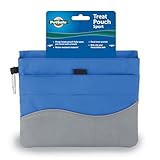
Check Price on Amazon →
makes it easy to keep rewards handy for spontaneous training moments throughout your day.
Accept That Management May Be Permanent
Some dogs have incredibly strong territorial drives. You might reduce the barking by 80%, but eliminating it entirely may not be realistic. That's okay. Combining training with smart environmental management—like strategic fence barriers or designated "off-limits" hours during peak trigger times—creates a sustainable solution.
Track and Adjust
Keep notes on your phone. How many barking episodes per day? What triggered them? What worked? After two weeks, review your data. You might discover your dog only struggles during afternoon dog-walking hours, allowing you to adjust your management strategy.
Celebrate the Small Stuff
Did your dog check in with you before barking today? That's progress. Did he come away from the fence after three calls instead of ten? Win. These moments matter. Take videos periodically so you can see how far you've actually come—progress feels slow when you're living it daily.
Remember: you're building new habits that compete with deeply instinctive behavior. That takes time, patience, and realistic expectations. Focus on progress, not perfection.
Frequently Asked Questions
Will my dog eventually stop barking at the fence on their own as they get older?
Unfortunately, territorial barking typically doesn't resolve on its own and often worsens with age. The behavior is self-reinforcing – each time the 'threat' walks away, the dog believes their barking worked. Without intervention, the behavior becomes more ingrained and harder to modify. Senior dogs can be just as territorial as young dogs unless the behavior is actively addressed. Early intervention leads to faster, more complete results.
Is it cruel to use a bark collar for fence barking?
Bark collars (especially shock or citronella types) address the symptom but not the underlying emotional state. They can increase anxiety and fear, potentially worsening the behavior or creating new problems. Positive reinforcement methods are more effective and don't damage the human-dog relationship. Modern dog training science strongly supports reward-based approaches over punishment. Focus on changing how your dog feels about triggers rather than just suppressing the behavior.
How long does it take to stop fence territorial barking?
Timeline varies based on how long the behavior has been practiced, dog's temperament, and training consistency. With dedicated effort, you may see improvement within 2-4 weeks, but complete resolution often takes 2-4 months. Dogs with deeply ingrained habits or strong breed predispositions may need longer. Some level of ongoing management may always be necessary for very territorial dogs. Consistency and patience are more important than speed – rushing can lead to setbacks.
Should I let my dog 'get it out of their system' by barking for a few minutes?
No – allowing barking actually reinforces the behavior through practice and arousal. Each barking episode strengthens the neural pathways associated with territorial response. The arousal itself is stressful for your dog and makes calming down harder. Immediate, calm interruption prevents rehearsal of the unwanted behavior. Prevention through management is better than trying to stop the behavior once it starts.
My dog is friendly when meeting people on walks but guards the fence aggressively – why?
This is very common – context changes behavior significantly in dogs. At the fence, your dog perceives this as 'their' territory to defend. On walks, your dog is in 'exploring' or 'social' mode rather than 'guarding' mode. Barrier frustration adds intensity to the fence behavior that isn't present during walks. This demonstrates the behavior is learned and situational, which means it can be modified with training. The dog isn't 'aggressive' – they're displaying context-specific territorial behavior.