How to Potty Train an Adult Rescue Dog at Home (2026 Guide)
Introduction
You've just brought home an adult rescue dog, and within the first day, you discover a puddle behind the couch or a surprise in the spare bedroom. Before panic sets in, take a deep breath: your new companion isn't broken, damaged, or untrainable. They simply haven't learned the bathroom rules of your home yet—and with patience and the right approach, they absolutely will.
I've worked with hundreds of rescue dogs over the years, and I can tell you that some of the most anxious owners I meet are dealing with housetraining challenges. Their concerns are completely valid: "What if my dog was abused and can't be trained?" "They're five years old—isn't it too late?" "What if they've spent years peeing in a kennel and think that's normal?"
Here's the truth: adult dogs can absolutely master housetraining, often more quickly than puppies. Yes, even dogs with unknown histories, shelter backgrounds, or years of reinforced bad habits. I've seen eight-year-old dogs who spent their entire lives in puppy mills learn perfect house manners in three weeks. I've watched fearful, traumatized rescues blossom into reliable, housetrained companions within a month.
What Makes Adult Dogs Different
Adult dog potty training isn't just "puppy training, but older." Your rescue comes with advantages puppies don't have:
- Larger bladder capacity means fewer trips outside and longer periods between breaks
- Better physical control over elimination muscles
- Ability to understand patterns and routines more quickly
- Established communication signals you can learn to read
But there are also unique challenges. Your adult dog might have learned that peeing on concrete is acceptable (common in shelter dogs). They might have anxiety about asking to go out, especially if they were punished for accidents before. Some dogs have simply never lived in a house and genuinely don't know that indoors is off-limits.

Check Price on Amazon →
Setting Realistic Expectations
Most adult rescue dogs can be reliably housetrained within 2-8 weeks. Notice that range? A dog who simply needs to learn your household routine might nail it in two weeks. A dog with a complex shelter background or significant anxiety might need the full eight weeks—or occasionally longer.
Your dog's timeline depends on several factors: their previous living situation, how long they've practiced unwanted habits, their overall anxiety level, and most importantly, your consistency. This isn't about your dog being "good" or "bad" at learning. It's about giving them enough repetitions of the right behavior to override whatever they learned before.
The good news? You're not starting from scratch. Your adult dog already understands consequences, can focus for longer periods, and wants to please you. We're just going to channel those abilities in the right direction—one successful potty break at a time.
Understanding Why Your Adult Rescue Dog Isn't Housetrained
Before you assume your new rescue is stubborn or defiant, take a moment to consider their past. Most adult dogs who have accidents indoors aren't being difficult—they genuinely don't understand what you're asking, or they're dealing with challenges beyond their control.
Reading Your Dog's Signals and History
Your dog's background tells you everything about where to start. Outdoor-only dogs have spent their entire lives eliminating wherever they pleased and have zero concept that indoors is different. They're not housetrained or un-housetrained—they're simply untrained, period. These dogs often eliminate right in front of you without any hesitation or guilt.
Kennel and shelter dogs face different challenges. Many have been forced to eliminate in their living spaces because they had no other option. This breaks a dog's natural instinct to keep their den clean, making retraining more complex. You'll notice these dogs might seem confused about where to go, even outside.
Puppy mill survivors often show the most severe housetraining issues. They've spent months or years in cages where eliminating in their space was unavoidable. These dogs may need significantly more patience and time to rebuild their natural preferences.
Here's the crucial distinction: Is your dog never trained (truly doesn't know the rules), lost training (knew once but forgot during shelter life), or marking (knows the rules but is claiming territory)? A never-trained dog eliminates anywhere without concern. A dog who lost training shows some hesitation or attempts to hide it. A marking dog targets specific vertical surfaces, deposits small amounts, and often does this even with a full potty schedule.
When to See a Veterinarian First
Schedule a vet visit before you start any training program. This isn't optional—it's essential. Medical issues derail even the best training plans.
Common culprits include:
- Urinary tract infections (UTIs): Your dog physically cannot hold it, no matter how hard they try
- Anxiety-related incontinence: Stress literally causes loss of bladder control, especially in previously neglected dogs
- Age-related issues: Senior dogs may have weakening sphincter muscles or cognitive decline
- Parasites or digestive problems: These cause urgent, uncontrollable bowel movements
- Medication side effects: Some medications increase thirst and urination
The transition period itself affects bathroom control. A stressed dog in a new environment may regress completely, even if they were previously housetrained. Their cortisol levels are elevated, their routine is shattered, and they're trying to navigate a completely foreign world. Give them a few weeks to decompress before you assess their true baseline.
How do you know if your dog understands the rules? Look for these signs: They hesitate before eliminating indoors, they try to hide while going, they show "guilty" body language afterward (lowered head, avoidance), or they successfully hold it sometimes but not others. These dogs know—they're just struggling with execution due to stress, medical issues, or incomplete understanding.
A dog who truly doesn't know will eliminate casually in front of you, show no concern before or after, and won't respond to being taken outside after an accident. That's your starting point for training.
Check Price on Amazon →
Setting Up Your Home for Potty Training Success
The right environment makes all the difference when potty training your adult rescue dog. Think of it as setting both of you up to win—when your dog doesn't have opportunities to make mistakes, success comes naturally.
Creating a Potty Training Station
Start by choosing a confinement area where your dog will stay when unsupervised. This isn't about punishment; it's about management. Dogs naturally avoid soiling their sleeping areas, so we use this instinct to our advantage.
A properly sized crate works beautifully for most dogs. Your rescue should be able to stand up, turn around, and lie down comfortably—but not much more. Too large, and they might potty in one corner and sleep in another. If you've adopted a larger dog, consider an adjustable

Check Price on Amazon →
with divider panels.
Make the crate inviting with a comfortable bed, a safe chew toy, and perhaps a

Check Price on Amazon →
stuffed with treats. Never use the crate for punishment. This is your dog’s bedroom, not a jail cell.
For dogs with crate anxiety (common in rescues), try an exercise pen or a small bathroom instead. Use
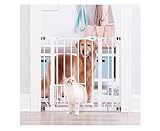
Check Price on Amazon →
to block off areas and gradually reduce the space as your dog proves reliable.
Before bringing your dog home, deep-clean any areas where previous pets had accidents. Regular cleaners won't cut it—dogs can smell trace amounts of urine we can't detect. An enzymatic cleaner breaks down the proteins in urine and feces, completely eliminating the scent markers that tell dogs "potty here."
Check Price on Amazon →
Surface Preferences and Substrate Training
Here's something many people miss: your rescue dog already has potty preferences based on their previous living situation. A dog from a rural shelter might prefer grass, while one housed on concrete may initially feel more comfortable on hard surfaces.
Establish one designated potty spot outside—always the same location. Your dog's own scent will build up there, creating a powerful "go here" signal. Choose somewhere easily accessible, especially for those middle-of-the-night trips.
If your dog seems confused about where to go, try substrate training. Place a small sample of their preferred surface (a patch of sod, gravel in a tray) in your designated area. Once they're reliably using it, gradually transition to your preferred surface.
Essential supplies to have ready:
- High-value training treats (small, soft, smelly)
- 6-foot leash for potty walks
- Enzymatic cleaner and paper towels
- Flashlight for nighttime trips
- Timer or phone for schedule reminders
Managing Other Pets During Training
If you have other dogs, keep them separated initially during potty breaks. Your rescue needs to focus without distraction, and watching another dog potty can sometimes trigger excitement marking rather than actual elimination.
Once your rescue understands the routine, your other dog can actually help by modeling good behavior. Dogs learn remarkably well from each other—use this to your advantage.
The key to successful potty training isn't perfection from day one. It's creating an environment where your rescue dog can't easily make mistakes and is generously rewarded for doing things right.
The Complete Potty Training Schedule and Routine
Consistency is everything when potty training an adult rescue dog. Unlike puppies, adult dogs have larger bladders and better physical control, but they might never have learned house manners. Creating a predictable routine helps them understand what you expect—and helps you catch accidents before they happen.
The Core Potty Break Times
Your dog should always go outside at these critical moments:
- First thing in the morning (before you even make coffee)
- After every meal (within 15-30 minutes)
- After play sessions or excitement
- After waking from naps
- Before bedtime (the absolute last thing you do)
Initially, you'll also take them out every 2-3 hours throughout the day, even if none of the above apply. This frequent schedule might feel excessive, but it prevents accidents and builds the habit quickly. As your dog shows consistent success for 7-10 days, gradually extend the intervals by 30 minutes.
The 15-Minute Rule
Each potty trip should last no more than 15-20 minutes. This isn't a leisurely stroll—it's a business trip. Take your dog to their designated potty spot, wait patiently, and praise enthusiastically when they go. If nothing happens after 20 minutes, bring them back inside. Don't let them wander or explore extensively, as this teaches them that outdoor time is playtime, not potty time.
Go WITH your dog—this is crucial. Don't just open the door and hope for the best. You need to witness the success so you can reward it immediately. Plus, many rescue dogs feel anxious alone in a new yard and may hold it until they're back inside with you.

Check Price on Amazon →
Consistency Creates Clarity
Use the same door every time. Walk the same path to the same potty spot. This repetition helps your dog understand the routine faster. Their nose knows where they've eliminated before, which encourages them to go again.
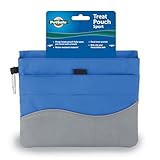
Check Price on Amazon →
Keep a Potty Log
Track every successful outdoor potty break and any indoor accidents for at least two weeks. Note the time, type (pee/poop), and any relevant details. You'll start seeing patterns: maybe your dog always needs to poop 20 minutes after breakfast, or can't make it past 5 PM without a break. These insights let you adjust the schedule proactively rather than reactively.
Sample Daily Schedule for Working Owners
- 6:00 AM – Immediate potty break
- 6:30 AM – Breakfast, then potty break
- 12:00 PM – Midday potty break (neighbor/dog walker/lunch break)
- 5:30 PM – Immediate potty break when you arrive home
- 6:00 PM – Dinner, then potty break
- 9:00 PM – Evening potty break
- 11:00 PM – Final potty break before bed
If you can't get home at lunch, consider hiring a dog walker or using a
Check Price on Amazon →
for containment with a midday relief option.
Weekend vs Weekday Routine Consistency
Here's where many people sabotage their progress: keeping the same schedule on weekends matters just as much as weekdays. Don't sleep in and skip the 6 AM potty break on Saturday. Your dog's bladder doesn't recognize weekends. Once your dog is fully reliable for several months, you can relax slightly, but during active training, consistency seven days a week is non-negotiable.
Positive Reinforcement Techniques That Actually Work
Success in potty training your adult rescue dog hinges on one critical factor: making outdoor elimination the most rewarding thing in their world. Let's talk about how to do this effectively, without the common mistakes that slow progress.
The 3-second rule is non-negotiable. The moment your dog finishes eliminating outside, you have a three-second window to deliver your reward. Not when they walk back to the door. Not after they sniff around for another minute. Right when they finish. This immediate timing creates a crystal-clear connection in your dog's brain between the action and the reward. Keep treats in your pocket or use a
Check Price on Amazon →
so you’re never fumbling around when the magic moment happens.
Choosing the Right Rewards for Your Dog
Not all treats are created equal in your dog's mind. Save your absolute best rewards—real chicken, cheese, hot dog pieces, or freeze-dried liver—exclusively for successful outdoor potty breaks. These high-value treats should be different from what you use for other training. You're building a powerful association: going potty outside = jackpot.
Some dogs respond better to enthusiastic praise than treats. Others want both. Watch your dog's reaction and adjust accordingly. The key is celebration without creating so much excitement that your dog forgets what they're being rewarded for. A happy "Yes! Good potty!" with treats is perfect. Jumping up and down while screaming might actually interrupt their elimination or make them too wound up to focus next time.

Check Price on Amazon →
Teaching a Potty Command
While your dog is actively eliminating outside, quietly say your chosen cue word: "go potty," "get busy," or "hurry up." Say it once or twice during the act—not before, not after. Repeat this consistently for several weeks. Eventually, your dog will associate the phrase with the physical sensation of eliminating, and you'll be able to use it to encourage them to go on command. This becomes invaluable during bad weather or travel.
Why punishment backfires completely: If you scold, yell, or show frustration when your dog has an accident, you're not teaching them to go outside. You're teaching them to fear eliminating in your presence. This creates a dog who sneaks off to hidden corners or holds it until you're not watching—the opposite of what you want. Adult rescue dogs often come with anxiety already; negative reactions compound this and destroy the trust you're building.
Build value for the outdoor spot itself. Don't rush back inside the second your dog finishes. Spend a few extra minutes outside letting them explore, sniff, or play. If going outside means immediately returning to a boring house, some dogs will hold it to extend their outdoor time. Make the whole experience positive.
Finally, practice patience when your dog seems distracted or takes forever to find the perfect spot. Some dogs need to decompress, especially rescues adjusting to new environments. Stand calmly, give them space on a longer lead, and wait. Fighting their natural process only creates stress that interferes with elimination. Bring a book if you need to—some dogs require 15-20 minutes initially.
Handling Accidents Without Sabotaging Progress
Accidents happen with rescue dogs—it's a normal part of the process. How you respond to these accidents makes all the difference between building trust and creating anxiety that actually slows down training.
The 'Oops, Outside!' Technique
If you catch your dog mid-squat, stay calm. Your goal is to interrupt without frightening. Use a cheerful "Oops!" or clap your hands once—just enough to pause the behavior. Then immediately (and I mean immediately) guide your dog outside to their potty spot.
Don't yell, don't grab, and definitely don't drag them. Simply encourage them to follow you: "Let's go outside!" If they finish outside, praise warmly and reward. Even if they don't go again (they might be empty now), you've still taught them that outside is where we go.
Here's what doesn't work: Scolding after the fact. If you discover an accident even five minutes later, your dog has zero understanding of why you're upset. Dogs live in the present moment—they can't connect your anger now with their action from earlier. That guilty look you think you see? It's actually appeasement behavior in response to your body language and tone. You're not teaching them where to potty; you're teaching them that you're unpredictable and scary.
Punishment damages the trust you're working so hard to build with your rescue dog, who may already have trust issues from their past.
Proper Cleanup Is Critical
Accidents must be cleaned thoroughly with an
Check Price on Amazon →
, not regular household cleaners. Dogs have 300 million olfactory receptors (we have 6 million). If you can’t smell it anymore but they can, they’ll think that spot is the designated bathroom.
Soak the area completely with enzymatic cleaner, following the product directions for dwell time—usually 10-15 minutes. For carpets, you may need to treat the padding underneath too.
When Accidents Mean You Need to Change Your Approach
Think of accidents as data, not disasters. Each one tells you something:
Accident patterns to analyze:
- Multiple accidents at the same time of day? Take them out 15-30 minutes earlier
- Accidents always in the same room? Block access with a
Check Price on Amazon →
until training is solid
– Accidents within an hour of eating? Your dog may need food at different times
– Accidents when you’re home but distracted? Your supervision isn’t close enough yet
Be honest: Was this really an accident, or was it a management failure on your part? Most "accidents" are actually us missing signals, waiting too long between potty breaks, or giving unsupervised freedom too soon.
If you're seeing more than 1-2 accidents per week, go back to basics. Increase potty break frequency, reduce freedom in the house, and keep your dog within visual range at all times. This isn't a step backward—it's smart training.
Stay committed through setbacks. Some rescue dogs progress quickly; others take months. Your dog isn't being stubborn or spiteful. They're learning an entirely new routine, possibly overcoming previous habits, and learning to trust you simultaneously. That's a lot. Keep your emotions out of it, adjust your approach as needed, and trust the process.
Troubleshooting Common Adult Rescue Dog Potty Training Challenges
Even with the best approach, adult rescue dogs can present unique potty training challenges. The good news? Most issues have straightforward solutions once you identify the root cause.
When Your Dog Won't Go Potty While Watched
Some rescue dogs freeze when you're watching them, especially those from kennels where they learned to "hold it" during supervised times. Try these strategies:
- Walk on a
Check Price on Amazon →
and create distance, pretending to check your phone
– Take the same route every time so your dog develops a bathroom “circuit”
– Use a verbal cue like “go potty” only after they’ve started eliminating, then reward generously
– Some dogs need privacy—stand with your back turned or step behind a tree
Marking vs. Full Accidents
Small amounts of urine on vertical surfaces? That's marking. Full puddles mean your dog actually needed to go. Both require different approaches.
Male Dogs and Marking Territory
Intact males mark more frequently, but neutered males do it too. Marking is communication, not a potty training failure. Inside your home:
- Supervise constantly during the first month—tether your dog to you if needed
- Clean all marked spots thoroughly with
Check Price on Amazon →
– Block access to previously marked areas with furniture or
Check Price on Amazon →
– Interrupt marking attempts with a neutral “let’s go outside” and reward outdoor marking
Surface Preferences and Weather Resistance
Your dog might have developed strong preferences in their previous environment. One rescue I worked with would only eliminate on wood chips because that's what her kennel used. For surface preferences, gradually transition by placing their preferred surface (sod squares, concrete pavers) in your yard, then slowly reducing it.
Weather resistance is common. Dogs don't understand rain is temporary—they just know it's uncomfortable. Create a covered potty area with a tarp, or simply go out with an umbrella and wait patiently. Never punish a dog for weather reluctance; it only increases anxiety.
Anxiety-Related Elimination Issues
Separation Anxiety Elimination
If accidents only happen when you're gone, separation anxiety might be the culprit, not potty training failure. These dogs understand house rules but panic when alone overrides everything. This requires addressing the underlying anxiety through gradual desensitization, not more potty training.
Submissive and Excitement Urination
These are involuntary responses, not training issues. Submissive urinators need confidence building—ignore them for the first five minutes when arriving home, keep greetings low-key, and never punish accidents. Excitement urinators benefit from the same calm greeting protocol. Both conditions often improve with time and consistency.
Multi-Dog Household Complications
When one dog marks, others may follow suit in a territorial chain reaction. The solution:
- Address the first marker's behavior immediately
- Supervise all dogs together initially
- Take dogs out separately at first to establish individual routines
- Reward heavily for outdoor elimination
Nighttime Accidents and Regression
Gradually extend overnight duration by moving dinner earlier and final potty break later. If regression happens after progress, rule out medical issues first, then return to your basic protocol without frustration. Rescue dogs sometimes regress during stress or routine changes—it's temporary.
Remember: patience and consistency solve most challenges. Your rescue dog isn't being stubborn; they're learning an entirely new set of rules in an unfamiliar environment.
Gradually Increasing Freedom and Independence
You've been vigilant, your dog has had several accident-free days, and you're wondering when you can finally stop hovering. Here's the truth: expanding freedom too quickly is the number one reason dogs regress. Patience now prevents backsliding later.
The Two-Week Rule for Expanding Access
Wait for two full weeks of zero accidents before making any significant changes. Yes, two weeks feels like forever when you're managing every moment, but rescue dogs often need this consistency to truly internalize new habits. Their previous living situations may have taught them inconsistent rules, so you're essentially rewiring their understanding of where bathroom business happens.
When you do expand access, do it incrementally:
Week 1-2 of success: Extend time between potty breaks by 15-30 minutes. If your dog was going out every two hours, try two and a half.
Week 3-4: Add one new room to their accessible space. The bedroom or home office works well—somewhere you spend time and can still monitor them. Use a
Check Price on Amazon →
to control access to other areas.
Week 5-6: Try the tethering technique. Attach a lightweight
Check Price on Amazon →
to your belt so your dog stays within view but you’re not actively staring at them. This mimics real-life freedom while keeping them accountable.
Week 7+: Gradually transition from constant supervision to periodic check-ins every 20-30 minutes when they're in accessible rooms.
Recognizing True Reliability
Here's what "fully housetrained" actually means for rescue dogs: consistent success in various situations over several months, not just a few good weeks. Your dog should demonstrate:
- Actively signaling when they need to go out (whining at the door, pacing, returning to where you are)
- Holding it for age-appropriate periods (4-6 hours for most adult dogs)
- No accidents during different daily routines—weekdays, weekends, when guests visit
- Success in multiple rooms and situations, not just the same controlled environment
Signs your dog is ready for more freedom:
- Consistently uses outdoor bathroom spot without prompting
- Moves toward the door or signals when they need to go
- Wakes you at night if necessary (rather than eliminating indoors)
- Shows no interest in sniffing or circling indoors
Signs to pump the brakes:
- Any accidents, even "small" ones
- Sniffing or circling behaviors indoors
- Seeming confused about where to eliminate
- Increased anxiety or stress (life changes can trigger regression)
Maintaining long-term success: Keep feeding and potty break schedules consistent even after months of success. Rescue dogs often thrive on predictability, and routine maintenance prevents the "we made it—oh no we didn't" scenario. If you need to adjust schedules, do so gradually over several days.
Remember: regression isn't failure—it's information. A single accident after weeks of success means tightening supervision temporarily, not starting from scratch. Life changes, stress, illness, or even weather changes can temporarily affect housetraining. Simply return to closer supervision for a few days, then resume gradual expansion. Your dog hasn't forgotten everything they learned; they just need a refresher on the rules.
Frequently Asked Questions
How long does it typically take to potty train an adult rescue dog?
Most adult dogs can be housetrained within 2-8 weeks with consistent effort. Dogs with no previous training take longer than those who just need refreshing. Key factors: your consistency, dog's previous environment, any medical/anxiety issues. Some dogs 'get it' within days, others need several months – both are normal. Progress isn't always linear; expect some setbacks but overall improvement.
Should I use puppy pads for my adult rescue dog?
Generally not recommended as they teach dogs that indoor elimination is acceptable. Can create confusion about where it's okay to go. Exception: high-rise apartments, extreme weather, or dogs with mobility issues. If you must use them, place them outside gradually moving toward elimination. Better alternative: frequent outdoor trips and proper confinement management.
My rescue dog was housetrained at the shelter but is having accidents at my home. Why?
New environment stress and adjustment period can cause temporary regression. Shelter schedule was different from yours – dog needs to learn new routine. Shelter may have had different surfaces or potty areas. Your home has different rules, spaces, and expectations to learn. Usually resolves within 2-4 weeks as dog settles in and learns your household patterns. Maintain consistent schedule and positive reinforcement during transition.
Is crate training necessary for potty training an adult rescue dog?
Not absolutely required, but it's the most effective management tool available. Crates work because dogs naturally avoid soiling their sleeping space. Alternative: small bathroom or exercise pen if dog has crate anxiety. Key is confinement to prevent unsupervised accidents, not specifically the crate itself. Never use crate as punishment – it should be a positive, safe space. Some rescue dogs need gradual crate introduction if they have negative associations.
What if my adult rescue dog doesn't give any signals that they need to go out?
Many rescue dogs never learned to signal because they weren't given the opportunity. You're responsible for the schedule initially – don't wait for signals. Can teach bell training or specific behavior by rewarding any pre-potty movements toward door. Some dogs are very subtle – watch for sniffing, circling, moving toward door, restlessness. Consistent schedule matters more than signals in the beginning. Most dogs develop clearer communication once they understand the routine and that you respond.