Dog Nose Work Scent Training for Beginners (2026)
Your dog's nose is roughly 100,000 times more sensitive than yours — and if you're not actively using that superpower, you're leaving your dog's greatest source of mental stimulation completely untapped.
I discovered nose work almost by accident back in 2026 when a border collie mix named Remy came into my training program completely shut down from leash reactivity. Traditional obedience work was overwhelming him. A colleague suggested we try scent detection, and within three sessions, I watched a visibly anxious dog transform into a focused, confident problem-solver. That experience changed how I approach enrichment for every dog I work with.
Here's what surprises most people: nose work isn't just for working breeds or high-drive dogs. I've coached retired greyhounds, arthritic senior Labs, and flat-faced French Bulldogs through this sport, and every single one of them took to it naturally. That's because sniffing isn't a learned behavior — it's hardwired. What we're really doing in nose work training is teaching your dog which scent to hunt and giving them permission to do what their biology has always been screaming at them to do.
In this guide, you'll learn exactly how to start from scratch — the right equipment, the odors used in official competition, how odor imprinting actually works, and how to run your first real searches at home. I'll also walk you through the common mistakes I see beginners make repeatedly, plus give you a clear roadmap if you eventually want to compete in NACSW or UKC trials.
Let's start where everything in nose work begins: understanding the remarkable biological tool your dog was born with.
What Is Nose Work and Why Your Dog Is Naturally Built for It
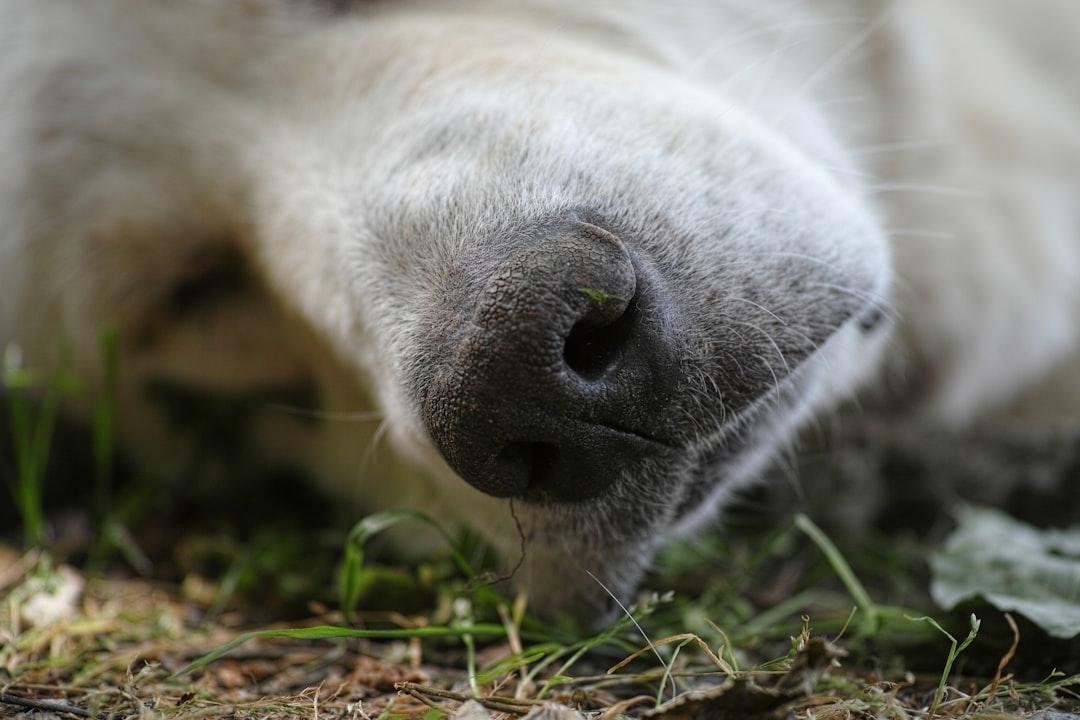
Watch a dog the moment they step outside. Before they look around, before they listen for anything, their nose drops to the ground and starts working. That's not distraction — that's a dog doing exactly what evolution designed them to do. Understanding this one fact is the foundation of everything nose work is built on.
How a Dog's Nose Actually Works: The Science Behind the Sniff
Humans navigate the world primarily through vision. Dogs navigate through scent, and the difference in hardware is staggering. Your dog has up to 300 million olfactory receptors in their nasal cavity. You have about 6 million. The part of a dog's brain dedicated to analyzing smells is, proportionally, 40 times larger than yours.
But raw numbers only tell part of the story. Dogs also have a separate olfactory organ called the vomeronasal organ (or Jacobson's organ) that detects chemical signals humans can't even perceive. And that characteristic "sniff-sniff-sniff" pattern you see isn't random — dogs inhale through the front of their nostrils and exhale through the sides, creating a continuous airflow that keeps fresh scent molecules streaming in. They are, quite literally, built to find things.
When I put a tiny amount of birch oil on a cotton swab inside a metal tin and hide it in a room, your dog isn't searching randomly. They're reading the air, tracking scent as it disperses and pools in low spots, rises with warm air, or clings to surfaces. The challenge for us as handlers isn't teaching dogs how to use their nose — it's learning to trust that they already know.
The Difference Between Nose Work, Tracking, and Search and Rescue
People often lump these together, but they're genuinely different sports with different mechanics.
- Tracking follows a specific ground scent trail left by a person or animal — the dog must stay on the exact path, not just find the end point
- Search and Rescue (SAR) is working dog territory, requiring extensive handler training, real-world deployment, and years of commitment
- Nose work (officially K9 Nose Work, sometimes called scent work) asks your dog to locate a specific target odor hidden somewhere in a defined search area — no trail required, just find the source
Nose work was developed in 2006 by Ron Gaunt, Amy Herot, and Jill Marie O'Brien, all of whom had backgrounds in professional detection dog training. Their insight was elegant: the same drive and methodology used to train drug- and bomb-detection dogs could be adapted into an accessible sport for everyday dogs. They formalized it into what became the National Association of Canine Scent Work (NACSW), and the sport has grown dramatically since.
Why This Sport Works for Every Dog
Here's what I tell every new client who shows up convinced their dog is "too old" or "too hyper" or "too anxious" for a structured activity: nose work is the great equalizer.
I worked with a 12-year-old yellow Lab named Greta in early 2026 who had significant hip arthritis and couldn't manage more than a short walk around the block. Her owner was worried she'd become bored and depressed as her mobility declined. We started nose work with Greta at the slowest possible pace —

work first, then simple container searches. Within six weeks, Greta was searching interior rooms with real enthusiasm. Her owner told me, “She hasn’t looked this happy in two years.” That’s not unusual. It’s the rule.
The mental exhaustion factor is something I couldn't believe until I saw it consistently: 15 minutes of scent work often produces the same tired-dog result as 45–60 minutes of physical exercise. For high-energy dogs, this is a complete game-changer, especially in winter months or after injuries.
For shy or reactive dogs, nose work offers something most activities don't: the dog controls the search at their own pace, with zero pressure from the handler to perform. You don't prompt, you don't point, you don't help. The dog leads. That autonomy builds confidence in ways that directed obedience training simply cannot replicate. I've watched dogs that would panic in a group class find their footing entirely through nose work.
Age, breed, energy level, physical limitation — none of it disqualifies a dog from this sport. If they have a nose, they can play.
Essential Equipment and Scents to Get Started
One of the things I love most about nose work is how little you need to get started. I've watched owners show up to their first session with elaborate gear bags and leave realizing they could have done just as well with a cardboard box and a bottle of oil.
The Three Official Scents — and Why You Start With Birch
The NACSW uses three target odors in competition: birch, anise, and clove. Beginners always start with birch oil — specifically Betula lenta, or sweet birch — and there's good reason for that. It's a clean, distinct scent that dogs encounter rarely in everyday life, which means their nose isn't already "polluted" with associations. Anise and clove come later, once your dog has a solid foundation with birch.
When buying birch essential oil, look for 100% pure with no carrier oil added. Carrier oils (like fractionated coconut or jojoba) dilute the scent profile and can muddy the imprinting process. Brands I've used successfully include Young Living, Plant Therapy, and several reputable options on Amazon's essential oil section. Expect to pay $8–$15 per bottle — a single bottle will last months of training.
What NOT to buy:
- Synthetic fragrance oils (labeled "birch fragrance" rather than "birch essential oil")
- Scented candles or reed diffusers as shortcuts
- Blended oils that combine multiple scents
I made the fragrance oil mistake early in my training career with a Border Collie mix named Scout. We spent three weeks on what I thought was birch imprinting, only to realize I'd been using a synthetic blend. Scout had learned a completely different scent profile and we had to start over. Read the label twice.
Setting Up Your Odor Kit: Step-by-Step Preparation
Your odor kit is a simple container that holds the scent source. Here are the most common vessels, each with different scent diffusion properties:
- Metal tins with drilled holes — the classic choice; scent releases slowly and evenly, great for early imprinting
- Wooden clothespins — absorb and hold odor well; useful for teaching dogs that the scent source can be small
- PVC elbow joints — scent pools slightly inside the curve, giving dogs a more challenging airflow puzzle
To prepare your kit, place 1–2 drops of birch essential oil on a cotton swab or Q-tip and seal it inside your tin or vessel. Use nitrile gloves every single time you handle odor — your hand scent contaminates the vessel and can inadvertently teach your dog to alert to you rather than the birch. Prepare 3–5 tins at a time so you have backups during a session.
Store charged tins in a sealed glass jar between sessions to preserve scent integrity. Avoid plastic bags, which can absorb and off-gas odor unpredictably.
High-Value Treats for Nose Work: What Works and What Doesn't
Nose work demands your dog's full mental effort, and that means your treats need to be genuinely motivating — not just "pretty good." This is not the time for dry kibble or generic biscuits.
What works well:
- Freeze-dried chicken (single ingredient, intensely aromatic — dogs go wild for it)
- Real cooked meat cut into pea-sized pieces: chicken breast, beef, turkey
- String cheese torn into tiny bits (great for dogs who prefer softer rewards)
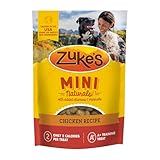
- Commercial training treats like Zuke's Mini Naturals or Vital Essentials freeze-dried options
What doesn't work:
- Milk Bones or similar hard biscuits — too slow to consume, which interrupts your training rhythm
- Anything your dog is lukewarm about — if they'll eat it off the floor but don't get excited, find something better
Keep treats in a
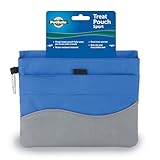
clipped to your waist so reward delivery is fast. In nose work, speed of reinforcement matters enormously — you want the treat arriving within **1–2 seconds** of the alert behavior.
You need only five things to run your first session: birch oil, a Q-tip vessel, a metal tin or cardboard box, high-value treats, and a clicker or verbal marker like "yes." Everything else is optional.
The Odor Imprinting Process: Teaching Your Dog What to Find
Odor imprinting is the single most important step in nose work training — and the one most beginners rush. Done right, you're not just teaching your dog to sniff a tin. You're building a conditioned emotional response: birch odor becomes the most exciting thing in your dog's world, a reliable predictor that a reward jackpot is coming. I've seen dogs who were imprinted carefully become absolute machines in the search field, and dogs who were imprinted sloppily spend months plateauing because the foundation was shaky. Give this phase the full 3–7 days it deserves.
Sessions 1–3: Building the Association
Your goal in the first three sessions is simple: birch smell equals the best thing that has ever happened to your dog.
Here's the exact protocol I use with every new student:
- Hold the odor tin (a small metal tin with holes in the lid, containing a birch-treated Q-tip) in your hand at your dog's nose level
- The moment your dog's nose makes contact with or hovers directly over the tin, click immediately using a
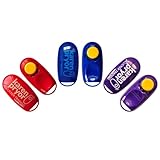
– Deliver 5–10 high-value treats in rapid succession — this is called a **”party”**, and the quantity matters
– Run 10 repetitions per session, twice a day
Click timing is everything here. I worked with a German Shepherd named Remy in early 2026 whose owner had been at it for two weeks with no real progress. When I watched their session, the problem was obvious — she was clicking when Remy sat and looked up at her expectantly, not the moment his nose hit the tin. Remy had learned that looking cute near the tin produced treats, which is a very different behavior than "nose contacts odor source." We reset, tightened the click timing, and Remy's imprinting fell into place within three more days.
Sessions 4–7: The First Hide
Once your dog is enthusiastically orienting toward the tin in your hand, introduce your first hide. Place the open tin inside a simple cardboard box with one flap folded back — just enough to partially conceal it. Step back and let your dog approach independently.
Resist the urge to guide them. Your job now is observer and reward deliverer. When your dog investigates the box and their nose zeroes in on the source, party hard. Use your highest-value
here — this is not the moment to be stingy.
Signs that imprinting is working:
- Your dog enters the room and immediately orients toward the tin, even before you've pointed anywhere
- Their nose goes directly to the source rather than random ground-sniffing
- You notice a visible tail-wag increase or a quickening of movement when they hit odor
- They begin to "bounce" back to source after getting treats — the odor itself is becoming rewarding
The 'Paired' vs. 'Unpaired' Odor Debate: Which Method Works Best for Beginners
You'll encounter two schools of thought in the nose work community. Paired odor means the food reward is physically placed at the hide alongside the scent tin — the dog finds birch and food simultaneously. Unpaired odor means the tin has no food attached; all reward comes from your hand after the find.
For beginners: start paired, then transition to unpaired by day 4 or 5. Pairing creates an almost instant, powerful association — the odor literally predicts food appearing from thin air. The transition to unpaired then teaches the dog that the odor itself is the signal to alert, regardless of whether food is physically present. Dogs who only ever train paired can sometimes develop a "where's the treat hidden?" mindset rather than true odor searching.
Reading Your Dog During Imprinting: What Body Language Tells You
Your dog is communicating constantly during these sessions. Learn to read it:
- Accelerated sniffing or "motor mouth" nostrils — they've hit odor and are processing it
- Head snap or freeze — sudden recognition; this often precedes a committed nose-to-source
- Stress signs (lip licking, yawning, looking away) — sessions are too long or pressure is too high; cut to 5 reps and take a break
- Disconnected, distracted sniffing — the environment has too many competing odors; simplify your training space
Trust what you see. Your dog's body is a more honest report card than any checklist.
Your First Real Searches: Container, Interior, and Exterior Hides
Once your dog understands that birch means "good things are coming," it's time to put that knowledge to work in real search scenarios. NACSW structures beginner competition around three elements: containers, interiors, and exteriors. Work through them in exactly that order — each one builds on the confidence and skills developed in the previous stage.
How to Set Up a Beginner Container Search at Home
Container searches are your best friend in the early weeks. The environment is controlled, predictable, and you can reset the whole thing in about 90 seconds.
Here's the setup I use with every new student:
- Grab 8–12 identical cardboard boxes (Amazon shipping boxes work perfectly, or ask a local grocery store for produce boxes)
- Arrange them in a loose line or scattered pattern across a low-traffic room
- Place your scented tin inside one box only
- Give your dog a moment of calm, then say "find it" and step back
From that point forward, observe, don't assist. No pointing at boxes. No hovering near the hot box. No "you're getting warmer" energy. I've watched dozens of handlers accidentally teach their dogs to read body language instead of odor, and it creates a nightmare to untangle later. Hold your

loosely and let your dog navigate.
When your dog commits to the correct box — nose down, persistent sniffing, possibly pawing or sitting depending on the alert behavior you've shaped — call "alert" with confidence and reward immediately. That moment of you making the call matters. You're not waiting for your dog to prove it to you; you're trusting the behavior you see and reinforcing the partnership.
A student of mine once spent three sessions "waiting to be sure" before rewarding. Her dog, a young Weimaraner named Odin, started offering more and more dramatic behaviors trying to get her attention. Once she learned to trust her read and mark immediately, Odin's alerts became clean and reliable within a week.
Understanding Odor Pooling and Scent Cones: Why Your Dog Alerts "Wrong"
Here's where a lot of beginners get confused — and frustrated.
Your dog's nose dips toward a spot 8 to 12 inches away from the actual hide source. You check. The tin isn't there. You assume your dog made an error. Your dog is actually doing exactly the right thing.
This is odor pooling in action. Scent doesn't stay neatly stacked on top of its source — it travels, drops into low spots, gets pushed by air currents, pools in corners, and collects in crevices. The invisible shape that odor makes as it drifts from the source is called a scent cone, and your dog is following that cone to its most concentrated point, which isn't always the physical hide location.
Exteriors make this especially dramatic. Wind is the single biggest variable beginners fail to account for. A hide placed on a fence post will push scent 3–4 feet downwind on a breezy afternoon. Your dog alerting in "empty air" 18 inches from the post isn't wrong — your dog is right. Before any exterior search, take 30 seconds to notice wind direction: watch for grass movement, feel the air on your face, check which direction loose debris is drifting. It changes how you interpret everything you see.
Progressing Through Interior Searches
For your first interior sessions, keep the space under 200 square feet — a bathroom, laundry room, or small office is ideal. Place a single hide at dog-nose height: somewhere between 2 and 18 inches off the ground. Elevated hides come later; right now, you want your dog succeeding frequently and building drive.
Keep search time to 2–3 minutes maximum. If your dog hasn't found the hide, end the session and make it easier next time — don't add hints or guidance mid-search. A dog who searches confidently for 90 seconds and finds the hide is making faster progress than a dog who searches anxiously for five minutes with handler help.
Follow your dog's nose. Literally. When your dog moves left, you drift left. When your dog works a corner deeply, you give leash and wait. The handler who learns to be a quiet, attentive presence will have a more accurate dog inside six months than the one who manages every step.
Common Beginner Mistakes That Slow Your Dog's Progress
After more than a decade of coaching nose work students, I can tell you that dogs rarely make the mistakes — handlers do. That's good news, because handler habits are completely fixable. Here are the five patterns that derail beginners most consistently.
Mistake #1: Rushing to Add Difficulty
I had a student in early 2026 who came back to class after just two weeks of home practice and announced she'd started hiding birch oil behind picture frames and inside kitchen drawers "to keep things interesting." Her dog, a three-year-old Vizsla named Remy, had been brilliant in week one. By week three, he was false-alerting on corners and panting before searches even started.
Four to six weeks at the beginner level is not slow — it's how you build a dog who trusts his nose completely. Rushing to elevated hides and multiple odors before your dog has genuine odor confidence creates a dog who starts guessing instead of searching.
Mistake #2: Your Body Language Is Giving Away the Hide
Dogs have spent thousands of years reading human movement, and yours is exceptionally good at noticing that your footsteps slow near the box with birch oil, or that your body turns slightly when you're near the correct container.
I catch myself doing this regularly. The fix is to practice working your leash on a long, neutral arc — never pulling toward the source, never lingering. Some handlers find it helps to look slightly away from the area they're walking through, or to deliberately walk past the hide location. If your dog is searching with his nose, great. If he's watching your face instead, you've accidentally trained a people-reader, not a scent dog.
Mistake #3: Searches That Go On Too Long
New dogs work best in 1–3 minute search sessions. A blank, fruitless 10-minute search doesn't build tenacity — it builds frustration and quietly erodes odor drive. If your dog hasn't found the hide in 2 minutes, either the hide is too difficult or the dog is too tired. End it, reset to something easier, and finish on a successful find. I keep
Zuke’s Mini Naturals Dog Training Treats
Similar Posts
Dog Growling: Why You Should Never Punish It (2026)
Most dog owners get this completely backwards — and it puts their family at real risk. When your dog growls, your first instinct might be to correct it sharply, say "no," or maybe scruff them in frustration. I completely understand that reaction. A growl feels aggressive, threatening, even disrespectful. For years, traditional training culture reinforced…
Corgi Herding Behavior Management: Stop Nipping at Home
Introduction If your corgi has been nipping at your children's heels during playtime, circling your legs while you're cooking dinner, or barking frantically at the vacuum cleaner, take a deep breath—your dog isn't being naughty. They're actually doing exactly what 1,000 years of selective breeding designed them to do. Those short legs and intense stare?…
Dog Aggressive Toward Cats? Training Fixes That Work
Introduction Picture this: You're relaxing on the couch when your cat strolls into the room. In an instant, your dog's body goes rigid. Ears forward. Eyes locked. Before you can react, your dog launches across the room in a frenzy of barking and lunging. Your cat bolts for safety, and your heart is racing just…
How to Stop Dog Barking at Visitors at the Door (2026)
Why Dogs Bark at Visitors: Understanding the Root Cause Before you can fix your dog’s door barking, you need to understand what’s actually driving the behavior. And here’s the thing—it’s rarely just one simple reason. The Perfect Storm of Triggers Most dogs bark at the door because of a cocktail of emotions happening all at…
How to Train Your Dog to Accept Ear Cleaning (Step-by-Step)
Introduction Picture this: You approach your dog with ear cleaning supplies in hand, and they immediately bolt under the bed. Or perhaps they tolerate it—barely—with trembling, whale eyes, and a look that says "I'll never forgive you for this." Sound familiar? You're not alone. Many dog owners struggle to clean their dog's ears because somewhere…