Adolescent Dog Behavior Changes: What to Expect in 2026
When Does Dog Adolescence Begin and How Long Does It Last?
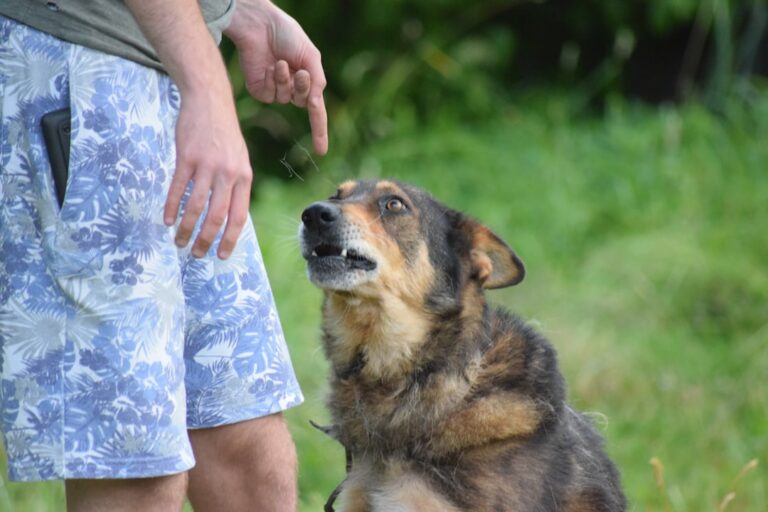
If you’ve noticed your sweet puppy suddenly acting like they’ve forgotten everything you’ve taught them, welcome to dog adolescence. Just like human teenagers, dogs go through a rebellious phase that can test even the most patient owner’s resolve.
The Starting Line Varies by Breed Size
Dog adolescence doesn’t arrive on a fixed schedule. Your dog’s size plays a huge role in when this challenging phase begins:
- Small breeds (under 25 lbs) typically enter adolescence earliest, around 5-8 months
- Medium to large breeds (25-80 lbs) usually start between 6-9 months
- Giant breeds (over 80 lbs) are late bloomers, beginning around 10-14 months
I’ve worked with Golden Retrievers who hit adolescence right at 7 months and looked bewildered when their usually obedient dog suddenly stopped coming when called. Meanwhile, Great Dane owners often get a few extra months of puppyhood before the chaos begins.
How Long This Phase Lasts
Here’s the tough news: adolescence isn’t a quick phase. Your dog won’t snap out of it overnight.
- Small to medium breeds: Expect adolescence to last until 18-24 months
- Large breeds: Plan for 24-36 months of teenage behavior
- Giant breeds: Buckle up for 36-48 months
Yes, you read that correctly. Your Mastiff might act like a gangly teenager until they’re nearly four years old.
The Brain-Body Disconnect
One of the most frustrating aspects of dog adolescence is that your dog looks like an adult but definitely doesn’t think like one. Sexual maturity arrives months before mental maturity catches up.
Your 8-month-old Labrador might be full-sized and capable of reproduction, but their brain is still developing. They’re making impulsive decisions, testing boundaries, and genuinely struggling with self-control. It’s not defiance—their brain literally isn’t finished developing yet.
During adolescence, dogs experience synaptic pruning, the same process human teenagers go through. Their brains are reorganizing, strengthening important neural pathways while eliminating others. This affects impulse control, decision-making, and their ability to focus. That’s why your dog suddenly can’t seem to hold a sit-stay when a squirrel appears, even though they mastered it at five months old.
Fear Periods: The Hidden Challenge
Beyond the obvious rebellious behavior, adolescent dogs typically experience multiple fear periods that catch owners off guard. These usually occur around:
- 6-8 months: Your dog may suddenly become wary of familiar objects or situations
- 9-12 months: Another wave of uncertainty and reactivity often appears
- 14-18 months: A final fear period can emerge, though timing varies
I remember working with a Border Collie who had confidently walked across a wooden bridge dozens of times, then at 7 months suddenly refused to set paw on it. This is completely normal. During these periods, avoid forcing your dog into scary situations. Instead, use patience and positive reinforcement to rebuild their confidence. High-value training treats can work wonders during these sensitive phases—think real meat or cheese, not regular kibble.
Understanding these timelines helps you maintain realistic expectations and reminds you that this phase is temporary, even when it feels endless.