Building Confidence in Fearful Rescue Dogs: Expert Guide
Introduction
The moment you brought your rescue dog home, you saw it—that unmistakable fear in their eyes. Maybe they pressed themselves against the wall when you reached down to pet them. Perhaps they trembled at the sound of your coffee grinder or bolted under the bed when a neighbor knocked on the door. You've watched them shrink away from strangers, refuse to walk past certain houses, or freeze in panic at ordinary sounds that other dogs barely notice.
If you're reading this, you know that heartache of wanting desperately to help your fearful dog feel safe, but not knowing where to start. It's emotionally exhausting to watch a dog you love struggle with everyday life. You might worry that you're doing something wrong, or wonder if your dog will ever overcome their fears and become the confident companion you know they can be.
Here's what I want you to know first: you're not alone, and your dog's fear is not your fault.
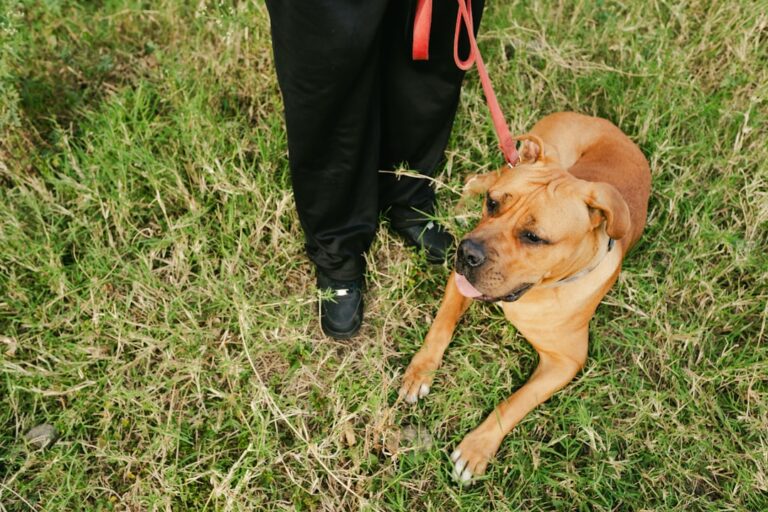
Fear is incredibly common in rescue dogs. Some have experienced trauma—abuse, neglect, or frightening experiences that left lasting impressions. Others simply missed crucial socialization windows during their first few months of life, never learning that the world is a safe place. Some dogs also have a genetic predisposition toward anxiety, meaning they were born more sensitive to their environment. The dog cowering in your living room may have experienced one, two, or all three of these factors.
The good news? Fear doesn't have to be permanent. With the right approach, most fearful dogs can develop genuine confidence—not just tolerance, but actual comfort in situations that once terrified them. I've worked with hundreds of rescue dogs over the past 15 years, from dogs who wouldn't leave their

Check Price on Amazon →
to dogs who panicked at the sight of other people. The transformation is possible, and it’s one of the most rewarding journeys you’ll ever take with your dog.
But let me be clear: this is a journey, not a quick fix. Building confidence in a fearful dog requires patience, consistency, and realistic expectations. There will be setbacks. Some days will feel like you're moving backward. Progress often happens in tiny, almost imperceptible increments—until suddenly, you realize your dog just walked calmly past something that would have sent them into a panic spiral two months ago.
In this guide, I'll walk you through the practical, science-based techniques that actually work. You'll learn how to read your dog's fear signals, create a foundation of safety, use systematic desensitization and counterconditioning (don't worry—I'll explain these in plain English), and build confidence through strategic success experiences. We'll cover everything from managing the environment to knowing when professional help is necessary.
Your fearful rescue dog can learn to trust again. Let's get started.
Understanding Fear in Rescue Dogs: What's Really Happening
Before you can help your fearful rescue dog, you need to understand what's actually going on in their mind. Fear isn't just "bad behavior"—it's a legitimate emotional response that deserves compassion and patience.
Reading Your Dog's Fear Signals
Dogs communicate fear through their body language, and learning to read these signals is crucial. A fearful dog might display:
- Tucked tail or tail held low between the legs
- Whale eye (showing the whites of their eyes while looking away)
- Cowering or making themselves appear smaller
- Excessive panting when not hot or exercised
- Trembling or shaking
- Pinned-back ears, lip licking, or yawning when not tired
- Freezing in place or refusing to move
Here's what many owners miss: fear, anxiety, and phobias aren't the same thing. Fear is a response to an identifiable threat (like a stranger approaching). Anxiety is worry about something that might happen (like being left alone). Phobias are intense, irrational fears that don't improve with exposure (like extreme reactions to thunderstorms). Understanding the difference helps you choose the right approach.
The Window of Tolerance: Understanding Thresholds
Think of your dog's comfort level like a cup filling with water. Small stressors add drops. When the cup overflows, your dog can't cope anymore—they'll shut down, flee, or react defensively.
Every dog has a threshold—the point where they shift from "I'm uncomfortable" to "I can't handle this." A dog under threshold might look worried but can still take treats and respond to cues. A dog over threshold is in survival mode and can't learn anything positive.
Why did your dog become fearful? Common causes include:
- Abuse or neglect in previous homes
- Inadequate socialization during the critical 3-16 week puppy period
- Traumatic experiences (attacks, accidents, rough handling)
- Genetic temperament—some dogs are simply born more sensitive
Here's the critical part: punishment makes everything worse. When a fearful dog gets corrected for cowering or growling, you're not teaching them to be braver—you're teaching them that their warning signals don't work. This can lead to a dog who "suddenly" bites without warning, because you've suppressed their communication.
The fear response cycle works like this: Dog encounters trigger → feels fear → displays fearful behavior → if the trigger goes away, fear is reinforced. But forcing a scared dog to "face their fears" typically backfires, increasing their panic rather than building confidence.
When Fear Becomes a Medical Concern
Before starting any behavior modification, schedule a vet checkup. Pain, thyroid issues, neurological problems, and other medical conditions can all cause or worsen fearful behavior. I've seen dogs labeled "anxious" who were actually dealing with chronic pain or vision problems.
If your dog shows sudden changes in behavior, extreme reactions that don't improve over weeks, or seems physically uncomfortable, medical issues should be ruled out first. Some dogs also benefit from

Check Price on Amazon →
or similar tools, but these work best as part of a comprehensive plan—not as standalone solutions.
Understanding what's happening in your fearful dog's brain is the foundation for everything that follows. With this knowledge, you can move forward with empathy and effective strategies.
Creating a Safe Foundation: Your Dog's Home Base
Your fearful rescue dog needs one thing above all else: a place where they feel completely safe. Think of this as their emotional anchor—a spot where the world stops feeling so overwhelming and they can finally exhale.
Setting Up the Perfect Safe Space
Choose a quiet area away from high-traffic zones. This could be a spare bedroom, a corner of your bedroom, or even a properly introduced crate. The key is consistency—this space stays theirs, no exceptions.
Check Price on Amazon →
Here's what makes a safe space actually work:
- Keep it cozy and den-like: Dogs are denning animals by nature. A covered crate or a bed tucked partially under furniture creates that secure feeling
- Always accessible: Your dog should be able to retreat here anytime, even during family gatherings or when guests visit
- No one disturbs them: This is non-negotiable. When your dog is in their safe space, they're off-limits—no petting, no talking to them, no well-meaning interactions
I've worked with fearful dogs who wouldn't emerge from their safe space for days. That's okay. Healing happens on their timeline, not ours.
Building a Confidence-Boosting Daily Routine
Anxious dogs thrive on predictability. When they know what's coming next, their nervous system can relax. Create a simple routine and stick to it:
- Feed at the same times daily
- Schedule walks for consistent times (even if they're just 5 minutes initially)
- Set regular quiet times and play times
- Establish a bedtime routine
Use environmental management strategically. In the first few weeks, close curtains if street activity triggers barking. Use
Check Price on Amazon →
to limit your dog’s access to overwhelming spaces. Play calming music designed for dogs—yes, it actually helps. Consider pheromone diffusers that mimic the calming chemicals mother dogs produce.
Check Price on Amazon →
The secret weapon? Giving your dog control. Let them choose whether to approach new people. Allow them to walk away from situations. Never force interactions, even if Aunt Martha really wants to pet them. Every time your dog makes a choice and nothing bad happens, their confidence grows.
What to Avoid in the First Few Weeks
Understanding the 3-3-3 rule will save you from unrealistic expectations. Most rescue dogs need:
- 3 days to decompress and feel overwhelmed
- 3 weeks to settle into your routine
- 3 months to truly feel at home
During this adjustment period, skip:
- Dog parks and busy pet stores
- Meeting every neighbor and their dog
- Intensive training sessions (beyond basic settling)
- Forcing "socialization" experiences
- Punishment of any kind
Your job right now isn't to "fix" your dog—it's to be their safe harbor while they figure out that the world isn't as scary as they thought. Some dogs bloom in weeks; others need months. Both timelines are completely normal.
Remember: every small choice your dog makes from a place of safety, rather than fear, is building their confidence brick by brick.
Foundation Training Techniques for Building Confidence
When working with a fearful rescue dog, your training approach can make or break their recovery journey. Positive reinforcement isn't just a nice-to-have—it's absolutely essential. Here's why: fearful dogs already perceive the world as threatening. When you use corrections or punishment-based methods, you're simply adding yourself to their list of things to fear. Science backs this up: studies show that reward-based training increases dopamine levels, creating genuine pleasure and building trust simultaneously.
The key is starting small and celebrating every tiny victory.
Essential Confidence-Building Commands to Start With
Begin in the quietest, most comfortable space in your home—often a bedroom or quiet corner where your dog already feels safe. Your first three commands should be:
- Sit: Simple, low-pressure, and gives your dog a clear way to earn rewards
- Touch: A nose-to-hand target that builds engagement and gives your dog control
- Focus (or "Look at me"): Teaches your dog to check in with you during stressful moments
Keep these sessions incredibly short—just 3-5 minutes initially. Your fearful dog's brain fatigues quickly when processing new information while managing anxiety. Five successful repetitions beat twenty stressful ones every single time.
Mark the moment when your dog does something right. A

Check Price on Amazon →
provides consistent feedback, but a verbal marker like “Yes!” works beautifully too. The magic happens in that split-second between behavior and reward—you’re essentially taking a snapshot of what you want to see again.
Use treats your dog considers absolutely irresistible. We're talking real chicken, cheese, or freeze-dried liver—not regular kibble. Store these high-value rewards in a

Check Price on Amazon →
so you can deliver them within one second of the desired behavior. This timing creates the neural pathways that build new, confident behaviors.
The Hand Touch Exercise: A Powerful Foundation Skill
The hand touch (or "target") is criminally underrated for building confidence. Here's how:

Check Price on Amazon →
Present your flat palm 6-8 inches from your dog's nose. Most dogs will investigate it out of curiosity. The instant their nose touches your hand, mark and reward. Repeat 5 times, then take a break.
Why is this so powerful? It gives your dog agency—they choose to approach and make contact. Unlike "come" (which can feel pressuring), touch gives them control while building positive associations with moving toward you. Within days, you can use this to help your dog navigate scary situations: "Can you touch my hand?" becomes their safe anchor.
Creating Positive Associations Through Counter-Conditioning
The "Look at That" game transforms triggers into cue cards for treats. When your dog notices something mildly concerning (not full-blown terrified—start well below threshold), immediately say "Yes!" and deliver a treat. You're not asking them to do anything except notice the trigger.
Your dog learns: scary thing appears = good stuff happens = scary thing isn't so scary.
Pair this with play sessions using favorite toys. Play builds confidence faster than almost anything because it requires your dog to feel safe enough to let their guard down. Even 60 seconds of gentle tug or chase creates powerful bonding moments and proves the world isn't always threatening.
Gradual Desensitization: Exposure Done Right
Desensitization isn't about forcing your fearful dog to "face their fears." It's about systematically exposing them to scary things at such a low intensity that they barely notice—then gradually increasing exposure as their confidence builds. Think of it like learning to swim: you start in the shallow end, not by throwing someone into the deep water.
The magic happens when your dog experiences a trigger without crossing their stress threshold. Below that threshold, they can learn. Above it, they're in survival mode and nothing productive happens.
Step-by-Step Desensitization Protocol
Start by identifying specific triggers. "My dog is scared of everything" isn't actionable. Get specific: Is it men with beards? Skateboards? Sudden movements? Loud vehicles? Watch your dog carefully and note what makes their body tense, their ears pin back, or their tail tuck.
Create a fear hierarchy. List triggers from least to most frightening. Maybe your dog is mildly concerned about bicycles at 50 feet but terrified of them passing within 10 feet. Start with the easiest scenario—that 50-foot distance where your dog notices but doesn't panic.
Work at sub-threshold levels using the three Ds:
- Distance: Your most powerful tool. Most triggers become less scary when they're farther away.
- Duration: Short exposures (even seconds) beat prolonged ones when starting out.
- Intensity: A stationary bicycle is easier than a moving one; a quiet street easier than a busy intersection.

Check Price on Amazon →
Pair every trigger exposure with something wonderful. This is counter-conditioning: changing your dog's emotional response. Scary thing appears = amazing treats appear. Scary thing disappears = treats stop. Your dog learns that triggers predict good stuff. Use high-value rewards—real chicken, cheese, or hot dogs, not regular kibble.
Check Price on Amazon →
Progress when your dog consistently stays relaxed at one level for multiple sessions. If your dog notices the trigger then immediately looks at you expectantly (like "where's my treat?"), that's your green light to make it slightly harder.
Common Mistakes That Set Progress Back
Flooding is the opposite of desensitization—overwhelming your dog with the full-intensity trigger, hoping they'll "get over it." They won't. They'll get more sensitized or shut down completely. Never push through fearful reactions.
Moving too fast is tempting when you see initial progress, but one overwhelming experience can undo weeks of work. If your dog shows stress signals (panting, pacing, refusing treats, whale eye), you've gone too far. Back up immediately.
Inconsistent work confuses your dog. Three long sessions weekly beat seven sporadic ones. Track everything in a simple journal: date, trigger, distance/intensity, your dog's reaction, treats used. Patterns emerge quickly, showing what's working and what needs adjustment.
Using Distance as Your Primary Tool
Distance is your best friend because it's easy to control and dramatically affects perceived threat. A person 100 feet away barely registers; the same person at 10 feet might trigger panic.
Start absurdly far away—farther than you think necessary. If your dog reacts fearfully at 30 feet, start at 60 feet. Success builds confidence; repeated fear reactions build stronger fear associations. Always err on the side of too easy.
Real-World Confidence Building: Practical Scenarios
Now that you understand the foundations of confidence building, let's tackle the real-world situations where your fearful rescue dog needs support. These practical strategies will help you navigate everyday challenges while gradually expanding your dog's comfort zone.
The Confidence-Building Walk Strategy
Walking a fearful dog isn't about covering distance—it's about creating positive experiences. Start by choosing quiet routes during off-peak hours. Early mornings or late evenings typically mean fewer people, dogs, and unexpected stimuli.
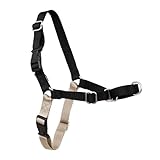
Your equipment matters more than you might think. A
Check Price on Amazon →
gives you better control while distributing pressure evenly, preventing your dog from feeling trapped if they panic. Keep your leash at a consistent, loose length—tension travels straight down the leash and tells your dog you’re worried too.
Route planning essentials:
- Begin with familiar areas near home (even just your driveway)
- Create "escape routes" so you can quickly end walks on a positive note
- Gradually introduce new elements: one quiet street, one parked car, one person in the distance
- Let your dog sniff freely—this is calming and confidence-building
If your dog freezes or refuses to move, don't drag them forward. Instead, create distance from whatever triggered them, wait for a calmer moment, and reward any forward movement.
Introducing Your Dog to New People Safely
Stranger fear is incredibly common in rescue dogs. The key is giving your dog complete control over interactions.
Greeting protocols that work:
- Visitors should completely ignore your dog initially (no eye contact, no reaching out)
- Have guests toss treats in your dog's direction without looking at them
- Let your dog approach on their own timeline—this might take minutes or multiple visits
- Never allow people to corner, hover over, or reach for your fearful dog
For household visitors, use a
Check Price on Amazon →
to create a safe observation zone where your dog can watch without pressure to interact. Some dogs just need to see that visitors don’t mean danger—they may never become social butterflies, and that’s perfectly okay.
Noise Desensitization: From Thunder to Fireworks
Sound sensitivity training requires patience and the right tools. Start with recordings played at barely audible volumes while your dog does something enjoyable—eating meals, playing with a

Check Price on Amazon →
, or receiving gentle massage.
Your desensitization roadmap:
- Begin with volume so low you can barely hear it yourself
- Pair sounds with high-value treats or activities
- Only increase volume when your dog shows zero reaction at the current level
- Never rush—this process can take weeks or months
During actual storms or fireworks, create a safe den with familiar bedding, white noise to dampen sounds, and a

Check Price on Amazon →
with peanut butter or yogurt. Never force comfort or coddle anxiety—just maintain a calm, matter-of-fact presence.
Timeline reality check: Most rescue dogs show noticeable confidence improvements within 2-4 months of consistent work, but complete transformation can take 6-12 months or longer. I've worked with dogs who took two years to truly flourish—and their owners say every patient moment was worth it.
Enrichment Activities That Build Bravery
Mental stimulation is like magic for fearful dogs. When your rescue is focused on solving a puzzle or following a scent trail, they're not ruminating on their fears. Better yet, every small success—finding a treat, figuring out a toy, or navigating a new challenge—deposits confidence into their emotional bank account. Over time, these wins add up to a braver dog.
Scent Games for Nervous Dogs
Your dog's nose is their superpower, and scent work taps into instincts that bypass their anxious brain. Even the most nervous rescue can't resist the pull of an interesting smell.
Start simple: hide treats around one room while your dog waits in another. Begin with obvious spots (on the floor, under a chair leg) and gradually increase difficulty. This builds confidence because dogs literally cannot fail at using their nose—it's hardwired.
Check Price on Amazon →
A "find it" game on walks works wonders too. Toss a treat into the grass ahead and let your dog search. This shifts their focus from scary environmental triggers to an achievable task.
DIY Confidence-Building Obstacle Course
You don't need fancy equipment to build physical confidence. Create a simple course using household items:
- Low jumps: A broomstick propped 4 inches off the ground between books
- Tunnels: An open cardboard box with both ends cut out
- Balance work: A sturdy board laid flat, then gradually elevated on one end with books
- Weaving: A line of plastic water bottles to walk around
Go at your dog's pace. If they're hesitant about the tunnel, toss treats through it first. Let them walk around obstacles before attempting them. The goal isn't perfection—it's about trying new things and succeeding.

Check Price on Amazon →
Food puzzles and interactive toys teach problem-solving while keeping anxious minds occupied. Start easy and increase complexity as your dog gains skills. The frustration tolerance they develop translates to other areas of life.
The Power of Different Walk Types
Not every walk needs to be a march around the block. Exploratory walks—where your dog chooses the route and sets the pace, sniffing everything—are incredibly enriching and less stressful than structured exercise walks. Dedicate at least a few weekly outings to pure exploration.
Play also builds resilience. Even five minutes of tug or gentle chase games teaches your dog that excitement can be fun, not frightening. Follow their lead and keep sessions short to prevent overwhelm.
When to Consider Structured Activities Like Agility or Nose Work Classes
Once your dog shows curiosity and can handle mild distractions, structured classes offer socialization and challenge in controlled environments. Nose work classes are particularly excellent for fearful dogs because they work independently, not requiring close proximity to other dogs.
Wait on agility until your dog demonstrates enthusiasm for your home obstacle course. Look for trainers who specialize in fearful dogs and allow you to observe a class first.
Match activities to your dog's age and energy. A young, energetic rescue might thrive with multiple short training sessions daily, while an older or lower-energy dog does better with puzzle toys and gentle exploration. The best confidence-builder is the one your individual dog actually enjoys.
When to Seek Professional Help and Additional Support
Sometimes love and patience aren't enough. I've worked with countless rescue dog parents who blamed themselves for their dog's lack of progress, when the reality was they simply needed additional expertise. Recognizing when to call in reinforcements isn't a failure—it's one of the smartest decisions you can make for your fearful dog.
Finding the Right Professional for Your Dog
You should seek professional help if your dog:
- Shows aggression (snapping, biting, or lunging) when afraid
- Has severe phobias that prevent daily activities like walking or eating
- Shows no improvement after 4-6 weeks of consistent confidence-building work
- Has panic attacks or complete shutdowns regularly
- Displays compulsive behaviors like tail-chasing or excessive licking
Look for these credentials:
- Certified Professional Dog Trainer (CPDT-KA) for general fear and confidence issues
- Certified Applied Animal Behaviorist (CAAB) or Veterinary Behaviorist (DACVB) for severe cases
- Certified Behavior Consultant Canine (CBCC-KA) for complex behavioral problems
When interviewing trainers, ask about their methods directly. Force-free professionals should light up talking about positive reinforcement, desensitization, and counter-conditioning. Red flags include anyone who mentions "dominance," recommends prong or shock collars, talks about "corrections," or guarantees quick fixes. Trust your gut—if something feels harsh or scary, it probably is.
Check Price on Amazon →
Understanding Behavior Medication Options
Here's something many people don't realize: medication isn't "giving up." For dogs with severe anxiety, it can be the bridge that makes training actually possible. Think of it like eyeglasses—they don't fix your eyes, but they help you function while you work on the underlying issues.
Anti-anxiety medications like fluoxetine (Prozac) or sertraline (Zoloft) can reduce baseline anxiety enough that your dog can actually learn. They're not sedatives—they help rebalance brain chemistry. Your veterinarian might also suggest situational medications like trazodone for specific stressful events.
Supplements worth discussing with your vet:
- L-theanine and alpha-casozepine for mild anxiety
- CBD products (quality varies tremendously—get vet recommendations)
- Probiotics specifically formulated for anxiety reduction
Never start any medication or supplement without veterinary guidance, as some combinations can be dangerous. A veterinary behaviorist can fine-tune medication protocols while you work on behavior modification.
Building Your Support Network
You don't have to do this alone. Connect with other rescue dog parents through local foster-based rescue organizations—they often have private Facebook groups where people share real victories and struggles. Online forums like r/reactivedogs can provide support when you're having a 2 AM worry session.
Most importantly, practice self-compassion. Your fearful dog didn't develop these issues overnight, and recovery won't happen that quickly either. Did your dog take food from your hand today when they wouldn't last week? That's huge. Did they walk two houses further down the street? Victory.
Keep a "wins journal" where you note every small breakthrough. On hard days, flip back and remind yourself how far you've actually come. Progress isn't linear, and setbacks don't erase the ground you've gained. You're doing better than you think.
Frequently Asked Questions
How long does it take to build confidence in a fearful rescue dog?
Timeline varies greatly: some dogs show improvement in weeks, others need months or years depending on severity and history. The 3-3-3 rule provides a framework: 3 days to decompress, 3 weeks to learn routine, 3 months to start feeling comfortable. Severe cases may take 6-12+ months of consistent work. Progress is rarely linear—expect setbacks and plateaus. Focus on small victories rather than complete transformation.
Should I comfort my dog when they're scared or will that reinforce the fear?
This is a myth—you CANNOT reinforce fear (an emotion) like you would a behavior. Comforting your dog appropriately can help them feel safe and recover faster. The key is staying calm yourself and not being overly dramatic or anxious. Provide comfort if your dog seeks it, but don't force interaction. Focus on creating distance from the trigger and helping them feel secure.
What are the best treats for training a fearful rescue dog?
Use high-value, soft, easy-to-eat treats that your dog finds irresistible. Examples: small pieces of cooked chicken, cheese, hot dogs, commercial training treats like freeze-dried liver. Keep pieces tiny (pea-sized) so you can reward frequently without filling them up. Have a hierarchy: different value treats for different difficulty levels. Always test new treats in low-stress situations first. Some fearful dogs may be too stressed to take treats—that's a sign to reduce pressure.
Can a fearful rescue dog ever become completely confident?
Many fearful dogs make remarkable progress and live happy, fulfilling lives. Some dogs may always have mild sensitivities but learn to cope well. Genetic temperament and early life experiences play significant roles in potential outcomes. The goal is management and improvement, not necessarily perfection. Even partial progress dramatically improves quality of life for both dog and owner. Set realistic expectations based on your individual dog's starting point.
What mistakes do owners commonly make when trying to help fearful dogs?
Moving too fast: pushing dogs past their comfort zone before they're ready. Flooding: forcing exposure to feared stimuli hoping they'll 'get over it' (can make fear worse). Using punishment or corrections which increase fear and damage trust. Inconsistency in training approach or household rules. Not recognizing subtle stress signals until dog is already overwhelmed. Comparing their dog's progress to others or expecting quick fixes. Neglecting their own stress management—dogs pick up on human anxiety.