Chihuahua Potty Training Problems: Solutions That Work
Introduction: Why Chihuahuas Are Notoriously Difficult to Potty Train
If you've been tearing your hair out over your Chihuahua's potty training struggles, I have good news and bad news. The bad news? You're not imagining it—Chihuahuas consistently rank among the most challenging breeds to housebreak. The good news? It's not because your dog is stubborn, spiteful, or unintelligent. Understanding why Chihuahuas struggle with potty training is the first step toward finally solving this frustrating problem.
The Tiny Bladder Reality
Let's start with basic biology. A Chihuahua's bladder is roughly the size of a walnut. Compared to a Labrador or Golden Retriever, your Chi physically cannot hold it for nearly as long. While a medium-sized adult dog might comfortably wait 6-8 hours between bathroom breaks, an adult Chihuahua often maxes out at 4-5 hours—and puppies need to go every 1-2 hours. This isn't a training issue; it's simple physiology. Many owners unknowingly set their tiny dogs up for failure by expecting them to "hold it" as long as larger breeds.
The Small Dog Syndrome
Here's something most people don't consider: when a Chihuahua has an accident behind the couch, it's easy to miss. The puddle is small, it doesn't smell as strong initially, and you might not discover it for hours or even days. Meanwhile, your Chi has learned that peeing in that spot goes unnoticed and unpunished. This creates a pattern that's incredibly difficult to break.
Compare this to a Great Dane puppy having an accident—you'll know immediately, interrupt it, and address it right away. Chihuahuas often get away with accidents simply because they're harder to catch in the act.

Check Price on Amazon →
The Napoleon Complex Factor
Chihuahuas weren't bred to be particularly biddable or eager to please. Unlike breeds developed specifically to work closely with humans (think Border Collies or Golden Retrievers), Chihuahuas were companion dogs with independent streaks. This means they're less motivated by your approval and more likely to do their own thing—including finding their own bathroom spots if the "official" option doesn't suit them.
Weather Sensitivity
I've worked with countless Chihuahua owners who report the same pattern: their dog was almost fully housetrained, then winter hit. Or it rained for a week straight. These tiny dogs have minimal body fat and single-layer coats, making them genuinely uncomfortable in cold or wet weather. A 5-pound dog standing in 40-degree drizzle isn't being dramatic—they're legitimately freezing. Many will simply refuse to potty outside in bad weather, leading to indoor accidents.
You Can Absolutely Succeed
Despite these challenges, I've helped hundreds of Chihuahua owners achieve reliable housetraining. It requires adjusting your approach to accommodate their unique needs rather than forcing them into a one-size-fits-all method. The strategies in this guide address each specific challenge Chihuahuas face, from their tiny bladders to their weather sensitivity to their independent personalities. Success isn't just possible—it's entirely achievable when you work with your Chihuahua's nature instead of against it.
The 7 Most Common Chihuahua Potty Training Problems (And Why They Happen)
Chihuahuas are notorious for being challenging to potty train, and there's actually solid science behind why. Let's break down the seven most common issues you'll face and what's really going on with your pint-sized companion.
Problem #1: Frequent Accidents Despite Regular Breaks
Your Chihuahua's bladder is roughly the size of a walnut. Seriously. A 5-pound Chihuahua simply can't hold it as long as a 50-pound Labrador. While a larger dog might comfortably wait 6-8 hours, your Chi may need to go every 2-3 hours, especially as a puppy or senior.
This isn't stubbornness—it's biology. Chihuahua puppies under six months often need bathroom breaks every 1-2 hours when awake. If you're expecting them to last through your workday without accidents, you're setting both of you up for frustration.
Problem #2: Selective Obedience and Stubbornness
Chihuahuas were bred as companion dogs, not working dogs desperate to please. They're intelligent enough to know what you want—they just don't always care. When it's raining outside and there's a perfectly comfortable carpet inside, your Chi is doing a cost-benefit analysis and choosing comfort.
This isn't defiance for defiance's sake. They're small, they get cold easily, and they're evaluating whether the hassle is worth it. Consistency and high-value rewards are your best tools here.

Check Price on Amazon →
Problem #3: Marking Territory Inside the Home
Intact male Chihuahuas are notorious markers, but females can mark too, especially in multi-dog households. This isn't the same as regular urination—it's communication. Your Chi is literally leaving messages for other dogs (or asserting dominance over your new couch).
Marking typically involves small amounts of urine on vertical surfaces. If you notice your dog lifting their leg on furniture, walls, or new items, that's marking behavior. Spaying or neutering helps significantly, but training and management are still necessary.
Check Price on Amazon →
Problem #4: Weather-Related Refusal
With almost no body fat and minimal coat protection, Chihuahuas genuinely suffer in cold or wet weather. When it's 40°F and raining, your Chi isn't being dramatic—they're legitimately uncomfortable. Their low-to-the-ground build means their belly gets wet immediately, and they lose body heat rapidly.
This often leads to "porch pees" where they eliminate right outside the door rather than walking to the yard, or flat-out refusal to go outside.
Problem #5: Submissive or Excitement Urination
This is involuntary—your Chihuahua isn't choosing to pee when excited or scared. Their nervous temperament combined with poor bladder control creates a perfect storm. You come home, they get excited, and suddenly there's a puddle.
Punishment makes this worse because it's not a behavioral choice. These are emotional responses triggering physical reactions.
Problem #6: Sudden Regression After Progress
Your Chi was doing great for three weeks, then suddenly started having accidents again? Medical issues aside, regression often happens after routine changes, moving to a new home, adding a new pet, or seasonal weather shifts. Chihuahuas are creatures of habit, and disruptions can undo months of training.
Problem #7: Sneaking Off to Hidden Spots
Many Chihuahuas develop "secret bathroom spots"—behind the couch, in the spare bedroom, under the dining table. This often indicates they've been punished for accidents and now associate eliminating in your presence with negative consequences. They're not being sneaky; they're trying to avoid punishment while still meeting their biological needs.
Understanding Your Chihuahua's Unique Potty Training Challenges
If you've been struggling to housetrain your Chihuahua, you're not alone—and it's not your imagination. These pint-sized pups genuinely face distinct challenges that make potty training more difficult than with larger breeds. Understanding these obstacles is your first step toward solving them.
Physical Limitations That Affect Training
Let's start with the most fundamental issue: your Chihuahua's bladder is about the size of a walnut. We're talking 1-2 ounces of capacity maximum. For comparison, a Labrador's bladder holds around 20 ounces. This means your Chi physically cannot "hold it" as long as bigger dogs, no matter how well-trained they become.
A two-pound Chihuahua puppy may need to eliminate every 30-60 minutes when active. Even adult Chihuahuas typically can't go more than 4-5 hours between potty breaks—and that's pushing it. This isn't stubbornness; it's biology.
Their fast metabolism compounds the problem. Food moves through a Chihuahua's system remarkably quickly, sometimes in as little as 4-6 hours from eating to elimination. When you feed your Chi breakfast at 7 AM, expect output by late morning without fail.
Then there's temperature sensitivity. Chihuahuas have minimal body fat and large surface-area-to-volume ratios, making them extremely vulnerable to cold. When it's 50°F outside, your Chihuahua feels like you would in 30°F weather. They'll refuse to go outdoors, hold their waste uncomfortably long, then have accidents inside. This makes winter training particularly challenging and sometimes necessitates indoor solutions like

Check Price on Amazon →
.
Behavioral Traits That Create Obstacles
Here's where it gets interesting: Chihuahuas are genuinely intelligent dogs. But that big brain in a tiny body doesn't always work in your favor. They're smart enough to know when you're not watching and will sneak off to their favorite hidden spot. They're also smart enough to manipulate situations—if going potty outside in the cold gets them rushed back indoors, they'll learn to fake it or refuse entirely.
Their legendary strong-willed nature means traditional "because I said so" training often backfires. Chihuahuas need to understand what's in it for them. Harsh corrections or punishment will make them fear you, not improve their potty habits. Instead, they'll simply become sneakier about where and when they go.
How Their Size Impacts the Training Process
Small size creates practical supervision challenges. A Chihuahua can squat and pee behind a chair leg or under a table before you even notice they've moved. The physical signs—sniffing, circling, whining—are easily missed because they're happening at ankle level while you're focused elsewhere.
Their accidents are also deceptively small. A tablespoon of urine behind the couch can go undetected for days, creating scent markers that encourage repeat offenses. This makes enzymatic cleaners
Check Price on Amazon →
absolutely essential—regular cleaners won’t remove the pheromones that tell your Chi “this is my bathroom spot.”
The bottom line? Chihuahua potty training requires more frequent breaks, greater vigilance, environmental adjustments, and patience than you'd need with a Golden Retriever. But armed with this understanding, you can create a training plan that works with your Chihuahua's unique nature rather than against it.
Setting Up Your Chihuahua for Potty Training Success
The foundation of successful Chihuahua potty training isn't just about repetition—it's about creating an environment where your tiny dog can actually succeed. Let's set up a system that works with your Chi's unique needs, not against them.
Indoor vs. Outdoor vs. Hybrid Training Methods
Here's the truth: there's no single "right" approach for every Chihuahua. Your choice depends on your lifestyle, living situation, and your dog's preferences.
Outdoor training works beautifully if you have easy yard access and live in a temperate climate. The downside? Chihuahuas are notoriously weather-sensitive. A rainy day can derail weeks of progress when your 5-pound dog refuses to set paw outside.
Indoor training using pee pads or a
Check Price on Amazon →
gives you consistency regardless of weather. This method is particularly practical for apartment dwellers, seniors, or anyone with mobility challenges. The challenge is that some Chihuahuas struggle to distinguish between the pad and other soft surfaces like rugs.
The hybrid approach is my favorite for most Chi owners. Train your dog to use both outdoor spots and an indoor backup option. This flexibility means your dog can relieve themselves outside during nice weather but has an acceptable alternative when it's 3 AM or pouring rain.
The Ideal Potty Schedule by Age
Chihuahuas have bladders the size of walnuts—plan accordingly.
Puppies (8-16 weeks): Take them out every 1-2 hours without exception. Also immediately after waking, eating, drinking, and playing. Yes, this is exhausting. No, there aren't shortcuts.
Adolescents (4-8 months): Gradually extend to every 2-3 hours as bladder control improves. Watch for individual signals that your dog needs to go sooner.
Adults (8+ months): Most can manage 3-4 hours comfortably, with 6-8 hours being the maximum overnight. Seniors may need more frequent breaks as muscle control weakens.
Set phone alarms for the first few weeks. Consistency in timing prevents accidents better than any other strategy.

Check Price on Amazon →
Must-Have Training Supplies
Don't overcomplicate this. You need:
- High-value training treats (tiny pieces—we're talking grain-of-rice sized for Chihuahuas)
- **
Check Price on Amazon →
** (regular cleaners don’t eliminate the scent that draws dogs back to the same spot)
– **A standard 6-foot leash** for outdoor training
– **Properly sized potty solution** (small pads for indoor training or a defined outdoor spot)
– **A treat pouch** for quick reward access
Preparing Your Home Environment
Chihuahuas are masters at finding hidden corners to use as secret bathrooms. Prevention is everything.
Block off problem areas using baby gates or closed doors during the training phase. Common trouble spots: under beds, behind furniture, laundry rooms, and spare bathrooms.
Use confinement strategically. A properly sized crate or exercise pen keeps your Chi in a small area when you can't supervise. Dogs naturally avoid soiling their sleeping space, making this your secret weapon. The space should be large enough to stand, turn, and lie down—but not so large they can potty in one corner and sleep in another.
Remove temptation. Rugs, bath mats, and dog beds (except in the crate) should disappear temporarily. Their soft, absorbent texture screams "potty here!" to your Chihuahua's brain.
Set yourself up right from day one, and you'll prevent most problems before they become stubborn habits.
Step-by-Step Training Protocol for Chihuahuas
Potty training a Chihuahua requires a structured approach tailored to their unique size and temperament. Here's a week-by-week protocol that addresses the specific challenges small dogs present.
Phase 1: Foundation Building (Weeks 1-2)
The first two weeks are all about establishing a predictable routine. Take your Chihuahua outside or to their designated potty area every 1-2 hours, plus immediately after waking up, eating, drinking, and playing. Yes, this is intensive—but it's crucial for preventing accidents before they become habits.
During this phase, your main job is detective work. Watch for pre-potty signals like sniffing in circles, suddenly stopping play, whining, or heading toward the door. Small dogs give subtle signals that are easy to miss, so keep your Chihuahua tethered to you with a

Check Price on Amazon →
or baby gate them in the room you’re occupying. This constant supervision prevents sneaky accidents behind the couch.
Start introducing your verbal cue during this phase. As your Chihuahua begins to eliminate, quietly say "go potty" or your chosen phrase. Don't rush this—let them associate the action with the words naturally.
Phase 2: Consistency and Habit Formation (Weeks 3-6)
Now you're building on the foundation. By week three, you should recognize your dog's individual signals and can start predicting when they'll need to go. Continue the same frequent schedule, but focus heavily on reinforcement.
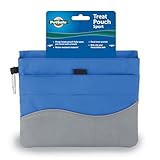
The secret to success is in the timing. You have a 2-3 second window after your Chihuahua finishes eliminating to deliver praise and treats. Carry a
Check Price on Amazon →
so rewards are instantly available. Use high-value treats—not their regular kibble—and make it a party. Enthusiastic praise, treats, and even a quick play session teach them that pottying outside is the best decision ever.
During this phase, gradually extend time between breaks by 15-30 minutes each week, but only if your Chihuahua is consistently successful.
Phase 3: Increasing Independence (Weeks 7-12)
By now, your Chihuahua should be signaling when they need to go out. Most adult Chihuahuas can hold it for 4-6 hours at this stage. Continue using your verbal cue and rewarding success, though you can gradually reduce treat frequency as the habit solidifies.
The Correct Way to Reward Success
Timing is everything. Reward the instant your Chihuahua finishes—not when you're back inside. Many owners make the mistake of treating after coming indoors, which confuses the dog about what behavior earned the reward.
How to Handle Accidents Without Damaging Progress
Here's what NOT to do: no yelling, no rubbing their nose in it, no punishment of any kind. Chihuahuas are sensitive, and punishment creates fear and sneaky pottying behavior.
Instead, interrupt calmly if you catch them in the act—a simple "oops" works—then immediately take them to the correct spot. Clean accidents thoroughly with an
Check Price on Amazon →
to eliminate odor markers. If you find an accident after the fact, clean it and move on. There’s no learning opportunity once the moment has passed.
Track accidents in a notebook. Patterns often reveal gaps in your schedule or signs you're missing. Adjust accordingly, and remember: consistency and patience win with Chihuahuas.
Solving Specific Chihuahua Potty Training Problems
Solution for Territorial Marking
If your male Chihuahua is lifting his leg on furniture, neutering should be your first consideration—it reduces marking behavior by up to 60% when done before two years of age. While waiting for the procedure or if marking continues afterward, belly bands provide immediate management. These washable wraps discourage the behavior since dogs dislike the wet sensation against their body.
For persistent markers, thoroughly clean all marked areas with
Check Price on Amazon →
to eliminate scent triggers. Block access to favorite marking spots with furniture or pet gates, and praise heavily when your Chihuahua potties in the correct location. Some male Chihuahuas mark due to anxiety—if your dog marks when visitors arrive or during household changes, address the underlying stress rather than just the symptom.
Overcoming Weather-Related Resistance
Chihuahuas are notorious weather wimps, and I can't blame them—imagine being three pounds in freezing rain! Create a covered potty area close to your door using a patio umbrella, canopy, or even a large plastic storage bin lid propped at an angle. Many Chihuahuas will brave bad weather if they only need to go a few feet.
Invest in a well-fitted doggy raincoat or sweater for cold or wet conditions. During extreme weather, consider an artificial grass patch on a covered balcony or in your garage as a temporary solution. Here's the key: still reward outdoor pottying more enthusiastically than the backup option, so your Chihuahua doesn't decide the indoor patch is permanently preferable.
Addressing Submissive and Excitement Urination
Submissive urination happens when your Chihuahua feels overwhelmed or intimidated. Never punish this behavior—it'll make it worse. Instead, build confidence through positive training experiences. Approach your dog from the side rather than head-on, kneel rather than loom, and keep greetings calm and matter-of-fact.
For excitement peeing, ignore your Chihuahua completely for the first five minutes after arriving home. No eye contact, no talking, no touching. Take them outside before the greeting. When guests visit, have them toss treats from a distance rather than reaching to pet immediately. Most dogs outgrow excitement urination by 18 months if you consistently keep arrivals boring.
Breaking the 'Sneaking Away' Habit
When Chihuahuas sneak off to spare rooms or behind furniture, it's often because they've been punished for accidents and now fear pottying in your presence. You'll need to rebuild trust while restricting access.
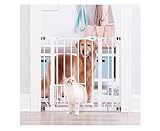
Close doors to problem rooms and use
Check Price on Amazon →
to limit your dog’s range. Keep your Chihuahua tethered to you with a leash during high-risk times so you can catch them circling or sniffing. The moment you see pre-potty behavior, quickly guide them outside and reward success. Never react negatively if you catch them mid-act—just calmly interrupt and redirect.
What to Do When Your Trained Chihuahua Regresses
Sudden regression always warrants a vet visit to rule out urinary tract infections, bladder stones, or diabetes. If health checks out, return to square one: frequent potty breaks every 1-2 hours, supervision, confinement when unsupervised, and enthusiastic rewards for correct pottying.
Common regression triggers include household moves, new pets, schedule changes, or family stress. Your Chihuahua might also be "testing boundaries" after gaining too much freedom too quickly.
Special Considerations for Adult and Senior Chihuahuas
Older, previously untrained Chihuahuas take longer to housetrain but absolutely can learn—I've successfully trained eight-year-old rescue Chihuahuas. They need more frequent breaks (every 3-4 hours initially), consistent schedules, and patience. For overnight accidents, try moving dinner earlier and removing water 2-3 hours before bedtime, while ensuring adequate daytime hydration.
Senior Chihuahuas may develop age-related incontinence requiring veterinary management and doggy diapers for nighttime. This isn't a training failure—it's a medical reality requiring compassion, not frustration.
Common Mistakes That Make Chihuahua Potty Training Harder
Even experienced dog owners often struggle with Chihuahua potty training because they're using approaches that work fine for Labs or Shepherds but backfire with toy breeds. Let's look at the most common pitfalls so you can avoid them.
Punishing Accidents Creates a Vicious Cycle
Rubbing your Chihuahua's nose in their mess or yelling after an accident doesn't teach them where to go—it teaches them to fear you. What happens next? Your dog learns to sneak off and potty in hidden spots like behind the couch or in spare bedrooms. They're not being spiteful; they're trying to avoid your anger. This makes the problem exponentially worse because you can't correct what you can't see happening.
Inconsistency Is Your Biggest Enemy
Taking your Chihuahua out at 7 AM on Monday, 9 AM on Tuesday, and noon on Wednesday trains them to… well, nothing. Their tiny bladders can't wait for whenever you remember. You need the same schedule every single day, including weekends. That means potty breaks first thing in the morning, after meals, after naps, after play sessions, and before bed. Set phone alarms if you need to.
Too Much Freedom, Too Soon
I see this constantly: owners let their newly adopted Chihuahua roam the entire house from day one. Then they're shocked when accidents happen in the dining room, hallway, and guest bathroom. Your Chihuahua hasn't earned house freedom yet. Start with one room or use baby gates to limit access. Expand their territory only after they've gone several weeks without accidents in their current space.
Check Price on Amazon →
Pee Pad Confusion
Pee pads can work, but not when you scatter them throughout your home like confetti. Having pads in multiple rooms teaches your Chihuahua that any room is fair game for pottying. Pick one location and stick with it. Even worse? Moving the pad around. Keep it in the exact same spot until your dog reliably uses it for months.
Half-Hearted Cleanup Jobs
Regular household cleaners don't eliminate the urine smell that dogs detect. Your Chihuahua's nose is thousands of times more sensitive than yours. If they can still smell old accidents, those spots become marked territory—places they'll target again and again. You need an enzymatic cleaner that breaks down the organic compounds.
Check Price on Amazon →
Unrealistic Expectations for Tiny Bladders
A Chihuahua's bladder holds maybe a couple ounces. They physically cannot "hold it" for 8 hours like a Golden Retriever might. Expecting your 4-pound dog to wait as long as a 60-pound dog is setting both of you up for frustration and failure.
Ignoring Medical Red Flags
If your previously reliable Chihuahua suddenly starts having frequent accidents, develops excessive thirst, or strains to urinate, don't assume it's behavioral. UTIs, bladder stones, diabetes, and kidney issues are common in small breeds. A vet visit might reveal that your "training problem" is actually a treatable medical condition.
One-Size-Fits-All Training Methods
Training programs designed for larger breeds often include long outdoor sessions and extended "hold it" periods that simply don't work for Chihuahuas. Their metabolism is faster, their bladders are smaller, and they get cold quickly. You need an approach specifically calibrated for toy breed physiology.
When to Seek Professional Help
Sometimes potty training problems signal issues beyond what you can solve with patience and consistency alone. Knowing when to bring in professional help can save your Chihuahua from unnecessary suffering and prevent small problems from becoming major behavioral issues.
Medical Issues to Rule Out
Always start with your veterinarian if your previously housetrained Chihuahua suddenly starts having accidents or if a puppy shows concerning symptoms. Medical problems often masquerade as training failures.
Schedule a vet appointment immediately if you notice:
- Blood in the urine (even tiny pink spots)
- Excessive thirst combined with increased urination
- Straining or crying while attempting to eliminate
- Frequent squatting with little to no urine produced
- Cloudy or foul-smelling urine
- Accidents accompanied by vomiting or diarrhea
Chihuahuas are prone to bladder stones, urinary tract infections, and diabetes—all conditions that make normal potty training impossible. I've worked with dozens of frustrated owners who spent months on training, only to discover their dog had a treatable UTI all along.
Your vet will likely run a urinalysis and possibly blood work. Don't skip this step. Even if you're 90% sure it's behavioral, that 10% medical possibility needs ruling out first.
Behavioral Problems Beyond Basic Training
Some potty training challenges stem from deep-seated anxiety, fear, or compulsive behaviors that require specialized intervention. Consider consulting a veterinary behaviorist (a vet with advanced behavioral training) if your Chihuahua:
- Has severe separation anxiety and only has accidents when alone
- Shows extreme fear responses to outdoor elimination (trembling, refusing to walk, hiding)
- Submissively urinates when greeting people, despite being otherwise housetrained
- Engages in marking behavior throughout the house that doesn't respond to neutering and training
- Has a history of abuse or neglect affecting their confidence
A regular dog trainer (like me) can help with standard potty training. A veterinary behaviorist can diagnose and treat clinical anxiety disorders.
Finding the Right Professional Support
Not all trainers understand the unique challenges of toy breeds. When searching for help, specifically ask about experience with Chihuahuas and small breed potty training.
Look for trainers who:
- Use positive reinforcement exclusively (no punishment-based methods)
- Have certifications like CPDT-KA or IAABC membership
- Offer in-home consultations where they can observe your setup
- Provide written training plans you can follow between sessions
What to expect: Professional sessions typically start with a thorough history and observation period. A good trainer will assess your current routine, examine your home setup, and watch how your Chihuahua responds to different cues. They'll create a customized plan addressing your specific challenges—whether that's fear of outdoor surfaces, incomplete housetraining, or marking behavior.
Sessions might include
Check Price on Amazon →
work for better timing with rewards and specific desensitization protocols for fearful dogs.
For Chihuahuas with severe anxiety causing accidents, your vet or veterinary behaviorist may recommend anti-anxiety medication as part of a comprehensive treatment plan. Medications like fluoxetine or clomipramine can reduce baseline anxiety enough that training can finally take hold. These aren't shortcuts—they're tools that level the playing field for dogs whose brains are wired for excessive worry.
Remember: seeking help isn't admitting failure. It's being a responsible owner who recognizes when your Chihuahua needs more than basic training can provide.
Frequently Asked Questions
How long does it typically take to potty train a Chihuahua?
Most Chihuahuas take 4-6 months to become reliably housetrained, longer than many larger breeds. Puppies under 6 months may need 6-8 months due to developing bladder control. Adult Chihuahuas with no prior training may take 3-4 months with consistent effort. Success depends heavily on consistency, schedule adherence, and the individual dog's temperament.
Why does my Chihuahua pee in the house right after being outside?
They may not have fully emptied their bladder outside due to distractions or discomfort. Cold weather or wet grass can cause them to rush back inside without finishing. They might be marking territory indoors, especially if not spayed/neutered. Solution: Stay outside longer (10-15 minutes), use high-value treats immediately upon going, ensure outdoor area is comfortable.
Should I use pee pads or train my Chihuahua to go outside only?
Both methods work; choice depends on your lifestyle, living situation, and climate. Pee pads are practical for apartments, extreme weather areas, or owners with limited mobility. Outdoor-only training is ideal if you have easy yard access and mild weather. Hybrid approach (pads as backup) works well for many Chihuahua owners. Whatever you choose, be consistent and don't switch methods mid-training.
My Chihuahua was trained but suddenly started having accidents again. What happened?
First rule out medical issues: UTIs, kidney problems, diabetes, and cognitive decline in seniors. Common triggers include household changes, new pets, moving, schedule disruptions, or stress. Could indicate incomplete initial training where dog wasn't fully reliable. Solution: Vet check first, then return to basic training protocol with frequent breaks and heavy supervision. Thoroughly clean all accident spots with enzymatic cleaner to remove scent markers.
Is it true that Chihuahuas are impossible to fully housetrain?
This is a myth, though they are statistically harder to train than most breeds. The reputation comes from their small bladders, stubborn nature, and owners giving up too soon. Thousands of Chihuahuas are successfully housetrained every year with proper technique. Key is adjusting expectations (they'll always need more frequent breaks than large dogs) and remaining consistent. Many 'impossible to train' Chihuahuas simply had owners who used ineffective methods or inconsistent schedules.