Dog Pain Aggression Toward Owner: Causes & Solutions
Introduction: When Your Beloved Dog Suddenly Snaps
The moment replays in your mind: You reached down to pet your dog like you've done a thousand times before, and suddenly they growled, snapped, or even bit you. Your gentle companion, the dog who sleeps at your feet and greets you with tail wags, just showed you teeth.
It's shocking. It hurts—both physically and emotionally. And if you're like most owners in this situation, you're probably scared, confused, and wondering what you did wrong.
Here's what you need to hear first: This isn't about your relationship being broken. It's very likely about your dog being in pain.
The Invisible Connection Between Pain and Aggression
Pain-induced aggression is one of the most misunderstood behaviors in dogs. Unlike humans who can say "my hip hurts" or "please don't touch my shoulder," dogs communicate discomfort through body language—and when that doesn't work, through defensive aggression.
Think about it this way: If you had a severe toothache and someone unexpectedly grabbed your jaw, you'd instinctively push them away. Your dog operates on the same principle. When they're hurting, their threshold for handling normal interactions drops dramatically. A gentle pat on the head might feel like agony if they have an ear infection. Lifting them onto the couch could trigger a snap if they're dealing with arthritis.
This is instinct, not betrayal. Your dog isn't choosing to hurt you—they're responding to a perceived threat when their body is already in distress.
How Common Is Pain-Related Aggression?
More common than you'd think. According to veterinary behaviorists, pain is an underlying factor in 25-30% of sudden aggression cases, particularly in dogs with no previous history of aggressive behavior. That number jumps even higher—over 80%—in senior dogs who suddenly become "grumpy" or reactive to handling.
The tricky part? Many painful conditions aren't obvious. Orthopedic issues, dental disease, ear infections, and gastrointestinal problems can all simmer beneath the surface while your dog maintains their normal routine—until the pain reaches a breaking point.
Why Understanding This Matters
Recognizing pain as the root cause changes everything. Instead of treating this as a behavioral problem requiring punishment or rehoming considerations, you can:
- Get your dog proper veterinary care and pain relief
- Adjust how you interact with them during recovery
- Rebuild trust through patience and appropriate handling
- Potentially resolve the aggression entirely by treating the underlying condition
Many owners have watched their "aggressive" dog transform back into their loving companion once the real problem—arthritis, a broken tooth, or a urinary tract infection—was identified and treated.
The first step isn't more training or discipline. It's a thorough veterinary examination. Your dog isn't giving up on you—they're asking for help in the only way they know how.
Understanding Pain-Induced Aggression in Dogs
Pain-induced aggression is one of the most misunderstood behaviors in dogs, and it can catch even experienced owners completely off guard. Your normally sweet dog suddenly snaps when you touch their hip. Your gentle Lab growls when you try to pick them up. These aren't signs of a "bad dog"—they're desperate communications from an animal in distress.
Pain aggression occurs when a dog displays aggressive behavior (growling, snapping, or biting) specifically in response to discomfort or physical pain. This isn't about dominance, territorialism, or fear of strangers. It's a primal, protective response to vulnerability.
Why Pain Changes Your Dog's Behavior
When your dog is hurting, their entire nervous system shifts into survival mode. The fight-or-flight response kicks in because pain signals vulnerability—and in the wild, vulnerable animals don't survive long. Your dog's brain essentially decides that defending themselves is more important than their normal social manners.
Here's what's happening biologically: pain lowers your dog's bite threshold dramatically. Think of it like this—on a normal day, your dog might tolerate a hundred different touches, movements, and interactions without complaint. But when they're experiencing chronic hip dysplasia or have a painful ear infection, that tolerance drops to near zero. What would normally be a slight annoyance becomes unbearable.
The frustrating part? Dogs can't tell us "My back leg really hurts" or "My stomach has been bothering me for weeks." They communicate pain through behavioral changes—reduced activity, loss of appetite, restlessness, or yes, aggression. By the time many dogs show aggression, they've often been suffering for a while and have tried subtler signals that went unnoticed.
I've seen the gentlest golden retrievers bite their beloved owners when touched on a sore spot. A dog who's never shown a tooth in their life might snap when a child accidentally jumps on their arthritic back. This doesn't mean your dog has "turned aggressive"—it means they're desperate.
The Difference Between Pain Aggression and Dominance Aggression
Many owners (and unfortunately, some outdated trainers) misinterpret pain aggression as dominance or disobedience. This confusion can lead to punishment-based corrections that make everything worse.
Pain aggression is:
- Sudden onset, especially in previously non-aggressive dogs
- Context-specific (triggered by touching certain body parts, specific movements, or handling)
- Often accompanied by other pain signals like limping, stiffness, or lethargy
- Defensive rather than offensive in nature
Dominance aggression myths:
- The "alpha dog" theory has been thoroughly debunked by modern veterinary behaviorists
- True resource guarding or status-related aggression looks completely different and follows predictable patterns
- These behaviors develop gradually and occur in specific social contexts
If your dog suddenly becomes aggressive, especially when being touched or moved, pain should be your first suspect—not a behavior problem. A veterinary exam should always be your first step, potentially followed by a muzzle for everyone's safety during handling.
Check Price on Amazon →
Common Signs Your Dog Is in Pain
Pain changes dogs in ways that aren't always obvious. Before your sweet companion snaps at you for the first time, they've likely been communicating discomfort for days or even weeks through subtle signals most owners miss.
Subtle Early Warning Signs
The earliest pain indicators are frustratingly easy to overlook. Your dog might leave a few bites of dinner in the bowl when they normally lick it clean. They may hesitate at the bottom of the stairs instead of bounding up. You might notice them shifting positions more frequently while resting, unable to get comfortable. These small changes are your dog's first attempts to tell you something's wrong.
Watch for reluctance to do previously easy activities. A dog with developing hip pain won't suddenly refuse to jump on the couch—they'll start using a "step stool" approach, placing their front paws up first, or they'll wait for you to lift them.
Body Language Red Flags
Pain-related body language appears before aggression ever does. A dog in discomfort often shows:
- Tense, rigid posture with muscles tight and ready to protect themselves
- Whale eye (showing the whites of their eyes while looking away)
- Excessive lip licking when not around food
- Stress yawning that looks different from tired yawning—tighter, more frequent
- Pinned back ears or ears held in unusual positions
- Tucked tail or tail held lower than normal
These signals mean "I'm uncomfortable, please give me space." Ignoring them can lead to a defensive bite.
Behavioral Changes That Matter
Personality shifts are major pain indicators. Your social butterfly might start avoiding family members. Your playful pup loses interest in fetch. A normally tolerant dog becomes irritable with children or other pets.
Withdrawal is particularly significant—dogs who seek isolated spaces or hide under furniture are often coping with pain. They're not being antisocial; they're protecting themselves from accidental bumps and touches that hurt.
Vocalization Patterns
Pain changes how dogs use their voice. Some become quiet, suppressing their normal sounds to avoid drawing attention to their vulnerability. Others become more vocal, whimpering when they stand up, groaning when they lie down, or growling when approached—a clear "stay away" warning.
Pay attention to when vocalizations occur. A growl when you touch their hip or a yelp when you pick them up points directly to the problem area.
Physical Manifestations
Obvious physical signs include limping, stiffness after rest, excessive panting when temperature and activity don't explain it, and trembling or shaking. You might also notice changes in gait—bunny hopping in the backyard, reluctance to put weight on a leg, or a new way of sitting (often to one side rather than squarely).
Location-specific reactions are critical. A dog who flinches, growls, or snaps when you touch their ears, back, legs, or belly is telling you exactly where it hurts. Never punish this communication—it's valuable diagnostic information.
Acute vs. Chronic Pain Signs
Acute pain from sudden injury appears dramatically: yelping, limping, refusing to move, or aggressive reactions when the area is approached. The dog knows exactly what hurts.
Chronic pain develops gradually, making it harder to spot. Dogs compensate and adapt, so by the time you notice behavior changes, they've likely been suffering for a while. Chronic pain often causes cumulative irritability—the dog has a shorter fuse because they're constantly uncomfortable.
Breed-Specific Pain Behaviors
Stoic breeds like Labrador Retrievers, German Shepherds, and many terriers often hide pain until it's severe. They require especially careful observation of subtle changes.
Brachycephalic breeds (Bulldogs, Pugs) already breathe heavily, making pain-related panting harder to identify. Watch for changes in their baseline breathing patterns.
Giant breeds prone to joint issues may show pain through reluctance to rise rather than obvious limping, while small breeds might become more vocal or reactive to handling.
Understanding these signs helps you intervene before pain drives your dog to aggression. When in doubt, schedule a veterinary exam—it's always better to investigate early.
Medical Conditions That Cause Pain Aggression
When your dog suddenly snaps at you during petting or grooming, pain is often the culprit. Dogs can't tell us where it hurts, so they communicate through behavior changes—including aggression. Understanding which medical conditions commonly trigger pain-related aggression helps you get your dog the help they need faster.
Orthopedic issues top the list of pain-causing conditions. Arthritis affects up to 80% of dogs over age eight, making previously gentle dogs react defensively when touched in sore joints. Hip dysplasia causes deep aching pain that flares when dogs rise from lying down. I've seen countless cases where owners thought their dog was "suddenly grumpy," only to discover severe hip pain was the real issue. Luxating patella (slipping kneecap) and spinal problems like intervertebral disc disease create sharp, unexpected pain that can make even the sweetest dog snap without warning.
Injuries from accidents or overexertion—fractures, sprains, torn ligaments, and soft tissue damage—cause obvious pain. Your dog may guard the affected area aggressively, especially if they've learned that you approaching means more discomfort is coming.
Dental disease and oral pain remain one of the most commonly overlooked sources of pain aggression. Infected teeth, gum disease, and oral tumors cause constant, throbbing pain. Dogs may react aggressively when you reach for their head or collar, not because they're being "dominant," but because jaw movement intensifies their suffering.
Ear infections transform head-shy dogs into biters. Chronic otitis creates deep, aching pain that makes dogs protective of their ears and sometimes their entire head region. If your dog pulls away or growls when you touch near their ears, schedule a vet exam immediately.
Gastrointestinal issues like bloat (a life-threatening emergency), pancreatitis, and inflammatory bowel disease cause abdominal pain that makes dogs sensitive to being picked up or having their belly touched. These conditions often develop suddenly, matching the timeline of "sudden" aggression.
Neurological conditions causing nerve pain, such as degenerative myelopathy or nerve compression, create burning, tingling sensations that dogs can't escape. This chronic discomfort shortens their tolerance for handling.
Skin conditions, including hot spots, allergies, and infections, make dogs reactive to touch in affected areas. What looks like a small irritation to you might feel like burning agony to your dog.
Internal organ pain from kidney stones, bladder infections, or tumors causes diffuse discomfort that's hard to localize, making dogs generally touch-sensitive and irritable.
Hidden Pain Conditions Often Missed
Some conditions hide in plain sight. Low-grade chronic pain from old injuries, early-stage cancer, and autoimmune diseases often manifest as gradual personality changes before the pain becomes obvious. Senior dogs commonly suffer from multiple concurrent painful conditions that compound each other.
Emergency Medical Situations Requiring Immediate Attention
Seek emergency veterinary care if your dog shows sudden aggression combined with:
- Distended, hard abdomen (bloat)
- Inability to stand or walk
- Continuous whining or crying
- Labored breathing
- Collapse or weakness
- Refusal to eat or drink for 24+ hours
These signs indicate potentially life-threatening conditions requiring immediate intervention, not training solutions.
What to Do When Your Dog Shows Aggression Due to Pain
When your dog suddenly snaps, growls, or bites due to pain, your immediate response can make all the difference—not just for safety, but for your dog's long-term wellbeing. Here's exactly what you need to do.
Your first priority is safety. If your dog has shown aggression, assume they're telling you something hurts. Keep children and vulnerable family members away from the dog until you've identified the problem. This isn't about blame—it's about protecting everyone, including your dog from a situation that could escalate.
Do not punish, scold, or correct your dog. I cannot stress this enough. Your dog isn't being "bad"—they're communicating the only way they know how when they're hurting and scared. Punishment will create a dangerous association between pain, your presence, and more fear. This creates a vicious cycle that's much harder to resolve.
Give your dog space immediately. Set up a quiet, comfortable area where they can rest undisturbed. If they're in a

Check Price on Amazon →
, make sure they have everything they need without requiring much movement. The goal is reducing stress and minimizing situations that might trigger another defensive reaction.
Document everything. Write down when the aggression happened, where on their body you were touching (if applicable), what your dog was doing beforehand, and any other relevant details. Was it when standing up? Climbing stairs? After eating? These specifics are gold for your veterinarian's diagnosis.

Check Price on Amazon →
Schedule a veterinary examination immediately—same day if at all possible. Pain-related aggression often indicates something serious that needs prompt attention. Call ahead and explain the situation so the clinic can prepare for a potentially painful or reactive dog.
Safe Handling Techniques for Dogs in Pain
Transporting a dog in pain requires careful planning. Before moving your dog, assess whether they can walk on their own. If they're small enough and you can do so without causing more pain, consider using a blanket as a makeshift stretcher with two people supporting the corners.
For the car ride, minimize movement. Have someone sit with your dog to monitor them, but not to restrain or pet them unless the dog initiates contact. Keep the ride calm and quiet—no radio, no sudden stops if you can help it.
Tell your vet everything: how long symptoms have been present, any injuries you're aware of, medication your dog takes, and exactly what triggers the aggressive response. Video footage of the incident can be incredibly valuable if you have it.
Using a Muzzle Safely and Humanely
Sometimes a
Check Price on Amazon →
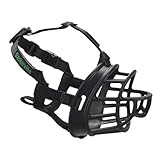
is necessary for everyone’s safety during examination or treatment. This isn’t cruel—it’s responsible. Choose a basket-style muzzle that allows panting and drinking. Never use a muzzle as punishment, and introduce it gradually with positive associations if time allows. If your dog needs immediate muzzling, have your vet’s office assist you.
When to Seek Emergency Veterinary Care
Don't wait for regular business hours if your dog shows: inability to stand or walk, obvious trauma or bleeding, extreme lethargy, labored breathing, distended abdomen, or repeated aggressive episodes within a short timeframe. These require immediate emergency care.
Temporary management: Until you have a diagnosis, avoid whatever triggered the response, restrict activity, and maintain a calm environment. Don't attempt training or behavior modification—that comes after the medical issue is resolved.
The Veterinary Examination Process
When your dog shows aggressive behavior that seems out of character, a comprehensive veterinary examination is your first and most critical step. Pain-related aggression can stem from conditions that aren't visible to the naked eye, so thorough diagnostic work is essential.
Preparing for Your Vet Visit
Before your appointment, document everything. Note when the aggression occurs, what triggers it, and which body parts your dog protects. Does she snap when you touch her back legs? Growl when jumping off furniture? These details help your vet focus the examination.
Bring a written timeline showing when the behavior started and whether it's progressing. Also record any changes in movement, appetite, or daily routines. Video evidence of the aggressive incidents—filmed from a safe distance—can be incredibly valuable, especially if your dog behaves differently at the clinic due to stress or adrenaline masking pain signals.
Consider using a
Check Price on Amazon →
during transport and examination if your dog has already bitten or attempted to bite. This keeps everyone safe and allows a more thorough exam.
Understanding Pain Scales and Assessment Tools
Veterinarians use standardized pain assessment tools like the Glasgow Composite Pain Scale or the Colorado State University Canine Acute Pain Scale. These evaluate facial expressions, vocalization, body posture, and response to palpation. Your vet will watch how your dog walks, sits, and rises—subtle changes often reveal hidden discomfort.
During the physical exam, your vet will systematically palpate joints, spine, abdomen, and other areas while watching for flinching, muscle tension, or withdrawal. They'll assess range of motion in all limbs and look for asymmetry that suggests compensation for pain.
Diagnostic tests commonly recommended include:
- X-rays to identify arthritis, fractures, hip dysplasia, or spinal issues
- Blood work to detect infection, organ dysfunction, or inflammatory conditions
- Urinalysis for bladder infections or kidney stones
- Neurological assessments for nerve damage or disc disease
- Dental examination (sometimes requiring sedation) for tooth root abscesses
Don't be surprised if initial X-rays look normal. Some pain sources like soft tissue injuries, early-stage disc disease, or certain cancers require advanced imaging like ultrasound, CT scans, or MRIs.
Critical Questions for Your Veterinarian
Ask specifically about pain management options beyond medication. Inquire about:
- The likelihood of various conditions based on breed, age, and symptoms
- How quickly you should see behavioral improvement with treatment
- Warning signs that the condition is worsening
- Whether physical rehabilitation or acupuncture might help
- Long-term prognosis and quality-of-life considerations
If aggression continues after treatment without a clear diagnosis, request a second opinion. Pain-related behavior changes deserve answers. Consider consulting veterinary specialists:
- Orthopedic surgeons for complex joint or bone issues
- Veterinary neurologists for spinal cord or brain conditions
- Veterinary dentists for oral pain that general practitioners might miss
Managing Costs Wisely
Comprehensive diagnostics can be expensive. Ask your vet to prioritize tests based on your dog's specific symptoms and your budget. Sometimes starting with less expensive options (physical exam, basic X-rays, blood work) provides enough information to begin treatment, with advanced imaging reserved if first-line approaches fail.
The investment in proper diagnosis now prevents months of unsuccessful behavior modification and keeps everyone safer.
Treatment and Management Strategies
When your dog's aggression stems from pain, treating the underlying medical issue isn't just important—it's essential. The good news? Most dogs show dramatic behavioral improvement once their pain is properly managed.
Medical Pain Management
Your veterinarian has several pharmaceutical options to control your dog's discomfort. NSAIDs (non-steroidal anti-inflammatory drugs) like carprofen or meloxicam are often first-line treatments for arthritis and joint pain. For nerve-related pain, gabapentin works wonders and can be combined with other medications. Tramadol provides additional pain relief for moderate to severe cases, while newer options like Librela (a monthly injection) offer long-term management for osteoarthritis.
Don't hesitate to ask your vet about adjusting medications if you're not seeing improvement. Pain management often requires trial and refinement to find what works best for your individual dog.
Physical therapy has become a game-changer in veterinary medicine. Certified canine rehabilitation therapists use underwater treadmills, targeted exercises, and manual therapy to reduce pain and improve mobility. Even simple at-home exercises like gentle range-of-motion movements can make a significant difference.
Creating a Pain-Free Home Environment
Your home setup can either exacerbate or alleviate your dog's pain. Start with these modifications:
- Install ramps at stairs and furniture your dog uses regularly
- Add non-slip rugs over hardwood or tile floors—slipping increases joint stress and anxiety
- Provide orthopedic bedding that cushions painful joints

Check Price on Amazon →
- Elevate food and water bowls so your dog doesn't strain their neck and shoulders
- Block off stairs if your dog has significant mobility issues
Supplements and Nutritional Support
Weight management is critical—every extra pound puts four pounds of pressure on your dog's joints. Work with your vet to establish a healthy target weight and feeding plan.
Quality joint supplements containing glucosamine, chondroitin, and omega-3 fatty acids support cartilage health and reduce inflammation. Green-lipped mussel and MSM also show promise in research studies. Start these early for best results, as they work preventatively rather than as quick fixes.
Multi-Modal Pain Management Approaches
The most effective pain management combines multiple therapies. Consider adding:
Alternative therapies like acupuncture, which releases natural pain-relieving endorphins, or cold laser therapy, which reduces inflammation at the cellular level. Many skeptical owners become believers after seeing their dog's improved mobility.
Massage therapy helps reduce muscle tension and improves circulation—you can learn basic techniques from a canine massage therapist to perform at home.
Surgical intervention may be appropriate for certain conditions. Hip replacements, cruciate ligament repairs, and other procedures can dramatically improve quality of life when conservative management fails.
Monitoring and Adjusting Your Approach
Pain management isn't set-it-and-forget-it. Keep a journal tracking your dog's mobility, activity level, and behavioral responses. Are they playing more? Sleeping better? Showing less defensive aggression?
Regular quality-of-life assessments help you make informed decisions about your dog's care. Your veterinarian can provide quality-of-life scales that objectively measure factors like pain control, appetite, and engagement with family. These assessments become especially important with chronic, progressive conditions, helping you ensure your dog maintains dignity and comfort throughout their life.
Rebuilding Trust After Pain-Induced Aggression
The good news? Trust absolutely can be restored once you've addressed your dog's underlying pain. I've worked with countless families who've successfully rebuilt their relationship after pain-induced aggression—but it requires patience, strategy, and a willingness to let your dog set the pace.
Go at Your Dog's Speed
After experiencing pain-related aggression, many owners feel anxious about approaching their dog. Your dog likely feels equally uncertain. Start by simply being present without demanding physical interaction. Sit on the floor reading a book near your dog. Toss high-value treats in their direction without making eye contact. Let them approach you on their terms.

Check Price on Amazon →
Don't rush petting or handling, even if your dog seems "back to normal." They're building new associations, and each positive experience matters more than quick progress.
Create Predictable Routines
Dogs recovering from painful episodes feel safer with consistency. Feed at the same times, walk the same routes initially, and keep your daily schedule as predictable as possible. This predictability reduces overall anxiety and helps your dog trust that the world—and you—are safe again.
Cooperative Care Training Techniques
Cooperative care is a game-changer. Instead of restraining your dog for nail trims, medication, or vet visits, you teach them to participate willingly. This approach acknowledges that your dog gets a say in what happens to their body.
Start with low-stress activities like chin rests or "touch" commands. For example, teach your dog to rest their chin on your hand for treats. Gradually extend the duration. This simple behavior can later be used during ear cleaning or examinations—your dog learns that holding the position earns rewards, and moving away is respected.
Teaching 'Start Button' Behaviors
A "start button" behavior is your dog's way of saying "I'm ready" before any handling occurs. My favorite is the chin rest: your dog places their chin on a designated surface (your hand, a cushion, a mat) to signal consent for whatever comes next.

Check Price on Amazon →
Here's how it works: Place your hand flat. When your dog touches their chin to it, click and treat. Build duration. Once reliable, touch their paw briefly while their chin is down. If they lift their chin—stop immediately. You've just respected their "no." When they replace their chin, continue. You're teaching them they have genuine control.
Respect Their Warning Signals
If your dog stiffens, whale-eyes you, licks their lips, or moves away—stop what you're doing. These signals are gifts. Your dog is communicating discomfort before escalating to growling or snapping. Honoring these warnings rebuilds trust faster than anything else.
When to Call in a Professional
If aggression continues despite pain treatment, or if you have children in the home, work with a certified dog behaviorist (CDBC, CAAB, or veterinary behaviorist). They'll create a customized behavior modification plan and ensure everyone stays safe during the recovery process.
Celebrate the Small Wins
Did your dog let you touch their collar today without tensing? Victory! Did they approach you for attention? Huge! These moments matter. Recovery isn't linear, but each positive interaction is rebuilding the foundation of trust between you.
Your dog didn't choose to feel pain or react aggressively. With patience and the right approach, you can absolutely restore—and often strengthen—your bond.
Prevention and Long-Term Care
The best way to handle pain-related aggression is to prevent it from developing in the first place. This means staying ahead of your dog's health needs throughout their entire life—not just when problems arise.
Preventive Care for Common Pain Conditions
Schedule regular veterinary check-ups that go beyond just vaccines and heartworm tests. Ask your vet to specifically assess your dog for pain, especially as they age. Many veterinarians don't automatically include thorough pain evaluations unless you request them.
Start conditioning your dog to accept handling as early as possible. Practice gently touching their paws, ears, mouth, and joints daily. Pair this with high-value treats so your dog builds positive associations. This training pays enormous dividends when your dog needs medical examinations or treatment later. A dog who's comfortable being handled is safer for everyone and experiences less stress during vet visits.
Maintain a healthy weight throughout your dog's life. Every extra pound puts additional stress on joints, increases inflammation, and accelerates arthritis development. If you can't easily feel your dog's ribs, they're likely overweight. Work with your vet to establish the right calorie intake for your dog's age and activity level.

Check Price on Amazon →
Match exercise to your dog's current abilities, not what they could do years ago. An aging dog with early arthritis still needs movement to maintain muscle mass and joint flexibility, but high-impact activities like ball chasing or jumping can worsen pain. Swimming, short walks on soft surfaces, and gentle play keep dogs fit without causing additional damage.
Keep detailed health records noting any behavioral changes, limping, reluctance to move, changes in appetite, or altered sleep patterns. These early signs often appear months before obvious aggression develops. When you notice patterns, you can intervene early.
Advocating for Your Dog's Pain Management
Not all veterinarians are equally skilled at recognizing or treating chronic pain. Build a healthcare team you trust, and don't hesitate to seek a second opinion if your gut tells you something's wrong but your vet dismisses your concerns. Veterinary pain specialists and rehabilitation therapists can offer treatment options many general practitioners don't provide.
Be your dog's advocate. If you notice pain signs, speak up clearly: "I'm concerned my dog is experiencing pain because…" Give specific examples. If prescribed pain medication doesn't seem effective after the adjustment period, report back. Sometimes finding the right medication or dosage takes trial and adjustment.
Consider pet insurance early—ideally when your dog is young and healthy. Chronic pain conditions require ongoing treatment that can cost thousands annually. Insurance or a dedicated savings account removes the financial barrier to providing proper care.
Finally, understand that proactive pain management for aging dogs isn't optional—it's essential for their quality of life and your safety. Dogs don't age gracefully while silently suffering. They age well when we recognize their changing needs and respond with appropriate medical care, environmental modifications, and compassionate understanding.
Frequently Asked Questions
Can pain really make a friendly dog bite their owner?
Yes, absolutely – pain-induced aggression is one of the most common causes of sudden behavior changes in previously gentle dogs. When dogs are in severe pain, their instinct is self-protection; they may bite if they anticipate pain from touch or movement. This is a defensive reaction, not an intentional attack – the dog is acting on survival instinct. Even dogs with no history of aggression can bite when pain levels are high enough.
How quickly should I see a vet if my dog shows pain aggression?
Seek veterinary care within 24 hours, or immediately if the aggression is severe or accompanied by other concerning symptoms. Sudden onset aggression is considered an urgent situation requiring same-day attention when possible. Don't wait to 'see if it gets better' – pain conditions often worsen without treatment. Emergency care is needed if your dog shows signs of severe pain like continuous whimpering, inability to stand, swollen abdomen, or extreme lethargy.
Will my dog's aggression stop once the pain is treated?
In most cases, yes – once the underlying pain is effectively managed, the aggression typically resolves. The timeline varies depending on whether pain is acute (quick resolution) or chronic (may take weeks of management). Some dogs may need behavioral rehabilitation if they've developed fear or anxiety around handling, even after pain resolves. Ongoing pain management for chronic conditions usually means continued calm behavior as long as pain stays controlled.
Should I punish my dog for showing aggression when in pain?
Never punish a dog for pain-induced aggression – this is absolutely critical. Punishment will damage your relationship, increase fear and anxiety, and potentially make aggression worse. Your dog is communicating the only way they can; punishing this communication teaches them to hide pain until they explode. Focus instead on identifying and treating the pain source while keeping everyone safe through management.
What if my vet can't find anything wrong but the aggression continues?
Request more comprehensive diagnostics or referral to a specialist – some pain sources are difficult to identify. Consider a second opinion from another veterinarian or veterinary specialist. Ask about a trial of pain medication to see if behavior improves (diagnostic trial). Soft tissue injuries, neuropathic pain, and referred pain can be challenging to diagnose but are real. Work with both a veterinary behaviorist and medical team to rule out all possibilities.