Stop Dog Pulling Toward Squirrels on Walks: 5 Simple Fixes
Introduction: Why Your Dog Loses Their Mind Over Squirrels
You're halfway through a peaceful morning walk when your dog suddenly transforms into a lunging, whining ball of determination. A squirrel just darted across the path twenty feet ahead, and your seemingly well-behaved companion is now pulling with the strength of a sled dog, completely deaf to your commands.
Sound familiar? You're not alone.
It's Not Bad Behavior—It's Biology
Here's the truth that changes everything: when your dog pulls toward squirrels, they're not being stubborn or trying to embarrass you in front of the neighbors. They're experiencing an overwhelming biological response that's been hardwired into their DNA for thousands of years.
This is called prey drive, and it's the same instinct that helped their ancestors survive. When your dog spots a small, fast-moving animal, their brain floods with neurochemicals that trigger a nearly irresistible urge to chase. In that moment, rational thinking takes a backseat—it's pure impulse.
Think of it like this: if someone threw a basketball at your face, you'd flinch. You wouldn't decide to flinch; your body would just react. That's what's happening when your dog sees a squirrel. The movement triggers an automatic response that bypasses their "thinking brain" entirely.
Some breeds are especially prone to this reaction. Terriers, hounds, herding dogs, and sporting breeds were specifically developed to chase, track, or hunt small animals. But honestly? I've seen Cavalier King Charles Spaniels lose their minds over squirrels too. This is a universal dog thing.
The Good News: You Can Teach Impulse Control
While you can't eliminate your dog's prey drive (nor should you want to—it's part of what makes them a dog), you absolutely can teach them to manage their impulses. With consistent training, your dog can learn that squirrels exist in the world but don't require an immediate chase response.
I've helped hundreds of dogs go from reactive pullers to calm walkers, even when squirrels are darting up nearby trees. It takes patience and the right approach, but it's completely achievable.

Check Price on Amazon →
What You'll Learn in This Guide
This guide will walk you through the complete process of transforming your squirrel-reactive dog into a composed walking companion:
- Understanding the root cause: We'll dive deeper into how prey drive works and why traditional corrections often backfire
- Proven training techniques: Step-by-step exercises to build impulse control and teach an alternative behavior when squirrels appear
- Management tools: Equipment and strategies to keep everyone safe while you're training
- Troubleshooting setbacks: What to do when progress stalls or your dog has a regression
Ready to reclaim your peaceful walks? Let's start by understanding exactly what's happening in your dog's brain when they spot that bushy tail.
Understanding Why Dogs Pull Toward Squirrels (The Science Behind the Behavior)
That sudden lunge when your dog spots a squirrel? It's not bad manners—it's thousands of years of hardwired instinct taking over. Understanding what's actually happening in your dog's brain and body during these moments is the first step to managing this frustrating behavior.
What Happens in Your Dog's Brain During a Squirrel Sighting
When your dog locks eyes on a squirrel, their brain triggers what behaviorists call the predatory motor pattern. This is an ancient sequence that kept their ancestors fed: orient (notice the prey), eye (focus intently), stalk, chase, grab-bite, kill-bite, dissect, and consume.
For most pet dogs, this sequence gets interrupted somewhere around "chase"—which is exactly why your dog pulls like a maniac but might not actually know what to do if they caught the squirrel. The movement itself is the reward. That flickering tail, the darting motion up a tree—it's like your dog's brain gets flooded with dopamine, the same feel-good chemical that makes us check our phones compulsively.
Here's the crucial part: this happens below the level of conscious thought. Your dog isn't choosing to ignore your "leave it" command. Their arousal level spikes so high that the thinking part of their brain essentially goes offline. It's like trying to solve a math problem while riding a rollercoaster.
Breed Differences: Why Some Dogs Pull Harder Than Others
Not all dogs experience prey drive with the same intensity:
- Terriers were bred to chase and kill small animals. That Jack Russell isn't being difficult—he's doing exactly what centuries of breeding designed him to do.
- Sighthounds (Greyhounds, Whippets) have hair-trigger responses to movement and can accelerate frighteningly fast.
- Herding breeds (Border Collies, Aussies) often show intense "eye" and stalking behaviors without the grab-bite component.
- Northern breeds (Huskies, Malamutes) typically have high prey drive combined with independent thinking—a challenging combo.
- Retrievers and companion breeds generally have lower prey drive, though individual variation is huge.
Check Price on Amazon →
Is This Aggression or Prey Drive? Understanding the Difference
Many owners worry their dog is aggressive when they see that intense fixation. Here's how to tell the difference:
Prey drive looks like: laser focus, forward body orientation, possible whining or silent intensity, trying to give chase, excitement afterward.
Aggression looks like: raised hackles, deep barking or growling, sideways body posture trying to look bigger, defensive body language, stress signals afterward.
If your dog wants to chase but shows a loose, excited body and might even play-bow toward the squirrel, that's prey drive, not aggression.
Why Punishment Doesn't Work
I've seen countless owners yell, yank the leash, or use correction collars when their dog lunges at squirrels. The problem? You cannot punish away instinct. That's like trying to punish someone for blinking when you clap near their face.
Punishment during high arousal can actually create worse problems: leash reactivity, redirected aggression toward you, or learned helplessness where your dog shuts down but still experiences the internal arousal. Instead, we need to work with your dog's brain, not against it, by teaching alternative behaviors and managing arousal levels before they hit that point of no return.
The good news? While you can't eliminate prey drive, you absolutely can teach your dog to make better choices around squirrels.
Before You Start Training: Essential Foundation Skills
Here's the truth that saves struggling dog owners months of frustration: you can't fix squirrel chasing on walks until your dog masters the basics at home. Trying to teach your dog impulse control when they're already vibrating with prey drive is like teaching someone to swim during a tsunami.
Think of it this way—your living room is distraction level 1. Your backyard is level 3. A park with distant wildlife is level 7. That squirrel three feet away? That's level 10. If your dog can't focus on you at level 1, they have zero chance at level 10.
Teaching a Strong 'Watch Me' or Focus Cue
Your "watch me" or "focus" cue is your emergency brake. It redirects your dog's attention from the environment back to you—but only if you've built it properly.
Start in your kitchen with zero distractions. Hold a treat near your eye and say "watch me." The moment your dog makes eye contact, mark it with "yes!" and reward. Practice until your dog locks eyes with you instantly.
Here's the progression that actually works:
- Week 1: Practice in your home, 5-10 reps per session, multiple times daily
- Week 2: Add mild distractions (someone walking by in another room)
- Week 3: Move to your backyard or front porch
- Week 4: Practice in quiet outdoor locations with increasing activity
The key? Your dog should succeed 8 out of 10 times before you increase difficulty. Moving too fast is the #1 reason this training fails.
Pro tip: Keep

Check Price on Amazon →
stocked with high-value rewards like small pieces of chicken or cheese when working outdoors. Regular kibble won’t cut it against squirrel-level excitement.
Building Impulse Control with 'Leave It' Training
"Leave it" teaches your dog that ignoring exciting things leads to better rewards. This is foundational for squirrel encounters.
Start simple: Show your dog a treat in your closed fist. They'll sniff, lick, and paw at it. Ignore all efforts. The second they pull back even slightly, say "yes!" and reward from your other hand—not with the treat they were targeting.
Progress through these stages:
- Treats in your closed hand
- Treats on the floor, covered by your foot
- Treats on the floor while you stand
- Toys or other tempting items
- Food dropped "accidentally" during walks
Each stage might take several days or even weeks. A Border Collie puppy might breeze through in two weeks. A high-prey-drive terrier might need two months. That's completely normal.
Realistic expectations matter. If you have a sighthound bred for 2,000 years to chase small, fast-moving animals, they'll always find squirrels more exciting than a Labrador would. This doesn't mean you can't make progress—it means your "success" might look like a controlled walk past a squirrel rather than complete indifference.
Age matters too. A 6-month-old puppy has different impulse control than a 3-year-old dog. Adolescent dogs (6-18 months) often regress and need patient, consistent reinforcement.
The investment you make now in boring living room training creates dogs who can actually hear you when real distractions appear. Skip these foundations, and you'll forever be in a wrestling match with a
Check Price on Amazon →
.
The Management Phase: Setting Your Dog Up for Success
Before we dive into training exercises, let's talk about management—and why it's the secret weapon most dog owners skip. Here's the truth: every time your dog lunges at a squirrel and hits the end of the leash, they're practicing that behavior. And practice makes permanent, not perfect.
Management means controlling your dog's environment so they can't rehearse the squirrel-chasing response while you're building better habits. Think of it like this: you wouldn't expect someone to learn meditation while sitting in a rock concert. Your dog needs a calmer setup to learn new behaviors.
Best Walking Equipment for Dogs with Prey Drive
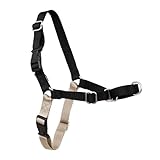
Your equipment matters more than you might think. A front-clip harness gives you better steering control because it redirects your dog's chest when they pull, rather than letting them drag you forward with their full body weight.
Check Price on Amazon →
Double-ended leashes that clip to both the front of the harness and a collar or back clip give you even more control and versatility. You can gently guide your dog's head back toward you when you need their attention.
Now, let's address the elephant—or squirrel—in the room: retractable leashes are your enemy here. They teach dogs that pulling creates more freedom (exactly what we don't want), give you zero control in high-distraction situations, and can cause serious injuries. Save them for after your training is solid, if you use them at all.

Check Price on Amazon →
Route Planning Strategies to Minimize Squirrel Encounters
Smart route planning isn't about avoiding squirrels forever—it's about choosing when and how your dog encounters them while they're learning.
Walk during off-peak squirrel hours. Early morning and late afternoon are squirrel rush hour. If possible, schedule training walks for mid-morning or early afternoon when squirrels are less active.
Map out your neighborhood's squirrel hotspots. That park with the oak trees? Squirrel central. The open street with minimal trees? Much better for early training. Start with low-distraction routes and gradually work up to challenging areas.
Use the "create distance" principle. If you spot a squirrel, increase the distance between your dog and the trigger. Cross the street. Walk behind parked cars. Take a parallel path. The further away the squirrel, the easier it is for your dog to think clearly and respond to you.
The 180-Degree Turn Technique
This simple move is gold. When you spot a squirrel before your dog does, immediately turn 180 degrees and walk briskly in the opposite direction. Use a cheerful voice: "Let's go!" or "This way!"
The key is catching it before your dog locks onto the squirrel. Once they're in that fixed stare, their brain has already flooded with arousal hormones and learning becomes nearly impossible. Your goal is to prevent that moment entirely during the management phase.
Think of management as building a foundation. You're not avoiding squirrels forever—you're creating situations where your dog can succeed while their new skills are still developing.
Step-by-Step Training Protocol: Teaching Calmness Around Squirrels
The secret to fixing squirrel-chasing isn't about stopping your dog from noticing squirrels—it's about changing how they feel when they see one. This training protocol takes time (think weeks or months, not days), but it creates lasting change that works even when you're caught off guard.
Finding Your Dog's Threshold Distance
Your dog's threshold is the magic distance where they notice the squirrel but can still hear you and take treats. Cross that invisible line, and your dog goes into "squirrel mode"—pupils dilated, body stiff, totally deaf to your pleas.
Start your search in a park or area where squirrels are predictable. When you spot a squirrel, stop and observe your dog. Can they take a treat? Will they respond to their name? If yes, you're at or above threshold. If your dog is lunging, whining, or ignoring you completely, you're too close—time to add distance.
Your threshold distance might be 50 feet for one dog and 150 feet for another. There's no "right" number. And here's the kicker: this distance will shrink as your training progresses, but you need to start where your dog can actually learn.
Check Price on Amazon →
The Engage-Disengage Game (Step-by-Step)
This game teaches your dog that squirrels predict good things from you, and that choosing to look away from the squirrel is highly rewarding.
Here's how it works:
- Position yourself at your dog's threshold distance when you spot a squirrel
- Wait for the look – Your dog will notice the squirrel (the "engage")
- Mark the moment they look back at you voluntarily (the "disengage") with "yes!" or a clicker
- Deliver multiple high-value treats – not just one, but 5-10 small pieces in rapid succession
- Repeat as long as the squirrel stays visible
The key is patience during step 3. Don't call your dog's name or make kissy noises. Let them choose to look away from the squirrel on their own. This voluntary choice is what builds the new habit.
If your dog won't disengage naturally after 10-15 seconds, you're too close. Add more distance and try again.
Progressive Distance Reduction Training Plan
Weeks 1-2: Practice engage-disengage at your starting threshold distance. Aim for 5-10 successful repetitions per walk.
Weeks 3-4: Reduce distance by 10-15 feet only if your dog is disengaging quickly and easily (within 2-3 seconds).
Weeks 5-8: Continue reducing distance gradually. Some dogs will progress faster; others need more time. Let your dog's success rate guide you, not the calendar.
The Premack Principle twist: Once your dog is reliably disengaging, use squirrel-watching as a reward. After they look away and collect their treats, say "go look!" and move closer so they can observe the squirrel calmly for 5-10 seconds as their ultimate reward.
Emergency U-turn protocol: When your dog locks onto a squirrel before you notice it, don't pull or correct. Instead, cheerfully say "let's go!" and quickly move in the opposite direction, making yourself more interesting than the squirrel by running, hopping, or talking excitedly. Reward heavily when they catch up to you.
Advanced Techniques: Teaching an Alternative Behavior
Once your dog can maintain some focus around squirrels at a distance, it's time to give them a specific job to do instead of lunging. The secret to overcoming prey drive isn't just saying "no" to the unwanted behavior—it's teaching an incompatible alternative that's equally rewarding.
Teaching the 'Auto-Sit' at Squirrel Sightings
An automatic sit is one of the most effective alternatives to lunging because a dog can't simultaneously sit calmly and pull forward. Start this training in low-distraction environments first.
Begin by practicing sits with regular treats, gradually introducing mild distractions. When your dog reliably sits on cue, start pairing the behavior with distant squirrel sightings. The moment your dog notices a squirrel but before they react, quickly cue "sit" and immediately reward with high-value treats. Over multiple sessions, your dog will start to anticipate: "I see a squirrel = I should sit and look at my human = I get amazing things."
Check Price on Amazon →
The goal is building an automatic response. Some dogs catch on within a week; others need several weeks of consistent practice. Be patient and keep sessions short—5 to 10 minutes is plenty.
As your dog improves, gradually increase duration. Start with rewarding after one second of sitting, then three seconds, then five. Don't rush this. If your dog breaks the sit, you've progressed too quickly. Drop back to an easier level and rebuild from there.
Redirect to Sniffing: The Scatter Feeding Method
Here's a brilliant trick that works with your dog's natural instincts rather than against them: redirecting that intense prey drive into ground sniffing. When you spot a squirrel before your dog does, scatter 10-15 small training treats on the ground and say "find it!" in an excited voice.

Check Price on Amazon →
This technique works because sniffing activates the seeking system in your dog's brain—the same system triggered by chasing prey. You're essentially saying, "Yes, hunt! But hunt for these treats on the ground instead." Most dogs find this incredibly satisfying.
Practice "find it" at home first until your dog enthusiastically searches the ground on cue. Then use it proactively on walks. The moment you see a squirrel in the distance, get those treats scattered before your dog fixates.
The hand target is another useful redirection tool. Teach your dog to touch their nose to your palm on cue by presenting your hand and marking with "yes!" when they investigate it. Practice until they'll target your hand even with mild distractions present. During walks, you can use this to quickly redirect their attention: squirrel appears, you present your hand, dog targets it, you reward and walk in a different direction.
Pattern games create predictability that helps anxious or over-aroused dogs. Try the "1-2-3 pattern": when you see a squirrel, rapid-fire reward your dog for looking at you three times in a row, then immediately turn and walk away. Practice this pattern so consistently that your dog begins to anticipate it, creating a predictable routine that reduces their need to react to the squirrel.
The key with all these techniques is consistency and gradual progression. Start at distances where your dog can think clearly, and slowly work closer over weeks or months.
Troubleshooting Common Setbacks and Challenges
Let's be honest—training rarely goes smoothly from start to finish. You'll have amazing days where your dog walks calmly past three squirrels, then the next morning they're dragging you into the bushes again. This is completely normal, and it doesn't mean you've failed as a trainer.
My Dog Regressed – What Went Wrong?
First, take a deep breath. Regression is part of the learning process, not a sign that all your hard work disappeared overnight. Dogs don't learn in a straight line—they zigzag forward with occasional backslides.
Common triggers for sudden lunging despite previous progress include:
- Environmental changes: A different time of day means more squirrels, or that particular squirrel chittered aggressively
- Your dog's internal state: They might be overtired, hungry, or dealing with mild pain or discomfort
- Your energy: Dogs are incredibly perceptive. If you tense up when you spot a squirrel, anticipating a lunge, you might actually cause one
- Duration between training sessions: Missing a few days of practice can result in rusty skills
When regression happens, simply go back to an easier distance from squirrels. If you were working at 20 feet away, move back to 30-40 feet where your dog can succeed again. There's no shame in taking a step backward—it's actually the fastest way forward.
Handling unexpected squirrel encounters requires quick thinking. If a squirrel darts across your path and your dog explodes at the end of the leash:
- Don't punish or yell—your dog just acted on instinct
- Create distance immediately by turning and walking the other direction
- Once your dog disengages (even slightly), mark and reward that moment
- Take a brief break or end the walk if your dog remains too aroused
- Next session, work at greater distances again
Dealing with High-Arousal Walks
Some days, your dog is already overstimulated before you even see a squirrel. Maybe the neighborhood cat was in your yard, or construction noises have them on edge. On these walks, management trumps training. It's better to practice in a boring parking lot or take a quick potty break than to push through when your dog isn't in a learning state.
Consider using a
Check Price on Amazon →
in quieter areas where you can maintain more control while giving your dog space to decompress.
When to Consider Professional Help
You should reach out to a certified professional trainer or veterinary behaviorist if:
- Your dog's reactions are getting more intense rather than better after 4-6 weeks of consistent training
- You feel unsafe managing your dog's pulling and lunging behavior
- Your dog shows aggressive intent (not just excited prey drive) toward squirrels or other animals
- You're not seeing any improvement in attention or ability to disengage from squirrels
- You're feeling overwhelmed or frustrated to the point where walks are miserable
A professional can observe your timing, assess your dog's specific behavior, and create a customized plan. Sometimes an outside perspective catches details you've been missing. This isn't giving up—it's being smart about getting results.
Remember: progress isn't about perfection. It's about more good moments than bad ones, measured over weeks, not individual walks.
Long-Term Management: Maintaining Progress and Realistic Goals
Here's the truth many dog owners need to hear: your dog's prey drive isn't going away. That instinct to chase small, fast-moving creatures is hardwired into their DNA. But here's the good news—you don't need to eliminate it completely. Your goal is to manage it effectively and teach your dog to make better choices, even when every fiber of their being wants to bolt after that squirrel.
Think of prey drive management like maintaining physical fitness. You can't work out intensely for three months, then stop and expect to stay in shape. The same applies here. Even after your dog shows significant improvement, you'll need to continue practicing your foundation skills regularly. Run through your "look at me" cues, reward check-ins, and practice impulse control exercises even on boring walks where there's not a squirrel in sight.
What 'Success' Really Looks Like
Let's recalibrate your expectations. Success doesn't mean your dog will walk past a squirrel as if it's invisible. That's an unrealistic goal for most dogs, especially those with strong prey drives like terriers, hounds, or herding breeds.
Real success looks like this: your dog notices the squirrel, maybe even stiffens or shows interest, but then voluntarily looks back at you for guidance. They might watch the squirrel with interest but remain at your side with a loose leash. Or they pause for just a second, then redirect their attention when you cue them.
That's a massive win. Celebrate it! You've taught your dog to engage their thinking brain even when their instinctive brain is screaming "CHASE IT!"
Healthy Outlets for Prey Drive
Since you can't eliminate prey drive, give it appropriate outlets. A dog with pent-up chase instinct is much more likely to explode when they see a squirrel. Consider adding these activities to your routine:
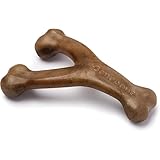
- Flirt poles: These are essentially giant cat toys for dogs, letting them chase and "catch" prey in a controlled setting
- Fetch games: Satisfy the chase-and-retrieve sequence safely
- Lure coursing: Some areas offer this activity where dogs chase a mechanical lure
- Tug games: Engage that prey-grab-shake sequence in appropriate play
Check Price on Amazon →
Beyond physical outlets, mental enrichment significantly reduces your dog's overall arousal levels. A mentally tired dog has better impulse control. Use puzzle feeders, practice scent work games at home, or try new training tricks weekly. These activities tire your dog's brain, making them less reactive to environmental triggers.

Check Price on Amazon →
Remember: Progress isn't linear. Your dog might do brilliantly for two weeks, then regress when they see an especially bold squirrel. That's normal. Don't get discouraged. Return to basics, reward any improvement, and keep your training consistent.
The dogs who make the most long-term progress have owners who accept that management is forever, but who also recognize and celebrate how far they've come. Your once-frantic leash-puller who now pauses and looks at you? That's worth celebrating, even if they're still interested in the squirrel. You've fundamentally changed how your dog thinks—and that's remarkable.
Frequently Asked Questions
How long does it take to train a dog to stop pulling toward squirrels?
Most dogs show noticeable improvement in 4-8 weeks with consistent daily training, but full reliability can take 3-6 months or longer. Progress depends on your dog's breed, age, prey drive intensity, and how consistently you practice. Dogs with very high prey drive may always need some level of management even with excellent training. The key is consistent practice at the right threshold distance rather than rushing the process.
Should I use a prong collar or e-collar to stop my dog from chasing squirrels?
Aversive tools don't address the underlying emotion driving the behavior and can increase frustration or anxiety. Punishment delivered during high arousal can create negative associations with the environment or even with you. Positive reinforcement methods that teach impulse control are more effective and strengthen your relationship. Front-clip harnesses and double-ended leashes provide physical management without causing pain or fear. If you're considering aversive tools, consult with a certified professional dog trainer (CPDT-KA or similar) first.
What treats work best for training around squirrels?
You need 'high-value' rewards that compete with the squirrel's appeal: real meat like chicken, turkey, steak, or cheese. Soft, pea-sized treats work best for rapid reward delivery during training. Some dogs respond to squeeze tubes with peanut butter, cream cheese, or meat paste. The treat must be significantly better than your dog's normal training treats – save the best stuff for squirrel training. Experiment to find what YOUR dog finds most valuable, as individual preferences vary.
My dog is fine with squirrels at a distance but lunges when they run – what do I do?
This is normal – movement triggers a stronger predatory response than a stationary squirrel. You need to specifically train for moving squirrels by starting at greater distances. Practice the engage-disengage game with squirrels that are moving but far away (across a field, for example). Use the emergency U-turn protocol and immediately create distance when unexpected movement happens. Consider training sessions in areas where you can predict squirrel movement patterns (like near trees where they regularly travel).
Can older dogs learn to control their squirrel-chasing impulses?
Yes – dogs of any age can learn new behaviors, though it may take longer if they've been practicing the behavior for years. Older dogs may actually have an advantage because they're typically calmer and less impulsive overall. The same training protocols work regardless of age, though you may need more patience and repetition. Senior dogs with vision or hearing changes might actually be less reactive to squirrels naturally. Physical limitations in older dogs may require special consideration for equipment and management strategies.