Dog Stops and Refuses to Walk Outside: How to Fix It Fast
Introduction: Understanding Why Your Dog Suddenly Refuses to Walk
Picture this: You've clipped on the leash, stepped outside, and made it maybe twenty feet before your dog plants all four paws and refuses to budge. You coax, you plead, maybe you even give a gentle tug—but your pup has transformed into a furry statue. Sound familiar?
If you're dealing with a dog who suddenly stops and refuses to walk, you're not alone. This is one of the most common complaints I hear from frustrated dog owners, and I completely understand the mix of concern and exasperation that comes with it. One day your dog bounces happily down the sidewalk, and the next they're acting like the pavement is made of lava.
Here's what you need to know right away: your dog isn't being stubborn or trying to dominate you. That's outdated thinking that doesn't reflect what we know about canine behavior. When a dog refuses to walk, they're communicating something important—we just need to figure out what that message is.
Why the Cause Matters More Than Quick Fixes
The tricky part? There's no one-size-fits-all solution because dogs stop walking for vastly different reasons. A puppy who freezes on their first walk outside needs a completely different approach than a senior dog with arthritis pain or an anxious rescue who's overwhelmed by traffic noise.
I've seen dogs refuse to walk because:
- They're experiencing physical pain or discomfort
- They're frightened by something in the environment
- They're overwhelmed by new experiences (especially puppies)
- They've had a negative experience in that location
- They're simply not properly leash trained yet
- They have anxiety or stress-related issues
Trying random solutions without understanding the underlying cause is like throwing darts blindfolded. You might get lucky, but you're more likely to waste time, increase your dog's stress, and potentially make the problem worse.
What This Guide Will Do for You
Throughout this article, I'll walk you through the detective work of identifying why your specific dog has hit the brakes. We'll cover everything from medical issues you shouldn't ignore to fear-based responses and training gaps. More importantly, I'll give you proven, positive reinforcement strategies to address each cause.

Check Price on Amazon →
You won't find outdated advice about "showing your dog who's boss" here. Modern training science has given us better tools—methods that build your dog's confidence, strengthen your bond, and actually solve the problem rather than suppressing it through force or intimidation.
Whether you're dealing with a nervous puppy, a stubborn adolescent, or a senior dog with new limitations, there's a solution that will work for both of you. Let's figure out what's really going on and get you both back to enjoying your walks together.
Common Physical Reasons Your Dog Stops Walking
When your dog suddenly plants their paws and refuses to budge, your first instinct might be to assume they're being stubborn. But here's what I've learned after years of working with dogs: physical discomfort is often the real culprit, and it deserves your attention before you consider any behavioral solutions.
Paw Pad Injuries and Sensitivity
Your dog's paw pads are tougher than human skin, but they're not invincible. A small cut, embedded thorn, or even a cracked pad can make every step painful. I've seen dogs stop mid-walk because of something as tiny as a pebble lodged between their toes.
Check your dog's paws thoroughly after each walk. Look between the toes, inspect the pads for cuts or abrasions, and feel for any heat or swelling. If your dog licks their paws obsessively or limps even slightly, you've found your answer. Rock salt in winter and rough terrain can also wear down sensitive pads, especially if your dog isn't accustomed to walking on those surfaces.
Joint Pain, Arthritis, and Mobility Issues
Dogs are masters at hiding pain—it's an evolutionary survival trait. Your seemingly healthy dog might be dealing with joint discomfort that only becomes obvious when they stop walking. This is especially common in senior dogs, large breeds, and dogs with previous injuries.
Watch for subtle signs: difficulty standing up after rest, reluctance to climb stairs, or stopping more frequently on walks than they used to. Arthritis doesn't always show up as dramatic limping. Sometimes it's just a dog who decides that halfway through the usual route is far enough, thank you very much.
If you suspect joint issues, schedule a vet visit before the problem worsens. Your vet might recommend joint supplements, pain management, or modified exercise routines.
Temperature Extremes: Hot Pavement and Cold Weather
I cannot stress this enough: hot pavement can cause second-degree burns on your dog's paws in minutes. If you can't hold your hand comfortably on the pavement for seven seconds, it's too hot for your dog. On 85°F days, asphalt can reach 135°F or higher.
Cold weather presents different challenges. Ice, snow, and chemical de-icers can all cause your dog to stop walking. Some dogs, particularly small breeds and those with thin coats, simply get too cold to continue. Their refusal to walk isn't defiance—it's self-preservation.

Check Price on Amazon →
Underlying Health Conditions and Fatigue
Sometimes a dog stops walking because they're genuinely exhausted or unwell. Heart conditions, respiratory issues, anemia, and infections can all reduce your dog's stamina dramatically. If your previously energetic dog now stops after a short distance, loses interest in walks, or seems lethargic, this warrants immediate veterinary attention.
The bottom line: Before you assume your dog is being difficult, rule out physical causes. A thorough paw inspection, awareness of weather conditions, and attention to subtle signs of discomfort can save your dog unnecessary pain and help you address the real issue quickly.
Fear and Anxiety: Emotional Reasons Dogs Refuse to Walk
Fear is hands-down one of the most common reasons dogs suddenly plant their paws and refuse to budge during walks. Unlike physical discomfort or simple stubbornness, fear-based refusal often comes with telltale body language: tucked tail, lowered body posture, pulled-back ears, and whale eye (when you can see the whites of their eyes). Understanding what's triggering your dog's fear is the first step toward helping them feel safe again.
Fear of Specific Objects or Noises
Dogs can develop intense fears of surprisingly ordinary things. I've worked with dogs terrified of everything from plastic bags blowing in the wind to motorcycles, skateboards, or even people wearing hats. Sometimes these fears seem to appear out of nowhere, but there's usually a trigger—even if we didn't witness it.
Common fear triggers include:
- Loud or sudden noises (thunder, fireworks, construction)
- Moving objects (bicycles, strollers, trash trucks)
- Unfamiliar surfaces (grates, manhole covers, wet pavement)
- Other dogs or certain types of people
If your dog consistently stops at the same spot or reacts to specific stimuli, you're dealing with a targeted fear. The solution isn't forcing them past the scary thing—that only confirms their fear is valid. Instead, practice counter-conditioning by keeping distance from the trigger and pairing its presence with high-value treats.
Check Price on Amazon →
Past Negative Experiences and Trauma
Dogs have excellent memories for bad experiences. One frightening encounter—an aggressive dog, a painful fall, or even being stepped on accidentally—can create lasting associations with walks. This is especially true during sensitive developmental periods in puppies or in rescue dogs with unknown histories.
The tricky part? The traumatic event might have happened on a different walk entirely, but your dog now associates the entire experience of walking with danger. Be patient. Rebuilding confidence takes time, and you may need to start from scratch, even just walking to the mailbox and back.
Generalized Anxiety and Overstimulation
Some dogs aren't afraid of one specific thing—they're overwhelmed by everything. The outside world bombards them with stimuli: smells, sounds, movement, other animals. For anxious dogs, this sensory overload leads to complete shutdown.
Signs of overstimulation include:
- Excessive panting despite cool weather
- Hypervigilance (constant scanning and alertness)
- Inability to focus or take treats
- Trembling or pacing
Check Price on Amazon →
These dogs benefit from quieter walking times (early morning or late evening), shorter routes with less activity, and gradual desensitization to busier environments.
Separation Anxiety and Leaving Home
Interestingly, some dogs refuse to walk not because they're afraid of what's outside, but because they're anxious about leaving home. Dogs with separation anxiety may pull back toward the house or refuse to cross certain boundaries that take them "too far" from their safe space.
This presents differently than other fears—your dog might walk fine for two houses, then suddenly refuse to go farther. They're not scared of the walk itself; they're scared of being away from home base. These cases often require working with a veterinary behaviorist, as true separation anxiety is a serious condition that may benefit from both behavior modification and medication.
Behavioral and Training-Related Causes
Not every walk refusal stems from fear or physical discomfort. Sometimes, we accidentally teach our dogs that stopping works in their favor—and they're quick learners when it comes to what gets them what they want.
Learned Refusal: When Stopping Gets Rewarded
Here's a common scenario: Your dog plants herself on the sidewalk. You coax, plead, and eventually pick her up or turn around to head home. Congratulations—you've just taught her that refusing to walk is an effective strategy.
Dogs repeat behaviors that work. If stopping the walk means avoiding something unpleasant (like passing a scary house) or gaining something pleasant (returning home to breakfast), that behavior gets reinforced. I've worked with countless dogs who've trained their owners beautifully without anyone realizing it.
The key difference between stubbornness and legitimate concern? A truly stubborn dog shows relaxed body language—ears forward, tail neutral, maybe even a bit of side-eye. A concerned dog displays stress signals: ears back, tail tucked, whale eye, panting, or trembling. Learn to read these signals before assuming your dog is just being difficult.
Equipment Issues: Collar, Harness, and Leash Problems
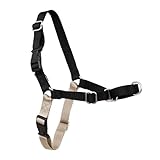
Sometimes the problem isn't the walk itself—it's what your dog is wearing. I've seen dogs freeze completely because:
- A collar is too tight or positioned uncomfortably
- A
Check Price on Amazon →
wasn’t introduced gradually and feels restrictive
– Previous leash corrections created negative associations
– Retractable leashes that suddenly lock cause startling jerks
Watch how your dog reacts when you bring out the equipment. If she backs away or ducks her head, you've found your culprit. Try switching to a different style of harness or a softer collar, and always introduce new equipment gradually with positive associations.
Insufficient Socialization and Confidence Building
Puppies have a critical socialization window between roughly 3-14 weeks. Dogs who missed positive experiences during this period often struggle with confidence outdoors. They simply didn't learn that the world is safe and navigable.

Check Price on Amazon →
But here's the good news: it's never too late to build confidence, though it takes more patience with adult dogs. These dogs need systematic desensitization—very gradual exposure to outdoor stimuli paired with rewards. Think of it as social skills education they missed in "kindergarten."
Start absurdly small. If your dog won't leave the porch, reward her for stepping onto the porch. Tomorrow, one step beyond. Use high-value
Check Price on Amazon →
and proceed at her pace, not yours.
Directional Preferences and Control Battles
Some dogs develop strong opinions about where walks should go. They'll march enthusiastically toward the park but become concrete statues if you try heading the opposite direction.
This often develops when we always take the same route. Your dog anticipates the "good" direction and protests detours. The solution? Vary your routes from day one, and make every direction potentially rewarding.
If your dog stops when you turn left instead of right, don't engage in a tug-of-war. Stand calmly, wait for any weight shift toward your direction, then mark and reward that tiny try. You're teaching that cooperation—not demanding a specific route—makes good things happen.
Immediate Steps to Take When Your Dog Refuses to Walk
When your dog suddenly plants their feet and refuses to budge, your first instinct might be panic or frustration. But this moment calls for calm observation, not force. What you do in the next few minutes can either help resolve the issue or make it worse.
The Physical Check: Examining Paws, Legs, and Body
Before assuming your dog is being stubborn, always rule out physical discomfort first. Dogs can't tell us when something hurts, so refusal to walk is often their only way to communicate pain.
Start with the paws. Gently lift each one and check between the toe pads for:
- Thorns, glass, or small rocks
- Cuts, abrasions, or swelling
- Ice balls in winter or hot pavement burns in summer
- Overgrown nails digging into the paw pad
Next, run your hands slowly down each leg, watching for flinching or pulling away. Check your dog's body for limping, tense muscles, or sensitivity when touched. Even young, seemingly healthy dogs can experience sudden joint pain, muscle strains, or stomach discomfort.
If you find an injury or your dog shows pain responses, stop the walk immediately and contact your veterinarian.
Environmental Scan: Identifying Triggers
If your dog appears physically sound, look around. Dogs have far superior senses to ours—they may be reacting to something you can't detect.
Common environmental triggers include:
- Loud construction noise or sirens in the distance
- Other dogs barking aggressively behind fences
- Strong chemical smells from lawn treatments
- Unusual objects like holiday decorations or construction equipment
- Previous negative experiences at this specific location
Watch your dog's body language. Are their ears back? Tail tucked? Are they staring intently at something? This detective work reveals whether you're dealing with fear, anxiety, or a legitimate threat.
What Never Works: Avoiding Common Mistakes
Here's the hard truth: dragging, pulling, or forcing a resistant dog will only make the problem worse. This approach erodes trust, increases fear, and can cause physical injury.
Also avoid:
- Yelling or showing frustration (dogs read your stress and become more anxious)
- Bribing with excessive treats (you'll create a pattern where refusing = jackpot)
- Using punishment-based training tools in this moment
- Waiting it out indefinitely without addressing the cause
These reactions are completely understandable but counterproductive. Your dog isn't being defiant—they're either in pain, frightened, or confused.
Getting Your Dog Home Safely
If you're stuck mid-walk, you need to get home without traumatizing your dog. Try these approaches:
For small dogs: Simply pick them up and carry them home, then investigate the cause once you're safe indoors.
For larger dogs: Turn around and head back the way you came. Many dogs refuse to go forward but will walk backward toward home. If your dog won't move in any direction, sit down calmly nearby and wait a few minutes—sometimes they just need to decompress. You can also try walking in a completely different direction or crossing the street to change the environment.
Check Price on Amazon →
Remember: This is about problem-solving, not winning a battle. Getting home safely is your immediate goal; understanding and fixing the underlying cause is your long-term mission.
Proven Solutions and Training Techniques
When your dog refuses to walk, you need practical strategies that address the root cause while rebuilding their confidence. These proven techniques work because they meet dogs where they are emotionally and progress at their pace—not ours.
High-Value Treats and Motivation Techniques
Not all treats are created equal, especially when you're dealing with a fearful or stubborn dog. Standard kibble won't cut it here. You need the canine equivalent of a standing ovation—think small pieces of cheese, deli turkey, freeze-dried liver, or hot dog slices.
Check Price on Amazon →
The key is creating a "treat trail" that makes forward movement irresistible. Start indoors where your dog feels safe. Drop treats every few steps, letting them follow the trail naturally. Gradually move this game to the doorway, then just outside, then a few feet down the path. You're not bribing—you're creating positive associations with the environment that previously triggered refusal.
The 'Touch and Go' Method for Fearful Dogs
This gentle approach works wonders for anxious dogs. Instead of forcing a full walk, you're teaching your dog that going outside is low-pressure and always ends positively.
Here's how it works: Put on the leash, walk to the door or just outside, immediately reward with enthusiastic praise and treats, then go right back inside. That's it. Do this 3-5 times daily for several days. Your dog learns that outside doesn't mean scary commitments—it means good things happen and they get to return to safety.
Gradually extend the time outside by just seconds, then minutes. If your dog shows stress, you've moved too fast. Back up a step.
Desensitization Protocols for Specific Triggers
If your dog freezes at specific things—like garbage trucks, other dogs, or certain streets—you need systematic desensitization. This means exposing them to the trigger at a distance or intensity where they notice it but don't react fearfully.
Spot a trigger from 50 feet away? Immediately feed treats continuously while the trigger is visible. When it disappears, treats stop. You're teaching your dog that scary thing = treat party. Over weeks, gradually decrease distance as your dog's comfort increases.
Building Confidence Through Short, Successful Walks
Ditch the idea that walks must be 30-minute marathons. When rebuilding confidence, a successful 2-minute walk beats a stressful 20-minute ordeal every single time.
Plan routes where you can turn back at any moment. Celebrate every small win—walking past three houses, making it to the corner, tolerating one passing car. End every walk on a positive note, even if that means turning around after 30 seconds. Success builds success.

Check Price on Amazon →
Using Play and Engagement to Overcome Resistance
Sometimes you need to change the entire dynamic of "going outside." Instead of focusing on walking, make it about play and exploration. Bring a favorite toy outside. Play tug for 30 seconds on the driveway. Let your dog sniff extensively—it's mentally enriching and confidence-building.
The moment walking feels less like an obligation and more like an adventure, resistance often melts away. Be patient, stay positive, and remember: you're not just fixing a behavior problem—you're rebuilding your dog's trust in the outside world.
Addressing Specific Scenarios and Special Cases
Not all walking refusals are created equal. Your puppy's hesitation looks completely different from your senior dog's reluctance, and what works for one won't necessarily work for the other. Let's break down these special situations so you can tailor your approach.
Puppy-Specific Solutions and Socialization
Puppies refusing to walk outside are usually experiencing sensory overload, not stubbornness. That garbage truck sounds like a monster, and the flapping plastic bag might as well be a predator. This is completely normal.
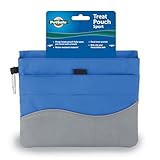
Start with ultra-short "walks"—even just to the end of your driveway counts as success. Let your puppy explore at their own pace, sniffing everything in sight. This isn't wasting time; it's critical socialization. Pair scary experiences with high-value treats immediately. Motorcycle drives by? Treat. Dog barks across the street? Treat.
Check Price on Amazon →
The crucial window for puppy socialization is 8-16 weeks, so make every outing count. If your puppy plants their feet, sit down with them and let them observe the world. Sometimes they just need a moment to process. Never drag a frightened puppy—you'll create a lasting negative association with walks.
Senior Dog Considerations and Accommodations
When your previously enthusiastic walker suddenly refuses, pain is often the culprit. Arthritis, hip dysplasia, and general aging can make walks uncomfortable or even painful. Watch for subtle signs: reluctance to go up stairs, slower pace, or stopping frequently to rest.
Adjust your expectations dramatically. Your senior dog might only handle a 10-minute walk now instead of their previous 45-minute adventures. That's okay. Multiple short walks often work better than one long one. Consider changing your route to avoid stairs or steep inclines.
Pay attention to weather more carefully with seniors. Older dogs struggle with temperature regulation, so hot pavement or icy conditions might be dealbreakers. Morning and evening walks work best in summer.
Rescue Dogs: Building Trust and Confidence
Rescue dogs carry invisible baggage. Your newly adopted dog might have never worn a leash, been confined to a kennel, or experienced trauma outdoors. Walk refusal is their way of saying "I'm overwhelmed."
Give them a decompression period—usually 3-5 days of low-pressure existence in your home. When you do start walks, keep them boring initially. Same route, same time, minimal stimulation. Predictability builds confidence.
Check Price on Amazon →
Let your rescue dog set the pace entirely. Some need weeks before they'll walk a full block. Celebrate tiny victories: taking three steps outside, tolerating the leash for 30 seconds, sniffing a new tree. These are massive achievements for a traumatized dog.
When Medical Intervention Is Necessary
Sometimes training isn't the answer—veterinary care is. Schedule an immediate vet visit if your dog:
- Suddenly refuses walks after being a willing walker
- Shows signs of pain (limping, whining, unusual posture)
- Has accompanying symptoms (lethargy, appetite loss, behavioral changes)
- Is older and showing decline
Conditions like intervertebral disc disease, Lyme disease, or paw pad injuries can cause sudden walk refusal. Some dogs also develop severe anxiety disorders requiring medication alongside behavior modification. There's no shame in pharmaceutical help when needed—you're not "drugging" your dog, you're treating a medical condition.
Your veterinarian might recommend a veterinary behaviorist for complex cases. These specialists combine medical knowledge with advanced behavior expertise, particularly valuable for rescue dogs with unknown histories or severe anxiety cases.
Prevention and Long-Term Success Strategies
The best way to handle a dog who refuses to walk is to prevent the problem from developing in the first place. Even if you're currently working through walking challenges, these strategies will help ensure lasting success and prevent future setbacks.
Establishing a Positive Walking Routine
Start every walk with the right mindset: walking should be enjoyable for both of you. Create a consistent pre-walk ritual that signals good things ahead—grab your keys, put on your shoes, and use a cheerful "want to go for a walk?" in the same order each time. This predictability builds confidence.
Keep early walks short and sweet. A successful 5-minute walk beats a stressful 20-minute ordeal every time. Gradually extend duration as your dog's confidence grows. Pay attention to your dog's body language and end on a positive note before they become overwhelmed or tired.
Check Price on Amazon →
Make walks rewarding by incorporating what your dog loves most. Some dogs work for treats, others prefer praise, sniffing opportunities, or a quick game with a favorite toy. Mix up your routes to keep things interesting while maintaining some familiar, comfortable paths in your rotation.
Ongoing Socialization and Exposure
Socialization isn't just for puppies—it's a lifelong process. Regularly expose your dog to different environments, surfaces, and situations in a controlled, positive way. This builds resilience and adaptability, making them less likely to shut down when encountering something new.
Practice "approach and retreat" exercises with novel stimuli. Let your dog approach something new at their own pace, reward them for brave behavior, then move away before they become stressed. This teaches them they can handle new experiences and that you'll respect their comfort levels.
Monitoring for Early Warning Signs
Catching problems early prevents them from becoming ingrained habits. Watch for subtle signs that your dog is becoming uncomfortable with walks:
- Increased sniffing or marking (stress behavior)
- Yawning, lip licking, or whale eye
- Pulling toward home
- Slowing down in specific locations
- Reluctance to leave the house
Address these warning signs immediately by reducing walk intensity, increasing rewards, or temporarily avoiding triggers while you rebuild confidence.
Schedule annual veterinary checkups to catch physical issues like arthritis, vision problems, or paw pad injuries before they make walking painful. Senior dogs especially need more frequent monitoring—what worked last year may need adjustment as they age.
Working with Professional Trainers
Don't wait until the problem becomes severe to seek help. Consider consulting a certified professional dog trainer (CPDT-KA) or veterinary behaviorist if:
- Your dog's refusal persists despite consistent positive training
- The behavior is rapidly worsening
- Your dog shows signs of severe anxiety or fear
- You feel frustrated or overwhelmed
Professional trainers can identify subtle issues you might miss and create customized plans for your specific situation. A veterinary behaviorist can rule out medical causes and may prescribe anti-anxiety medication if needed for severe cases.
Remember: asking for help isn't admitting failure—it's being a responsible dog owner who prioritizes their pet's wellbeing. The investment in professional guidance often saves months of frustration and helps you build a stronger bond with your dog.
Frequently Asked Questions
Why does my dog suddenly stop walking and refuse to move?
Sudden refusal can indicate pain, fear of something in the environment, or a past negative experience. Check for physical issues first – paw injuries, hot pavement, or signs of discomfort. Fear triggers might include loud noises, unfamiliar objects, or specific locations associated with trauma. Sometimes dogs are simply overstimulated or overwhelmed by their surroundings.
Should I pick up my dog when they refuse to walk?
Picking up your dog can sometimes reinforce the refusing behavior, teaching them that stopping gets them carried. However, if there's genuine danger (aggressive dog approaching, hot pavement, etc.), carrying them to safety is appropriate. For small dogs, occasional carrying is acceptable, but work on building confidence through training. Better approach: use high-value treats to lure them forward, or simply wait patiently without forcing.
How do I know if my dog's refusal to walk is due to pain?
Watch for limping, favoring one leg, reluctance to put weight on paws, or sensitivity when touched. Check paw pads for cuts, thorns, burns, or ice buildup between toes. Look for other pain signals: panting excessively, tucked tail, hunched posture, or reluctance to move at all. If refusal is sudden and accompanied by any pain indicators, consult your veterinarian immediately. Older dogs may have arthritis that makes walking uncomfortable, especially in cold weather.
My puppy refuses to walk on a leash – is this normal?
Yes, this is extremely common and usually temporary with proper training. Puppies need time to adjust to wearing a collar/harness and feeling leash pressure. Start leash training indoors in a familiar, low-stress environment. Use high-value treats, praise, and patience – never drag or force a puppy. Make walks fun and keep them very short initially, gradually building duration and distance. Most puppies overcome leash refusal within 2-4 weeks with consistent positive training.
What if my dog only refuses to walk in certain directions or locations?
This usually indicates fear or negative association with that specific area. Something frightening may have happened there – a loud noise, aggressive dog, or scary person. Dogs have excellent spatial memory and will avoid places where they felt threatened. Solution: temporarily choose different routes while working on desensitization. Gradually reintroduce the problem area from a distance, pairing it with treats and positive experiences. Never force them toward the feared location – this will worsen the problem.