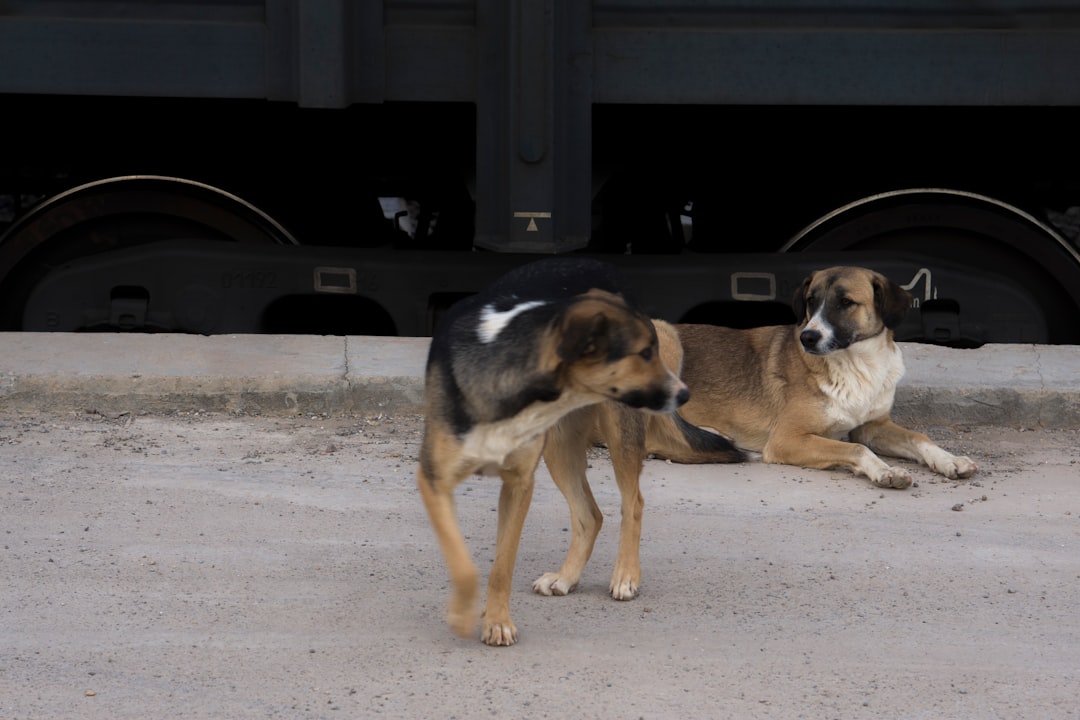
Dog Scared of Children? How to Train & Build Confidence
Introduction: Understanding Why Your Dog Is Scared of Children
You're at the park when a child runs toward your dog with outstretched arms, and your stomach drops. Your usually friendly dog backs away, tail tucked, or worse—lets out a warning growl. That sinking feeling? You're not alone. Fear of children is one of the most common behavioral challenges dog owners face, and it's incredibly stressful for everyone involved.
Here's the good news: a dog's fear of children is a trainable behavior, not a life sentence. Whether your dog had a negative experience with a child, missed crucial socialization during their critical developmental period, or simply finds children's unpredictable movements and high-pitched voices overwhelming, you can help them feel safer and more confident.
Why Children Trigger Fear in Dogs
From a dog's perspective, children are genuinely confusing creatures. They move erratically, make sudden loud noises, invade personal space without warning, and often approach head-on with direct eye contact—all behaviors that dogs find threatening. A toddler's unsteady gait can resemble prey behavior, while a screaming child may sound like a distress signal. Even well-socialized dogs can find children challenging.
Many fearful reactions stem from:
- Lack of early exposure during the critical 3-12 week socialization window
- A single frightening incident (a child accidentally stepping on a paw or pulling a tail)
- Ongoing stress from living with unpredictable or rough children
- Genetic predisposition to anxiety or sound sensitivity
Why This Issue Demands Your Attention
Ignoring your dog's fear isn't an option. A scared dog is a bite risk, plain and simple. The majority of dog bites happen to children, often from the family dog in seemingly calm situations. Beyond safety, consider your dog's quality of life—constant anxiety around children means stress during walks, at the vet, and anywhere families gather.
The stakes are real, but so is the solution.
What This Guide Will Teach You
This isn't about forcing your dog to "just deal with it" or hoping they'll magically improve with exposure. We'll walk through a proven, compassionate training protocol based on positive reinforcement and desensitization science.
You'll learn how to:
- Accurately assess your dog's fear level and triggers
- Create immediate safety through smart management strategies
- Implement systematic desensitization and counterconditioning protocols
- Use
Check Price on Amazon →
and reward-based training to change your dog’s emotional response
– Recognize when professional help is needed
– Develop long-term strategies for maintaining progress
Whether you have children at home, planning to expand your family, or simply want your dog to navigate the world confidently, this guide provides the roadmap. Your dog's fear didn't develop overnight, and realistic training takes time—but with consistency and the right approach, you can help your dog move from terrified to tolerant, and potentially even friendly.
Let's start by understanding exactly what your dog is experiencing.
Why Dogs Develop Fear of Children: Common Causes and Triggers
Understanding why your dog fears children is the first step toward helping them feel safe and confident. Dogs don't develop these fears randomly—there are specific, identifiable reasons that explain this common behavior issue.
The Critical Socialization Window
The 3-14 week period is when puppies are neurologically primed to accept new experiences as normal and safe. During this narrow window, positive exposure to children of different ages, sizes, and activity levels literally shapes your dog's brain development.
When puppies miss these experiences—perhaps they came from a rural breeder with no children nearby, or were adopted after this window closed—children can seem like unpredictable, alien creatures. It's not that your dog dislikes children specifically; they simply never learned that small humans are a normal part of life.
Even well-socialized dogs can develop fears if their early experiences with children were limited. Meeting one calm 10-year-old isn't the same as encountering energetic toddlers who move differently, sound different, and interact in completely unexpected ways.
Common Triggers That Spark Fear
Children behave fundamentally differently than adults, and from a dog's perspective, these differences can be threatening:
- Unpredictable movements: Running, jumping, spinning, and sudden direction changes trigger prey-drive responses or startle reactions
- High-pitched vocalizations: Squealing and shrieking sound like distress signals to dogs, creating anxiety
- Direct approaches: Children often run straight at dogs, lean over them, or reach for their faces—all threatening behaviors in canine communication
- Erratic energy: The constant motion and excitement creates sensory overload, especially for sensitive dogs
Resource guarding adds another layer of complexity. When children approach dogs near food bowls, favorite toys, or resting spots, even friendly dogs may feel compelled to protect their resources. A child who doesn't recognize warning signals might push past a dog's tolerance threshold.
Check Price on Amazon →
Understanding Your Dog's Body Language and Fear Signals
Learning to read your dog's stress signals prevents situations from escalating. Watch for:
- Whale eye (showing the whites of their eyes)
- Lip licking, yawning, or panting when not hot or tired
- Body freezing or tension
- Backing away, hiding, or seeking escape routes
- Low tail carriage or tail tucked completely
These subtle signals appear long before growling or snapping. When you spot them, your dog is saying "I'm uncomfortable"—listen to this communication.
Trauma vs. Under-Socialization: Key Differences
Under-socialized dogs show generalized uncertainty around children. They're nervous but curious, displaying avoidance rather than aggression. With gradual, positive experiences, they typically improve steadily.
Traumatized dogs show intense, specific fear reactions—perhaps only toward certain ages, genders, or situations that mirror their negative experience. Their fear may include panic responses like urinating, extreme hiding, or defensive aggression. These dogs need more time, patience, and often professional support.
Some dogs also have genetic predispositions toward wariness. Herding breeds may be triggered by children's quick movements, while guardian breeds might be naturally suspicious of unfamiliar young humans. Understanding your dog's breed tendencies helps set realistic expectations for their training journey.
Safety First: Immediate Management Strategies Before Training Begins
Before you even think about training exercises, let's talk about keeping everyone safe—your dog, the children in your life, and yourself. Management isn't a failure; it's the foundation that makes successful training possible.
Never Force the Interaction
This is non-negotiable: never push your fearful dog toward children or allow kids to corner them. Forced interactions don't help dogs "get over it"—they actually make fear worse and can trigger defensive aggression. Your dog needs to feel they have control over their personal space. Think of it this way: if you were terrified of spiders, would being locked in a room with them help, or would it traumatize you further?
Setting Up Management Zones in Your Home
Create clear physical boundaries using
Check Price on Amazon →
to divide your home into dog-safe zones and child zones. Your dog should have at least one room where children never enter—this is their sanctuary. Within shared spaces, ensure your dog always has an escape route. Never let furniture arrangements or children’s play areas block your dog’s path to their safe space.
Essential management tools include:
- A comfortable crate or quiet room with the door open, never used as punishment
- Multiple baby gates creating buffer zones
- Visual barriers like furniture or screens that prevent direct line-of-sight stress
Establishing Household Rules for Children
Children need clear, simple rules they can actually follow:
- "We never touch the dog unless an adult says it's okay"
- "If the dog walks away, we don't follow"
- "Quiet voices and slow movements around the dog"
- "Never disturb the dog while eating, sleeping, or in their crate"
Write these rules down. Post them on the refrigerator. Repeat them consistently.
Red Flag Behaviors That Require Professional Help
Some situations need immediate expert intervention. Contact a certified veterinary behaviorist or certified professional dog trainer (CPDT-KA or CAAB credentials) if your dog shows:
- Hard stares or freezing when seeing children
- Lunging, snapping, or attempted bites
- Intense hiding that lasts hours
- Panic behaviors like loss of bowel control
- Stress signals that don't decrease over several weeks
Muzzle Training: When and How
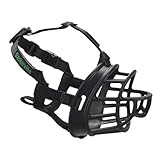
A properly fitted basket
Check Price on Amazon →
isn’t cruel—it’s safety insurance during training or unavoidable encounters. But here’s the catch: muzzles require conditioning first. Never slap a muzzle on a fearful dog without preparation.
Quick muzzle conditioning steps:
- Let your dog sniff it and reward with treats
- Hold it up, reward for interest
- Feed treats through the opening
- Practice brief wearing sessions (seconds at first) with constant treats
- Gradually increase duration over several days
A muzzle should never be your only safety strategy, but it can provide peace of mind during controlled training sessions.
Emergency Protocols for Unexpected Child Visits
Despite your best planning, surprise visits happen. Your emergency protocol should be:
- Immediately move your dog to their safe zone
- Provide a stuffed Kong or calming activity
- Brief visitors that the dog is off-limits during this visit
- Never feel guilty about prioritizing safety over socializing
Remember: management isn't giving up on your dog. It's preventing rehearsal of fearful or aggressive behaviors while you work on actual training. Every prevented scary encounter is one less incident your dog has to recover from.
Building a Foundation: Prerequisite Skills Your Dog Needs
Before you can help your dog overcome their fear of children, you need to establish some fundamental training skills. Think of these as your toolkit—without them, you're essentially trying to build a house without a hammer or nails. These prerequisite behaviors give you ways to communicate with your dog, redirect their attention during stressful moments, and create positive emotional responses even when they're feeling anxious.
The Power of the 'Look at Me' Cue
The "look at me" command is absolutely essential when working with a fearful dog. This simple cue teaches your dog to make eye contact with you on command, which interrupts their fixation on whatever's scaring them—in this case, children.
Start in a quiet room with zero distractions. Hold a treat near your dog's nose, then move it up to your eyes. The moment they make eye contact, mark it with "yes!" or a click from your

Check Price on Amazon →
, then reward. Practice this until your dog automatically looks at you when you say the cue word.
Why does this matter? When you're out walking and spot a child on a scooter heading your way, you can use "look at me" to get your dog's attention before they become reactive. You're giving them an alternative behavior that's incompatible with fear-staring or barking.
Other Foundation Skills You'll Need:
-
Impulse control exercises: Commands like "wait," "stay," and "leave it" teach your dog that good things happen when they control themselves. Practice having them wait before going through doors, stay while you count to ten, and leave treats on the floor until given permission. This self-control transfers to emotional situations.
-
A rock-solid recall: Your emergency brake. If a toddler suddenly runs toward your dog, you need to be able to call them back to you immediately. Practice recall with a

Check Price on Amazon →
in various environments, always making it the most rewarding game ever.
-
Touch or targeting: Teaching your dog to touch their nose to your hand (or a target stick) gives you a fantastic redirection tool. It's physically impossible to nose-bump your hand while simultaneously fixating on a scary child.

Benebone Real Flavor Wishbone Dog Chew Toy
Check Price on Amazon → -
Marker word mastery: Whether you use "yes," a clicker, or another sound, your dog needs to understand that this marker predicts something wonderful. This precision timing becomes crucial when counter-conditioning around children.
Teaching Your Dog to Love Their Safe Space
A "go to mat" or "settle" behavior gives your dog a portable safe zone. Choose a specific mat or

Check Price on Amazon →
that becomes their designated relaxation spot. Reward them heavily for going to it, lying down, and staying calm.
Practice this everywhere—in your living room, kitchen, even outside. The goal is that when children visit your home, you can send your dog to their mat where they know they're safe and won't be bothered. This isn't about isolation; it's about giving them a predictable sanctuary.
These foundation skills aren't just busy work—they're the scaffolding that makes successful counter-conditioning possible. Without them, you're asking your fearful dog to face their triggers without any coping mechanisms or clear communication from you. Invest 2-3 weeks solidifying these basics before introducing child-focused training, and you'll see dramatically better results.
The Desensitization and Counter-Conditioning Protocol: Step-by-Step Training Plan
Think of desensitization and counter-conditioning as two sides of the same coin—you need both to help your dog overcome their fear of children. Desensitization gradually exposes your dog to the scary thing (children) at levels they can handle without reacting. Counter-conditioning changes how they feel about children by pairing the presence of kids with something wonderful, usually high-value treats.
The magic happens when you combine them: your dog sees a child, stays calm, and gets something amazing. Over time, children become a predictor of good things rather than a source of stress.
Finding Your Dog's Threshold Distance
Before you start, you need to identify your dog's threshold—the distance at which they notice children but remain calm. For some dogs, this might be 50 feet. For others, it's across a parking lot. Watch for early stress signals: ears back, lip licking, or stiffening. If your dog shows these signs, you're too close.
Check Price on Amazon →
Stage 1: Distance Work and Visual Exposure
Start with the easiest exposures first:
- Sounds: Play recordings of children's laughter or playground sounds at very low volume while your dog enjoys a meal or a stuffed Kong.
- Videos: Show brief clips of children playing on your phone or tablet while feeding high-value treats continuously.
- Real life at distance: Position yourself far from playgrounds or school pick-up zones where your dog can observe children from their safe distance.
During every session, feed treats constantly while children are visible. When children disappear, treats stop. This creates the association: children = treat party.
The "Look at That" (LAT) game is your best friend here. When your dog notices a child in the distance, mark it ("Yes!") and treat immediately. You're rewarding them for calmly observing rather than reacting. Many dogs start offering this behavior voluntarily—glancing at kids and whipping their heads back to you expectantly.
Stage 2: Controlled Exposure with Calm Children
Once your dog is comfortable at distance, recruit a helper child who can follow instructions and stay calm. Older kids (10+) often work better initially. Have the child stand still while you maintain threshold distance. Reward heavily for calm behavior.
Stage 3: Gradual Proximity Decrease
This is where patience pays off. Decrease distance by just a few feet per session—not per day, per session. If your dog shows stress, you've moved too fast. Go back to the previous distance where they were successful.
Stage 4: Brief, Supervised Interactions
Only after weeks of successful work should you attempt close interactions. Start with the child tossing treats to your dog without reaching toward them. Graduate to allowing your dog to approach on their own terms, never forcing interaction.
Common Mistakes That Slow Progress
- Moving too quickly: This is the #1 problem. If your dog reacts, you've exceeded their threshold.
- Inconsistent practice: Training twice a month won't cut it. Aim for short, daily sessions.
- Using low-value treats: Save the good stuff—real chicken, cheese, or hot dogs—for training.
- Allowing unwanted interactions: Well-meaning children who rush up set your progress back weeks.
Timeline reality check: Most dogs need 2-4 months of consistent work to show significant improvement. Severe cases may take 6-12 months. This isn't a weekend project, but the investment creates lasting change.
Working with Real Children: Practical Training Scenarios
Once your dog shows comfort with child-related stimuli from a distance, it's time to work with actual children. This stage requires patience, careful coordination, and the right helpers to ensure success for everyone involved.
Start by recruiting families who understand your training goals. You need cooperative parents and calm children who can follow instructions. Neighbors, friends with kids, or even posting in local parenting groups can help you find willing participants. Be upfront about your dog's fear and what you're trying to accomplish.
Teaching Children to Be 'Tree' or 'Statue'
The first skill children need to learn is how to be boring and non-threatening. Teach them the "tree" or "statue" game:
- Stand still with arms at sides or crossed over chest
- Look away from the dog (no direct eye contact)
- Stay quiet and calm
- Let the dog approach if interested, but don't reach out
This removes the unpredictable elements that frighten dogs—sudden movements, loud voices, and grabbing hands. Make it fun for kids by timing how long they can hold perfectly still or praising their "best statue impression."
Age matters significantly. Toddlers under 3-4 are nearly impossible to coach and move unpredictably, so save them for much later. School-age children (5-12) often excel at following rules when properly motivated. Teenagers can be your best helpers—they understand consequences and can remain genuinely calm.
The Treat Toss Method
This technique lets children actively participate while maintaining safe distance:
- Position your child helper 10-15 feet away from your dog
- Have them gently toss high-value

Check Price on Amazon →
toward your dog (not at your dog)
3. The child should toss, then look away—no staring
4. Gradually decrease distance over multiple sessions as your dog relaxes
The dog learns: children = good things appear. Start with stationary children before introducing any movement. A kid sitting on a bench reading is far less threatening than one running around.
Supervised Interactions: What Success Looks Like
As your dog progresses, try parallel walking exercises. You and your dog walk on one side of the street while a child and parent walk on the other. Keep a
Check Price on Amazon →
for safety and control. Gradually decrease the distance between paths over weeks.
When you're ready for closer interactions, follow this structured protocol:
- Child stands in "statue" position
- Approach only as close as your dog tolerates (watch those body language signals!)
- Child tosses a treat to the side
- Walk away before your dog shows stress
- End on a positive note—always quit while you're ahead
Manage different child behaviors strategically. Start with quiet, calm children before introducing louder or more active ones. A boisterous 7-year-old is a different challenge than a mellow teenager.
Practice real-world scenarios gradually: children on bikes (stationary first), kids playing in parks (from outside the fence), children eating snacks (the ultimate distraction). Each scenario needs its own desensitization process.
Remember, success looks like your dog choosing to engage or calmly ignoring children—not just tolerating them with tense body language. If your dog can walk past a playground without trembling, glance at a child and look back to you for a treat, or voluntarily sniff near a stationary kid, you're making genuine progress.
Advanced Techniques and Troubleshooting Common Setbacks
Even with careful training, you'll likely hit bumps in the road. Your dog might suddenly bark at a child they previously tolerated, or freeze when a toddler toddles past. This doesn't mean you've failed—it means you're dealing with a living, feeling animal whose anxiety doesn't follow a straight line.
When Progress Stalls: Troubleshooting Guide
Regression is normal, not failure. Dogs often take two steps forward and one step back, especially when dealing with deep-seated fears. If your dog suddenly seems more reactive, ask yourself: Have kids been on school break, creating more exposure than usual? Did a child accidentally startle your dog? Is your dog dealing with other stressors like a house move or new pet?
When setbacks happen, return to the last successful training level. If your dog was comfortable with children at 15 feet but now reacts at 20 feet, go back to 25 feet and rebuild gradually. There's no shame in backtracking—it's smart training.
Specific triggers require targeted approaches:
- Screaming and loud voices: Start with recordings at very low volume during positive activities (meals, play). Gradually increase volume over weeks, not days.
- Running children: Begin with videos of children moving, then progress to distant observations at playgrounds. Practice the "watch me" cue to redirect attention.
- Sudden movements: Work on general confidence-building through novel object exercises—teaching your dog that unexpected things aren't threats.
Relaxation protocols are game-changers for anxious dogs. Dr. Karen Overall's Relaxation Protocol teaches dogs to settle calmly despite distractions. Practice having your dog lie on a
Check Price on Amazon →
during short, structured sessions where you move around, make noise, and create mild distractions while rewarding calm behavior.
Consider professional guidance about supplements or medication if your dog's fear significantly impacts quality of life. Calming supplements like L-theanine or CBD (where legal) help some dogs, while severe cases may benefit from veterinary prescribed anti-anxiety medication. These aren't "giving up"—they're tools that can make training actually possible.
Environmental Generalization: Training in New Locations
Dogs don't automatically transfer learning from one place to another. Your dog might tolerate neighbor kids in your yard but panic at the same children in the park.
Start environment transitions strategically. Once your dog succeeds consistently at home, practice in your driveway, then quiet streets, then busier areas. Each new location requires temporarily increasing distance from children and rebuilding confidence.
Build general confidence through varied positive experiences—trick training, scent work, swimming, or hiking. A confident dog handles surprises better than an anxious one.
Managing unhelpful humans is crucial. Prepare phrases like "We're training—please give us space" or "He's nervous, so we can't say hi right now." A

Check Price on Amazon →
can signal to others your dog needs space, though you’ll still need to advocate firmly.
Recognize the difference between plateaus and problems. A plateau means no progress for 3-4 weeks despite consistent training—time to adjust your approach. An actual problem involves worsening behavior or signs of severe stress (loss of appetite, excessive panting, inability to settle). These warrant immediate consultation with a veterinary behaviorist.
Long-Term Success: Maintaining Progress and Realistic Expectations
Here's something many dog owners struggle to accept: your dog doesn't need to love children to live peacefully alongside them. Some dogs, especially those with negative early experiences or specific temperaments, will never seek out interactions with kids—and that's perfectly fine. The real goal is calm coexistence and predictable, safe behavior.
Success Stories: What Realistic Outcomes Look Like
Realistic success for a child-fearful dog might look like this: your dog can remain calm on leash when a child walks by at a reasonable distance, retreat to their
Check Price on Amazon →
when neighborhood kids are playing outside, or tolerate brief, supervised interactions with older children who understand dog body language.
What it probably won't look like: your dog enthusiastically greeting every child, allowing toddlers to climb on them, or seeking out children for affection. Adjust your expectations based on your dog's starting point. A dog who once lunged at children from 50 feet away and now calmly walks past them at 10 feet? That's a massive win worth celebrating.
Set specific, measurable goals rather than vague hopes. Instead of "I want Max to like kids," aim for "Max can walk past the elementary school at drop-off time without reacting." Document progress with photos, videos, or a training journal. These records help you see improvement during frustrating plateaus.
Maintenance training isn't optional—it's essential. Even after months of progress, periodic refreshers prevent backsliding. Schedule short training sessions every few weeks, especially before situations where children will be present. Think of it like going to the gym: you can't build fitness and then stop exercising forever.
Life changes require proactive preparation. Moving to a neighborhood with more children, hosting holiday gatherings, or welcoming grandchildren all need advance planning. Don't wait until the situation arrives to start preparing your dog.
Preparing Your Dog for a New Baby in the Home
If you're expecting a baby, start training now—ideally months before arrival. Play recordings of baby sounds at low volumes, gradually increasing as your dog stays relaxed. Practice walking your dog while pushing a stroller. Set up nursery equipment early so it's not novel when the baby arrives.
Establish new routines before the baby comes home. If your dog won't be allowed in certain rooms, install
Check Price on Amazon →
barriers well in advance. Create positive associations by giving special treats near baby gear and sounds.
Most importantly: continue management strategies even after successful training. Never leave any dog unsupervised with children, regardless of how "good" they've become. Use gates, crates, and separate spaces during high-stress times. Management isn't failure—it's responsible dog ownership.
Build your support network early. Educate family and friends about your dog's needs and boundaries. Some people won't understand why you can't just "make" your dog friendly with kids. That's okay—prioritize relationships with people who respect your training efforts and management decisions.
Sometimes acceptance is the kindest choice. If your dog remains highly stressed despite months of proper training, focusing on management over modification may provide better quality of life for everyone. There's no shame in acknowledging limitations and creating a peaceful household through careful management rather than forcing uncomfortable interactions.
Frequently Asked Questions
How long does it take to train a dog to not be scared of children?
Timeline varies from 2-6 months depending on severity of fear, dog's history, and consistency of training. Mild nervousness may improve in weeks, while deep-seated fear from trauma takes longer. Progress isn't linear – expect good days and setbacks. Consistent daily practice (even 5-10 minutes) yields better results than occasional long sessions. Some dogs may always need management strategies even after successful training.
Can I train my dog to like children if they've never been around kids before?
Yes – lack of exposure is often easier to address than previous negative experiences. Adult dogs can absolutely learn new positive associations with children. The key is gradual, positive exposure at the dog's comfort level. Success rate is high with under-socialized dogs using proper counter-conditioning. Start training before emergency situations arise for best results.
Is it safe to have a child-fearful dog around kids during training?
Safety depends on the dog's specific behaviors – consult a professional for aggressive responses. Always use management tools (gates, leashes, barriers) during early training phases. Never leave fearful dogs unsupervised with children, even during training. Training should happen at distances where dog remains calm and under threshold. Some dogs should only interact with children under strict supervision permanently.
What if my dog has already snapped or growled at a child – is it too late?
It's not too late, but you need professional help from a certified dog behaviorist immediately. Growling is communication – your dog is warning, which is better than biting without warning. These behaviors indicate your dog is over threshold and needs more careful management. Never punish warning signals or you may create a dog that bites without warning. With proper protocol, many dogs with bite history can improve significantly.
Should I use treats to train my dog around children, or will they only behave when food is present?
Treats are essential for counter-conditioning – they change the emotional response, not just behavior. High-value food creates positive associations that become internalized over time. Eventually, the presence of children itself becomes rewarding (classical conditioning). You'll gradually fade treats as dog shows genuine comfort, not just compliance. This is similar to how puppies learn to love car rides – initially treat-based, eventually intrinsically positive.