How to Stop Puppy Biting Ankles and Feet (Easy Methods)
Introduction
Picture this: you're walking through your kitchen, coffee in hand, trying to start your morning on a peaceful note—when suddenly, chomp—a fuzzy little land shark latches onto your ankle with needle-sharp puppy teeth. You do the awkward shuffle-dance trying to shake loose while your adorable new puppy thinks this is the best game ever. Sound familiar?
If you're reading this with teeth marks on your ankles and shredded socks to prove it, you're definitely not alone. Ankle and foot biting ranks right up there with house training as one of the most common—and most frustrating—challenges new puppy owners face. I've worked with hundreds of puppy parents over the years, and I can tell you that practically every single one has complained about this behavior at some point.
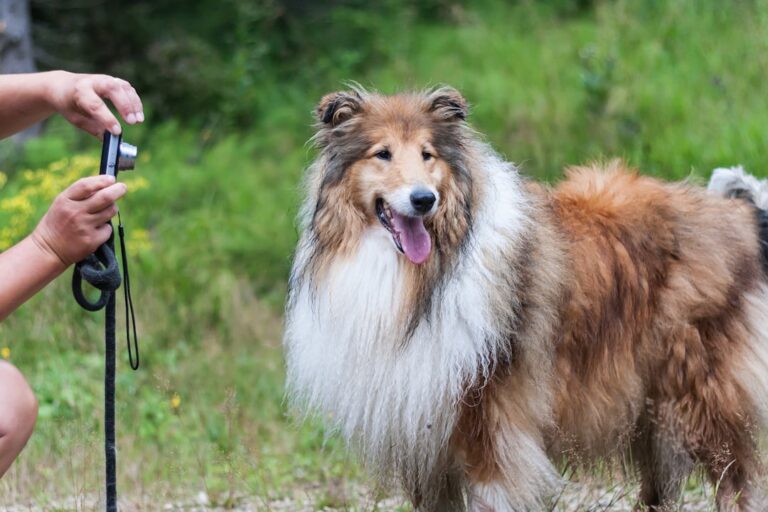
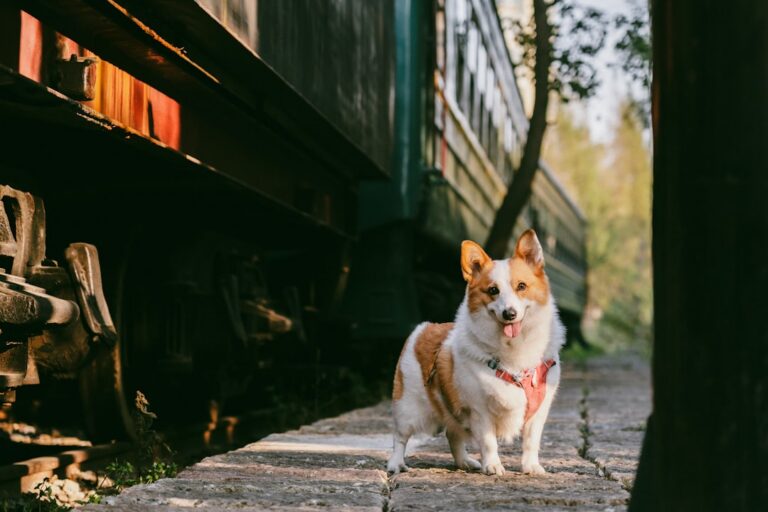
Here's what you need to understand: your puppy isn't being aggressive, and you haven't done anything wrong. When your puppy attacks your moving feet and ankles, they're simply acting on deeply ingrained instincts. Movement triggers their predatory chase drive—the same instinct that makes them pounce on leaves blowing across the yard or chase after rolling balls. For herding breeds like Border Collies, Australian Shepherds, and Corgis, this behavior is even more pronounced because they've been specifically bred to nip at the heels of moving livestock.
Your puppy also hasn't learned yet that human skin is different from their littermate's fur coat. When they played with their siblings, everyone had built-in protection and would yelp when play got too rough. Your bare ankles? Not so much. Plus, those puppy teeth are erupting, their mouth is sore, and chewing on anything that moves just feels good.
The good news? This phase is absolutely temporary. With consistent training and the right approach, most puppies significantly improve within 2-4 weeks, and the behavior typically resolves completely by 5-6 months of age. I've seen even the most persistent ankle-biters transform into polite walking companions—it just takes patience and know-how.
The bad news? There's no magic overnight fix. Anyone who promises you can stop this behavior in a day is selling you something. But what I can promise is that the methods I'm about to share actually work when applied consistently.
In this guide, we'll dig into exactly why puppies develop this ankle-attacking habit and, more importantly, walk through proven positive reinforcement techniques to stop it. You'll learn how to redirect the behavior, teach your puppy what is appropriate to bite, and manage your environment to set everyone up for success.
Check Price on Amazon →
By the end of this article, you'll have a clear action plan to reclaim your ankles and help your puppy learn better manners—without damaging the trust and bond you're building together. Let's get started.
Why Puppies Target Ankles and Feet Specifically
If you've ever wondered why your puppy seems magnetically drawn to your moving feet, you're not alone. There's actually solid behavioral science behind this frustrating habit, and understanding the "why" will help you address it more effectively.
Movement Triggers Prey Drive
The simple truth? Your feet are basically squeaky toys that move unpredictably across the floor. When you walk, your ankles and feet create low, fast-moving targets that trigger your puppy's natural prey drive. This instinct is hardwired into dogs—it's the same response that makes them chase squirrels, balls, or leaves blowing in the wind.
Young puppies haven't yet learned to distinguish between "things I should chase" and "things that are part of my human." To them, those quick-moving objects down there are irresistible. The faster you move, the more exciting the "game" becomes. This is why ankle-biting often escalates when you're walking quickly, running, or when children are playing nearby.
Breed-Specific Tendencies
While any puppy can develop ankle-biting habits, certain breeds are practically programmed for it. Herding breeds like Australian Shepherds, Border Collies, Corgis, and Australian Cattle Dogs were literally bred for centuries to nip at the heels of livestock to move them along. For these puppies, chasing and nipping at your ankles isn't misbehavior—it's their heritage.
Terriers and other working breeds also tend to be more persistent ankle-biters due to their high prey drive and tenacious personalities. Jack Russell Terriers, for instance, were bred to chase small game, making your moving feet an incredibly tempting target.
If you have a herding or high-drive breed, understand that you're working against stronger instincts. You'll need more patience and consistent redirection.
The Role of Teething
Between 3-6 months of age, puppies experience significant teething discomfort. Their baby teeth fall out and adult teeth come in, leaving their gums sore and inflamed. Biting provides relief, much like how babies chew on teething rings.
During this phase, ankle-biting often intensifies not because your puppy is being naughty, but because they're genuinely uncomfortable. The pressure of biting down feels good on those achy gums. Providing appropriate outlets becomes crucial during this period.
Check Price on Amazon →
When It's Not Just Play
Sometimes ankle-biting signals deeper issues. Overtired puppies often become hyperactive before they crash—what many owners call the "zoomies." During these episodes, impulse control vanishes, and biting intensifies. Puppies need 18-20 hours of sleep daily, and most don't get enough.
Attention-seeking behavior is another common culprit. If your puppy has learned that biting your ankles gets a reaction—even if you're yelling "no!"—they've discovered a reliable way to get your attention. Remember: negative attention is still attention to a puppy.
Overstimulation from too much play, too many visitors, or chaotic environments can also trigger manic biting episodes. A puppy who's past their threshold for excitement will often fixate on feet and ankles as an outlet for that excess energy.
The key is learning to recognize which trigger is causing the behavior in any given moment, because your response should vary accordingly.
The 'Redirect and Replace' Method: Your Primary Training Strategy
Here's the truth: your puppy isn't biting your ankles to be naughty. They're doing it because they're excited, playful, or exploring their world with the only tools they have—their mouth and teeth. The redirect and replace method works with this natural puppy behavior instead of against it, teaching your pup what is appropriate to bite rather than punishing them for doing something instinctive.
The core concept is beautifully simple: every time your puppy moves toward your ankles or feet, you redirect their attention to an appropriate toy before or immediately after contact. No scolding, no punishment—just consistent, patient redirection that shows them where all that puppy energy should go.
Choosing the Right Redirect Toys
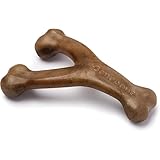
Not all toys are created equal for ankle biters. You need toys that can compete with the thrill of chasing your moving feet. Tug toys and rope toys are your best friends here because they allow for interactive play, which is typically what your puppy is seeking when they target your ankles.
Check Price on Amazon →
Keep 2-3 designated redirect toys easily accessible. I'm talking in every room your puppy frequents—stuffed in your pocket, on the couch arm, by the back door. You want to eliminate any delay between unwanted behavior and your redirect response.
The toy needs to be more exciting than your feet. This means you're not just tossing a toy at your puppy—you're animating it. Drag that rope toy across the floor. Make it "come alive" with quick, jerky movements. Use an enthusiastic voice. Your goal is to make that toy absolutely irresistible.
Timing Your Redirects Perfectly
Success with this method depends on your timing. The ideal sequence looks like this:
Before the bite:
- Watch your puppy's body language—are they getting amped up, staring at your feet, or crouching into play position?
- Grab your redirect toy immediately
- Present it enthusiastically before they make contact with your ankle
- Engage in 30-60 seconds of interactive play
After contact has been made:
- Make a neutral sound ("oops!" or "uh-uh")—not loud or angry
- Immediately present the toy
- The instant they take the toy, praise enthusiastically
- Play actively with them
Practice this "trade" consistently. Your puppy will start learning that releasing your ankle and taking the toy results in fun, attention, and praise. Over time, they'll skip the ankle-biting step entirely and go straight for the toy.
Getting Everyone in the Household on Board
This is where many families fail. If you're redirecting consistently but your partner is pushing the puppy away with their feet or your kids are running and squealing (which only makes the game more fun), you're undermining all your hard work.
Hold a family meeting. Everyone—and I mean everyone—needs to follow the same protocol. Kids need redirect toys in their pockets too. Guests should be briefed before they enter. Consistency is everything.
Timeline expectations: With consistent practice from all household members, most puppies show significant improvement within 2-4 weeks. You'll notice they start seeking out toys on their own when they feel playful, rather than automatically targeting your feet. But remember—this is a marathon, not a sprint. Some puppies take longer, especially high-energy breeds, and that's completely normal.
The 'Stop and Disengage' Technique
When those needle-sharp puppy teeth make contact with your ankles, your instinct might be to pull away, squeal, or dance around trying to shake off your furry piranha. But here's the thing: that's exactly what your puppy wants. All that movement and excitement? Pure entertainment. You've just become the world's best interactive toy.
Instead, try this surprisingly effective approach: become the most boring thing in the room.
The moment your puppy's teeth touch your skin or clothing, immediately freeze everything. Stop walking, stop talking, stop moving your hands. Cross your arms, look up at the ceiling, and pretend your puppy has suddenly ceased to exist. You're a tree now—roots deep, branches still, utterly uninteresting.
This feels counterintuitive, I know. But here's what happens: your puppy was expecting a reaction. They were hoping for a fun game of chase-the-moving-feet. When you suddenly become statue-still, you've removed all the fun from the equation. Most puppies will pause, confused, and back off for even just a second or two.
That second is gold. The instant your puppy releases your ankle or takes a step back—even if they're still looking at you—immediately come back to life. Praise warmly and either give attention or quickly redirect to an appropriate toy. A
Check Price on Amazon →
works perfectly here, especially one you’ve been keeping in your pocket for exactly this moment.
The Science Behind Removing Reinforcement
Behaviorally, this technique works through negative punishment (removing something the puppy wants—your reaction—to decrease the unwanted behavior). Puppies bite ankles during movement because the movement itself is highly reinforcing. Your feet are fast, unpredictable, and make interesting sounds when you walk. It's prey-drive behavior meeting playful exploration.
By freezing, you're teaching your puppy that teeth-on-human makes all the fun disappear. But by rewarding the disengagement, you're showing them what does work to get your attention. This one-two punch is far more effective than just saying "no" or pushing them away, which often feels like continued interaction to your pup.
Troubleshooting: When Freezing Isn't Enough
Some puppies, particularly high-energy herding breeds or terriers, may actually escalate when you freeze. They might jump higher, bark, or bite harder trying to "restart" the game. If this happens:
Don't power through. If your puppy escalates for more than 3-4 seconds, calmly walk to another room and close a door or
Check Price on Amazon →
between you for 10-15 seconds. This brief time-out teaches that escalation makes you disappear entirely.
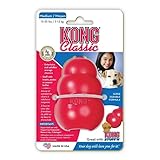
Prevent the behavior before it starts. If ankle-biting happens at predictable times (like when you're making dinner), preemptively give your puppy something incompatible with biting—a stuffed
Check Price on Amazon →
or a

Check Price on Amazon →
keeps their mouth busy.
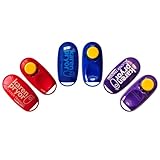
Increase exercise and mental stimulation. Puppies who are overtired or under-stimulated often can't regulate their behavior well enough to respond to training. A tired puppy is a puppy with better impulse control.
Check Price on Amazon →
Remember, consistency is everything. Every family member needs to respond the same way, every single time. It typically takes 1-2 weeks of consistent practice before you'll see significant improvement.
Using Reverse Time-Outs for Persistent Ankle Biters
When your puppy treats your feet like chew toys despite your best redirection efforts, it's time to deploy one of the most powerful tools in your training arsenal: the reverse time-out. Unlike traditional time-outs where you remove the puppy, you remove yourself from the situation. This teaches your puppy that biting makes the fun (you!) disappear immediately.
What Makes Reverse Time-Outs So Effective
Think of it from your puppy's perspective: you're the most interesting thing in their world. When they bite your ankles and you suddenly vanish, they quickly learn the connection: teeth on skin = social interaction ends. This is far more effective than scolding, which can actually amp up some puppies, or physical corrections, which damage trust and can increase fear-based aggression.
The beauty of reverse time-outs is that they're a natural consequence. You're not punishing—you're simply making yourself unavailable when your puppy makes poor choices. No yelling, no drama, just clear cause and effect.
The Step-by-Step Protocol
Here's exactly how to implement a reverse time-out:
- The moment teeth touch skin, calmly say "Oops!" or "Too bad!" in a neutral tone (not angry)
- Immediately stand up and leave the room for 10-30 seconds
- Stay out of sight if possible—no peeking around corners
- Return calmly without making a fuss, greeting, or scolding
- Resume what you were doing as if nothing happened
If your puppy bites again within seconds of your return, repeat immediately. Some puppies need 3-4 repetitions in a row before the message clicks.
Setting Up Your Environment for Success
In open floor plans where you can't easily leave, get creative. Install a
Check Price on Amazon →
to create a barrier you can step behind, or designate a bathroom or bedroom as your “time-out space.” The key is that you become completely unavailable—no eye contact, no talking, no interaction.
If you absolutely cannot leave (say, you're cooking at the stove), turn your back completely and cross your arms, becoming as boring as a statue. The second your puppy disengages, turn back around and offer a
Check Price on Amazon →
as an alternative.
How Often to Use Time-Outs
Consistency is non-negotiable. Every single bite must result in your immediate departure. If you respond to biting only sometimes, you're actually teaching your puppy to be persistent—they'll keep trying because it occasionally works.
Expect to do this frequently at first. Some puppies need 20+ time-outs per day initially. This is normal and temporary. Most puppies show significant improvement within 3-5 days of consistent implementation.
When to Use This Technique
Reserve reverse time-outs for when:
- Redirection to appropriate toys has failed multiple times
- Your puppy is escalating and getting more aroused
- Biting becomes repetitive or more intense
- Your puppy is clearly seeking attention through biting
Remember: this isn't about anger or punishment. Your calm, consistent departures teach your puppy that gentle behavior keeps you present, while biting makes you disappear. That's a lesson they'll learn quickly when you stick with it.
Prevention Strategies: Managing Your Puppy's Environment
The most effective way to stop ankle biting isn't just teaching your puppy what not to do—it's setting up their environment so they're less likely to do it in the first place. Think of yourself as a wildlife manager rather than a referee. You're creating conditions that naturally discourage the behavior.
Creating a Puppy-Proof Movement Path
Puppies view moving feet as the world's most entertaining toys. During your training phase, make strategic adjustments to reduce temptation. Wear long pants and closed-toe shoes when you're actively working with your puppy—dangling shoelaces and bare ankles are irresistible targets.
Keep your own shoes and slippers completely out of reach. If your puppy can't tell the difference between the fuzzy slipper you're wearing and their fuzzy toy, you're sending mixed messages. Store footwear in closets or on high shelves.
Consider using
Check Price on Amazon →
to section off areas during high-risk times. This isn’t about restricting your puppy unfairly—it’s about managing situations where you can’t actively supervise. If you’re cooking dinner and can’t redirect every ankle lunge, an exercise pen gives your puppy a safe space with appropriate toys while keeping everyone’s ankles intact.
The Importance of Structured Rest Time
Here's something many new puppy owners don't realize: overtired puppies become absolute ankle-biting monsters. Puppies need 18-20 hours of sleep per day, but they're terrible at settling themselves down. They're like toddlers who insist they're not tired while literally falling over.
Watch for these witching hours: early morning when they're bursting with energy, late afternoon around 4-6 PM, and that pre-bedtime chaos around 8-9 PM. These are prime ankle-attack times. Rather than letting your puppy get increasingly wound up, enforce naps. Yes, enforce them.
Use a covered crate or quiet room for structured rest periods. A good rule: after every hour of activity, your puppy should nap for 2-3 hours. This isn't punishment—it's teaching them to regulate their arousal levels. You'll notice the ankle biting decreases dramatically when your puppy isn't running on empty.

Check Price on Amazon →
Exercise Guidelines by Age
Physical exhaustion alone won't solve ankle biting, and over-exercising young puppies can damage developing joints. Follow the five-minute rule: five minutes of structured exercise per month of age, twice daily. A three-month-old puppy needs about 15 minutes of walking, two times a day.
But here's the secret weapon: mental enrichment tires puppies faster than physical exercise. A 10-minute training session teaching "sit" and "down" can be more exhausting than a 30-minute walk.
Incorporate these throughout the day:
- Puzzle toys during alone time
- Sniff walks where your puppy leads and explores smells at their pace
- Short training sessions (5-10 minutes) three times daily
- Food-dispensing toys instead of bowl feeding
The goal isn't a physically exhausted puppy—it's a mentally satisfied, appropriately tired puppy with enough structure to succeed. When you manage their environment thoughtfully, ankle biting decreases naturally because your puppy simply has better things to do.
Teaching Alternative Behaviors and Impulse Control
The secret to stopping ankle biting isn't just about saying "no"—it's about teaching your puppy what to do instead. When your puppy understands alternative behaviors and develops impulse control, those razor-sharp teeth will find better outlets than your feet.
Setting Up Controlled Training Sessions
Start by creating scenarios where you can predict and manage the ankle-biting behavior. Put your puppy on a

Check Price on Amazon →
indoors, keeping enough slack that they don’t feel restrained but giving you control when needed.
Have someone walk slowly across the room while you're holding the lead. The moment your puppy looks like they're about to chase, ask for a "sit" or "down." Mark and reward immediately when they comply. If they ignore you and lunge anyway, the lead prevents them from practicing the unwanted behavior. Simply reset and try again with slower movement.
Gradually increase the difficulty: faster walking, jogging in place, or even having kids run by (under supervision). The goal is to build a strong habit of looking to you for direction rather than reacting to movement automatically.
Impulse Control Games That Help
Impulse control is like a muscle—the more you exercise it, the stronger it gets. These games build your puppy's ability to control themselves even when excited:
Wait at Doorways: Before going outside, ask your puppy to sit and wait. Open the door slowly—if they break position, close it. Only open fully when they hold their sit. This teaches that calm behavior gets them what they want.
Sit for Meals: Hold your puppy's food bowl and ask for a sit. Lower the bowl slowly. If they jump up, raise it back. They learn that patience and self-control earn rewards, not jumping and grabbing.
Leave It with Moving Feet: Roll a ball past yourself and practice "leave it." Once your puppy can resist a moving ball, practice with your own shuffling feet while holding treats. Reward any moment they look at your moving feet without lunging.
Treat Scatter: When your puppy starts fixating on your feet, toss a handful of small treats onto the floor and say "find it!" This redirects their chase instinct toward the ground instead of your ankles. Keep

Check Price on Amazon →
easily accessible in your pocket.
Go to Place: Teach your puppy to go to a specific mat or bed on cue. This is an "incompatible behavior"—they can't be on their mat and biting your ankles simultaneously. When guests arrive or kids are playing, send your puppy to their place and reward them for staying there.
Capturing and Rewarding Calm Moments
Don't wait for perfection—catch your puppy being good. When you're standing in the kitchen and your puppy is lying down instead of attacking your feet, mark that moment with praise and a treat. You're building a reinforcement history for calmness around movement.
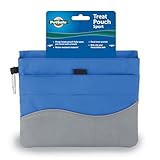
Keep treats in your pocket throughout the day. Every time your puppy makes good choices near your feet—looking away, lying down, chewing a toy instead of your ankles—reward it. This proactive approach teaches them that calm behavior is incredibly valuable, even when nothing exciting seems to be happening.
Common Mistakes That Make Ankle Biting Worse
Here's the frustrating truth: many well-meaning owners accidentally train their puppies to bite ankles more aggressively. I've seen it countless times in my training sessions—owners doing everything they think is right, yet the behavior escalates. Let's break down the most common mistakes so you can avoid them.
Running away or squealing is mistake number one. When you yelp and dash across the room with your puppy in hot pursuit, you've just activated their predatory chase instinct. To your puppy, you've transformed from boring human into the world's most exciting squeaky toy. Those quick movements and high-pitched sounds? Pure gold for a young dog hardwired to chase prey.
Inconsistent responses create confused puppies. Dad redirects to a toy, Mom gives a timeout, your teenager thinks it's hilarious and keeps walking, and Grandma sneaks the puppy a treat to distract them. Your puppy receives four different messages about the same behavior. Pick one method and get everyone on the same page—literally write it down if needed.
Using your hands or feet to push the puppy away turns correction into playtime. That gentle shove becomes an invitation to wrestle. Your puppy learns that biting your ankles gets them exactly what they want: your full attention and physical engagement. Even negative attention reinforces the behavior.
Timing is everything. Waiting until you're genuinely annoyed to respond teaches your puppy nothing except that sometimes ankle biting is fine. You must redirect immediately—within one to two seconds of the behavior. A correction five seconds later? Your puppy has no idea what it's for.
The "they'll grow out of it" mindset is dangerous. Without intervention, ankle biting often morphs into more serious behaviors. That cute nipping from a 10-pound puppy becomes genuinely painful from a 60-pound adolescent dog who never learned boundaries.
Why Punishment Backfires
Physical punishment, alpha rolls, or harsh corrections damage the trust bond you're building. They also increase anxiety, which often makes biting worse—stressed puppies bite more, not less. Punishment might suppress the behavior temporarily when you're present, but it doesn't teach your puppy what TO do instead. Worse, some puppies interpret physical corrections as rough play, escalating their biting intensity to match your "game."
Check Price on Amazon →
The Extinction Burst Phenomenon
Here's what nobody warns you about: when you start correctly addressing ankle biting, it often gets worse before it improves. This is called an "extinction burst." Your puppy essentially thinks, "This always worked before—maybe I'm not doing it hard enough!" They'll bite harder, more frequently, and more persistently for several days.
This is when most owners give up, assuming the training isn't working. Push through this phase. It typically lasts 3-5 days, and on the other side, you'll see dramatic improvement. Mark your calendar, warn your household, and commit to consistency during this critical window.
When to Seek Professional Help
Most puppy ankle-biting is completely normal and will resolve with consistent training. But sometimes, what looks like typical puppy behavior crosses into territory that needs expert intervention. Here's how to know the difference.
Normal Puppy Biting vs. Concerning Aggression
Normal puppy biting is mouthy, persistent, and annoying—but it's playful. Your puppy bounces, their tail wags, and they're essentially asking you to engage. They might grab your shoelaces or nip at your heels when you walk, but their body stays loose and wiggly.
Concerning aggression looks different. The puppy's body becomes stiff or rigid. Their eyes might harden or stare intensely. You'll notice the absence of typical playful behaviors—no play bows, no tail wagging, no back-and-forth engagement. This isn't a game to them.
Red Flags That Warrant Professional Help
Watch for these warning signs:
- Breaking skin regularly: Occasional scratches happen with sharp puppy teeth, but if your puppy is consistently puncturing skin or leaving bruises, that's excessive force
- Growling with a hard edge: Playful growling is normal, but a low, serious growl paired with a freeze or stare indicates something more
- No bite inhibition improvement: Puppies should gradually soften their bite by 12-16 weeks; if intensity stays the same or increases, get help
- Defensive or fearful aggression: Biting when cornered, touched in certain areas, or approached while resting
- Resource guarding feet/ankles: Some puppies fixate on feet specifically and guard their "access" to them aggressively
The 8-10 Week Rule
If you've been consistently applying positive training methods for 8-10 weeks and seeing no improvement—or the behavior is worsening—it's time to call in a professional. You're not failing; some puppies need individualized behavior modification plans.
Certain breeds deserve special mention. Herding breeds (Australian Shepherds, Border Collies, Heelers) have been bred for generations to nip at livestock heels. Their ankle-biting can be more intense and persistent than other breeds. Working with a trainer who understands breed-specific drives makes a huge difference.
Finding the Right Professional
Look for trainers with legitimate certifications:
- CPDT-KA (Certified Professional Dog Trainer-Knowledge Assessed)
- KPA-CTP (Karen Pryor Academy Certified Training Partner)
- IAABC-ADT (International Association of Animal Behavior Consultants-Associate Dog Trainer)
Ask potential trainers about their methods directly. The right professional will focus on positive reinforcement and teaching your puppy what TO do, not just punishing what not to do.
Check Price on Amazon →
What to Expect from Professional Help
A qualified trainer or behavior consultant will:
- Evaluate your specific situation in person or via video
- Create a customized training plan addressing the root cause
- Show you hands-on techniques for your puppy's unique triggers
- Provide ongoing support as you implement the plan
Most ankle-biting cases resolve within 4-6 sessions when you're consistent with homework between appointments.
Trainers to Avoid
Run from anyone who:
- Talks about "dominance" or being the "alpha"
- Recommends prong collars, shock collars, or spray bottles for a puppy
- Suggests physical corrections like scruff shakes or alpha rolls
- Guarantees instant results
- Won't let you observe their methods before committing
Your puppy's early training experiences shape their entire relationship with learning. Choose someone who will build confidence, not fear.
Frequently Asked Questions
At what age do puppies typically stop biting ankles and feet?
Most puppies significantly reduce ankle biting between 4-6 months with consistent training. Teething phase ends around 6-7 months which naturally reduces mouthing behavior. Some herding breeds may take until 8-10 months to fully outgrow the instinct. Without training, some dogs continue this behavior into adulthood as a learned habit. Consistency in training directly impacts timeline – more consistent = faster results.
Should I use bitter apple spray on my ankles to stop puppy biting?
Bitter sprays are generally not recommended for ankle biting as they don't teach appropriate behavior. Some puppies actually like the taste or ignore it entirely. Can create negative associations with you rather than the behavior. Redirection and positive reinforcement are more effective long-term solutions. Better to use bitter spray on furniture/objects, not body parts.
Why does my puppy only bite my ankles and not my partner's?
Different people likely respond differently – movement patterns, reactions, consistency vary. The person being bitten more may move faster, have more animated reactions, or engage more. Children are frequent targets because they run, squeal, and move unpredictably. May indicate inconsistent training responses between household members. Solution: ensure everyone uses identical training protocols and responses.
Is ankle biting a sign of aggression in puppies?
In vast majority of cases, ankle biting is normal play and exploration, NOT aggression. True aggression includes warning signs: deep growling, snarling, stiff body, raised hackles. Aggressive bites are typically single, hard bites vs. repeated playful nipping. Puppy body language during ankle biting is usually loose, wiggly, and playful. If concerned, video the behavior and consult certified trainer or veterinary behaviorist.
Can I use a spray bottle or loud noise to stop ankle biting?
Aversive methods like spray bottles are not recommended and can damage trust. May temporarily suppress behavior but doesn't teach what puppy SHOULD do instead. Can create fearful or anxious puppies who still have the biting impulse. Positive methods (redirect, reward alternatives) create confident, well-adjusted dogs. Modern training science shows positive reinforcement is more effective and longer-lasting.