Teaching your dog to sit is the single most important command you’ll ever train. It sounds basic—and it is—but “sit” isn’t just a trick. It’s a behavioral reset button that prevents jumping, controls doorway bolting, creates polite greetings, and gives your dog a default behavior when they don’t know what else to do.
I’ve worked with dogs of every breed, age, and temperament, and I can tell you that a reliable sit command solves or prevents at least half of the behavioral complaints owners bring to me. The good news? It’s also one of the easiest commands to teach, and most dogs learn it in a single session.
Why “Sit” Is the Foundation of All Training
Think of sit as your dog’s default behavior. When a dog doesn’t know what to do—someone’s at the door, food is on the counter, another dog approaches on a walk—a trained “sit” gives them an answer. Instead of jumping, barking, or lunging, they sit and look to you for direction.
This matters because dogs always need to be doing something. If you don’t give them a job, they’ll make one up, and you probably won’t like their choice. A reliable sit replaces unwanted behaviors with a calm, controlled position that earns rewards.
Sit also builds the training relationship between you and your dog. It teaches them that listening to you leads to good things. That concept—following your cues equals rewards—is the foundation for every command that follows: stay, down, come, heel, and leave it.
The Lure Method: Teaching Sit in 5 Minutes
This is the fastest and most reliable method for teaching sit. It works with puppies as young as 8 weeks and adult dogs who’ve never been trained.
What you need:
- Small, soft training treats (pea-sized pieces they can eat in one second)
- A quiet room with no distractions
- 5 minutes of your time
Check Price on Amazon →
Step-by-step:
- Get your dog’s attention with a treat in your hand. Let them sniff it but don’t give it to them yet.
- Hold the treat at your dog’s nose level, then slowly move it up and slightly back over their head. As their nose follows the treat upward, their rear end naturally lowers to the ground.
- The moment their bottom touches the floor, say “Yes!” (or click your clicker) and immediately give the treat. Timing is everything—you have about 1 second to mark the behavior.
- Release them by tossing a treat away or saying “okay” so they stand up again.
- Repeat 5-10 times. Most dogs start anticipating the sit within 3-4 repetitions.
Common mistake: Holding the treat too high. If you lift it above their head too far, your dog will jump up instead of sitting down. Keep the treat just an inch or two above nose level, moving it backward slowly.
Adding the Verbal Cue
Don’t say “sit” until your dog is reliably offering the behavior with the hand lure. This usually takes 2-3 short sessions. Saying the word before they understand the action just turns “sit” into background noise they learn to ignore.
When to add the word:
- Your dog sits 8 out of 10 times when you do the lure motion
- Say “sit” clearly, once, just before you begin the hand lure
- As they sit, mark with “Yes!” and treat
- Repeat for 2-3 sessions
- Gradually reduce the hand motion until the verbal cue alone triggers the sit
Critical rule: Say “sit” only once. If you repeat “sit, sit, sit, SIT” you’re teaching your dog that the command is actually “sit sit sit sit” said with increasing frustration. Say it once. If they don’t respond, help them with the hand lure, reward, and try again.
Proofing the Sit Command
A sit that only works in your kitchen with treats visible isn’t a trained behavior—it’s a party trick. Proofing means gradually increasing difficulty until your dog sits reliably in any situation.
The three D’s of proofing:
Duration: Ask for sit and wait 2 seconds before rewarding. Gradually increase to 5, 10, then 30 seconds. If your dog breaks the sit, you increased too fast—go back to a shorter duration.
Distance: Ask for sit and take one step back. Gradually increase to 5, 10, then 20 feet away. Your dog should remain sitting until you return or give a release cue.
Distraction: Practice sit with increasing distractions—other people in the room, toys nearby, outdoors in the yard, on walks, at the pet store. Each new environment essentially resets the difficulty, so start easy in each new location.
Only increase one variable at a time. Don’t ask for a 30-second sit at 10 feet away in a busy park. That’s three hard things at once. Increase duration OR distance OR distraction—never all three simultaneously.
Using Sit in Real Life
The true power of sit shows up in everyday situations. Here’s how to integrate it into your daily routine:
- Before meals: Ask for sit before placing the food bowl down. This teaches impulse control and polite behavior around food.
- At doors: Sit before the door opens—prevents bolting outside and teaches patience.
- Greeting people: “Sit” replaces jumping. Ask your dog to sit before anyone pets them. No sit, no attention.
- Before leash attachment: Sit while you clip the leash on. Prevents the frantic jumping dance.
- At crosswalks: Automatic sit at every curb. This becomes a safety habit that can prevent your dog from darting into traffic.
- When you stop on walks: If you pause to talk to someone, your dog sits. This becomes automatic with practice.
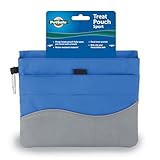
Check Price on Amazon →
Troubleshooting Common Problems
My dog won’t sit—they just back up. You’re moving the treat too far back. Bring it forward slightly, almost touching their nose, and move it upward at a steeper angle. You can also practice against a wall so they can’t back up.
My dog sits but pops right back up. You’re delivering the treat too slowly. The reward must come within 1 second of the sit. Use a marker word (“Yes!”) or clicker to bridge the gap between the behavior and the treat delivery.
My dog only sits when I have treats visible. You’ve been using treats as a bribe instead of a reward. Start hiding treats in your pocket. Ask for sit, mark the behavior, then reach for the treat. Also, vary your rewards—sometimes treats, sometimes praise, sometimes a toy or play session.
My dog sits at home but not on walks. Too much distraction too soon. Go back to basics in each new environment. Start in your front yard, then the driveway, then the sidewalk. Only ask for sits during walks when you’ve proven they can do it in progressively more distracting places.
My dog knows sit but ignores me sometimes. This means the command isn’t fully proofed. Go back to rewarding every sit for a week, then gradually randomize rewards again. Also check that your tone is consistent—use the same word in the same tone every time.
Sit for Older Dogs and Special Cases
If your dog has hip dysplasia, arthritis, or other joint issues, sitting on hard surfaces can be painful. Watch for signs of discomfort: slow to sit, shifting weight, refusing to sit on hard floors but willing on carpet. Consult your vet if you suspect joint pain—they may recommend a “down” command instead as the default behavior.
For older dogs learning sit for the first time, the process is identical to puppies. Adult dogs often learn faster because they have longer attention spans and better impulse control. The only difference is that they may have years of alternative behaviors (jumping, nudging) that need to be overridden with consistent reinforcement of the new sit command.
Frequently Asked Questions
At what age can I start teaching my puppy to sit?
As soon as you bring them home—typically 8 weeks. Puppies this young learn incredibly fast. Keep sessions short (2-3 minutes) and fun. If they lose interest, stop and try again later.
How many training sessions per day should I do?
Three to five short sessions of 2-5 minutes each, spread throughout the day. Short, frequent sessions produce faster results than one long session. Puppies have short attention spans—quit while they’re still engaged and wanting more.
Should I push my dog’s bottom down to teach sit?
No. Physically forcing a sit creates resistance and can damage the trust between you and your dog. It also doesn’t teach them to think—they learn nothing about what earned the reward. Always use luring or capturing (rewarding when they sit naturally) instead.
How long until my dog sits reliably without treats?
After 2-3 weeks of consistent training, you can begin fading treats. Replace every-time treats with random rewards—sometimes a treat, sometimes praise, sometimes a quick game. The unpredictability actually strengthens the behavior (like a slot machine effect). Most dogs sit reliably without visible treats within 4-6 weeks.
Teaching sit takes minutes. Proofing it takes weeks. But the payoff lasts your dog’s entire life. Start today—grab some treats, find a quiet spot, and give your dog the foundation skill that makes everything else possible.