Bringing home a new puppy is exciting, but it can also feel overwhelming. Those adorable little furballs don’t come with instruction manuals, and suddenly you’re responsible for teaching them everything from where to potty to how to behave around other dogs. The good news? Training a puppy doesn’t have to be complicated or stressful.
With the right approach, patience, and consistency, you can raise a well-mannered, confident dog who’s a joy to live with. This guide will walk you through everything you need to know about puppy training, using positive reinforcement methods that build trust and strengthen your bond. For more on this topic, see our guide on clicker training methods.
Start Training the Day Your Puppy Comes Home
Many new puppy owners think they should wait a few weeks before starting training, giving their pup time to settle in first. This is actually a common misconception. Your puppy is learning from the moment they arrive at your home, whether you’re actively teaching them or not.
From day one, your puppy is observing and forming habits. If you wait to start training, you might accidentally reinforce behaviors you don’t want. For example, if your puppy jumps on you for attention and you pet them, they learn that jumping gets rewarded.
Start with simple things right away. Show your puppy where their food and water bowls are. Take them outside to the designated potty spot. Introduce them to their crate or sleeping area. For more on this topic, see our guide on crate training your puppy. These early experiences set the foundation for all future training.

Check Price on Amazon →
The first few days are about creating positive associations. For more on this topic, see our guide on teaching sit command. Keep training sessions very short, just 3-5 minutes at a time. Your puppy has a short attention span and tires easily. Focus on one or two simple behaviors like their name and sit. Use lots of treats, praise, and gentle encouragement.
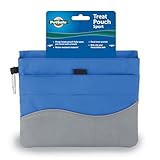
Check Price on Amazon →
Remember that puppies under 16 weeks are in a critical socialization period. While you’re teaching basic commands, you’re also helping them become comfortable with new experiences. Keep everything positive and low-pressure. If your puppy seems scared or overwhelmed, back off and try again later.
Master House Training in 4-6 Weeks
House training is usually the top priority for new puppy owners, and for good reason. Nobody wants to clean up accidents constantly. The key to successful house training is consistency, supervision, and creating a predictable routine.
Take your puppy outside frequently, especially after waking up, after eating or drinking, after playtime, and before bed. Young puppies need to go out every 1-2 hours when they’re awake. As they get older, they’ll be able to hold it longer.
Choose one specific spot in your yard for potty breaks. Take your puppy on leash directly to that spot, even if your yard is fenced. For more on this topic, see our guide on leash training for puppies. This helps them understand that going outside has a purpose. Stand quietly and wait. When your puppy eliminates, immediately praise them enthusiastically and give a small treat.
Use a consistent phrase like go potty while they’re doing their business. For more on this topic, see our guide on potty training basics. Eventually, they’ll associate the phrase with the action, and you’ll be able to cue them to eliminate on command. This is incredibly useful when you’re traveling or in a hurry.
Accidents will happen. When they do, don’t punish your puppy. Old-school methods like rubbing a dog’s nose in their mess or yelling are ineffective and damage your relationship. If you catch your puppy in the act, calmly interrupt them with a gentle oops and immediately take them outside. If you find an accident after the fact, just clean it up without making a fuss.
Use an enzyme-based cleaner to remove all traces of odor. Dogs have powerful noses, and if they can smell where they’ve eliminated before, they’re more likely to go there again. Keep a close eye on your puppy when they’re inside. Confine them to one room where you can watch them, or use a crate when you can’t supervise.

Check Price on Amazon →
Most puppies are reliably house trained by 4-6 months old, though some take longer. Small breeds often take more time because they have smaller bladders. Be patient and stay consistent. Every puppy gets there eventually.
Teach Essential Basic Commands
Basic obedience commands aren’t just about having a well-mannered dog. They’re actually safety tools that can prevent injuries and save your dog’s life. A solid come can stop your dog from running into traffic. A reliable stay keeps them safe when you open the front door.
Sit: This is usually the first command puppies learn because it’s easy and useful. Hold a treat close to your puppy’s nose, then slowly move it up and back over their head. As their head follows the treat, their bottom will naturally lower. The moment their butt hits the floor, say sit, give the treat, and praise them. Repeat this 5-10 times per session.
Come: Start in a small, enclosed space with no distractions. Get down to your puppy’s level, show them a treat, and say come in an excited, happy voice. When they move toward you, praise enthusiastically and give the treat. Gradually increase the distance and practice in different locations. Never call your puppy to come and then do something they dislike, or they’ll stop coming when called.
Stay: Ask your puppy to sit, then hold your hand up like a stop sign and say stay. Wait just one second, then reward them. Gradually increase the time they need to stay before getting the treat. If they break the stay, don’t reward them. Just try again with a shorter duration. Once they’re reliable with time, add distance by taking steps backward.
Down: From a sitting position, hold a treat in your closed fist. Lower your hand to the floor between your puppy’s front paws. As they follow the treat down, their elbows should touch the ground. Say down and give the treat. Some puppies find this position vulnerable, so be extra patient and generous with rewards.
Leave it: This command can prevent your puppy from eating something dangerous. Hold a treat in your closed fist. Your puppy will likely sniff, lick, and paw at your hand. Wait patiently. The moment they back away from your hand, say yes, open your hand, and give them the treat. Progress to placing treats on the floor and covering them with your hand.
Practice these commands daily, but keep sessions short and fun. Five minutes, three times a day is better than one long 15-minute session. Always end on a positive note, even if that means asking for an easy behavior your puppy already knows.
Use Positive Reinforcement Training Methods
Positive reinforcement means adding something your dog likes when they do a behavior you want. It’s the most effective, humane, and scientifically supported training method available. Dogs trained with positive reinforcement learn faster, retain information better, and have fewer behavior problems.
Here’s how it works: when your puppy does something you like, immediately reward them. The reward can be treats, praise, toys, or anything else your puppy finds motivating. The timing is critical. You have about 1-2 seconds to deliver the reward, or your puppy won’t make the connection between the behavior and the consequence.
Use high-value treats for training, especially when teaching new behaviors or working in distracting environments. Small, soft treats work best because your puppy can eat them quickly and get back to learning. Cut treats into tiny pieces, about the size of a pea. You’ll use a lot of treats during training sessions, and you don’t want to overfeed your puppy.
As your puppy gets better at a behavior, you can start varying the rewards. Sometimes give a treat, sometimes just praise, sometimes a quick game with a toy. This variable reinforcement actually makes behaviors stronger because your puppy never knows when the jackpot is coming.
Avoid punishment-based methods like shock collars, prong collars, or alpha rolls. These methods can cause fear, anxiety, and aggression. They might suppress unwanted behaviors temporarily, but they don’t teach your puppy what to do instead, and they damage the trust between you and your dog.
If your puppy does something you don’t like, redirect them to an appropriate behavior instead. For example, if they’re chewing your shoe, take it away and give them a dog toy. When they chew the toy, praise them. You’re teaching them what they should chew, not just what they shouldn’t.
Socialize Your Puppy Early and Often
Socialization is the process of exposing your puppy to different people, animals, environments, and experiences in a positive way. Proper socialization is absolutely critical. It prevents fear and aggression later in life and helps your puppy become a confident, adaptable adult dog.
The prime socialization window is between 3 and 14 weeks of age. During this time, puppies are naturally curious and more accepting of new things. After 14 weeks, they become more cautious about unfamiliar experiences. This doesn’t mean socialization stops at 14 weeks, but it does become harder.
Your goal is to expose your puppy to as many new things as possible in a positive, non-threatening way. This includes different types of people (men, women, children, people wearing hats or using wheelchairs), various animals (other dogs, cats, livestock), different environments (city streets, parks, vet offices), and novel experiences (car rides, stairs, slippery floors).
Quality matters more than quantity. It’s better to have a few really positive experiences than many scary ones. Watch your puppy’s body language. If they seem curious and relaxed with loose body posture and a wagging tail, great. If they show signs of fear like cowering, tail tucking, or trying to hide, you’re moving too fast.
Let your puppy approach new things at their own pace. Don’t force interactions. If your puppy is scared of something, create distance until they feel comfortable. Pair new experiences with good things like treats and play. Your puppy meets a friendly stranger? That person gives them treats. Your puppy hears a loud truck? Treats rain from the sky.
Before your puppy is fully vaccinated, be thoughtful about where you take them. Avoid areas where sick dogs might have been, like dog parks or pet stores. But you can still socialize safely. Carry your puppy around your neighborhood, invite healthy, vaccinated dogs to your home, and attend puppy socialization classes.
Puppy classes are incredibly valuable. They provide supervised playtime with other puppies and exposure to new people in a controlled environment. Look for classes that use positive reinforcement methods and separate puppies by size and play style.
Manage Puppy Biting and Mouthing
All puppies bite. It’s completely normal. They explore the world with their mouths, and they play with their littermates by wrestling and biting. But those needle-sharp puppy teeth hurt, and you need to teach your puppy that human skin is sensitive.
When your puppy bites during play, say ouch in a high-pitched voice and immediately stop interacting with them. Stand up, turn away, or leave the room for 10-15 seconds. This teaches your puppy that biting ends the fun. When you return, redirect them to an appropriate toy.
Bite inhibition is the ability to control the force of biting. Puppies learn this from their littermates. When a puppy bites too hard during play, the other puppy yelps and stops playing. You’re doing the same thing. First, you teach your puppy that hard bites are unacceptable. Later, you teach them that all bites on human skin are off-limits.
Never hit, slap, or use physical punishment for biting. This can make the behavior worse and create fear or aggression. Never encourage aggressive play like wrestling or playing tug with your hands in your puppy’s mouth. Use toys for these games instead.
Make sure your puppy has plenty of appropriate things to chew. Teething typically happens between 3 and 6 months, and chewing helps relieve discomfort. Offer a variety of textures like rubber toys, rope toys, and frozen washcloths.
Tire your puppy out with exercise and mental stimulation. A bored puppy with pent-up energy is more likely to bite and mouth excessively. Regular play sessions, training, and age-appropriate exercise help reduce problem behaviors.
Most puppies outgrow the worst of the biting phase by 6-7 months old, once their adult teeth are in. Until then, keep redirecting, providing appropriate outlets, and consistently showing your puppy that gentle play is the only play that continues.
Crate Train for Safety and Security
Crate training gets a bad reputation, but when done properly, it’s an invaluable tool. Dogs are den animals by nature. A crate provides a safe, comfortable space that’s just for them. It helps with house training, prevents destructive behavior when you can’t supervise, and gives your puppy a place to relax.
Choose a crate that’s big enough for your puppy to stand up, turn around, and lie down comfortably, but not so big that they can eliminate in one corner and sleep in another. If you have a large breed puppy, get a crate with a divider panel so you can adjust the size as they grow.
Make the crate inviting. Put a comfortable bed or blanket inside, along with a safe chew toy. Never use the crate as punishment. You want your puppy to see it as their special den, not a jail.
Start slowly. Feed your puppy meals in the crate with the door open. Toss treats inside throughout the day. Let your puppy explore at their own pace. Once they’re comfortable going in and out, start closing the door for just a few seconds while you’re right there. Gradually increase the duration.
Young puppies can’t hold their bladder for long. A general rule is that a puppy can hold it for one hour per month of age, plus one. So a 3-month-old puppy can hold it for about 4 hours maximum. Don’t leave your puppy crated longer than they can physically hold it.
Use the crate for naps, bedtime, and short periods when you can’t watch your puppy. But dogs are social animals. Your puppy shouldn’t spend most of their day in a crate. They need exercise, play, training, and time with their family.
If your puppy cries in the crate, make sure they don’t need to eliminate. If they’re dry and fed, wait out the crying. If you let them out while they’re crying, you teach them that crying works. Wait for a quiet moment, even if it’s just 2 seconds, then open the door. Over time, they’ll learn that being quiet gets them out, not making noise.
Address Common Puppy Behavior Problems
Even with great training, puppies will test boundaries and develop some unwanted behaviors. The key is addressing these issues early before they become ingrained habits.
Jumping: Puppies jump to greet people because they want attention and face access. The solution is to only give attention when all four paws are on the floor. When your puppy jumps, turn away and ignore them. The moment they sit or stand calmly, give them attention and treats. Ask visitors to do the same. Consistency is everything. If some people allow jumping and others don’t, your puppy will keep trying.
Barking: Puppies bark for many reasons like boredom, fear, alarm, or attention-seeking. Figure out why your puppy is barking, then address the underlying cause. If they’re bored, provide more exercise and mental stimulation. If they’re barking for attention, ignore them until they’re quiet. Teach a quiet command by waiting for a pause in barking, saying quiet, and immediately rewarding the silence.
Chewing: Puppies need to chew, especially during teething. Manage the environment by puppy-proofing and keeping valuable items out of reach. Provide plenty of appropriate chew toys. If you catch your puppy chewing something forbidden, redirect them to a toy and praise them for chewing the right thing. Rotate toys to keep them interesting.
Separation anxiety: Some puppies become distressed when left alone. Build independence gradually. Leave your puppy alone for just a few minutes at first, then slowly increase the time. Make departures low-key — no long, emotional goodbyes. Leave a special toy or treat that your puppy only gets when you’re gone. If separation anxiety is severe, consult a professional trainer or veterinary behaviorist.
Resource guarding: Some puppies guard food, toys, or spaces. Never punish a puppy for guarding, as this makes the problem worse. Instead, teach them that people approaching their stuff is a good thing. Walk by while they’re eating and toss a high-value treat into their bowl. Practice trading, where you offer something even better in exchange for what they have.
Prevention is easier than fixing problems. Set your puppy up for success by managing their environment, meeting their needs, and rewarding good behavior consistently.
Create a Training Schedule and Stick to It
Consistency is the secret to successful puppy training. Dogs thrive on routine. When you do things at predictable times, your puppy learns faster and feels more secure.
Create a daily schedule that includes:
- Potty breaks: First thing in the morning, after meals, after naps, after play sessions, and before bed
- Meals: Feed 3 times daily for puppies under 6 months, then transition to twice daily
- Training sessions: 3-5 short sessions (5-10 minutes) throughout the day
- Exercise: Age-appropriate play and walks (5 minutes per month of age, twice daily)
- Socialization: Daily exposure to new sights, sounds, people, or dogs
- Quiet time: Naps and downtime in the crate or a quiet space
Write your schedule down and post it somewhere visible. This helps everyone in the household stay consistent, which is crucial for successful training.
Use the same verbal cues and hand signals every time. If you say down one day and lie down the next, you’ll confuse your puppy. Make sure all family members use the same commands and follow the same rules.
Track your puppy’s progress. Keep a simple log of house training accidents, successful potty trips, and training milestones. This helps you see patterns and celebrate improvements. It’s easy to feel frustrated when progress seems slow, but looking back at where you started can be incredibly motivating.
Remember that training is a marathon, not a sprint. Some days will be great, and some days your puppy will seem to forget everything they learned. This is normal. Be patient with your puppy and with yourself. Consistency over weeks and months is what creates lasting behavior change.
FAQ: Common Puppy Training Questions
When should I start training my puppy?
Start training the day you bring your puppy home, typically around 8 weeks old. Young puppies are like sponges, ready to learn. Focus on simple behaviors, house training, and positive socialization. Keep sessions very short (3-5 minutes) and always use positive reinforcement. Early training prevents bad habits from forming and builds a strong foundation for more advanced training later.
How long does it take to train a puppy?
Basic training happens over several months. Most puppies are reliably house trained by 4-6 months and have solid basic obedience skills by 6-12 months. However, training never really ends. You’ll continue reinforcing behaviors and teaching new skills throughout your dog’s life. The first year requires the most intensive effort, but staying consistent pays off with a well-behaved adult dog.
What treats should I use for puppy training?
Use small, soft treats that your puppy can eat quickly without chewing. Good options include small pieces of cooked chicken, hot dogs, cheese, or commercial training treats. The treats should be high-value, meaning your puppy really loves them. Keep treats tiny — about the size of a pea — so you can reward frequently without overfeeding. For extra-challenging training situations, use jackpot treats like freeze-dried liver or real meat.
Can I train a puppy without treats?
While you can train without treats, they’re the most efficient reward for most puppies. Food is a primary motivator that works quickly and clearly. That said, you can also use toys, play, praise, and life rewards (like going outside or getting to greet another dog). The key is finding what motivates your individual puppy. As training progresses, you’ll naturally use treats less and vary your rewards more.
Should I take my puppy to training classes?
Yes, puppy classes are highly recommended, especially for first-time dog owners. They provide professional guidance, structured socialization with other puppies, and help you troubleshoot problems. Look for classes that use positive reinforcement methods, have small class sizes, and separate puppies by size and temperament. Classes typically start around 10-12 weeks old, after your puppy has had at least one set of vaccinations.
Final Thoughts
Training a puppy takes time, patience, and consistency, but it’s also deeply rewarding. Every small success — the first time your puppy comes when called, the first accident-free week, the first polite greeting — builds toward the well-mannered companion you’re working toward.
Remember that puppies are babies. They’ll make mistakes, have bad days, and test your patience. That’s all part of the process. Stay positive, celebrate progress, and don’t compare your puppy to others. Every dog learns at their own pace.
The effort you put into training during the first year creates the foundation for your dog’s entire life. A well-trained dog has more freedom, experiences less stress, and enjoys a stronger bond with their family. They’re welcome in more places and situations because they’re reliable and well-behaved.
If you feel overwhelmed or encounter problems you can’t solve on your own, don’t hesitate to work with a professional trainer. Look for certified trainers who use positive reinforcement methods. Sometimes an outside perspective and expert guidance can make all the difference.
Your puppy is lucky to have an owner who cares enough to learn how to train them properly. With consistency, patience, and lots of love, you’ll raise a confident, happy, well-mannered dog who brings joy to your life for years to come.