How to Train Your Dog to Swim Safely: Expert Guide 2026
Introduction
Picture this: you're at the lake on a beautiful summer day, and your excited dog leaps off the dock—only to panic and thrash in the water. It's a terrifying moment that catches many dog owners off guard. Here's the truth that surprises most people: not all dogs are natural swimmers. Despite what popular culture tells us, many breeds struggle in water, and some can actually drown within minutes without intervention.
Bulldogs, Pugs, Dachshunds, and Corgis are particularly vulnerable due to their body structure—short legs, heavy chests, or flat faces make it genuinely difficult for them to keep their heads above water. Even breeds we associate with water, like Labrador Retrievers, aren't born knowing how to swim. They need to learn, just like puppies need to learn to walk down stairs or ride in cars.
But here's the good news: swimming offers incredible benefits for dogs of all ages and abilities. It's one of the best forms of low-impact exercise available, perfect for senior dogs with arthritis, puppies still developing their joints, or dogs recovering from surgery. Beyond the physical benefits, swimming builds confidence, provides mental stimulation, and—most importantly—teaches life-saving skills. A dog who understands water safety is far less likely to panic if they accidentally fall into a pool or get swept into a current.
The key to success lies in gradual, positive introduction. Forcing or throwing a dog into water is not only cruel—it's dangerous and counterproductive. Dogs who are traumatized by water in their early experiences often develop lifelong phobias that are incredibly difficult to reverse. I've worked with countless dogs who were "taught to swim" by being tossed into the deep end, and the rehabilitation process takes months of patient work to undo that single moment of trauma.
Instead, this article will walk you through a step-by-step approach that respects your dog's comfort level and builds positive associations with water. We'll cover everything from choosing the right location and equipment (including when to use a ) to reading your dog's body language and progressing at their pace.
Setting Realistic Expectations
Before we dive in, let's be honest: some dogs may never become enthusiastic swimmers. Your Basset Hound might prefer watching from the shore, and that's perfectly okay. The goal isn't to create a water-loving athlete—it's to ensure your dog has basic water safety skills and won't panic in an emergency situation.
Whether your dog becomes a confident swimmer who retrieves toys in the lake or simply learns to safely navigate shallow water, you're giving them valuable skills that could one day save their life. And that's what matters most.
Let's get started with the foundations of safe swimming training.
Understanding Your Dog's Swimming Ability and Limitations
Here's something that surprises many dog owners: not all dogs are natural swimmers. While the "doggy paddle" gets its name for a reason, the truth is that some dogs face serious physical challenges in the water, and understanding these limitations could literally save your dog's life.
Breeds That May Struggle With Swimming
Your dog's body structure plays a huge role in their swimming ability. Brachycephalic breeds—those adorable flat-faced dogs like Bulldogs, Pugs, and French Bulldogs—struggle to keep their airways above water while swimming. Their shortened snouts make breathing difficult even on land, and this becomes dangerous in water.
Heavy-chested breeds like Basset Hounds, Corgis, and Dachshunds have a weight distribution problem. Their barrel chests and short legs mean they're essentially front-heavy, making it exhausting to keep their heads above water. Think of it like trying to swim while wearing a weighted vest on your chest.
Other breeds that commonly struggle include:
- Bull Terriers (dense muscle mass, large heads)
- Boxers (brachycephalic features, heavy build)
- Dachshunds (long spine, very short legs)
- Scottish Terriers (short legs, heavy bone structure)
That said, individual variation matters. I've worked with Bulldogs who loved shallow water play with a

Check Price on Amazon →
style flotation device, and Labradors who were initially terrified of water. Never assume your dog’s breed tells the whole story.
When to Consult Your Veterinarian First
Before introducing your dog to swimming, schedule a vet visit if your dog:
- Is under 3 months old (their coordination and strength aren't fully developed)
- Is a senior with arthritis or joint issues
- Has any heart or respiratory conditions
- Has recently had surgery or injury
- Shows signs of hip dysplasia or mobility problems
Puppies need special consideration. While water exposure can start early through positive experiences, actual swimming should wait until they're physically mature enough—usually around 3-4 months minimum, and older for larger breeds still developing.
Senior dogs might love swimming for the joint relief it provides, but they tire more quickly and may have conditions that make swimming risky. Always get veterinary clearance first.
Recognizing Your Dog's Comfort Level With Water
Pay attention to your dog's body language around water. Comfortable signs include:
- Voluntary approach to water
- Relaxed body posture
- Playful behavior near the water's edge
- Willingness to wade in shallow areas
Stress signals that mean you need to slow down:
- Panting excessively or drooling
- Tucked tail or flattened ears
- Attempting to escape or avoiding water
- Rigid body or wide eyes (whale eye)
- Frantic paddling or vertical body position in water
If your dog goes vertical in the water—looking like they're trying to climb an invisible ladder—they're panicking, not swimming. This is an immediate safety concern requiring intervention.
Remember: swimming should never be forced. Some dogs simply won't enjoy it, and that's perfectly okay. The goal is safe, positive experiences, not turning every dog into a water enthusiast.
Essential Swimming Safety Gear for Dogs
Before your dog takes their first paddle, proper safety equipment isn't just recommended—it's essential. Even natural swimmers can tire quickly or face unexpected challenges in the water.
Selecting the Right Dog Life Jacket
A quality life jacket is non-negotiable for water training, especially during the learning phase. Here's what to look for:
Proper fit is everything. Measure your dog's girth at the widest part of their ribcage and check the manufacturer's sizing chart. The jacket should be snug enough that you can only fit two fingers underneath, but not so tight it restricts breathing or movement. Your dog should be able to paddle freely without chafing.
Buoyancy ratings matter. Look for jackets specifically designed for dogs, not generic flotation devices. Quality jackets will support your dog's natural swimming position, keeping their head above water without tipping them forward or backward. Breeds with barrel chests (like Bulldogs) need extra front buoyancy, while lean breeds may need more balanced support.
The handle is your lifeline. That sturdy handle on top isn't decorative—it's crucial for quickly lifting your dog from the water in emergencies. Test it before purchase; it should support your dog's full weight comfortably. I've used that handle countless times to assist tired dogs or prevent them from swimming into dangerous areas.
When life jackets are necessary:
- All dogs learning to swim
- Brachycephalic breeds (Pugs, French Bulldogs, Boston Terriers)
- Senior dogs or those with mobility issues
- Any dog swimming in open water, currents, or waves
- Cold water swimming sessions
- Boat trips, regardless of swimming ability
Life jackets are optional only for confident, experienced swimmers in calm, controlled environments like backyard pools—and even then, I recommend keeping one poolside.
Additional Safety Equipment to Consider
Visibility aids are critical for open water. Choose life jackets in bright colors (neon orange, yellow, or pink) with reflective strips. For dawn or dusk swimming, consider attachable LED lights that clip onto the jacket's D-ring.
Paw protection often gets overlooked. Pool decks, boat docks, and beach sand can become scorching hot, causing painful burns. If you can't comfortably hold your hand on the surface for 5 seconds, your dog needs protection. Booties designed for water activities provide grip and heat protection. Also consider them for dogs swimming in areas with sharp rocks or zebra mussels.
Harness vs. collar? Always use a harness for water activities. Collars can slip off wet dogs easily and put pressure on the throat if you need to assist them. A standard walking harness works fine—avoid retractable leashes near water, as they provide too much freedom and little control in emergencies.
Water-specific first aid essentials should include:
- Sterile saline for flushing eyes (chlorine or debris)
- Styptic powder for torn nails
- Towels for warming and drying
- Tweezers for splinters or debris removal
- Emergency contact info for the nearest 24-hour vet
Keep your kit waterproof and accessible at every swimming session. Prevention is ideal, but preparation saves lives.
Pre-Swimming Preparation and Safety Checks
Before your dog takes their first paddle, you need to scope out the swimming area like you're planning a heist. I'm serious—five minutes of preparation can prevent emergencies that no amount of training can fix.
Start with the water itself. Stick your hand in and keep it there for 30 seconds. If it feels uncomfortably cold to you, it's too cold for most dogs, especially smaller breeds or puppies. Water below 50°F is dangerous, and even 60-70°F can be chilly for a first-timer. On the flip side, water that feels bathwater-warm might indicate algae blooms or stagnant conditions—both red flags.
Walk the perimeter and look at what you're dealing with. Can you see the bottom in shallow areas? Murky water hides hazards like broken glass, fishing hooks, or sudden drop-offs. I once watched a confident Labrador step off an underwater ledge and panic because she couldn't find the bottom—not the introduction to swimming you want.
Pool vs. Natural Water: Safety Differences
Pools give you control, which is why I recommend them for first-time swimmers. But don't assume your backyard pool is automatically safe. Check that chlorine levels are in the normal range (1-3 ppm)—you can smell when it's too high. More importantly, physically show yourself where the stairs or ramp are located. Dogs don't instinctively swim toward steps; they'll scratch at the nearest wall until exhausted.

Check Price on Amazon →
Natural water is unpredictable. Lakes, rivers, and beaches present challenges pools don't. Look for posted warnings about blue-green algae (toxic and potentially fatal), check for strong currents by tossing a stick and watching how quickly it moves, and scan for wildlife. Yes, even ducks can stress out a dog mid-swim.
Rivers deserve extra caution. What looks calm at the surface might have a current that tires out even strong swimmers. And please, never assume your dog can handle the ocean just because they mastered the kiddie pool.
Creating a Safe Swimming Environment
Weather matters more than most people realize. Avoid swimming during thunderstorms (obviously), but also skip sessions when it's extremely hot—dogs can overheat while swimming if they're working too hard. Windy days create waves and chop that intimidate beginners.
Check Price on Amazon →
Here's my non-negotiable rule: never swim alone with your dog. You need another capable adult present who can help if your dog panics, if you slip, or if you need to grab a towel while your wet dog is shaking next to your phone. I've needed that second person more times than I'd like to admit.
Before your dog enters the water, walk them to at least two different exit points. In pools, this means the stairs and any ramp. In natural water, find gently sloping areas without slippery rocks or thick vegetation. Mark these spots mentally—your dog should learn to associate these locations with getting out safely.
Check for sharp rocks, broken concrete, or metal edges at entry and exit points. Your excited dog won't notice these hazards; that's your job.
Step-by-Step Guide to Introducing Your Dog to Water
Teaching your dog to swim safely isn't about tossing them into the deep end and hoping for the best. It's a gradual process that respects your dog's individual comfort level and builds genuine confidence. Let's break down a proven timeline that works for most dogs.
Week 1: Getting Comfortable With Water
Your first goal is simple: help your dog see water as something fun, not frightening. Start in ankle-deep water at a calm lake, beach, or even a kiddie pool in your backyard. The key word here is shallow—we're talking about wading, not swimming.
Bring along high-value treats (think small pieces of chicken, cheese, or hot dogs) and your positive energy. Walk into the water yourself first, making it look casual and enjoyable. Let your dog explore at their own pace. Some dogs will charge right in; others need 20 minutes just to get their paws wet. Both approaches are completely normal.

Check Price on Amazon →
Watch your dog's body language closely. A confident, curious dog will have relaxed ears, a loose body, and might playfully splash or paw at the water. Signs of stress include a tucked tail, whale eye (showing the whites of their eyes), pulling backward, or freezing. If you see stress signals, move further from the water and let them observe from a distance while you reward calm behavior.
Keep these first sessions to just 5-10 minutes. You want to end on a positive note while your dog still wants more. Make it a game—toss treats into the shallow water, praise enthusiastically when they retrieve them, and celebrate every small win.
Week 2-3: Building Confidence in Shallow Water
Once your dog happily enters shallow water, gradually venture into knee-deep areas. Continue using treats and toys to create positive associations. A floating

Check Price on Amazon →
stuffed with peanut butter can work wonders for food-motivated dogs.
Introduce gentle splashing and movement. Wade through the water together, encouraging your dog to follow you. Some dogs naturally start "tiptoeing" or hopping when the water gets deeper—this is normal pre-swimming behavior. Praise this experimentation without forcing anything.
Practice recalls in shallow water to build their confidence moving toward you. The goal is making water feel like an extension of their normal play environment. If your dog loves fetch on land, play fetch in progressively deeper water until they need to lift their front paws off the bottom.
Week 4+: Transitioning to Swimming Depth
Only move to swimming depth when your dog is enthusiastically entering water up to their chest. The transition to actual swimming often happens naturally—dogs instinctively start paddling when their feet leave the bottom.
Stay close during those first swimming attempts. Many dogs initially "forget" about their back legs and only paddle with their front paws, which is inefficient and tiring. If this happens, gently support their hindquarters to help them find their rhythm.
Start with distances of just 3-5 feet, gradually increasing as their stamina builds. Always swim parallel to shore initially, never straight out into deeper water. And remember: end every session while your dog is still having fun, not when they're exhausted.
Teaching Proper Swimming Technique and Water Safety Skills
Once your dog is comfortable entering the water, it's time to focus on proper form and crucial safety skills. Many dogs instinctively attempt to swim, but that doesn't mean they're doing it efficiently—or safely.
How to Support Your Dog While Learning
During those first swimming attempts, your hands are your dog's security system. Wade into chest-deep water with your dog and place one hand under their chest and another under their hindquarters. This support helps them find their natural rhythm without panicking.
The most common beginner mistake? The "bicycle paddle"—when dogs frantically churn their front legs while their back legs just dangle. This exhausts them quickly and isn't true swimming. When you feel those back legs dropping, gently lift the hindquarters and wait. Most dogs will instinctively start kicking with all four legs once properly positioned. Keep your support minimal—just enough to maintain horizontal body position.
Practice these supported swims for just 30-60 seconds initially. As your dog gains confidence and coordination, gradually reduce your support, starting with removing the rear hand first. Think of it like teaching a kid to ride a bike—you're there, but you want them to find their own balance.
Essential Water Safety Commands
Directional swimming is non-negotiable for safety. Start in shallow water where your dog can still touch bottom. Call them from a few feet away, using an excited tone and showing a treat or favorite toy. Gradually increase distance as they improve. This teaches them to swim toward something rather than just thrashing in place.
The emergency recall from water could save your dog's life. Practice having someone hold your dog while you walk to the shore, then call them back with your regular recall command. Make the reward exceptional—think high-value treats like chicken or cheese. Build up to practicing this in various conditions: when they're distracted, swimming away from you, or playing with other dogs.
Check Price on Amazon →
Exit training is especially critical for pool owners. Dogs can panic if they can't find their way out. Walk your dog to the stairs or ramp repeatedly, using a command like "exit" or "out." Mark the area with a bright, contrasting color or plant. In an emergency, a tired dog needs to know exactly where to swim.
Recognizing and Preventing Exhaustion
Dogs don't understand their own limits in water. Watch for these fatigue signs:
- Slower, labored paddling
- Head sitting lower in the water
- Attempting to climb on you or objects
- Frantic, splashy movements instead of smooth strokes
Start with 5-minute sessions maximum, even if your dog seems energetic. Young dogs and enthusiastic swimmers will push past exhaustion without realizing it.
Water intoxication is a real danger when dogs swallow too much water while playing or retrieving. Limit drinking during swimming sessions and take frequent breaks on dry land. If your dog seems lethargic, bloated, or disoriented after swimming, contact your vet immediately—this is a medical emergency.
Remember: a tired dog in water is a dangerous situation. Always end sessions before your dog shows fatigue, not after.
Common Mistakes to Avoid When Training Dogs to Swim
Even well-meaning owners can make critical errors when introducing their dogs to water. These mistakes can create lasting fear, pose safety risks, or cause health problems. Here's what to avoid—and what to do instead.
Never Throw or Force Your Dog Into Water
This is the cardinal sin of swim training. Throwing a dog into a pool or lake doesn't teach them to swim—it teaches them that water is terrifying and that you can't be trusted. I've worked with countless dogs traumatized by this approach, some developing such severe water phobias that rehabilitation took months.
Dogs need to choose to enter the water at their own pace. What feels like "tough love" to you feels like a life-threatening situation to your dog. Even if your dog eventually swims after being forced in, you've damaged their confidence and your bond.
Ignoring Warning Signs
Dogs communicate stress clearly if you know what to look for. Whale eyes (showing the whites), excessive panting, tucked tail, trying to climb on you, or frantic paddling all signal distress. Some dogs will continue swimming because they don't know how to stop or get out, pushing past exhaustion to dangerous levels.
Stop the session immediately if your dog shows these signs. Fatigue can lead to cramping, hypothermia, or drowning. Remember: swimming is intense exercise. A five-minute swim equals a much longer walk in terms of physical exertion.
Swimming in Dangerous Locations
Not all water is suitable for training. Avoid areas with strong currents, steep banks, slippery entry points, or heavy boat traffic. Murky water hides hazards like submerged branches or broken glass. Cold water saps body heat quickly, especially in smaller dogs.
Choose calm, shallow areas with gradual entries for training sessions. Clear water lets you monitor your dog's form and spot trouble immediately.
Skipping the Life Jacket
Many owners assume all dogs are natural swimmers. They're not. Brachycephalic breeds (bulldogs, pugs), short-legged breeds (corgis, dachshunds), and senior dogs especially struggle with buoyancy and stamina. A properly fitted
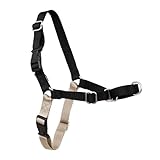
Check Price on Amazon →
dog life jacket with a handle isn’t admitting defeat—it’s smart safety that allows you to guide and rescue your dog if needed.
Even strong swimmers benefit from life jackets when learning or in open water.
Allowing Unsupervised Water Access
Never leave your dog alone near pools, ponds, or beaches. Dogs can tire, panic, or be unable to find pool steps. In-ground pools are particularly dangerous—dogs can swim until exhausted searching for an exit. Install barriers or cover pools when not in use.
Neglecting Post-Swim Care
Chlorine, salt water, and bacteria can irritate skin and cause serious ear infections. Always rinse your dog thoroughly after swimming, paying special attention to the underside and between toes. Dry the ears gently but completely—moisture trapped in the ear canal creates a perfect environment for infection.
Expecting Too Much, Too Fast
Just because your dog swam five feet today doesn't mean they're ready for a lake adventure tomorrow. Build distance and duration gradually over weeks. Pushing too hard leads to exhaustion, negative associations, and potential injury.
Patience prevents problems. Let your dog's comfort level guide the timeline, not your expectations.
Post-Swimming Care and Health Monitoring
Swimming is fantastic exercise for dogs, but what happens after they leave the water is just as important as the swim itself. A solid post-swim routine protects your dog from infections, skin problems, and serious health complications that many owners don't even know to watch for.
Immediate Post-Swim Routine
Start with a thorough freshwater rinse. Whether your dog swam in a chlorinated pool, lake, or ocean, you need to rinse off chemicals, bacteria, and salt that can irritate skin and cause "hot spots." Pay special attention to the belly, armpits, and paws where moisture gets trapped. I've seen too many dogs develop yeast infections simply because their owners skipped this step.
Dry your dog properly—don't just let them air dry. Use an absorbent towel to remove as much water as possible, working from head to tail. Dogs with thick undercoats or floppy ears need extra attention. Trapped moisture creates the perfect environment for bacterial and fungal growth.
Clean those ears immediately. This is non-negotiable for dogs with floppy ears or a history of ear infections. Tilt your dog's head and apply a veterinary ear cleaner to each ear canal, then gently massage the base. Let them shake it out (yes, it's messy—do it outside), then wipe the visible parts with cotton balls. Never use cotton swabs deep in the canal.

Check Price on Amazon →
Check their paws and skin. Look for cuts, abrasions, or signs of irritation between toe pads. Pool chemicals and rough surfaces can cause damage you won't notice until infection sets in.
Warning Signs to Watch For After Swimming
The first few hours after swimming are critical monitoring time. Here's what demands your attention:
Water intoxication (hyponatremia) is a real emergency. If your dog drank excessive amounts of water while swimming—common in enthusiastic retrievers—watch for bloating, lethargy, loss of coordination, glazed eyes, vomiting, or excessive drooling. This can progress to seizures and collapse. If you suspect water intoxication, get to an emergency vet immediately.
Exhaustion and hypothermia can sneak up on you. Even in warm weather, dogs can get hypothermic after extended swimming. Watch for excessive shivering, weakness, pale gums, or sluggish behavior. Young puppies and senior dogs are especially vulnerable.
Monitor breathing patterns. Rapid, shallow breathing that doesn't normalize within 20-30 minutes after exercise warrants attention. This could indicate respiratory distress or aspiration pneumonia from inhaling water.
Give adequate rest between sessions. Just like human athletes, dogs need recovery time. For beginners, wait 2-3 days between swims. Advanced swimmers can handle daily sessions, but watch for signs of overtraining like reluctance to swim, sore muscles, or behavior changes.
The long-term payoff is worth the vigilance. Regular swimming builds cardiovascular health, strengthens muscles without stressing joints, and provides mental enrichment. Dogs who swim regularly often maintain healthier weights and experience less age-related mobility decline. Just remember: the health benefits only come when you prioritize proper aftercare.
Frequently Asked Questions
At what age can I start teaching my puppy to swim?
Wait until puppies are at least 3-4 months old with full vaccinations. Younger puppies can do shallow water play but not actual swimming. Early positive exposure is good, but avoid cold water or exhaustion. Consult vet for breed-specific recommendations.
Do all dogs need a life jacket when learning to swim?
Strongly recommended for all beginners regardless of breed. Essential for brachycephalic, short-legged, barrel-chested, and elderly dogs. Provides safety and builds confidence during learning phase. Even strong swimmers benefit from life jackets in open water or long sessions.
How long does it typically take to train a dog to swim safely?
Varies widely: 2-8 weeks for basic swimming comfort depending on the dog. Some dogs take to water immediately, others need months of gradual exposure. Focus on confidence and safety skills rather than timeline. Consistent, positive sessions 2-3 times per week yield best results.
What should I do if my dog is terrified of water?
Never force – this creates lasting trauma and fear. Start with water play on land (sprinklers, small pools, wet towels). Use very high-value treats and make it completely stress-free. Consider working with a professional trainer experienced in water fears. Accept that some dogs may never enjoy swimming and that's okay.
Can I teach my older dog to swim, or is it only for young dogs?
Senior dogs can absolutely learn to swim – it's excellent low-impact exercise. May take longer and require more patience than with younger dogs. Vet clearance is essential to ensure no health contraindications. Swimming can help arthritic or mobility-challenged senior dogs. Use life jacket and keep sessions shorter for older dogs.