Jealousy Between Dogs in Same Household: Expert Solutions
Introduction
You've dreamed about it for months—bringing home a second dog to keep your first pup company. But within hours of the new arrival, your once-friendly dog refuses to eat, plants herself between you and the newcomer, or even snaps when the new dog approaches. The guilt hits hard. Did I make a terrible mistake?
Take a deep breath. What you're witnessing isn't your dog's personality changing overnight. It's jealousy—a real emotional response that's deeply rooted in canine psychology.
Jealousy Between Dogs Is Real (and Completely Normal)
For years, trainers debated whether dogs actually experience jealousy or if we were just projecting human emotions onto them. Research from the University of California, San Diego settled this debate: dogs absolutely display jealous behaviors, especially when they perceive a rival receiving attention or resources they value.
But here's what many dog owners misunderstand—canine jealousy isn't about spite or dominance. It's about resource guarding and competition anxiety. Your first dog isn't trying to be the "alpha" or assert control. She's worried that this newcomer threatens her access to the things she needs: your attention, her favorite sleeping spot, meal times, walks, and play sessions. From her perspective, there's suddenly competition for limited resources, even if you know there's plenty of love to go around.
Moving Past Outdated Myths
Before we dive into solutions, let's clear up a common misconception. If someone tells you to let your dogs "work it out" or that your first dog needs to "show dominance and establish pack order," ignore that advice. The dominance theory has been thoroughly debunked by modern canine science. What looks like one dog being "dominant" is usually just normal communication—or in problematic cases, resource guarding that needs management.
Similarly, not all tension between dogs is jealousy. Sometimes you're seeing:
- Normal social negotiation and boundary-setting
- Play that looks rougher than it actually is
- Overstimulation or poor doggy manners (especially with puppies)
- Actual resource guarding that requires different intervention
Learning to distinguish between these behaviors is crucial for choosing the right approach.
What You'll Learn in This Guide
This article will give you the knowledge and tools to transform a tense multi-dog household into a peaceful one. You'll discover how to:
- Identify true jealousy versus other common behaviors that get mislabeled
- Prevent jealousy from developing when introducing a new dog (or repair early mistakes)
- Manage resources strategically so both dogs feel secure
- Follow step-by-step training protocols that reduce competition and build positive associations
- Recognize when you need professional help versus what you can handle yourself
The good news? Most cases of canine jealousy improve dramatically with consistent management and positive reinforcement training. Your dogs don't have to be best friends—but they can learn to coexist peacefully and even enjoy each other's company. Let's get started.
What Does Jealousy Between Dogs Actually Look Like?
Recognizing jealousy in dogs isn't always straightforward. Unlike humans who might roll their eyes or make snarky comments, dogs communicate through body language and behavior that can be surprisingly subtle—or shockingly obvious.
The most unmistakable sign? Your dog physically inserting themselves between you and another dog. I've watched countless dogs literally wedge their bodies into the space when their owner is petting another dog, or plop down directly on their owner's lap when a canine sibling approaches. This "blocking" behavior is your dog's way of saying, "Nope, this human is mine."
Common behavioral signs include:
- Pushing or nudging their way into interactions
- Attention-seeking escalation—bringing toys, pawing, or even fake limping when you're focused on another dog
- Strategically positioning themselves between you and the other dog, even during casual moments
- Following you obsessively (shadowing) when the other dog is nearby
- Racing to beat the other dog to you when you call or enter a room
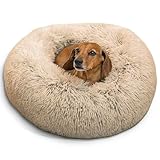
Physical indicators often tell the real story. Watch for body stiffness when another dog gets attention—your dog might look like a statue, frozen in place while watching the interaction. "Whale eye" (showing the whites of their eyes while tracking your movements with the other dog) is a classic stress indicator. Some dogs will hover-stand over their
Check Price on Amazon →
or favorite spots, not because they want to use them, but to prevent the other dog from accessing them.
Vocal cues range from soft whining and whimpering when excluded to more dramatic barking or low growling. One of my client's Labs would emit this pathetic, escalating whine every time her brother got pets—pure manipulation, and it worked every time.
Displacement behaviors are the ones owners often miss. These are stress-relieving actions that seem random: sudden scratching when they're not itchy, excessive yawning when not tired, or compulsive licking of paws or furniture when they're feeling left out. Your dog isn't being weird—they're managing uncomfortable emotions.
Jealousy vs. Resource Guarding: Understanding the Overlap
Here's where it gets tricky: jealousy and resource guarding often look identical because technically, a jealous dog is guarding a resource—you. The distinction? Resource guarding typically focuses on objects (food, toys, beds), while jealousy centers specifically on social attention and access to preferred people.
However, jealousy can trigger resource guarding. A dog who feels insecure about their position might start guarding everything more intensely. If your dog only guards items when the other dog is around but seems relaxed when alone, jealousy is likely the root cause.
When Jealous Behavior Crosses Into Aggression
Mild jealousy—a gentle push or attention-seeking bark—is manageable. But watch for escalation: hard stares, lip curls, snapping, or launching at the other dog when you give them attention. These are red flags.
If your jealous dog is making the other dog avoid you entirely, refusing to let them approach, or creating a tense atmosphere where everyone's walking on eggshells, you've moved beyond typical sibling rivalry into a serious behavioral issue that needs professional intervention. Don't wait until a fight breaks out to take action.
The Science Behind Canine Jealousy: What Research Tells Us
For years, skeptics dismissed canine jealousy as "anthropomorphism"—just humans projecting emotions onto their pets. But science has proven what dog owners have always known: dogs absolutely experience jealousy, and it's hardwired into their social nature.
Dogs Really Do Get Jealous (And We Have Proof)
The landmark 2014 UC San Diego study finally gave us scientific validation. Researchers asked owners to interact affectionately with three different objects while ignoring their dog: a realistic stuffed dog that barked and wagged its tail, a jack-o'-lantern, and a children's book. The results were striking.
When owners lavished attention on the fake dog, 78% of the real dogs pushed or touched their owner, trying to get between them and the "rival." They also snapped at the stuffed dog and showed significantly more stress signals. But when owners ignored them for the pumpkin or book? Much less reaction. The dogs weren't just upset about being ignored—they were specifically bothered by a perceived competitor for their human's affection.
Why Jealousy Developed in Dogs
Here's the thing: jealousy isn't a character flaw. It's an adaptive behavior that helped dogs survive alongside humans for thousands of years.
Dogs evolved as one of the few species truly attuned to human social cues. They watch where we look, understand our pointing gestures, and compete for our attention because historically, being in a human's good graces meant better access to:
- Food and resources
- Shelter and warmth
- Protection from threats
- Social companionship
In a multi-dog household, this evolutionary programming kicks into overdrive. Your dogs aren't being petty—they're responding to deeply ingrained survival instincts that say "maintain your relationship with the resource provider."
Pack Dynamics vs. Jealousy: Setting the Record Straight
Let's debunk something important: jealousy between household dogs isn't about "dominance" or "pack hierarchy." Modern behavioral science has thoroughly discredited the alpha/pack leader theory when applied to domestic dogs living with humans.
What looks like a dominance struggle is usually resource guarding behavior combined with jealousy. Dogs aren't trying to be the "alpha"—they're trying to secure their fair share of something valuable (your attention).
Personality Matters More Than You Think
Not all dogs experience jealousy equally. Individual personality and life experience play huge roles:
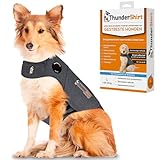
Insecure or anxious dogs tend to show more jealous behaviors. They constantly seek reassurance and perceive other dogs as threats to their relationship with you. An
Check Price on Amazon →
can help these dogs feel more secure during training sessions.
Under-socialized dogs who missed crucial puppy socialization periods may not have learned proper canine communication skills. They struggle to "share" their humans because they never learned those rules.
Former "only dogs" often have the hardest adjustment when a new dog joins the household. They went from 100% of your attention to 50% overnight—that's a massive change that triggers jealous responses.
Understanding that jealousy is normal, scientifically documented, and rooted in survival instincts helps us approach the problem with compassion rather than frustration. Your dogs aren't being difficult—they're being dogs.
Common Triggers That Spark Jealousy in Multi-Dog Homes
Understanding what sets off jealous behaviors is the first step toward creating harmony in your multi-dog household. Let's break down the most common flashpoints I see in my training practice.
The Homecoming Scene
Those first few minutes when you walk through the door? That's prime time for jealousy to rear its head. If you consistently greet one dog before the other—maybe your smaller dog jumps up first, or your older dog is slower to reach you—the pattern creates expectation. The dog who gets attention second may start pushing, barking, or nudging to cut in line. I've seen dogs literally body-block each other during these greetings.
Physical Affection Competition
This is where things get interesting. You're sitting on the couch petting Max, and suddenly Bella wedges herself between you and Max, or starts pawing at your arm. Lap time is especially contentious—some dogs will actually sit on top of another dog to claim that coveted spot. Watch for one dog jumping onto furniture the moment you start petting their housemate, or deliberately positioning themselves to interrupt cuddling sessions.
Training and Individual Attention
When you work with one dog on

Check Price on Amazon →
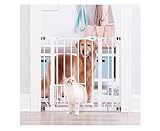
or practice new commands, the other dog often feels left out. I recommend using a
Check Price on Amazon →
to separate dogs during training sessions initially. The excluded dog may whine, bark at the gate, or later show passive-aggressive behaviors like ignoring commands they normally know well.
Feeding Time Tensions
Food is a massive trigger. This includes not just meals, but treat distribution, food prep time (when one dog gets veggie scraps while you're cooking), and even the order you fill food bowls. Some dogs will rush through their own meal to investigate their housemate's bowl, while others guard their bowl even before food arrives. The dog who finishes first might hover nearby, creating stress for the slower eater.
Toy and Play Jealousy
You throw a ball for Duke, and suddenly Sadie—who showed zero interest in that ball five minutes ago—desperately wants it. Play jealousy manifests when one dog monopolizes your attention during games, or when dogs compete for the same toy despite having identical options available. The dog who's excluded may steal toys, interrupt play, or act out in other ways.
New Arrivals and Adjustment Periods
Bringing home a new dog temporarily disrupts the established hierarchy. Your resident dog may seem fine initially, then show jealous behaviors once the newbie starts getting comfortable and seeking more attention. This adjustment phase typically lasts 3-8 weeks but can trigger lasting jealousy patterns if not managed properly.

Check Price on Amazon →
When Life Circumstances Change
Illness, aging, or injury in one dog often requires extra care and attention—and the healthy dog notices. If you're carrying your senior dog upstairs or hand-feeding a recovering dog, your other dog may demand similar treatment or act out to reclaim attention. These situations require careful balance between meeting medical needs and maintaining fairness.
The key takeaway? Jealousy rarely appears randomly. It's almost always tied to predictable situations where dogs perceive unequal treatment.
Prevention Strategies: Setting Up Your Multi-Dog Household for Success
The best time to address jealousy between dogs is before it becomes a problem. When you establish clear routines and boundaries from day one, you're creating an environment where all your dogs feel secure and valued—without needing to compete for resources or attention.
Introducing a New Dog to Minimize Jealousy
Bringing a new dog into your home is a critical moment that sets the tone for future relationships. Start introductions on neutral territory—a nearby park works perfectly. Let the dogs meet and sniff while walking parallel to each other, not face-to-face, which can feel confrontational.
Once home, your resident dog should enter first. They need to know their territory hasn't been taken over. For the first two weeks, supervise all interactions and keep them relatively brief. Give your existing dog even more attention than usual during this transition—not less. This counterintuitive approach prevents them from associating the new dog with loss.
Establish individual routines immediately. Each dog should have their own

Check Price on Amazon →
or designated space where they can decompress without interference. Feed them separately, even if it means one dog eats in the kitchen and another in a different room. This isn’t forever—it’s foundation-building.
Resource Management: Toys, Beds, and High-Value Items
Here's a truth that surprises many dog owners: fair doesn't mean equal. Your senior Labrador and your adolescent Border Collie have completely different needs. One might crave long walks and training sessions, while the other prefers shorter outings and more nap time.
Create separate safe zones for each dog with their own bed, water bowl, and a few toys. These spaces should be off-limits to other dogs. Use
Check Price on Amazon →
barriers if needed to enforce boundaries while dogs learn the rules.
High-value items like bully sticks, stuffed Kongs, or special chew toys should only come out during separated time. I've seen too many dog fights start over a pig ear. It's simply not worth the risk, especially in the early stages of building household harmony.
Teach foundational commands before jealousy patterns emerge:
- "Wait": Each dog learns to pause before getting what they want
- "Place": Sends each dog to their designated bed or mat
- "Leave it": Helps manage resource guarding before it escalates
These commands become your management tools during high-trigger situations like meal prep, guests arriving, or when you're putting on shoes to leave.
Structure your daily routines proactively:
- Feed dogs in separate spaces at the same time (reduces food anxiety)
- Establish a predictable order for putting on leashes—stick to it
- Rotate which dog gets attention first throughout the day
- Schedule individual walk time with each dog weekly
- Practice having one dog in a calm "place" while you work with the other
Individual bonding time isn't optional—it's essential. Even 15 minutes of one-on-one training, walking, or play tells each dog they matter independently. This security reduces the desperate need to compete for your attention.
The key is consistency. When dogs know what to expect and trust that their needs will be met, jealousy has far less room to take root.
Training Techniques to Reduce Jealousy Between Your Dogs
The good news? Jealousy isn't a life sentence for your dogs. With consistent training, you can teach them that taking turns is rewarding and that another dog getting attention doesn't mean they're losing out. These techniques work best when practiced daily in short, positive sessions.
The 'Go to Your Spot' Protocol for Managing Jealous Moments
This is your foundation skill—think of it as teaching each dog their "home base" during potentially tense moments. Start by choosing a specific spot for each dog: a
Check Price on Amazon →
, mat, or designated bed works perfectly.
Train each dog separately first. Use a treat to lure them to their spot, say "place" or "go to your spot," and reward heavily when they settle there. Build duration gradually—start with 5 seconds, then 10, then 30. Once each dog reliably goes to their spot on cue, here's where it gets powerful:
Have Dog A on their spot while you give Dog B attention for 15-30 seconds. Reward Dog A for staying put. Switch. This teaches both dogs that waiting patiently earns rewards, while the other dog getting attention is just part of the routine. Practice this during calm moments first—not when tensions are already high.
Impulse control exercises strengthen this foundation. Teaching both dogs to wait at doors, sit before meals, and pause before greeting you builds the emotional muscle they need to handle frustration. The dog who can wait 10 seconds for dinner can learn to wait while their sibling gets a belly rub.
Counterconditioning: Changing Your Dog's Emotional Response
Here's where we shift the emotional landscape. The goal is to help your jealous dog think, "When my sibling gets attention, good things happen to me too!"
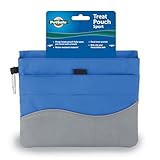
Start with parallel training sessions. Both dogs in the same room, but working separately with different family members. Use high-value rewards to create positive associations. Gradually work closer together, always keeping sessions upbeat.
Check Price on Amazon →
Capture and reward tolerance moments religiously. The instant your jealous dog sees the other getting petted and doesn't react—mark it (with a clicker or "yes!") and reward. You're catching them being good, building new neural pathways that say "this is fine."
Try sequential attention with predictable patterns: Dog A gets 30 seconds of petting, then Dog B gets 30 seconds. Repeat. The predictability reduces anxiety because both dogs know their turn is coming. Over time, you can vary the pattern, but start consistent.
Distance work matters too. Initially, have your jealous dog 10 feet away on their spot while the other gets attention. As they improve, gradually decrease that distance over days or weeks.
When to Seek Professional Help from a Certified Trainer
Sometimes jealousy escalates beyond typical training. Seek help from a certified professional (CPDT-KA, IAABC, or similar credentials) if you see:
- Fights breaking out over attention or resources
- One dog guarding you aggressively
- Signs of fear or anxiety that worsen despite training
- Injuries occurring between dogs
- Your stress level making consistent training impossible
A qualified trainer can assess the dynamics in your home and create a customized behavior modification plan. There's no shame in calling in reinforcements—you're being a responsible dog owner.
Management Solutions for Day-to-Day Life
Successfully managing jealousy between household dogs requires thoughtful structure and consistency. The good news? Once you establish clear routines, life becomes much easier for everyone.
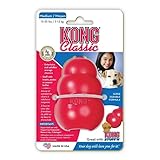
Create a rotation schedule for coveted resources like lap time, couch access, and one-on-one attention. I recommend setting a timer on your phone—yes, really! Give Dog A fifteen minutes of couch cuddles while Dog B gets a
Check Price on Amazon →
filled with frozen peanut butter in their crate. Then switch. This prevents the constant jockeying for position and teaches both dogs that good things come to those who wait.
Use physical management tools strategically. Baby gates and exercise pens aren't punishment—they're prevention. When you can't actively supervise, use a
Check Price on Amazon →
to give each dog their own space. This stops jealous behaviors from being practiced and reinforced hundreds of times before you even begin training.
Implement separate greeting protocols when you arrive home. The front door chaos often triggers intense jealousy. Try this: put one dog in another room with a stuffed Kong before you walk in. Greet the first dog calmly, then switch. You can gradually work toward greeting both together once the jealousy subsides.
Feeding strategies are critical. Separate rooms work best for most households—no visual access means no stress. If space is limited, feed at different times or use opposite ends of a long room with you standing between as a barrier. Never free-feed jealous dogs; scheduled meals give you control and predictability.
During grooming and care routines, keep the non-recipient dog occupied and out of sight. Brushing one dog while the other watches is a recipe for tension. Give the waiting dog a high-value activity in another room—a bully stick,

Check Price on Amazon →
with cream cheese, or puzzle toy.
Learn to read early warning signs of escalating jealousy: hard stares, body blocking, hovering, or rushing over when you interact with the other dog. Intervene before things escalate by calmly redirecting the jealous dog to their bed or behind a gate. Catching these moments early prevents the explosive reactions that make everyone miserable.
Special Considerations for Senior Dogs Living with Younger Dogs
Senior dogs often become more jealous when a younger dog joins the household. Their resources feel threatened, and they may lack the energy to compete. Give your senior dog priority access to comfortable sleeping spots and quiet spaces away from a boisterous youngster. Schedule separate exercise routines—your senior shouldn't have to keep up with a puppy's energy to earn attention.
Managing Jealousy When One Dog Has Special Needs
When one dog requires medication, physical therapy, or special care, the other may become resentful of the extra attention. Balance this by creating positive associations: when Dog A gets their medication, Dog B automatically gets a high-value treat in another room. If one dog needs post-surgery rest and monitoring, make the healthy dog's routine extra enriching with sniffing games, training sessions, and special outings. This prevents jealousy from taking root during vulnerable recovery periods.
Troubleshooting Common Multi-Dog Jealousy Scenarios
Real-world jealousy problems rarely look like textbook examples. Let's tackle the messy situations you're actually dealing with.
One Dog Constantly Interrupts When You Pet the Other
This is the classic "nudger"—the dog who physically wedges between you and their housemate. Here's your action plan:
Start with basic impulse control. Teach the interrupting dog a solid "place" or "go to your bed" command separately first. They need to understand the behavior before you can expect them to perform it during emotional moments.
Create a pattern they can predict. Set a timer for 2-3 minutes and give Dog A affection while Dog B is on their bed. When the timer goes off, immediately release Dog B and give them attention while sending Dog A to their place. Dogs tolerate waiting much better when they know their turn is coming.
Reward the waiting dog generously. While petting Dog A, periodically toss treats to Dog B for staying put. You're teaching them that good things happen when the other dog gets attention.
Check Price on Amazon →
Aggressive Guarding of the Owner
This requires immediate safety protocols. If your dog growls, snaps, or lunges when another dog approaches you, you're dealing with resource guarding—and you're the resource.
Safety first: Separate the dogs whenever you can't actively supervise. Use
Check Price on Amazon →
to create physical boundaries that prevent rehearsal of the aggressive behavior.
Counterconditioning is key. Start at a distance where your guarding dog notices the other but doesn't react. When the second dog appears in view, immediately feed your guarder high-value treats. When the other dog leaves, treats stop. You're rewiring the emotional response: other dog = good things happen.
Never punish guarding behavior. Punishment suppresses the warning signals without changing the underlying emotion. You'll end up with a dog who "snaps out of nowhere."
Fighting Breaks Out When You Give Attention
This is an emergency situation requiring professional help, but here's your immediate management plan:
Stop giving attention when both dogs are present. Seriously. You need to break the pattern before rebuilding. Give individual attention in separate spaces, then gradually reintroduce joint time through parallel activities (both dogs getting treats, neither getting petted) before progressing back to physical affection.
One Dog Becomes Destructive or Anxious When Excluded
This isn't just jealousy—it's separation anxiety piggybacking on jealousy. The excluded dog panics when separated from you and the other dog.
Work on alone-time confidence separately from jealousy issues. Start with 30-second separations and build up. Give the excluded dog a high-value occupied activity like a frozen stuffed Kong to create positive associations with solo time.
Jealousy Toward One Specific Dog Only
In multi-dog households, sometimes the issue is between two specific dogs competing for you. Identify the trigger dog and work with that pair separately. The jealous dog may feel threatened by a newer, younger, or more confident dog.
Regressive Behaviors: When Jealousy Escalates
House soiling, excessive barking, or extreme attention-seeking (pawing, jumping, barking directly at you) signal that stress levels have exceeded your dog's coping capacity. These aren't spite behaviors—they're distress signals.
Return to basics: re-establish house training protocols, increase individual exercise, and temporarily increase structure around attention-giving.
When to Call in the Professionals
Seek veterinary behavioral consultation if:
- Fights cause injuries or escalate in intensity
- You feel afraid or unsafe
- Regressive behaviors persist beyond 2-3 weeks
- One dog shows signs of depression (loss of appetite, lethargy, withdrawal)
Medication isn't "giving up"—it's reducing anxiety enough that training can actually work. Think of it as turning down the emotional volume so your dog can learn.
Frequently Asked Questions
Is it normal for dogs to be jealous of each other?
Yes, jealousy between dogs is completely normal and scientifically documented behavior. Dogs compete for valued resources, including human attention and affection. It becomes problematic only when it leads to aggression, anxiety, or significantly disrupts household harmony. Most multi-dog homes experience some level of jealousy that can be managed with proper training.
Should I ignore my jealous dog when giving attention to the other?
Complete ignoring can increase anxiety and make jealousy worse in some dogs. Better approach: teach the jealous dog an alternative behavior like going to their bed. Reward calm, tolerant behavior rather than just ignoring unwanted behavior. Create predictable patterns so the jealous dog knows they'll get their turn. Some dogs need management (physical separation) rather than training in the moment.
Will my dogs eventually work it out on their own?
No—without intervention, jealous behavior typically gets worse through rehearsal. Dogs practice and perfect behaviors they repeat, including jealous reactions. Active training and management prevent escalation to aggression or chronic stress. Waiting for dogs to 'sort it out' can result in injuries and damaged dog-dog relationships. Early intervention leads to faster resolution and better long-term household harmony.
Can jealousy between dogs lead to serious fighting?
Yes, unchecked jealousy can escalate to resource guarding and dog-dog aggression. Fighting is more likely when jealousy involves high-value resources like food, toys, or owner proximity. Dogs with poor impulse control or prior aggression history are higher risk. Warning signs include stiff body language, hard stares, freezing, or snapping. If fights have occurred, work with a certified dog behavior consultant immediately.
How long does it take to resolve jealousy issues between dogs?
Timeline varies based on severity, duration of the problem, and training consistency. Minor jealousy with proactive management: 3-6 weeks of consistent training. Moderate cases with established patterns: 2-4 months of dedicated work. Severe cases involving aggression: 6+ months with professional guidance. Success requires daily training, consistent management, and patience—not a quick fix. Most households see noticeable improvement within the first month of consistent work.