Off Leash Dog Training in Open Spaces: Complete Guide
Introduction: The Freedom and Responsibility of Off-Leash Training
There's nothing quite like watching your dog race across an open meadow, ears flying, pure joy radiating from every bound—and then seeing them pivot immediately when you call their name. That reliable recall, that trust between you and your dog, represents the pinnacle of training achievement. Off-leash freedom in open spaces isn't just about letting your dog run; it's about building a partnership where your dog chooses to stay connected to you, even with the entire world beckoning.
The benefits extend far beyond the obvious exercise. Dogs who enjoy regular off-leash time in appropriate spaces tend to be calmer at home, more mentally satisfied, and better socialized. They learn to make good decisions, navigate their environment confidently, and understand that freedom comes with expectations. For you, it means less stress, more adventure opportunities, and the deep satisfaction of knowing you can trust your dog in virtually any situation.
But here's the reality: off-leash freedom is a privilege, not a right. Every dog owner who lets their untrained dog run loose while it ignores their calls, harasses wildlife, or approaches nervous dogs "just to say hi" makes it harder for the rest of us. Proper training isn't optional—it's your responsibility to your dog, to local wildlife, to other trail users, and to the community that shares these spaces. In many areas, off-leash privileges are constantly under threat because of irresponsible owners who haven't put in the work.
What Makes Open Spaces Different
Training in a fenced yard or enclosed dog park is one thing. Training in open spaces—hiking trails, beaches, fields, or parks—is an entirely different challenge. In open areas, your dog faces:
- Exponentially more distractions: deer, squirrels, other hikers, mountain bikers, and unfamiliar scents everywhere
- Greater distances: your dog might be 50 or 100 yards away, not just across a backyard
- Variable terrain: hills, water, dense brush that can hide your dog from view
- Real consequences: traffic at trailheads, cliffs, wildlife encounters, or getting genuinely lost
These factors require more advanced training, better communication systems, and stronger impulse control than basic obedience work.

Check Price on Amazon →
What You'll Learn in This Guide
This guide will walk you through a systematic approach to achieving reliable off-leash freedom. You'll learn how to build a bulletproof recall, teach your dog to check in with you naturally, manage the transition from on-leash to off-leash safely, and handle common challenges like wildlife distractions and other dogs. We'll cover the foundational skills every off-leash dog needs, the training progressions that set you up for success, and the safety protocols that protect your dog and the environment.
Whether you're starting with a young dog or retraining an adult who's developed selective hearing, this guide will give you the practical tools to make off-leash freedom a reality—responsibly and reliably.
Assessing Your Dog's Readiness for Off-Leash Training
Before you unclip that leash in an open field, let's be honest: is your dog truly ready? Off-leash training isn't just about freedom—it's about trust, reliability, and safety. Rushing this process can set you back months or even put your dog in danger.
Foundation Skills Checklist
Your dog needs three critical skills locked in before off-leash work begins:
Solid Recall – This is non-negotiable. Your dog should come when called even with moderate distractions. I'm talking about returning to you when another dog is playing nearby, when squirrels are present, or when something mildly interesting happens. If your dog only comes when nothing else is happening, you're not ready.
Impulse Control – Can your dog wait at doors? Hold a stay while you walk away? Leave food alone when asked? These aren't just party tricks—they're proof your dog can override their natural impulses when you ask. Without this, you'll struggle to interrupt chasing behavior or get attention when it matters most.
Focus and Engagement – Your dog should regularly check in with you, even without prompting. If you're just "the person holding the leash" rather than an active partner, work on building that connection first.
Check Price on Amazon →
The 80% Rule
Here's the truth many trainers won't tell you upfront: if your dog doesn't respond reliably on-leash at least 80% of the time in various environments, they're absolutely not ready for off-leash work. That leash isn't the training goal—it's your safety net while building reliability. I've seen countless owners skip this step and end up chasing their dog through parks, eroding trust with every failed recall.
Age and Maturity Considerations
Puppies under six months lack the impulse control for reliable off-leash work, no matter how smart they seem. Adolescent dogs (roughly 6-18 months, depending on breed) go through a "teenage phase" where previously solid skills can temporarily fall apart. This is normal! During this phase, consider it a maintenance period rather than advancement time.
Most dogs develop true off-leash reliability between 18 months and 3 years. Yes, that might seem like a long wait, but safety trumps convenience every time.
Temperament Factors
Know your dog honestly. High prey drive doesn't disqualify a dog from off-leash work, but it means you need extra-solid recalls and more gradual progressions. I've worked with terriers and hounds who learned excellent off-leash skills, but it took acknowledging their natural tendencies and training accordingly.
Reactive or fearful dogs need special consideration. Off-leash freedom can actually make reactivity worse if your dog rehearses the behavior of charging or fleeing from triggers. Address reactivity on-leash first with a qualified trainer.
Breed-Specific Considerations for Off-Leash Work
Certain breeds present unique challenges. Sighthounds (Greyhounds, Whippets, Salukis) have such strong chase instincts that many never achieve reliable off-leash recall in open areas—and that's okay. Northern breeds like Huskies have been bred for independent decision-making and ranging far from humans. This doesn't mean failure; it means realistic expectations and possibly keeping them on a long line in unfenced areas.
Herding breeds and sporting dogs often excel at off-leash work because they're bred to work closely with handlers. But that's a generalization—evaluate your individual dog, not breed stereotypes.
The bottom line? Be brutally honest about where your dog is now, not where you wish they were. That honesty is the foundation of successful off-leash training.
Choosing the Right Open Spaces for Training Progression
The environment you choose for off-leash training can make or break your success. Starting in the wrong location—like a crowded dog park or unfenced field near a busy road—sets your dog up for failure and puts their safety at risk. Let's talk about how to select training spaces strategically.
Ideal Beginner Training Locations
Your first off-leash sessions should happen in semi-enclosed spaces with minimal distractions. Think tennis courts (during off-hours), fenced baseball fields, or quiet schoolyards on weekends. These locations give you a safety net while your dog learns that freedom doesn't mean ignoring you.
I always recommend using a
Check Price on Amazon →
initially, even in fenced areas. It bridges the gap between on-leash and true off-leash freedom, letting you maintain control without constant tension on the line.
Look for these features in beginner locations:
- Physical boundaries like fencing or natural barriers (hedgerows, ditches)
- Low foot traffic with few people, cyclists, or joggers passing through
- Minimal dog activity so your pup isn't overwhelmed by playmates
- Even, safe terrain without holes, broken glass, or dangerous debris
- Good visibility so you can see your dog and any approaching distractions
Scout locations during the time of day you'll actually train. A peaceful park at 7 AM might be chaos by 10 AM when dog walkers arrive.
Understanding Local Regulations and Etiquette
Before you train anywhere, know your local leash laws. Most public spaces require leashes, and "but we're training" isn't a legal defense if something goes wrong. Violating leash laws can result in fines and—worse—if your dog bothers someone, you're liable.
Seek out designated off-leash areas: dog parks with separate training sections, official off-leash zones, or private training facilities. Many cities list legal off-leash areas on their parks department websites.
Even in legal off-leash areas, follow these etiquette rules:
- Ensure your dog has solid recall before going fully off-leash
- Always carry a leash with you
- Don't let your dog approach leashed dogs without permission
- Clean up after your dog immediately
- Be ready to leash up if your dog isn't responding or conditions change
Building Your Progression Plan
Smart training follows a gradual progression. Here's a realistic timeline:
Weeks 1-3: Fenced areas with zero other dogs present. Practice recalls, position changes, and engagement games.
Weeks 4-6: Same enclosed spaces, but during times when occasional distractions appear (distant people, one or two calm dogs).
Weeks 7-10: Move to larger enclosed areas like sports fields or practice at off-leash parks during quiet hours.
Weeks 11+: Graduate to open spaces with sight lines but no fencing—large meadows or beaches where you can see your dog from far away.
Before each progression, ask yourself: "Is my dog succeeding 80% of the time at the current level?" If not, you're moving too fast.
Scout every new location beforehand. Walk the perimeter checking for hazards: Are there groundhog holes? Evidence of wildlife (deer trails, coyote scat)? Broken fencing? Poisonous plants? The five minutes you spend investigating could prevent a disaster.
Remember: progressing slowly isn't failing—it's smart training that keeps your dog safe while building bombproof skills.
Essential Equipment and Tools for Off-Leash Training
Getting your dog off-leash ready requires more than just enthusiasm—you need the right gear to keep training safe, effective, and progressive. Let's walk through what actually works in open spaces and what you should leave at home.
The Foundation: Long Lines
A long line is your bridge between on-leash control and true off-leash freedom. These lightweight leads typically range from 15 to 50 feet and give your dog freedom to explore while you maintain emergency control.
For most dogs, I recommend starting with a 20-30 foot line. This length offers enough freedom for recall practice without becoming unmanageable. Save the 50-footers for advanced training in very open areas—they can become tangled nightmares for beginners.
Check Price on Amazon →
Material matters: Choose biothane or coated nylon over rope or cotton. They won't absorb water, mud, or that lovely eau de dead fish your dog inevitably finds.
How to Properly Use a Long Line
Never wrap the line around your hand or wrist—that's a fast track to rope burn or injury if your dog bolts. Instead, let it drag or hold it loosely, gathering slack as your dog moves closer.
Practice your footwork. You'll need to shuffle and sidestep to prevent the line from tangling around your legs, trees, or other dogs. In the beginning, work in wide-open fields without obstacles until you develop this skill.
Pro tip: Wear gloves during initial sessions. Even smooth lines can burn if they slide through your hands quickly.
Harness vs. Collar: Making the Right Choice
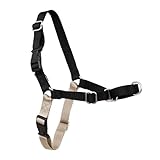
For long-line work, a back-clip harness wins every time. Unlike collars, harnesses distribute pressure across the chest if your dog hits the end of the line, preventing trachea damage and reducing the reward of pulling.
Check Price on Amazon →
Front-clip harnesses can work too, though they may redirect your dog's body awkwardly during sudden movements. Save flat collars for holding ID tags—not for training lines in open spaces.
Rewards That Actually Motivate
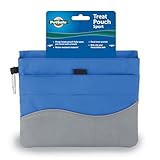
Open spaces are distracting. That kibble that works at home? Forget it. You need high-value rewards like small pieces of chicken, cheese, or commercial training treats. Keep them in a treat pouch secured at your hip for quick access.
Check Price on Amazon →
Building Reliable Recall Signals
Whistles cut through wind and distance better than your voice ever will. A consistent two-note pattern (like "tweet-tweet") becomes a conditioned recall cue your dog can hear from hundreds of yards away.

Check Price on Amazon →

Check Price on Amazon →
Pair every whistle with a verbal cue and jackpot rewards. Eventually, you'll have two reliable recall signals—essential redundancy when it matters most.
Emergency Equipment Every Handler Should Carry
Always bring:
- Fresh water (for you and your dog)
- Basic first aid kit with gauze and vet wrap
- Phone with emergency contacts programmed in
- GPS tracker attached to your dog's collar (affordable Bluetooth models work within 200 feet; cellular versions track anywhere)
- Extra slip lead in case your primary equipment fails
What NOT to Use
Retractable leashes are dangerous for off-leash training. The thin cord can snap, the locking mechanism fails at critical moments, and they teach dogs to pull constantly. They have zero place in open-space work.
Similarly, skip prong collars, choke chains, and e-collars unless working with a qualified professional. Off-leash training builds on trust and positive associations—not fear or discomfort.
Step-by-Step Training Protocol for Open Spaces
Off-leash freedom doesn't happen overnight. Here's the systematic approach I've used with hundreds of dogs to build reliable off-leash behavior in progressively challenging environments.
Phase 1: Long-Line Work in Open Areas
Start with a 30-50 foot
Check Price on Amazon →
in a large, open space like an empty field or quiet park. This gives your dog the illusion of freedom while you maintain safety control. Practice recalls every 2-3 minutes, rewarding generously when your dog returns. Gradually increase the distance between you, letting the line drag (never holding it tight—you want your dog to feel free, not restrained).
Work at this phase for at least 2-3 weeks, or until your dog checks in with you naturally every 30-60 seconds without being called.
Phase 2: Controlled Off-Leash in Semi-Enclosed Spaces
Find spaces with natural boundaries—fenced baseball fields, tennis courts after hours, or small clearings surrounded by dense woods. These environments provide psychological containment while you test your dog's reliability without the safety net.
Start with short 5-minute sessions. Keep the energy positive and end before your dog's attention wanes. If your dog ignores a recall here, you're not ready for truly open spaces yet.
Phase 3: Introducing Distractions Systematically
Add distractions in this order: unfamiliar people at a distance, wildlife scents on the ground, other dogs visible but far away, then finally other dogs nearby. Each new distraction level means temporarily shortening your distance and increasing reward value.
Never test a new distraction in a fully open space—always give yourself an advantage first.
The 3-Stage Recall Training Method
Stage 1: The Name Game
Your dog's name should mean "look at me immediately." Practice saying their name once (never repeat!) and marking with a click or "yes!" the instant they look. Reward. Do this 20 times daily in low-distraction settings.
Stage 2: The Recall Chain
Build the sequence: name → eye contact → recall cue → dog runs to you → touch your hand (target) → reward. That hand touch is crucial—it prevents drive-by recalls where dogs run past you.
Stage 3: Distance Recall Proofing
Use a
Check Price on Amazon →
or verbal cue consistently. Start at 10 feet, then 20, 50, and beyond. Practice in different directions—don’t just call your dog back from where they’re exploring; call them when they’re already heading toward you to build a positive association without pressure.
Building a Strong 'Check-In' Behavior
The check-in game is my secret weapon. Every time your dog voluntarily looks at you during off-leash time—without being called—immediately mark and reward. This teaches your dog that paying attention to you is more rewarding than the environment.
Play "find me" by stepping behind trees or changing direction when your dog isn't watching. When they notice you're "gone" and come looking, celebrate like they've won the lottery. This builds magnetic engagement.
Training the Emergency Stop Command
Your emergency stop ("STOP" or "WAIT") should freeze your dog mid-movement. Train this separately from recalls—it's for genuine emergencies like an approaching car.
Practice by saying your cue as your dog walks toward something mildly interesting (not during high arousal). Mark and reward any hesitation or pause, gradually building to a complete stop. Once reliable, practice during movement, then running. This cue can literally save your dog's life, so train it to the point of muscle memory.
Remember: off-leash reliability is about thousands of successful repetitions building into habit. Take your time with each phase.
Managing Common Challenges and Distractions
Even the best-trained dogs will encounter situations in open spaces that test their recall reliability. Understanding these challenges and having a game plan makes the difference between a frustrating outing and a successful training session.
The Prey Drive Management Protocol
High prey drive is hardwired into many breeds, and fighting it head-on rarely works. Instead, we need to acknowledge it and work within that framework.
When your dog spots a squirrel or rabbit, their arousal level skyrockets in seconds. The key is catching them before they hit that point of no return. Watch for the "predatory sequence": freeze, stalk, chase. Your window to interrupt is during the freeze—once they're in motion, it's too late.
Practice the "Look at That" (LAT) game: When your dog notices wildlife, mark the moment they look at it ("Yes!") and immediately reward them for looking back at you. You're essentially paying them for noticing distractions rather than punishing them for natural behavior.
For dogs with intense prey drive, keep a
Check Price on Amazon →
attached during early open-space training. This prevents them from rehearsing the chase behavior, which only makes it stronger.
Progressive desensitization works: Start in areas with fewer distractions, then gradually increase the "temptation level." A park with distant birds is easier than one with bold squirrels darting across your path.
What to Do When Your Dog Won't Come Back
First, let's address the elephant in the room: if your dog consistently ignores you in open spaces, they're not ready for off-leash freedom yet. Return to long-line work immediately.
When your dog "blows you off," resist the urge to chase them—you'll never win that game, and it teaches them that recall means "run away from the slow human." Instead:
The "reverse recall": Run in the opposite direction while making excited noises. Most dogs can't resist chasing you. When they catch up, party like you won the lottery.
If your dog is engaged with another dog, wait for a natural break in play (they happen every 30-60 seconds), then call once. If they don't respond, walk closer—but don't grab them. Getting grabbed after finally returning teaches them that recall ends fun.
Check Price on Amazon →
Environmental factors matter more than people realize. Strong wind carries your voice away and brings powerful scents toward your dog. On windy days, position yourself upwind and use hand signals. Uneven terrain affects sightlines—if your dog can't see you, they'll prioritize their nose over their ears.
The biggest mistake? Calling repeatedly when your dog isn't responding. Each ignored recall weakens the cue. One call, then move closer or use your emergency recall word (the one you've saved for dire situations).
Preventing burnout: Don't drill recalls endlessly. Mix them into play sessions naturally. Sometimes call your dog back, reward them, then release them to play again—this prevents them from learning that recall always ends the fun. Keep treat quality high;

Check Price on Amazon →
stored in a
Check Price on Amazon →
should smell amazing even to you. If you’re bored with training, your dog definitely is too.
Safety Protocols and Risk Management
Off-leash freedom is exhilarating for your dog, but it comes with real responsibilities. Let's talk about keeping your training sessions safe and knowing when to call it quits.
Reading Your Dog's Body Language in Open Spaces
Your dog communicates constantly—you just need to know what to look for. Whale eye (showing the whites of their eyes), tucked tail, pinned-back ears, or excessive panting can signal stress. In open spaces, watch for "zoomies" that feel frantic rather than joyful, or sudden freezing and staring into the distance. These aren't always emergencies, but they're your cue to check in and possibly redirect.
A confident, well-adjusted dog will have loose, flowing movements with frequent check-ins with you. If your dog won't take treats they normally love, that's a red flag that stress levels are too high to continue training effectively.
Environmental Hazards to Monitor
Heat is the silent training killer. Above 75°F, consider early morning or evening sessions only. Dogs can't sweat like we do, and excited training on hot pavement can lead to heatstroke fast. In cold weather below 32°F, short-coated breeds need protection, and everyone needs shorter sessions. Ice balls forming between paw pads are painful and distracting.
Visibility matters more than most people realize. Fog, dusk, or heavy rain reduces your sight lines dramatically. If you can't clearly see your dog at 50+ feet, it's not safe for off-leash work.
Wildlife and When to Leash Up Immediately
Know your local wildlife. Coyotes, bears, venomous snakes, and even aggressive geese pose real threats. If you spot wildlife, leash up calmly and create distance. Running triggers prey drive—in both directions.
Also leash up when you see: other off-leash dogs approaching (you don't know their training level), children playing roughly, cyclists or runners who might spook your dog, or your dog showing fixation on anything (that squirrel obsession can lead them into traffic).
Check Price on Amazon →
Creating Your Emergency Action Plan
Before every session, ask yourself: What's my nearest exit? Where's the closest emergency vet? Do I have cell service? Your emergency recall should be a distinct signal you've practiced extensively—I use a specific whistle pattern that means "come NOW, not when you're done sniffing."
Check Price on Amazon →
Pack a basic first aid kit: gauze, self-adhesive bandages, tweezers for thorns or ticks, hydrogen peroxide (for inducing vomiting if directed by a vet), and your vet's emergency number saved in your phone.
Recognizing When to End a Training Session
End on a high note, always. But also end immediately if your dog shows signs of limping, excessive fatigue, appears disoriented, or stops responding to known cues. Mental fatigue looks like slower responses, avoidance behaviors, or suddenly sniffing everything obsessively.
Liability Considerations
Harsh truth: if your off-leash dog causes harm or property damage, you're responsible. Some homeowners' insurance policies cover dog liability; others don't. Check yours. In public spaces, local leash laws supersede your training goals—violations can mean fines and lost off-leash privileges for everyone.
Smart training means being the most responsible handler in the park. That's how we keep these spaces available for all of us.
Maintaining and Strengthening Off-Leash Reliability Long-Term
Here's the reality nobody tells you: achieving off-leash reliability is actually easier than maintaining it. Dogs are brilliant at detecting patterns, and once those patterns become predictable, their response weakens. Your perfectly trained recall can deteriorate surprisingly fast without intentional maintenance.
Why Skills Fade Without Practice
Think of off-leash reliability like physical fitness—it requires consistent work to maintain. Life gets busy, you skip practice sessions, and suddenly your dog's recall becomes selective. They start calculating whether coming when called is worth it compared to that interesting smell across the field. This isn't defiance; it's simply that the behavior hasn't been reinforced recently enough to compete with real-world distractions.
The Power of Random Reinforcement
Once your dog has solid off-leash skills, switch from rewarding every recall to a variable schedule. This means sometimes they get a high-value treat, sometimes enthusiastic praise, sometimes a quick game, and sometimes just a touch and release back to play. This unpredictability actually strengthens behavior because your dog never knows when the "jackpot" is coming.
Check Price on Amazon →
In practice, you might reward 3 out of every 5 recalls initially, then gradually reduce to 1 in 3 or 1 in 4 as reliability solidifies. The key is keeping them guessing.
Keep It Fresh with New Environments
Your dog might be perfect at your regular park but unreliable at the beach. That's because dogs don't automatically generalize learned behaviors across different contexts. Schedule monthly "field trips" to new locations—different parks, hiking trails, or open spaces. Start each new environment with easier distances and fewer distractions, essentially doing mini-refreshers.
Life Rewards Beat Treats Every Time
The environment itself becomes your most powerful reinforcement tool. Called your dog away from sniffing? Release them back to sniff as their reward. Interrupted their play with another dog? Let them return to playing after checking in. These "life rewards" teach your dog that responding to you doesn't end their fun—it's just a brief interruption.
Seasonal Training Adjustments
Spring brings wildlife babies and intense scents. Summer means crowds and heat exhaustion risks. Fall delivers critters preparing for winter. Winter presents ice, reduced daylight, and tracking challenges in snow. Adjust your expectations and training distance based on these seasonal factors. Your dog's spring recall might need to be 20 feet closer than their winter recall.
When to Return to Long-Line Work
Notice your dog's response time slowing? Are they "checking out" before coming? Time for a tune-up. Spend 2-3 weeks back on a long line, re-establishing crisp responses before returning to full off-leash freedom. This isn't failure—it's smart training.
Check Price on Amazon →
Building a Sustainable Routine
The best training program is one you'll actually follow. Five minutes of intentional recall practice during your regular walks beats elaborate weekend training sessions you'll abandon by month three. Set phone reminders for weekly practice sessions in different locations. Keep training fun, varied, and woven into your normal routine rather than treating it as a separate obligation.
Frequently Asked Questions
How long does it take to train a dog to be reliable off-leash in open spaces?
Timeline varies greatly by dog: typically 3-12 months of consistent training. Foundation skills must be solid first (can take 2-6 months alone). Factors affecting timeline: age, breed, previous training, and distraction levels. Quality of training sessions matters more than quantity. Some dogs may never be fully reliable due to temperament or prey drive.
What's the difference between training in a fenced dog park versus open spaces?
Fenced areas provide physical barriers that prevent escape during training mistakes. Open spaces require higher level skills due to unlimited escape routes. Distraction management is more challenging without boundaries. Open space training must be more gradual and systematic. Always master enclosed spaces before progressing to truly open areas. Different mental state required from dog: must choose to stay versus being contained.
Is it safe to train my dog off-leash if there's wildlife in the area?
Start training in areas with minimal wildlife presence initially. Never practice off-leash where dangerous wildlife exists (bears, coyotes, venomous snakes). Prey animals like rabbits and squirrels will test your training significantly. Use long lines until recall is absolutely bulletproof around wildlife. Consider time of day when wildlife is less active for early training. Some high-prey-drive dogs may never be safe off-leash in wildlife-rich areas.
What should I do if my dog runs off and won't come back during training?
Never chase your dog—this turns it into a keep-away game. Try running in the opposite direction to trigger chase instinct toward you. Use high-value emergency recall cue if trained (different from regular recall). Sit or lie down on ground to create curiosity and concern. As prevention: always use long line until recall is 100% reliable. This situation means you progressed too quickly—return to long-line work. Have a backup plan including GPS tracker and practiced emergency protocols.
Can all dogs be trained for reliable off-leash work in open spaces?
Most dogs can achieve off-leash reliability with proper training and time investment. Some breeds with extreme prey drive may never be fully trustworthy (hounds, sighthounds). Dogs with fear-based reactivity or aggression need specialized protocols first. Very young puppies and senior dogs with cognitive decline have limitations. Individual temperament matters more than breed stereotypes. Honest assessment: some dogs are happier and safer remaining on long lines. Success depends equally on handler consistency and dog's natural tendencies.