How to Teach Your Dog a Long Down-Stay for Visitors
Introduction: Why a Long Down-Stay Is Your Secret Weapon for Visitor Management
Picture this: the doorbell rings, and your dog transforms into a furry tornado. They're barking at full volume, launching themselves at the door, and when your guests finally make it inside, your dog is jumping on them with muddy paws or circling their legs in a frenzy. Your visitors smile politely while backing against the wall, and you're shouting commands that go completely ignored. Sound familiar?
This chaotic greeting ritual doesn't just stress you out—it's overwhelming for your dog, uncomfortable for your guests, and can even be dangerous if you have elderly visitors, young children, or guests who are nervous around dogs.
Here's the good news: a solid long down-stay can transform these moments completely.
The Power of a Polite Alternative
Instead of trying to suppress your dog's excitement (which rarely works), a long down-stay gives them a clear job to do when visitors arrive. Rather than "don't jump, don't bark, don't rush the door," you're teaching them what to do instead: settle calmly on their bed or mat while guests enter and get comfortable.
This isn't about dampening your dog's friendly personality. It's about giving them the structure and impulse control to succeed in social situations. A dog lying calmly on their

Check Price on Amazon →
while greeting guests politely afterward is actually *more* social than one who’s being repeatedly corrected or shut away in another room.
Beyond Door Manners: The Bigger Benefits
Teaching a long down-stay does more than solve your visitor chaos. This single skill:
- Builds impulse control that transfers to other situations—leash walking, waiting for meals, staying calm around distractions
- Increases your dog's confidence by giving them clear expectations and predictable routines
- Creates a peaceful home environment where both you and your dog can relax
- Keeps guests comfortable so they can actually enjoy their visit (and you can enjoy hosting)
- Prevents rehearsal of bad habits like jumping, which only gets worse with practice
Dogs who master the long down-stay often become calmer overall. You're essentially teaching them that settling down pays off, and that skill becomes a default behavior in many situations.
What to Expect: Your Training Journey
I won't sugarcoat it—teaching a reliable long down-stay for the excitement of visitor arrivals takes time and consistency. You're not just teaching a position; you're building duration, adding distractions, and working through your dog's most exciting trigger.
For most dogs, you're looking at 4-8 weeks of structured practice to achieve a solid 15-20 minute down-stay through visitor arrivals. Some dogs will progress faster, while others (especially young, excitable dogs or those with a long history of door-rushing) may need more time.
But here's what makes this effort worthwhile: every practice session improves your dog's impulse control and strengthens your relationship. And once you have this skill? It's yours for life. The peaceful, controlled greeting routine becomes your new normal, and your home becomes a place where both dogs and humans can genuinely relax together.
Let's get started.
Understanding the Long Down-Stay: What It Is and Why It Works
A long down-stay is exactly what it sounds like: your dog lies down in a relaxed position and stays there for an extended period—we're talking 15 to 30 minutes or more—while life happens around them. This isn't about forcing your dog into a rigid, stressed posture. It's about teaching them to settle into a calm, comfortable position where they can still observe what's happening without feeling compelled to jump into the action.
Think of it as your dog's "off switch." When visitors arrive and the doorbell chaos begins, instead of bouncing off the walls or anxiously circling guests, your dog calmly lies on their bed or designated spot, watching but not interfering.
The Psychology Behind the Down Position
The down position isn't just another obedience cue—it's physiologically calming. When a dog lies down, their body naturally begins to relax. Heart rate decreases, breathing slows, and the stress hormones that fuel excitable behavior start to diminish. This is why down-stays work so much better than sit-stays for longer durations. Try sitting still in a chair for 20 minutes versus lounging on a couch—you'll immediately understand why down is more sustainable.
From a behavioral science perspective, we're teaching three critical skills simultaneously:
Impulse control: Your dog learns that not every exciting thing requires an immediate response. The doorbell rings, but they don't need to sprint to the door.
Threshold management: We gradually increase distractions so your dog learns to stay calm even when their environment becomes stimulating. They build tolerance for exciting triggers rather than reacting to them.
Incompatible behaviors: Here's the magic—a dog physically cannot jump on guests while lying down. We're replacing an unwanted behavior with one that's literally incompatible with the problem behavior.
Check Price on Amazon →
Why This Works Better Than Crating or Gating
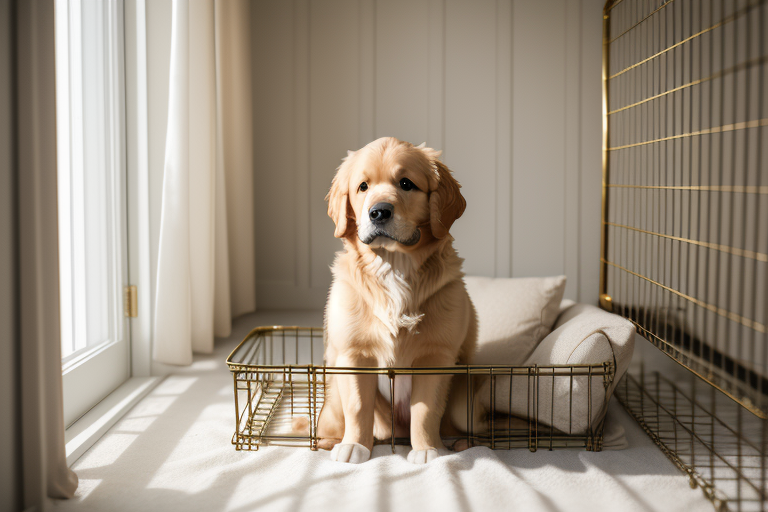
I often hear from frustrated owners who confine their dogs behind a

Check Price on Amazon →
during visits, only to deal with barking, whining, and scratched-up doorframes. While management tools absolutely have their place, they don’t teach your dog anything except that exciting things happen on the other side of the barrier—which can actually increase frustration.
The long down-stay teaches your dog a valuable life skill: how to self-regulate in stimulating situations. Instead of removing them from the experience, you're helping them participate calmly. This translates beautifully to other scenarios: vet waiting rooms, outdoor cafés, family gatherings, or simply those moments when you need peace to work from home.
Realistic expectations matter. A 12-week-old puppy won't have the impulse control of a three-year-old adult dog. High-energy breeds like Border Collies or Belgian Malinois may need more preliminary exercise before they can settle. Anxious dogs might need slower progression with lower-stakes distractions first. That's completely normal. The goal isn't perfection from day one—it's steady progress toward a dog who can relax when the world gets exciting.
Prerequisites: Foundation Skills Your Dog Needs First
Before you can expect your dog to hold a long down-stay while visitors ring the doorbell and walk through the door, you need some building blocks in place. Think of this like teaching a child to read—you wouldn't start with chapter books before they know the alphabet.
Here's what your dog should already understand:
- A reliable basic "down" command in quiet, low-distraction settings (like your living room when nothing exciting is happening)
- Marker training basics—whether you use a clicker or a verbal marker like "yes," your dog should understand that the marker means "reward is coming"
- Some impulse control—your dog can wait at least 3-5 seconds for a treat or toy when asked
- The concept of settling—even if it's just for 10-15 seconds, your dog has shown they can chill out on cue
If your dog is still jumping like a pogo stick the moment you pull out treats, or pops up from a down position within two seconds, we need to strengthen these foundations first. And that's completely okay! Every dog learns at their own pace.
Teaching or Refreshing the Basic Down
If "down" isn't solid yet, spend a week or two here before moving forward. You want your dog dropping into position within 1-2 seconds of your cue, at least 80% of the time in your home.
Start with a treat in your hand, let your dog sniff it, then slowly move it from their nose toward the ground between their front paws. Most dogs will follow the treat and fold into a down. The instant their elbows touch the floor, mark it ("yes!" or click your

Check Price on Amazon →
) and reward.
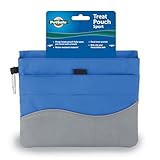
Practice 5-10 repetitions, 3-4 times daily. Once your dog is consistently following the lure, start using an empty hand with the same motion. Reward from your other hand or
Check Price on Amazon →
. Then gradually reduce the hand motion until you’re using just a small downward gesture or verbal cue alone.
Common mistake: Don't keep repeating "down, down, DOWN!" if your dog doesn't respond. That teaches them the cue means nothing. Say it once, wait 2-3 seconds, then help them with a hand lure if needed. Mark and reward the successful down, even if you had to help.
Building Duration Before Adding Distractions
Once your dog reliably goes into a down on the first cue, we need to build duration—because a down-stay that lasts two seconds isn't going to help when Uncle Bob is at the door with his shopping bags.
Start small. Ask for a down, count "one-Mississippi," then mark and reward while your dog is still lying down. That's the key—reward the position, not the getting up.
Gradually increase duration:
- Days 1-2: Hold for 1-2 seconds
- Days 3-4: Hold for 3-5 seconds
- Days 5-7: Hold for 8-10 seconds
- Week 2: Work up to 20-30 seconds
If your dog breaks position, don't get frustrated. Just ask for the down again and reduce your duration goal. You increased difficulty too quickly—that's information, not failure.
Practice in different rooms of your home before adding any distractions. Boring is good at this stage. You're building a strong foundation that'll support everything that comes next.
Step-by-Step Training Protocol: Building the Foundation Down-Stay
Teaching a solid down-stay starts with patience and systematic progression. Think of it like building a house—you need a strong foundation before adding the second story. Here's how to build that foundation properly.
Creating Your Training Plan: Week-by-Week Progression
Week 1: Phase 1 – Short Duration in Quiet Environments
Start in your least distracting room—often a bedroom or quiet hallway. Ask your dog to lie down, then immediately mark with "yes!" and reward while they're still down. At this stage, you're simply rewarding the position itself.
Once your dog understands "down," add a stay cue (hand signal or verbal "stay"). Count to 5 seconds, mark, and reward. Keep

Check Price on Amazon →
readily accessible in a
Check Price on Amazon →
so you can reward quickly without fumbling.
Practice 3-5 repetitions, then take a break. Two to three short sessions daily beats one marathon session that leaves your dog mentally exhausted.
Week 2-3: Introducing the 3 Ds
Here's where most people stumble: they add Duration, Distance, and Distractions simultaneously. Don't. Work on one at a time.
- Duration first: Gradually extend time from 5 to 10, then 15, then 30 seconds. Increase in small increments—if your dog succeeds at 15 seconds, try 18, not 45.
- Distance next: Once you have 30 seconds solid, take one step back. Return, reward. Then two steps. Build gradually until you can move across the room.
- Distractions last: Only after your dog holds the stay with you at a distance should you introduce mild distractions—a toy on the floor, someone walking past the doorway.
The Importance of the Release Word
This is non-negotiable. Your dog needs to know when the exercise is finished. Without a release word, they'll decide for themselves when to get up—usually at the worst possible moment when visitors arrive.
Choose a word like "okay," "free," or "break" and use it consistently. The stay isn't complete until you say that word. Even if you've already rewarded them, they should wait for the release. This creates clarity: "Stay means stay until I specifically tell you otherwise."

Check Price on Amazon →
When to Increase Difficulty
The 80% rule is your friend. If your dog succeeds at the current level 8 out of 10 times, you can increase difficulty. Success at only 5-6 out of 10? You've progressed too quickly—drop back to the previous level.
Common Mistakes That Delay Progress:
- Adding all three Ds at once (adding time AND distance AND distractions)
- Training when your dog is overstimulated or hasn't been exercised
- Inconsistent release words or forgetting to release at all
- Rewarding after the dog breaks position instead of during
Troubleshooting Common Issues:
- Popping up: You've added too much duration too fast. Reduce time by half and rebuild.
- Creeping forward: This often means you're inadvertently luring with treats. Mark and reward while they're in position, don't hold treats out in front.
- Losing focus: Keep sessions short (5 minutes maximum) and ensure your dog has burned physical energy first. Mental exhaustion leads to frustration, not learning.
Remember, every dog progresses at their own pace. Your neighbor's dog might nail this in two weeks; yours might need six. That's completely normal.
Introducing Distractions: From Calm to Doorbell-Ready
Now that your dog can hold a solid down-stay in a quiet environment, it's time to prepare them for the real challenge: actual visitors. The key is building distraction gradually—jumping straight from practicing alone to a doorbell-ringing chaos is a recipe for failure.
Start with minimal movement in the room. Have someone walk slowly past your dog at a distance while they're in their down-stay. Reward heavily. Then add gentle talking, a bit of hand-waving, maybe carrying a bag. Each successful repetition builds confidence. If your dog breaks position, you've moved too fast—drop back a step.
Doorbell Desensitization Training
The doorbell or knock is often the trigger that sends dogs into a frenzy. Train this separately before combining it with visitor arrivals.
Start by recording your doorbell sound on your phone (or use a doorbell app). Play it at barely audible volume while your dog is relaxed. Mark and reward calm behavior. Gradually increase volume over multiple sessions—sometimes spanning days or weeks depending on your dog's reactivity.
Once your dog can hear the doorbell without reacting, ask them for a down-stay, then trigger the sound. Immediately deliver treats continuously (pre-feeding) for 10-15 seconds. This teaches them that doorbell = stay put and good things happen right where you are.
Pro tip: Have family members practice being "visitors" first. They should approach from outside, knock or ring the bell, wait, then enter calmly. Start with your dog's
Check Price on Amazon →
ready and your dog positioned far from the door—maybe even in another room initially.
Using a Mat or Bed as a Visual Cue
Teaching a specific "place" command gives your dog clarity about exactly where you want them during visitor chaos. Choose a
Check Price on Amazon →
or mat located away from the door—ideally somewhere they can still see the action but won’t be in the pathway.
Train "place" separately from down-stay practice:
- Toss a treat on the mat, say "place"
- When your dog goes to it, reward
- Add the down-stay once they're reliably going to the spot
- Build duration gradually
This visual marker helps your dog understand expectations even when they're aroused or excited. Before visitors arrive, send them to their place, ask for the down-stay, and set them up for success.
Threshold Training: Reading Your Dog's Stress Signals
Not all broken stays mean your dog is being stubborn—often they're over threshold, meaning their arousal level is too high for learning.
Watch for these signs your dog is reaching their limit:
- Excessive panting or drooling
- Inability to take treats (even high-value ones)
- Whale eye (showing whites of eyes)
- Stiff body or rapid tail wagging
- Whining or excessive vocalization
If you see these signals, create more distance from the distraction, reduce intensity, or end the session. Training should gradually increase your dog's threshold tolerance—not flood them beyond their capacity. Some dogs need weeks at low-level distractions before they're truly doorbell-ready.
Remember: visitors can wait outside for 30 seconds while you get your dog settled. Managing the first moments prevents the rehearsal of unwanted behaviors and sets everyone up for a calm greeting.
Real-World Application: Managing Actual Visitor Arrivals
You've practiced the long down-stay in controlled conditions—now it's time to test it in the chaos of real visitor arrivals. This is where training meets reality, and having a solid game plan makes all the difference.
Creating a Pre-Visitor Routine
Start preparing 30-60 minutes before guests arrive. A tired dog is a well-behaved dog, so take yours for a brisk walk or play an energetic game of fetch. Follow this with mental stimulation like a quick training session or a food puzzle to take the edge off their excitement.

Check Price on Amazon →
About 15 minutes before arrival, bring your dog to their designated spot—ideally a mat or
Check Price on Amazon →
positioned where they can see the door but aren’t directly in the entry path. Have a treat pouch ready and scatter a few high-value treats nearby for easy access. This isn’t the time to scramble for reinforcement.
Set the environment for success by removing tempting items near your dog's station and ensuring other family members know the plan. If you're expecting multiple visitors or children, consider using a
Check Price on Amazon →
to create a buffer zone initially.
Briefing Your Guests: What They Should and Shouldn't Do
Text or call your guests beforehand with simple instructions: "We're working on training, so please ignore my dog when you first arrive—no eye contact, talking, or touching. I'll let you know when you can greet them."
When guests arrive, meet them at the door and repeat the request. Most people genuinely want to help, but they'll instinctively reach for your dog unless you remind them. Be specific: "Please walk past Bella and have a seat. I'll release her in a few minutes, and then she can say hello."
The Arrival Sequence
Here's your step-by-step process:
- Doorbell rings: Immediately cue your down-stay before opening the door
- Guest entry: Keep your body between your dog and the guest as they enter
- Maintain the stay: Wait 2-3 minutes initially (or until your dog settles), rewarding intermittently
- Release strategically: Use your release word when your dog is calm, not when they're straining to break free
During the visit, reward your dog every 3-5 minutes at first, then gradually space out treats. Verbal praise works too, but deliver it calmly—high-pitched excitement can undo your hard work.
Troubleshooting Mid-Visit Challenges
If your dog breaks the stay: Calmly return them to position without drama. If it happens repeatedly, they may need more distance from the action or weren't ready for this level of distraction.
Managing excited children: Ask kids to wait until your dog is released, then teach them to let your dog approach them rather than rushing in. Make it a game: "Let's see if you can be statue-still!"
Multiple visitors arriving at different times: Reset the down-stay for each new arrival. It's more work, but consistency is crucial.
Plan B options: If your dog is completely overwhelmed, it's okay to use a quiet room with a chew toy for part of the visit. Training is about progress, not perfection. Better to end on a good note with 10 minutes of successful down-stay than to push through 30 minutes of struggle.
Remember to release your dog before they self-release. You're building duration gradually—even five minutes of success is worth celebrating.
Advanced Techniques and Maintaining the Behavior Long-Term
Once your dog masters a solid 5-10 minute down-stay, it's time to build toward real-world scenarios where visitors might linger for an hour or more. This is where many owners plateau, but with the right progression, your dog can become a model host.
Start by adding just 2-3 minutes at a time. If your dog holds a 10-minute down-stay consistently, try 13 minutes, then 15. The key is making these increments so gradual your dog barely notices. During a 20-minute stay, I'll typically reinforce at unpredictable intervals—maybe at the 3-minute mark, then 9 minutes, then 17 minutes. This unpredictability actually strengthens the behavior because your dog learns to keep waiting rather than anticipating when the reward will come.
Variable Reinforcement Schedules for Maintenance
Think of variable reinforcement like a slot machine—it's incredibly effective at maintaining behavior. Once your dog reliably holds 15-30 minute down-stays, start fading your treat frequency. You might reward every third successful stay, then every fifth, mixing in praise and quiet "good" instead of treats.
Check Price on Amazon →
Here's what this looks like in practice: During one visitor session, reward with a treat. During the next three visits, just use verbal praise and a calm pet when you release them. Then surprise them with a jackpot reward (3-4 treats) on the fifth visit. This keeps your dog engaged without creating treat dependency.
Generalization is critical. Practice in different rooms, on different surfaces, and with various visitor types. The UPS driver who's there for 30 seconds needs a different expectation than your dinner guests staying for three hours. I teach owners to use different release cues: "OK" for short stays, and "all done" for extended ones, helping dogs understand the context.
After mastering the down-stay, layer in polite greeting behaviors. When you release your dog, immediately ask for a sit before visitors pet them. This creates a complete behavioral chain: down-stay during arrival → release → sit for greeting → calm interaction.
When to Consider Alternative Approaches
Not every dog is built for long down-stays, and that's okay. High-energy adolescent dogs, anxious dogs, or senior dogs with arthritis might struggle. For these dogs, consider:
- Place training on a mat or bed where they can shift positions while staying on their spot
Check Price on Amazon →
– **Behind a pet gate** in an adjacent room where they can see visitors but have more freedom
– **Tethering to furniture** with a short lead, allowing sitting or lying but preventing jumping
– **Structured breaks** every 10 minutes where they’re released, go outside briefly, then return to position
Handling setbacks: Life happens. After holiday chaos or a long winter without visitors, your dog might regress. Don't panic—just drop back to 60% of their previous duration and rebuild quickly. Most dogs relearn in days rather than weeks.
Keep skills sharp during quiet periods by staging "fake" visitors. Have family members ring the doorbell and practice the routine weekly. Fifteen minutes of practice monthly prevents months of retraining later.
Troubleshooting Common Challenges and Special Situations
Not every dog learns at the same pace, and visitor training can bring up unique challenges depending on your dog's personality, age, and history. Let's tackle the most common roadblocks you'll encounter.
The Over-Excited Greeter
High-arousal dogs need extra help burning off energy before practicing down-stays with visitors. I recommend a vigorous 20-30 minute exercise session before training—think fetch, tug, or a brisk walk. A tired dog has better impulse control.
For these enthusiastic greeters, increase your distance from the door significantly. You might start with your dog in a completely different room initially, gradually working closer over multiple sessions. Use super high-value treats that only appear during visitor training. The key is keeping arousal levels below threshold where learning can actually happen.
Puppies vs. Adult Dogs
Puppies under six months shouldn't be expected to hold a down-stay for more than 30-60 seconds with visitor distractions. Their attention spans and impulse control are still developing. Focus on rewarding any calm behavior and keep sessions short—5 minutes max.
Adult dogs can work up to several minutes, but dogs new to training need the same gradual approach as puppies. Age doesn't equal automatic obedience; it's about training history.
Senior Dogs and Physical Limitations
Arthritic or mobility-impaired dogs may find the down position uncomfortable on hard floors. Provide a

Check Price on Amazon →
or orthopedic mat for their designated spot. You can also modify to a “sit-stay” if lying down causes genuine discomfort. The goal is polite greeting behavior, not physical strain.
Managing Reactivity and Fear During Visitor Training
Fearful or reactive dogs require a completely different timeline. Pushing too fast can actually worsen anxiety and create negative associations with visitors.
Start by having visitors completely ignore your dog—no eye contact, no talking, no reaching out. Your dog observes from their safe spot and gets rewarded for calm behavior. Period. Some dogs need weeks at this stage.
For dogs with significant anxiety, consider using a

Check Price on Amazon →
during early training sessions. Create more distance than you think necessary, perhaps using a baby gate to provide a visual barrier while your dog acclimates.
Never force a fearful dog to greet visitors. The down-stay becomes their "safe job" to do instead of feeling pressured to interact.
Multi-Dog Dynamics and Group Down-Stays
Always train individually first. Trying to teach multiple dogs simultaneously is a recipe for frustration. Each dog needs to understand the behavior independently before adding the complexity of working together.
Once each dog can hold a down-stay with visitors alone, practice together with one dog at a time holding the stay while the other watches from another room. Then swap. This prevents competition and allows you to reward individually.
When both are ready, use separate mats placed 3-4 feet apart. This prevents squabbling and makes it crystal clear each dog has their own space.
When Guests Don't Cooperate
Despite your best instructions, some visitors will ignore your protocols. Have a management plan: your dog goes to another room behind a closed door, or you use a
Check Price on Amazon →
to physically prevent rehearsing bad behavior. It’s not ideal for training, but protecting your progress matters more than accommodating rule-breakers.
When to Seek Professional Help
If your dog shows aggression (lunging, snapping, biting), intense fear (hiding, trembling, unable to eat treats), or if you're not seeing any progress after 3-4 weeks of consistent training, contact a certified professional dog trainer (CPDT-KA) or veterinary behaviorist. Some challenges require expert eyes and customized behavior modification plans.
Frequently Asked Questions
How long does it typically take to teach a reliable long down-stay for visitors?
Most dogs need 4-8 weeks of consistent practice to achieve a reliable 10-15 minute down-stay with moderate distractions. Timeline varies significantly based on foundation skills, distraction level of your household, and training consistency. Young dogs (under 2 years) may take longer due to impulse control development. Previous training experience can accelerate the process considerably.
Should I use a mat or bed for the down-stay, or can my dog do it anywhere?
A designated mat or bed provides a clear visual cue and helps your dog understand expectations. Place training creates a 'home base' that dogs find reassuring during stressful visitor arrivals. Once reliable on the mat, you can generalize to other locations. Portable mats allow you to take the behavior to other homes or locations.
What if my dog breaks the down-stay when visitors arrive? How should I respond?
Avoid punishment—simply use your 'back to place' cue or gently guide them back without emotion. This indicates the distraction level was too high; practice more with lower-intensity scenarios. Consider starting with the dog further from the door or behind a baby gate initially. Heavily reward successful approximations rather than expecting perfection immediately. Have a management plan ready (leash, gate, or redirect to another room) for safety.
Can I teach this to a puppy, or should I wait until they're older?
You can start foundation work with puppies as young as 10-12 weeks with very short durations (5-10 seconds). Puppies under 6 months have limited impulse control, so keep expectations realistic. Focus on short, successful repetitions rather than long duration. The full behavior of a 15-20 minute stay is more appropriate for dogs 12+ months old. Early training creates excellent habits but requires patience and age-appropriate goals.
How do I prevent my dog from becoming anxious or stressed during long down-stays?
Build duration gradually—never push your dog beyond their comfort level. Use high-value treats and frequent reinforcement, especially in early training. Watch for stress signals: lip licking, yawning, whale eye, trembling—and reduce difficulty if you see these. The down-stay should become a relaxed, rewarding activity, not a punishment or stressful test. Consider whether your dog needs breaks, shorter durations, or more distance from guests. Some anxious dogs do better with alternative management strategies rather than forced stays.