Train Dog to Stop Barking When Left Alone (2026 Guide)
Introduction: Why Your Dog Barks When You Leave (And How to Fix It)
You know the feeling. You grab your keys, head toward the door, and before you've even turned the handle, your dog starts whining. Five minutes after you leave, the barking begins—and according to your neighbor's pointed text message, it doesn't stop for an hour.
It's heartbreaking. You feel guilty leaving for work. You're worried about eviction notices. And honestly? You're exhausted from the stress of it all.
Here's the good news: your dog isn't being spiteful or trying to punish you. They're struggling with a genuine problem, and it's completely fixable.
Understanding Why Dogs Bark When Alone
When your dog barks excessively after you leave, it typically falls into one of three categories:
Separation anxiety is the most common culprit. These dogs genuinely panic when left alone—their barking is accompanied by pacing, destructive behavior, house accidents, or excessive drooling. They're not mad at you; they're scared.
Boredom or under-stimulation affects high-energy dogs who haven't burned off their mental and physical energy. Think of it like leaving a toddler alone in an empty room for hours—they're going to make noise because they literally have nothing else to do.
Learned behavior happens when dogs discover that barking gets them something they want—even if it's just the sound of your neighbor banging on the wall, which counts as "attention" in dog logic.
What This Guide Will Do for You
This isn't another article filled with generic advice like "exercise your dog more" (though yes, that helps). Instead, you'll get science-backed protocols based on desensitization, counterconditioning, and positive reinforcement—the same methods professional trainers use.
You'll learn how to:
- Correctly identify why your specific dog is barking
- Create a structured training plan that fits your schedule
- Set up your home environment for success
- Use tools like

Check Price on Amazon →
and

Check Price on Amazon →
to keep your dog mentally engaged
– Gradually build your dog’s confidence and independence
Set Your Expectations Realistically
Real talk: this won't be fixed in three days. Depending on how severe your dog's barking is and how long the behavior has been happening, you're looking at 2-6 weeks of consistent training. Some dogs improve within a week; others need two months.
But here's what you need to know: punishment doesn't work. Yelling, using shock collars, or punishing your dog after you get home will make the problem worse. Why? Because it increases their anxiety and gives them even more reason to panic when you leave.
The methods in this guide work with your dog's natural learning process, not against it. You'll build trust, reduce anxiety, and teach your dog that being alone is actually pretty okay—maybe even enjoyable.
Ready to reclaim your peace of mind and help your dog feel secure? Let's get started.
Understanding Why Dogs Bark When Left Alone
Before you can solve your dog's barking problem, you need to understand what's driving it. Dogs don't bark excessively just to annoy you—there's always a reason behind it, even if it's not immediately obvious.
Dogs are social animals hardwired to stay with their pack. In the wild, being separated from the group could mean danger or death. Your dog's instinct tells them that being alone isn't normal or safe. That primal anxiety can trigger vocalization as they attempt to reunite with you or signal their location.
Barking serves multiple purposes: communication, an alert system, and stress relief. Your dog might be saying "Where did everyone go?" or "I'm scared!" or simply releasing pent-up anxiety through noise. The key is learning to distinguish between these different types of barking, because each requires a different training approach.
Separation Anxiety vs. Isolation Distress
These terms often get used interchangeably, but they're different conditions. Separation anxiety is a panic disorder where your dog becomes genuinely distressed when separated from a specific person—usually you. Dogs with true separation anxiety may destroy things, urinate or defecate indoors, drool excessively, or bark continuously within minutes of your departure.
Isolation distress is milder. Your dog simply doesn't like being alone, but they're usually fine if another person or even another dog is present. The barking typically starts after 15-30 minutes and may be intermittent rather than constant.
If your dog shows extreme panic symptoms (destructive behavior, self-injury, or elimination), consult a veterinary behaviorist. True separation anxiety often requires medication alongside training.
Boredom and Under-Stimulation
A tired dog is a quiet dog. If your dog hasn't had enough physical exercise or mental stimulation before you leave, they've got energy to burn—and barking becomes an outlet. This type of barking usually starts after you've been gone for a while and may sound more playful or demanding than distressed.
Solution? Exercise your dog before leaving and provide engaging activities. A 30-minute walk or play session can make a huge difference.
Check Price on Amazon →

Check Price on Amazon →
Barrier Frustration and External Triggers
Some dogs bark at every sound, movement, or passing dog they detect while you're gone. Window access or yard time can actually worsen this, as your dog becomes a self-appointed security guard with nothing else to do.
This barking is often sharp and alert-sounding—it's triggered by external stimuli rather than your absence. You might notice it happens at predictable times (mail delivery, school bus routes, neighborhood dog walks).
Learned Behavior and Attention-Seeking
Here's an uncomfortable truth: you might have accidentally trained your dog to bark. If you've ever rushed home, called out to your dog, or given them attention when they bark, you've rewarded the behavior. Dogs are brilliant at learning what gets them what they want.
Demand barking typically sounds different—more insistent and rhythmic. It usually starts immediately after you leave and may stop and start based on whether the dog thinks it's working.
Understanding which type of barking you're dealing with will guide your training strategy. Take a few days to observe patterns: when does the barking start? How long does it last? What seems to trigger or stop it? This detective work is time well spent.
Before You Start Training: Essential Preparation Steps
Before you dive into training exercises, you need to understand what's driving your dog's barking and set yourself up for success. Jumping straight into training without proper preparation is like trying to build a house without a foundation—it rarely works.
Start with a vet visit, especially if your dog's barking is a new behavior or if they're older. Sometimes what looks like separation anxiety is actually pain, cognitive decline, or an underlying medical issue. I've worked with several senior dogs whose "sudden" anxiety was actually early-stage arthritis making them uncomfortable when alone. Rule out the physical stuff first.
Next, honestly assess your dog's daily exercise and mental stimulation. A Border Collie who gets one 20-minute walk isn't anxious—they're bored out of their mind. Most barking problems improve dramatically when dogs get adequate physical activity and brain work before alone time. Think species-appropriate exercise: sniffing walks, fetch sessions, training games, not just walking in circles around the block.
Recording Your Dog's Behavior (Use Pet Cameras)
You can't fix what you can't see. Get a pet camera with two-way audio so you can watch what actually happens when you leave. You might be surprised—many owners assume their dog barks constantly, but the camera reveals it's only 10 minutes of barking, then sleeping.
Pay attention to:
- When the barking starts (immediately, or after 20 minutes?)
- What type of barking (high-pitched panic vs. attention-seeking)
- Body language (pacing, destruction, or just vocalizing?)
- Triggers (sounds from outside, boredom, true distress?)
Establishing a Baseline: How Long Until Barking Starts?
Use that camera footage to determine your dog's threshold. Can they handle 30 seconds alone? Five minutes? Twenty? This number becomes your starting point. If your dog can stay quiet for three minutes, that's where you'll begin training—not at your full 8-hour workday.
Write it down. Be specific. "Barking starts at approximately 90 seconds after I close the door" is useful information.
Setting Up Your Dog's Safe Space
Your dog needs a designated area where they feel secure, not trapped. This might be a crate for dogs who are already crate-trained and love their den, or a cozy room with a baby gate for others.

Check Price on Amazon →
Make this space genuinely appealing:
- Comfort items: A worn t-shirt with your scent, their favorite bed
- Mental stimulation: Rotate special toys that only appear during alone time
Check Price on Amazon →
- Calming elements: White noise or calming music to mask outside sounds, closed curtains if your dog is triggered by street activity
- Safety: Remove anything they could destroy and potentially ingest
The goal is for your dog to think "Oh good, my special space!" not "Oh no, the prison cell." Never use this area for punishment, and practice having your dog spend happy time there while you're home first.
This preparation work isn't glamorous, but it's essential. You're gathering the data and creating the environment you need for training to actually stick.
The Foundation: Meeting Your Dog's Physical and Mental Needs
Here's the truth that many dog owners miss: most barking problems when you leave home aren't about separation—they're about pent-up energy and boredom. A dog who's physically tired and mentally satisfied is far more likely to settle down and rest when you're gone.
Think of it this way: if you drank three cups of coffee and then someone locked you in a room with nothing to do, you'd probably get restless and noisy too. Your dog experiences the same frustration when their needs aren't met before you walk out the door.
Exercise Guidelines by Breed and Age
Not all exercise is created equal, and your approach should match your dog's breed and life stage. A 30-minute leisurely stroll might be plenty for a senior Basset Hound, but it barely takes the edge off a young Border Collie.
High-energy breeds (Border Collies, Australian Shepherds, Huskies, Vizslas) need 60-90 minutes of vigorous exercise daily. This means running, fetch, or off-leash romping—not just walking.
Moderate-energy breeds (Labradors, Beagles, Boxers) typically need 45-60 minutes, mixing brisk walks with play sessions.
Low-energy and brachycephalic breeds (Bulldogs, Pugs, Shih Tzus) do best with 30-45 minutes split into shorter sessions, especially in warm weather.
Important: Puppies under one year need shorter, more frequent exercise sessions. A good rule is 5 minutes per month of age, twice daily. A four-month-old puppy should get two 20-minute sessions rather than one long walk.
Brain Games and Enrichment Activities
Here's what surprises most owners: 15 minutes of brain work can tire your dog as much as an hour of physical exercise. Mental exhaustion is your secret weapon against boredom barking.
Before you leave each morning, incorporate these activities:
Feed breakfast creatively. Skip the boring bowl entirely. Use a
Check Price on Amazon →
to make your dog work for their food, or scatter kibble across the backyard for a “treasure hunt.”
Quick training sessions are incredibly effective. Spend 10 minutes practicing commands, teaching new tricks, or working on impulse control games like "wait" or "leave it." The mental focus builds confidence and creates positive associations with your pre-departure routine.
Check Price on Amazon →
Rotate toys strategically. Don't leave every toy available every day. Keep some special items that only appear when you leave, making your departure something your dog actually looks forward to.
The Power of Sniffing and Scent Work
Never underestimate the power of your dog's nose. Sniffing is deeply satisfying for dogs and naturally calming—it literally lowers their heart rate.
A

Check Price on Amazon →
provides 10-15 minutes of focused sniffing activity. Hide treats in it right before you leave, and your dog will be happily occupied during those crucial first minutes when anxiety typically builds.
Create scent trails outside by dragging treats along the ground, or play "find it" games where your dog searches for hidden treats throughout the house. These activities tap into natural instincts and provide genuine fulfillment that generic exercise can't match.
The bottom line? A well-exercised, mentally stimulated dog doesn't have the energy or inclination to bark excessively. You're not just tiring them out—you're meeting fundamental needs that make being alone feel safe and manageable.
Step-by-Step Training Protocol: Desensitization and Counterconditioning
The key to stopping separation barking is teaching your dog that being alone is not only safe, but actually predicts good things. This process requires patience—we're literally rewiring your dog's emotional response to your departures. Rush it, and you'll reinforce the anxiety. Done right, you'll create lasting confidence.
Week 1: Desensitizing to Pre-Departure Cues
Your dog has learned to read your leaving routine like a book. Keys jingling, shoes going on, or grabbing your coat triggers anxiety before you even reach the door. We need to break those associations.
Start by performing these actions randomly throughout the day without leaving:
- Pick up your keys, walk around the house, then sit on the couch
- Put on your coat, make a sandwich, take the coat off
- Put on shoes, check your phone, kick them off again
Do this 10-15 times daily. Your dog should start looking bored when you grab your keys—that's success. Pair each action with something positive, like tossing a treat or giving brief affection.
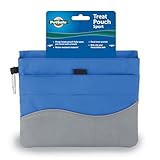
Check Price on Amazon →
Week 2-3: Building Duration with Short Absences
Now we add actual departures, but absurdly short ones. I mean it—start with 30 seconds.
Here's your progression:
- Step outside the door, count to 30, return
- Gradually increase: 45 seconds, 1 minute, 90 seconds, 2 minutes
- Mix up the durations (don't always increase)
- Practice 5-8 times per day
When you return, keep it low-key. No dramatic reunions—just calmly walk back in. If your dog stayed quiet, offer praise and a treat after a moment of calm.
Week 4-6: Extending Time and Adding Distance
Once your dog handles 5 minutes consistently, increase more deliberately:
- Week 4: Build to 10-15 minutes
- Week 5: Reach 20-30 minutes
- Week 6: Push toward 45-60 minutes
Add complexity by actually leaving the property—walk to your car, drive around the block, run a quick errand. Real departures include different sounds and patterns your dog needs to accept.
Check Price on Amazon →
Consider leaving a stuffed
Check Price on Amazon →
or puzzle toy only during alone time. This creates positive associations and gives your dog a job.
Recognizing and Staying Under Your Dog's Threshold
Your dog's "threshold" is the point where anxiety kicks in. Maybe it's 3 minutes, maybe 10. If your dog barks, you've exceeded it.
Signs you're at threshold:
- Pacing or whining as you prepare to leave
- Barking within seconds of departure
- Destruction or accidents
If this happens, you've moved too fast. Drop back to a duration where your dog succeeds 90% of the time and rebuild from there.
Common Mistakes That Slow Progress
Inconsistency: Training only on weekends won't work. Daily practice is essential.
Punishing barking: Yelling or returning angry reinforces anxiety. Stay calm and adjust your training plan instead.
Skipping steps: Jumping from 2 minutes to 30 minutes creates failures that damage confidence.
Practicing only when you leave for work: Real departures carry too much emotional weight early on. Practice sessions should be low-stakes.
Remember, setbacks happen. A loud noise or schedule disruption can cause temporary regression. Simply return to shorter durations until your dog's confidence rebuilds. This investment now prevents years of stress—for both of you.
Training Tools and Management Strategies That Help
While addressing the root cause of separation anxiety is essential, the right tools and environmental setup can make a significant difference in reducing barking when you're away. Think of these strategies as support systems that help your dog feel calmer and more secure.
Interactive Toys and Puzzle Feeders: What Works Best
Food-dispensing toys are absolute game-changers for dogs left alone. They provide mental stimulation and create positive associations with your departure.
Kong stuffing recipes that actually work:
- Beginner level: Plain peanut butter (xylitol-free!) or cream cheese
- Intermediate: Wet dog food mixed with kibble, frozen for 2-4 hours
- Advanced: Layers of yogurt, banana, kibble, and peanut butter, frozen overnight
Check Price on Amazon →
The freezing step is crucial—it extends the challenge from 10 minutes to 30-45 minutes. I recommend preparing 5-6 Kongs at once and keeping them in the freezer for grab-and-go convenience.
Puzzle feeders and snuffle mats also work brilliantly. They tap into your dog's natural foraging instincts and can keep them occupied for 20+ minutes. Rotate toys every few days to maintain novelty and interest.
Check Price on Amazon →
Crate Training: When and How to Use It Properly
Here's what many owners get wrong: the crate itself doesn't create calmness—your dog's association with it does.
When crate training helps:
- Your dog already views their crate as a safe den
- They willingly enter and relax in it when you're home
- Confinement reduces anxiety rather than increasing it
When to avoid it:
- Your dog panics, drools excessively, or attempts to escape
- They've never been properly crate-trained
- Barking worsens when confined
If you're starting fresh, spend 2-3 weeks building positive associations before expecting your dog to stay crated while alone. Feed all meals in the crate, toss treats inside randomly, and practice brief departures before longer absences.
Background Noise: Music, TV, and Sound Masking
Environmental sounds serve two purposes: they mask triggers (like neighbors or delivery trucks) and provide familiar companionship.
What actually works:
- Classical music or reggae (studies show these reduce stress in kenneled dogs)
- Audiobooks or podcasts with calm, conversational voices
- White noise machines to create consistent sound coverage
- Dog-specific playlists designed with canine hearing in mind
Leave these playing during practice departures so your dog doesn't associate them exclusively with being alone. The TV works well if you normally have it on—dogs notice when routines suddenly change.
Natural Calming Supplements and Pheromones
Calming aids won't solve separation anxiety alone, but they can take the edge off during training.
Adaptil diffusers release synthetic dog-appeasing pheromones that mimic what nursing mothers produce. Plug them in the room where your dog spends the most time. Many owners report subtly calmer behavior within 1-2 weeks.
Anxiety vests (like Thundershirts) apply gentle, constant pressure that some dogs find soothing—similar to swaddling a baby. They work for about 60% of dogs, so they're worth trying.
For supplements like L-theanine, chamomile, or CBD products, consult your veterinarian first. Quality and dosing matter significantly.
Don't forget interim solutions: Doggy daycare or a midday dog walker can be lifesavers while you're working on training, reducing the duration your dog spends alone.
Advanced Solutions for Severe Cases
Sometimes, despite your best efforts, your dog's separation distress goes beyond normal adjustment issues. If your dog is injuring themselves, destroying property destructively, or showing signs of panic within seconds of your departure, it's time to call in reinforcements.
Finding a Qualified Professional (CDBC, DACVB credentials)
Not all trainers are equipped to handle severe separation anxiety. You need a Certified Dog Behavior Consultant (CDBC) or, ideally, a Diplomate of the American College of Veterinary Behaviorists (DACVB)—a veterinarian with specialized psychiatric training.
Here's what to look for:
- CDBC or CAAB credentials from the International Association of Animal Behavior Consultants (IAABC) or Animal Behavior Society
- Veterinary behaviorist (DACVB) if your dog shows extreme panic, self-harm, or if medication might be needed
- Experience specifically with separation anxiety cases
- Commitment to positive reinforcement methods
A qualified professional will conduct a thorough assessment, often reviewing video footage of your dog's behavior when alone. They'll create a customized behavior modification plan that addresses your dog's specific triggers and anxiety patterns.
Medication-Assisted Training for Severe Anxiety
Let's be clear: medication isn't a magic cure, but it can be a crucial training aid for dogs with clinical separation anxiety. Think of it like giving someone with a broken leg crutches—it doesn't heal the bone, but it makes physical therapy possible.
Anti-anxiety medications work by:
- Reducing panic responses enough for your dog to actually learn
- Lowering overall stress levels so training can progress
- Helping break the cycle of constant cortisol flooding
Common medications your veterinary behaviorist might prescribe include fluoxetine (Prozac), clomipramine, or trazodone for acute situations. These take 4-6 weeks to reach full effectiveness, so patience is essential.
Important: Never use medication as a standalone solution. It should always accompany a structured behavior modification program. As your dog builds confidence and new coping skills, many can gradually wean off medication under veterinary supervision.

Check Price on Amazon →
Protocol for Multiple Dog Households
Multiple dog households present unique challenges. Sometimes the "anxious" barker is actually feeding off another dog's stress, or one confident dog might inadvertently reinforce the other's anxiety.
Your behaviorist might recommend:
- Separate desensitization training for each dog initially
- Identifying which dog is the primary anxiety source
- Gradual reintroduction after individual progress
- Different departure cues and routines if one dog is stable
Managing setbacks: Regression is normal and doesn't mean failure. Life changes—moving, schedule shifts, even seasonal changes—can trigger temporary backsliding. When setbacks happen, simply return to an easier step in your protocol and rebuild gradually. Document everything so you can identify patterns and triggers.
The underlying issue in severe cases is usually profound lack of confidence. Beyond separation training, incorporate confidence-building exercises: novel experiences, problem-solving games with
Check Price on Amazon →
, and independent decision-making opportunities. The goal is a dog who trusts their own ability to handle situations when you’re not there.
Professional help isn't admitting defeat—it's giving your dog the specialized support they deserve.
Maintaining Success: Long-Term Management and Prevention
You've put in the work, and your dog is finally calm when you leave. Congratulations! But here's the thing many owners don't realize: maintaining this success requires ongoing effort. Think of it like going to the gym—you can't just stop once you reach your goal weight.
Creating a Sustainable Daily Routine
The enrichment and exercise habits that helped your dog succeed aren't temporary fixes—they're lifestyle changes. Your dog still needs that morning walk or play session before you leave, even months down the road. They still benefit from
Check Price on Amazon →
or frozen treats to keep their mind engaged.
Build these elements into your daily schedule permanently:
- Morning mental and physical exercise (even 15-20 minutes makes a difference)
- Predictable goodbye routine that you stick with consistently
- Rotating enrichment activities to prevent boredom (swap out toys weekly)
- Quality time when you return without overdoing the reunion excitement
The key is making these practices automatic, not something you have to remember. Set phone reminders if needed, or tie them to existing habits like your morning coffee routine.
As your dog becomes more confident, gradually extend your absence times. If they're comfortable with two hours, try three. But increase slowly—add 15-30 minutes at a time, and watch for any stress signals.
What to Do If Your Dog Regresses
Even well-trained dogs can backslide, and it doesn't mean you've failed. Regression often happens after disruptions like vacations, illness, or changes in your schedule.
If barking returns, don't panic. Go back to basics:
- Reduce absence duration temporarily to a length your dog handles easily
- Reinforce practice departures for a week or two
- Check for new stressors in your dog's environment
- Ensure exercise and enrichment haven't slipped
Most regressions resolve quickly if you catch them early. The skills your dog learned are still there—they just need a refresher.
Check Price on Amazon →
Preparing for Life Changes (New Baby, Moving, Schedule Changes)
Major life transitions can trigger separation anxiety in even the most confident dogs. The secret is proactive preparation, not reactive problem-solving.
When expecting a baby: Start practicing with baby sounds and equipment months ahead. Gradually adjust your dog's routine to match what post-baby life will look like.
Before a move: Maintain your dog's exercise schedule despite the chaos. Set up their safe space first in the new home, and practice short absences within the first few days.
Schedule changes: If you're returning to the office or changing shifts, adjust gradually over 2-3 weeks rather than all at once.
Remember, setbacks don't erase progress. Some dogs take weeks to adjust to alone time; others take months. Your individual dog's timeline is the right timeline. Celebrate every win—the day they stay quiet for an extra ten minutes matters just as much as the day they handle four hours alone.
Stay consistent with your training principles, adjust your approach as needed, and trust the process. You've taught your dog an invaluable life skill that will serve both of you for years to come.
Frequently Asked Questions
How long does it take to train a dog to stop barking when left alone?
Most dogs show improvement in 2-4 weeks with consistent training. Severe separation anxiety may take 2-6 months of dedicated work. Progress depends on consistency, severity of anxiety, and your dog's history. Every dog is different; some respond quickly while others need more time.
Should I get another dog to keep my barking dog company?
This rarely solves the problem and may create two anxious dogs. Dogs with separation anxiety are distressed by the human's absence, not lack of dog company. Only consider a second dog after resolving the barking issue. Some dogs do benefit from a calm, confident companion, but it's not a training solution.
Will a bark collar or ultrasonic device stop my dog from barking when alone?
These devices don't address the underlying anxiety or cause. Punishment-based tools can increase anxiety and create new behavioral problems. Modern training science shows positive reinforcement is more effective and humane. These devices may suppress barking temporarily but don't teach coping skills.
My dog only barks for the first 10 minutes after I leave. Is this separation anxiety?
Brief barking at departure is often protest barking or learned behavior, not clinical separation anxiety. True separation anxiety involves prolonged distress with multiple symptoms (destruction, house soiling, etc.). This is actually easier to fix than severe anxiety using the training protocols outlined. Focus on pre-departure routines and ensuring adequate exercise and enrichment.
Can I leave the TV or radio on to prevent barking?
Background noise can help mask triggering sounds from outside. Specialized dog calming music or white noise is more effective than regular TV. This is a helpful management tool but not a complete training solution. Combine with proper training protocols for best results. Some dogs respond well to audiobooks or calm talking voices.