How to Train a Dog That Ignores Treats Completely
Introduction: When Your Dog Couldn't Care Less About Treats
You've watched the YouTube videos. You've read the training books. They all start the same way: "Simply grab some high-value treats and…" Except there's one problem. Your dog takes the treat, drops it on the floor, and walks away like you've just offered them a piece of cardboard.
Or maybe they sniff it politely and give you a look that says, "That's nice, but no thanks."
If you're nodding along in recognition, you're probably feeling pretty frustrated. Every training resource seems written for a different species—one that actually cares about food rewards. Meanwhile, you're standing there with a
Check Price on Amazon →
full of chicken, cheese, and hot dogs that your dog treats with complete indifference.
You're Not Alone (And Your Dog Isn't Broken)
Here's what most training content won't tell you upfront: food-neutral dogs are far more common than the internet would have you believe. I've worked with hundreds of dogs over my career who simply don't light up for treats. Some breeds are notorious for this—many sighthounds, some terriers, and quite a few working breeds that were developed to work for reasons other than food.
But temperament matters just as much as genetics. I've met Labrador Retrievers (typically food-obsessed) who couldn't care less about treats, and Afghan Hounds (notoriously aloof) who'd do backflips for a piece of kibble. Your dog's lack of food motivation doesn't mean they're stubborn, dominant, or untrainable. It just means they're wired differently.
Training Is Not Only Possible—It Can Be Better
Here's the truth that might surprise you: once you stop trying to force the food-reward system and discover what actually drives your dog, training often becomes easier and more reliable. Food-motivated dogs can become dependent on seeing the treat before they comply. Your dog? They're going to work for something they genuinely value, which often creates more authentic engagement.
I've trained detection dogs, search and rescue dogs, and competition obedience dogs who had zero interest in food. Some of the most reliable off-leash recalls I've ever seen came from dogs who worked purely for the joy of chasing a ball or the thrill of a good game of tug.
What's Coming Next
This guide takes a completely different approach than typical treat-based training advice. We're going to help you:
- Identify what truly motivates your individual dog (it's often not what you'd expect)
- Apply motivation-based training techniques that work without food
- Troubleshoot common challenges specific to non-food-motivated dogs
- Build a training toolkit that actually fits your dog's personality
The shift we're making is simple but profound: from asking "how do I make my dog want treats?" to "what does my dog actually want, and how do I use that?"
Let's figure out what makes your dog tick.
Why Some Dogs Ignore Treats (And Why It's Not a Training Death Sentence)
If your dog turns up their nose at treats, you're not alone—and you haven't broken your dog. I've worked with countless dogs who'd rather chase a ball, tug a rope, or simply get your attention than eat the fanciest liver treats money can buy. The good news? A food-disinterested dog isn't untrainable. In fact, once you understand why your dog ignores treats, you can often turn this into a training advantage.
Medical Issues to Rule Out First
Before assuming your dog is just picky, schedule a vet visit. I've seen too many cases where "selective eating" was actually a medical red flag.
Common culprits include:
- Dental pain: Broken teeth, gum disease, or mouth ulcers make chewing painful
- Nausea or digestive issues: Dogs with upset stomachs refuse food first
- Medication side effects: Antibiotics, pain meds, and some flea preventatives suppress appetite
- Underlying illness: Kidney disease, liver problems, or infections can kill food motivation
If your previously food-motivated dog suddenly stops caring about treats, this is especially important. One of my clients discovered their Border Collie had a cracked molar—once treated, food motivation returned immediately.
Breed and Temperament Factors
Some dogs are genetically wired to care more about doing than eating. Working breeds developed for herding, hunting, or protection often have sky-high toy and play drives but moderate food interest.
Breeds commonly less food-motivated:
- Border Collies and Australian Shepherds (bred to work for movement and praise)
- Belgian Malinois (ball-obsessed by design)
- Many terriers (prey drive trumps food drive)
- Some sporting breeds during high arousal
But breed isn't destiny—individual personality matters more. I've met food-obsessed Malinois and treat-indifferent Labradors. Anxious dogs often can't eat when stressed. Highly aroused dogs are too amped to notice food. The naturally aloof dog might find treats boring compared to sniffing the environment.
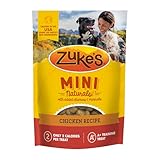
Check Price on Amazon →
Environmental and Management Issues
Your dog's disinterest might not be about the treats at all—it's about the context.
Common environmental problems:
- Too distracted: That squirrel is infinitely more interesting than chicken
- Too stressed: Anxious dogs can't learn or eat (training in quieter spaces first)
- Overstimulated: The dog park or busy pet store overwhelms their system
- Actually full: If you free-feed, your dog has zero hunger motivation
Free-feeding is the number one food motivation killer I see. When food sits out 24/7, it loses all value. Your dog has no biological reason to work for what's freely available.
The hidden advantages of a non-food-motivated dog:
- Lower obesity risk: You're not pumping calories into training
- Real relationship building: You must find what genuinely engages your dog
- Versatile reinforcement: Dogs who work for toys, play, or life rewards often learn faster in high-distraction environments where food fails anyway
I've trained competition obedience dogs who never touched food during sessions. They worked for tug toys, tennis balls, and the sheer joy of the activity itself. These dogs often show deeper engagement because they're not just mercenaries working for paychecks—they genuinely want to participate.
The key is discovering what your dog values, then building your training program around that currency.
Alternative Rewards: Discovering What Actually Motivates Your Dog
Here's the truth: your dog isn't broken because they ignore treats. They're just wired differently, and that's completely okay. Every dog has something that lights them up—you just need to discover what that is.
Think of motivation as a personal ranking system. While most dogs would sell their souls for cheese, yours might be thinking "meh" while eyeing that squeaky ball in your hand. Let's find what actually makes your dog tick.
Toy and Play-Based Rewards
For many non-food-motivated dogs, play is the jackpot. I've trained border collies who'd choose a tennis ball over steak every single time, and terriers who'd do backflips for thirty seconds of tug.
Test these play rewards:
- Tug toys: Some dogs come alive with tug. Let them win sometimes—it builds their confidence and increases the reward value
- Squeaky toys: The noise factor can be incredibly motivating for prey-driven dogs
- Balls and frisbees: Perfect for retrievers and high-energy breeds
- Flirt poles: Combines movement and prey drive beautifully
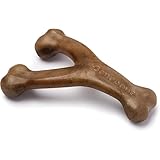
Check Price on Amazon →
The key is using play as the reward, not just playing after training. Your dog performs a perfect "sit"? Release them to chase the ball. That's payment.
Life Rewards and Premack Principle
This is where training gets brilliant. The Premack Principle states that high-probability behaviors (stuff your dog loves doing) can reinforce low-probability behaviors (stuff you want them to do). In plain English: your dog does what you want, then gets to do what they want.
Powerful life rewards include:
- Sniffing on walks (the currency of the canine world)
- Going through doorways to the yard
- Greeting another dog or person
- Getting released from a stay to run free
- Access to their favorite sleeping spot
Example: Your dog wants to sniff that fascinating tree trunk. Ask for eye contact first, then say "go sniff!" and let them investigate. You've just turned the environment into your training partner.
Social and Affection Rewards
Some dogs are total love bugs who'd rather have chest scratches than anything else. Don't underestimate the power of:
- Enthusiastic verbal praise in your happiest voice
- Chest rubs and ear scratches
- Excited petting and "good dog!" celebrations
- Play-fighting or gentle wrestling (if your dog enjoys it)
Movement-based affection works too: chase games where you run away and your dog follows, hide-and-seek around the house, or simply running together in the yard.
How to Build Your Dog's Reward Hierarchy
Do this exercise to create your dog's personal reward menu:
- List potential rewards: Write down 15-20 things your dog shows interest in
- Present choices: Offer two rewards simultaneously and see which your dog chooses
- Repeat comparisons: Test different combinations to see consistent preferences
- Rank them: Create a hierarchy from "mildly interesting" to "would break down a door for this"
- Match rewards to difficulty: Save high-value rewards (like off-leash time) for harder behaviors
Your dog's hierarchy will look unique—and that's exactly the point. Once you know what truly motivates them, training becomes a conversation rather than a bribe-fest. You're speaking their language.
Training Techniques for Non-Food Motivated Dogs
When treats fall flat, it's time to get creative. The good news? Dogs who ignore food often have strong drive for other rewards, making them incredibly fun to train once you tap into what makes them tick.
Marker Training Without Food
Marker training isn't just about treats—it's about creating a bridge between the behavior and the reward. A
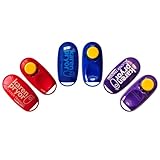
Check Price on Amazon →
or verbal marker like “yes!” tells your dog exactly which behavior earned the reward, even if that reward is a game of tug rather than a cookie.
Start by "charging" your marker with whatever your dog actually loves. Click, then immediately toss a ball. Click, then release them to sniff that fascinating tree. Repeat 20-30 times until your dog whips their head toward you at the sound. Now you have a powerful communication tool that works with any reward.
The beauty of marker training is precision. When your dog sits, even briefly, mark it and deliver a play session. They'll quickly connect the dots: that specific action made the good thing happen.
Shaping Behaviors with Play Rewards
Shaping means breaking big behaviors into tiny, achievable steps and rewarding each one. For a non-food motivated dog, each step earns a micro-play session.
Teaching "down" with a ball-obsessed dog? Mark and reward your dog for looking at the ground. Then for lowering their head. Then for bending one elbow. Each step gets 5-10 seconds of tug or fetch before you reset and ask again. These short bursts keep energy high and focus sharp.
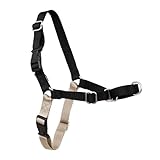
Check Price on Amazon →
Pro tip: Keep sessions energetic and brief—3-5 minutes max. Food-luring sessions can drone on, but play-rewarded training should feel like a game. Your dog shouldn't have time to get bored or frustrated.
Try the "reward jar" approach: mentally bank 10 rewards for your session. Once you've used them, you're done. This prevents over-drilling and keeps your dog eager for the next round.
The Release as the Ultimate Reward
Here's a secret weapon: freedom itself is rewarding. Use it strategically.
The "No Free Lunch" protocol transforms everyday privileges into training opportunities. Your dog wants outside? They sit first. Want to greet that person? They make eye contact first. The walk continues when they stop pulling. These aren't punishments—they're simple transactions that make your dog a willing participant in their own training.
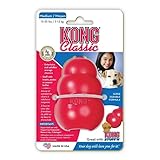
Release cues like "okay!" or "free!" become powerful rewards. Practice stays where holding position earns their release to something desirable: the door, their friend, or a
Check Price on Amazon →
you’ve placed across the room. Start with 2-second stays and build gradually.
Incorporate reward variety to prevent boredom. Rotate between:
- 10 seconds of tug
- A quick game of chase
- Release to explore
- Enthusiastic praise and petting
- Access to a favorite spot
The key is reading your dog. Some want wild play; others prefer calm affection. Match the reward intensity to the difficulty of the behavior—harder tasks earn bigger celebrations.
Remember: shorter, punchier sessions beat long, grinding ones every time. Your non-food motivated dog will thank you with focus and enthusiasm.
Step-by-Step: Teaching Essential Commands Without Treats
Basic Obedience Without Food Lures
Sit is often the easiest place to start. Hold your dog's favorite toy above their head and slightly back toward their tail. As their nose follows the toy upward, their rear naturally drops. The instant their bottom hits the ground, enthusiastically praise and immediately release the toy for a vigorous play session. Keep sessions short—three to five repetitions—then take a break. Within a week of consistent practice, most dogs understand the connection.
Down works best through capturing rather than forcing. Watch your dog throughout the day, and the moment they naturally lie down, quietly say "down" and immediately reward with something they value. This might mean releasing them to investigate that interesting smell outside, or giving permission to jump on the couch. The key is timing—mark the behavior within one second.
Stay becomes valuable when you connect it to real-life rewards. Ask your dog to sit-stay before opening the door to the backyard. Start with just two seconds, then release with "okay!" and open that door. Gradually build duration. The same principle works before putting on their leash for a walk or before tossing their ball. Life rewards are powerful because dogs quickly learn that self-control earns them what they actually want.
Recall Training for Play-Motivated Dogs
Coming when called is non-negotiable for safety, and fortunately, it's highly trainable without treats. Start indoors with zero distractions. Say your dog's name enthusiastically, then run backward while clapping or making exciting noises. When they reach you, immediately start a game of tug or throw their favorite toy. You're teaching them that coming to you is never boring—it's the most exciting choice.

Check Price on Amazon →
Practice in gradually more distracting environments, always keeping a 15-foot lead attached initially for safety. Make yourself irresistibly fun: use unexpected movements, hide and seek games, or squeaky sounds. If your dog loves chase games, run away from them. The reward is engaging with you, not standing still for a cookie.
Impulse Control Exercises Using Life Rewards
Leave it and drop it save lives and furniture. For leave it, place a boring item on the ground while your dog is on leash. When they look away from it (even for a split second), immediately give them access to something better—their favorite toy or a rousing play session. Gradually increase difficulty with more tempting items.
For drop it, play tug with a toy your dog likes but doesn't obsess over. Mid-game, stop moving and become boring. The instant they release the toy, immediately produce an even better toy or start an exciting chase game. Never punish the drop—always make it worth their while.
Loose leash walking becomes a game of "walk nicely, and you get to investigate the world." Every few steps of slack-leash walking earns permission to sniff that fascinating spot or greet that tree. Pulling? You become a statue. Loose leash? The adventure continues. This takes patience—expect 2-3 weeks of consistent practice before seeing reliable improvement. But it works because you're rewarding with what your dog wanted anyway: exploration and freedom.
Timeline expectations: Basic sits and downs often click within 5-7 days. Reliable stay takes 3-4 weeks. Recall needs 4-6 weeks of building value. Loose leash walking requires the longest commitment—typically 6-8 weeks for solid improvement.
Troubleshooting Common Challenges
Even with the best intentions, training a treat-resistant dog comes with unique hurdles. Let's tackle the most common issues you'll face and how to work through them effectively.
When Your Dog Becomes Toy-Obsessed
Some dogs discover toys and suddenly nothing else matters. They'll fixate on the ball in your hand, ignoring every cue you give. This toy obsession can actually derail training faster than treat indifference ever did.
The solution isn't to abandon toys—it's to teach your dog that calm behavior earns play, while frantic excitement delays it. Here's how:
- Wait for four paws on the ground before presenting the toy. If your dog jumps or spins frantically, hide the toy behind your back and stand still
- Use a specific calm phrase like "ready?" before tossing, creating a predictable pattern that requires self-control
- Keep play sessions short and structured—three 10-second tugs are better than two minutes of chaotic play
- After each brief play session, ask for a simple behavior (sit or down) before continuing
If toy excitement is overwhelming your training, switch temporarily to calmer rewards like gentle praise, ear scratches, or even a quiet

Check Price on Amazon →
where your dog can “hunt” for hidden kibble at a slower pace.
Managing Arousal Levels During Training
You'll know arousal is becoming a problem when your dog can't seem to "hear" you anymore, even with their favorite reward available. Their eyes look glassy, they might pant heavily, and known behaviors fall apart.
Prevention is easier than intervention. Keep training sessions ridiculously short—we're talking 3-5 minutes for high-arousal dogs. Watch for these early warning signs:
- Inability to take treats gently (for dogs who sometimes do accept food)
- Mouthing at your hands or the toy
- Barking or whining between repetitions
- Difficulty settling after rewards
When you spot these signs, end the session immediately. Not as punishment, but as management. Take a walk, do some gentle massage, or let your dog decompress with a
Check Price on Amazon →
for 20 minutes before trying again.
Building Reliability in Distracting Environments
Your dog nails every cue at home, but outside? It's like training never happened. This is completely normal and fixable with deliberate distraction training.
Start by creating a hierarchy of distractions:
- Your backyard (lowest)
- Front yard with minimal activity
- Quiet side street
- Park during off-hours
- Busy park or downtown (highest)
Don't jump from level 1 to level 5. Train at each level until your dog responds with the same reliability they showed at home. This might mean spending two weeks just working in your front yard.
Outdoor rewards need upgrading too. Whatever works at home probably won't cut it outside. If you use tennis balls at home, try a squeaky ball outdoors. If you use verbal praise indoors, add animated play or running together outside.
The key is patience. Each new environment essentially requires re-teaching behaviors your dog already knows. Expect responses to be slower and less precise initially—that's progress, not failure. With consistent practice at each level, you'll build a dog who responds reliably anywhere.
Building Food Interest Over Time (Optional Path)
Here's the truth: you don't need your dog to be food-motivated to have a well-trained companion. But developing even a mild interest in food rewards can make certain situations significantly easier—think vet visits, training classes, or asking your dog to settle while you're at a busy café.
Before investing time in building food motivation, consider whether it's actually worth the effort for your specific situation. Some dogs will never care much about food, and that's completely fine.
When Food Development Makes Sense (and When to Skip It)
Consider building food interest if:
- You need cooperation during vet exams or grooming
- You want to attend group training classes (where toys may be disruptive)
- You're working on calm, stationary behaviors like "settle" or "place"
- Your dog has mild disinterest rather than complete food refusal
Skip this process if:
- Your dog has strong toy or play motivation that's working great
- You have effective alternative rewards already established
- Your dog shows anxiety or stress around food pressure
- You simply don't have the bandwidth—other training methods work fine
The Scheduled Feeding Approach
Free-feeding (leaving food available all day) is the enemy of food motivation. Dogs who can eat whenever they want rarely find food exciting enough to work for.
Switch to scheduled meals—twice daily for adult dogs. Put the food down for 15-20 minutes, then remove it whether your dog ate or not. No snacks between meals initially. This creates natural hunger cycles and makes food more valuable.
Important: This isn't about starving your dog into submission. A healthy dog can safely skip a meal or two. If your dog doesn't eat for more than 48 hours or you notice health changes, consult your vet.
Hand-Feeding for Relationship Building
Once you've established scheduled feeding, try hand-feeding portions of your dog's regular meals. Not as bribes for behaviors initially—just as relationship-building.
Sit quietly with your dog and offer kibble pieces from your hand during calm moments. Play gentle games like "find it" by tossing pieces a few feet away. This helps your dog associate you with good things without any performance pressure.
Check Price on Amazon →
After a week or two, start rewarding simple behaviors your dog already knows during these low-key sessions. A spontaneous sit gets a piece of dinner. Eye contact earns a kibble. Keep it casual and fun.
Gradually Introducing Novel, Smelly, High-Value Foods
If your dog starts showing mild interest in their regular food, experiment with upgrading during easy, low-stress training moments:
- Gentle proteins: Plain chicken, turkey, or beef
- Stinky options: Small amounts of cheese, hot dogs, or freeze-dried liver
- Soft textures: Many food-disinterested dogs prefer soft over crunchy
Use these special items only during training initially, never in the food bowl. This maintains their novelty value.
Match the reward to the behavior: Save high-value food for calm behaviors like "stay" or "settle." Use play and toys for energetic behaviors like recalls and tricks. Don't try to use cheese to fuel a game of tug—it won't work as well as the tug itself.
Realistic Expectations
Even with consistent effort, some dogs will remain largely indifferent to food rewards. This doesn't mean you've failed—it means you have a dog with different motivators. Celebrate the progress you make, but don't force it. The goal is finding what works for your individual dog, not creating a cookie-cutter food-obsessed trainer's dream.
Success Stories and Long-Term Training Philosophy
Real-World Champions Who Work Beyond the Treat
Some of the most impressive working dogs I've encountered over my career weren't food motivated at all. I once trained alongside a Border Collie named Mako who earned his Utility Dog Excellent title in obedience—the highest level of competitive obedience—working entirely for a tennis ball and the chance to herd. His focus was laser-sharp because he genuinely loved the work itself.
Service dogs provide another compelling example. Many organizations deliberately select dogs with moderate food drive because they need animals who'll perform life-saving tasks even when distracted by environmental food sources. These dogs learn that their work matters, that it creates real outcomes in the world, not just treats appearing from a pouch.
Similarly, search and rescue dogs often work in chaotic environments where food rewards are impractical. Their motivation comes from the thrill of the search, praise from their handler, and the innate satisfaction of using their incredible noses.
The Power of Intrinsic Motivation
Here's what I've observed after years of training both food-motivated and non-food-motivated dogs: the dogs who work for partnership and engagement often develop deeper focus than their treat-driven counterparts.
Food-motivated training can inadvertently create transactional relationships. The dog asks: "What's in it for me?" Non-food training builds collaboration. The dog asks: "What are we doing together?"
This doesn't mean food rewards are bad—they're fantastic tools for many dogs. But when you're forced to train without them, you often unlock something more profound: a dog who checks in with you automatically, who finds joy in the work itself, who's motivated by your shared relationship.
Building Partnership Over Transactions
Dogs trained primarily through life rewards and play develop a different kind of reliability. They're not constantly scanning for the next cookie. Instead, they're reading your body language, anticipating what comes next, genuinely engaged in the activity.
I've seen this especially in agility and other dog sports. The dogs running the fastest, most enthusiastic courses aren't always thinking about treats at the finish line. They're high on the game itself, the movement, the challenge, and the electric connection with their handler.
Celebrating Your Dog's Individuality
Your dog's disinterest in treats isn't a deficiency—it's simply who they are. Some dogs are foodies. Others are toy obsessed. Some are driven by scent work. Others live for physical affection or the chance to chase.
The most successful training happens when you meet your dog where they are, not where a training manual says they should be. Your non-food-motivated dog is teaching you to be creative, observant, and truly connected.
Long-Term Maintenance: Life as the Reward
The beautiful secret about non-food training? Maintenance becomes effortless. You're not forever carrying treats or worrying about your dog "forgetting" behaviors when you don't have cookies.
Instead, everyday life naturally reinforces what you've taught. Sitting politely gets the leash clipped for a walk. Coming when called leads to something wonderful—freedom, play, or adventure. These life rewards are always available, always meaningful, and they keep behaviors strong for years without formal training sessions.
Your dog who ignores treats completely? They're not broken. They might just be teaching you the deepest lessons about partnership.
Frequently Asked Questions
Is it actually possible to fully train a dog that won't eat treats?
Absolutely yes – many professional working dogs, sport dogs, and service dogs are trained primarily with play and praise rewards. Food is just one tool in training, not a requirement – dogs are motivated by many things including play, access, praise, and the work itself. Some of the most reliable, focused dogs are non-food motivated because they learn to work for intrinsic rewards and relationship. Requires identifying what YOUR individual dog finds rewarding and building training around those motivators.
Should I worry that my dog isn't food motivated – is something wrong?
First rule out medical issues with a vet check, especially if this is a new change in appetite or behavior. If health is clear, it's simply a personality and drive difference – completely normal and common. Certain breeds and individual dogs are naturally more toy/play driven than food driven. Not a flaw or problem to fix – actually can be easier to maintain healthy weight and avoid over-reliance on food rewards.
What's the single best reward for dogs who ignore treats?
No universal answer – every dog is different and you must discover their individual hierarchy. Most commonly: tug toys, ball play, or permission to sniff/explore are high-value for non-food dogs. Test multiple reward types systematically and observe what makes your dog most excited and engaged. The 'best' reward might vary by context – toy for high energy behaviors, sniffing for calm behaviors. Your enthusiasm and engagement is often more powerful than any physical reward.
How long do training sessions take without food rewards?
Generally shorter sessions (3-5 minutes) but more frequent throughout the day. Play rewards create more arousal, so sessions should end while dog is still engaged but before over-excitement. Total training time per day similar to food training, just broken into smaller chunks. Progress timeline is comparable to food training – sometimes faster for highly play-motivated dogs. Quality of engagement matters more than session length.
Can I train my dog to like treats, or should I just accept they're not food motivated?
You can potentially develop more food interest through scheduled feeding and hand-feeding meals, but may never reach high food drive. Question whether you need to – if training is successful with other rewards, food motivation isn't necessary. Some tactical benefits to food (vet visits, public training, convenience) might make it worth developing moderately. Never force or create stress around food – keep it positive and low-pressure. Many trainers recommend embracing your dog's natural motivators rather than fighting their personality.