Train Your Dog to Drop Resource Guarded Items (2026)
Most dog bites in households happen during resource guarding incidents — and the majority of them were preventable. I've seen this play out dozens of times in my training practice: a well-meaning owner reaches for a stolen sock, a dog growls, the owner scolds, and within seconds someone is bleeding. Not because the dog was "bad," but because nobody taught either of them a better way through the moment.
I've worked with resource guarders ranging from a ten-pound Chihuahua who held a chicken bone like a hostage negotiator to a 90-pound Rottweiler who had sent two family members to urgent care before his owners called me. What I've learned across hundreds of these cases is that resource guarding is extremely trainable — but the approach matters enormously. Get it wrong and you accelerate the aggression. Get it right and you build a dog who practically hands you guarded items on cue.
This guide walks you through everything: how to accurately read what your dog is actually telling you, how to honestly assess whether this is a case you can handle at home or one that needs professional eyes, and how to build a reliable "drop it" response that holds up even under real-world pressure. You'll also find troubleshooting for when progress stalls, strategies for multi-dog households, and a maintenance plan that keeps the behavior solid for years — not just weeks.
Whether your dog is a mild guarder who stiffens over a chew or a dog who has already escalated to snapping, the place to start is the same: understanding why resource guarding happens and what's actually driving it in your specific dog.
Understanding Resource Guarding Before You Start Training
Before you can train your dog to drop a resource-guarded item safely and effectively, you need to understand what you're actually dealing with — because most of the mistakes I see owners make come from misreading the behavior at a fundamental level.
Resource guarding is not dominance. It's not spite. It's not your dog being "bad" or trying to challenge you. It is a completely normal, hardwired survival behavior that evolved over tens of thousands of years. In the wild, an animal that didn't protect its food didn't eat. That drive didn't disappear when dogs moved into our living rooms. When your dog stiffens over a chew bone or growls at you for reaching toward their bowl, they are doing exactly what their biology has primed them to do. Understanding this reframes everything — you're not correcting a personality flaw, you're working with a deeply rooted instinct.
I'm still seeing the same core misunderstanding in consultations: owners who are frustrated and embarrassed by their dog's guarding, convinced it means something went wrong with the dog's character. It almost never does.
The Difference Between Low-Level and High-Level Guarding
Resource guarding exists on a wide spectrum, and where your dog falls on that spectrum determines how carefully you need to proceed.
Low-level guarding looks like:
- A subtle pause in eating when you walk nearby
- Stiffening or "freezing" over an item
- Whale eye — that hard sideways glance where you see the whites of the eyes
- Eating faster when approached
- A lowered head positioned directly over the item
High-level guarding escalates to:
- A hard, direct stare
- Audible growling or snarling
- Lip curling to display teeth
- Lunging or snapping
- A bite that makes contact
The critical skill — and the one that keeps people safe — is learning to read the pre-growl signals. By the time a dog is growling, they've already been communicating discomfort for several seconds. That stiff body, the lowered head, the whale eye: these are your early warning system. I had a client whose Labrador had "suddenly" bitten her husband when he reached for a pig ear. When we reviewed their description of what happened just before, it was clear the dog had been showing whale eye and a rigid posture for nearly 30 seconds. The bite wasn't sudden at all — it was the last option in a warning sequence that went ignored.
Learning to read these early signals isn't just good training practice. It's the foundation of safe management while training is in progress.
Why Punishing the Growl Makes Things Worse, Not Better
This is the single biggest mistake I encounter, and I want to be direct about it: punishing a growl is dangerous.
The impulse to correct it is completely human. But when you punish that growl, you are removing the warning signal without addressing the underlying emotional state that created it. The fear and anxiety around the resource don't go away. They just lose their voice.
What you're left with is a dog who has learned that growling leads to something bad, so they skip it — going directly from tense body to snap. A growl is communication. It's your dog saying, clearly and honestly: "I am uncomfortable and I need this situation to change." That information is valuable. It gives you time to respond, to back off, to avoid an escalation. Suppressing it with a correction, a leash pop, or a stern "no" doesn't teach your dog that the situation is safe — it teaches them that expressing discomfort is also unsafe.
Most resource guarding cases I work with trace back to a similar history: well-meaning owners who repeatedly walked up and took items from their dogs as puppies, sometimes scolding any protest. Those dogs learned early that humans approaching their resources is a threat — and no amount of punishment for the resulting behavior fixes that foundational association. That's the work we'll get into throughout this guide.
A
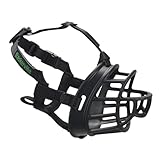
can be a valuable safety tool during the training process for high-level guarders — not as punishment, but as responsible management while you build new associations. More on that in section five.
Safety Assessment: Is This a DIY Training Case or Do You Need a Professional?
Before you watch a single training video or buy a bag of
, you need to answer one honest question: is this situation safe enough for you to handle on your own?
I've had this conversation with hundreds of dog owners, and the hardest part isn't giving people the answer — it's getting them to sit with it. Nobody wants to hear that their dog needs more help than they can provide. But getting this wrong doesn't just stall your progress. It puts people at real risk.
Here's how I walk families through that assessment.
The Non-Negotiable: Hard Contact Means Professional Help
If your dog has broken skin while guarding an item — even once, even "accidentally," even with a dog who is otherwise gentle — this is not a DIY case. Full stop.
I worked with a family whose Golden Retriever had nipped the husband's hand over a bully stick. They described it as "he just caught us off guard." But a bite that breaks skin tells me the dog's threshold is low enough and his commitment high enough that practicing trade games without expert guidance creates real danger. Bite history is the single most important variable in this assessment, and one incident is enough to change the recommendation entirely.
The Risk Assessment Checklist
Before proceeding with any training protocol, work through these five factors honestly:
- Bite history: Any hard contact? Any near-misses where you felt genuinely threatened? Count them and be specific about what triggered each one.
- Escalation speed: Does your dog go from relaxed to growling in seconds with almost no warning? Fast escalation dramatically reduces your margin for error.
- Body weight: A 90-pound dog that redirects onto a hand causes significantly more damage than a 12-pound dog doing the same behavior. Weight alone doesn't determine risk, but it amplifies it.
- Household composition: Children under 12 and elderly family members move unpredictably, may not read early warning signals, and can be seriously injured. Their presence narrows the DIY window considerably.
- Trigger breadth: Does your dog guard one specific item (a particular chew, say) or does the behavior generalize to food bowls, toys, furniture, and random objects? The wider the trigger set, the more complex the case.
One item, no bite history, no vulnerable household members, visible warning signals, and a dog under 40 pounds? Carefully managed DIY training may be reasonable. Multiple triggers, a history of escalation, and a toddler in the home? Call a professional before you try anything.
Red Flags That Mean You Should Contact a Certified Applied Animal Behaviorist (CAAB) or Board-Certified Veterinary Behaviorist
Some presentations require specialist-level expertise regardless of how motivated or experienced you are as an owner:
- Guarding that escalates when you enter the room — not when you approach, but simply when you walk in. This indicates a very low threshold and a dog who is already working hard to manage his environment.
- Any bite that broke skin, as discussed above
- Lunging or snapping with no prior growl — a dog who has suppressed early warning signals (often through past punishment) is genuinely unpredictable
- Behavior that appeared suddenly in an adult dog with no prior history — rule out pain or neurological causes first
- **A dog wearing a
is not a workaround** for skipping professional assessment; it’s a safety management tool, not a training solution
A Certified Applied Animal Behaviorist (CAAB) or a board-certified veterinary behaviorist (DACVB) has the credentials and hands-on experience to build a behavior modification plan for high-stakes cases. You can find them through the Animal Behavior Society or the American College of Veterinary Behaviorists directories.
What to Tell Your Vet Before Starting Any Behavior Modification
Before beginning training — especially in cases that came on suddenly or intensified quickly — schedule a veterinary exam and be specific. Tell your vet:
- When the guarding started and whether it's gotten worse over a defined timeframe
- Whether the dog shows any other behavior changes: irritability, decreased appetite, changes in sleep or movement
- Any incidents involving biting or near-bites, with dates if possible
Pain is an underappreciated driver of resource guarding. A dog with undiagnosed joint pain or gastrointestinal discomfort may guard food or resting spots more intensely because those resources feel more precious when he's not feeling well. Your vet needs this context to assess whether there's a medical component before any training begins.
Building the Foundation: The 'Trade' Game Before Any Item Is Involved
Here's the mistake I see most often when owners come to me after a guarding incident: they've watched a video, grabbed a piece of chicken, and walked straight up to a dog clutching a stolen sock — and then wondered why it went sideways. The problem isn't the chicken. The problem is that the dog has never learned what chicken appearing near a held item means. You're trying to cash a check from an account you haven't opened yet.
Before you ever approach a genuinely guarded item, you need to build a trade history — a long, boring, repetitive record of successful exchanges that teaches your dog one simple equation: human approaches + I release this thing = great stuff happens AND I get my thing back.
That history doesn't happen in a day. I typically ask owners to run 2-3 sessions of 3-5 minutes each, across 10-14 days, using items the dog couldn't care less about. Think a piece of cardboard, an old knotted t-shirt, an empty plastic bottle. The goal isn't to practice with the difficult stuff yet. The goal is to make the mechanic automatic and emotionally positive before the stakes exist at all.
The Core Mechanic (Run This Exactly)
- Hand your dog a low-value item — something genuinely boring to them.
- Let them hold it for a few seconds while you stand nearby, relaxed.
- Bring a high-value treat to nose level without asking for anything yet.
- The moment your dog releases the item to investigate the treat, mark it (a calm "yes" works fine) and deliver the treat.
- Pick up the item. Hand it straight back.
- Pause. Repeat.
That's it. No drama, no fuss. This sequence always looks underwhelming at first — which is exactly what you want.
Choosing the Right High-Value Reinforcer for Your Individual Dog
"High-value" is not a universal category. I've worked with dogs who would trade their soul for a piece of freeze-dried liver, and dogs who were completely indifferent to every commercial treat I offered but went wild for a small cube of rotisserie chicken. You need to find your dog's currency.
Strong options to test:
- Real cooked chicken (plain, unseasoned) — works for roughly 80% of the dogs I train
- Cheese — particularly good for dogs who are treat-motivated but bored by dry commercial options
- Ziwi Peak or similar high-meat-content treats — useful when you need something shelf-stable but genuinely enticing
- Small pieces of hot dog — not nutritionally exciting, but the smell is compelling to most dogs
A useful test: offer a piece of your candidate treat when your dog is mildly distracted. If they snap back to you immediately, you've found your reinforcer. If they take it politely but then look away, keep searching. During trade training, you need something that creates urgency — not just mild interest.
Keep your treats small — pea-sized. You'll be delivering a lot of them across these sessions, and you want food drive intact throughout. A
clipped to your hip makes delivery faster and keeps the food smell consistent, which itself becomes a reliable cue over time.
Why Giving the Item Back Is Non-Negotiable in Early Training
I had a client — a lovely woman with a two-year-old Labrador named Huxley — who was doing everything right except this one step. Her trades were clean, her treat value was high, and Huxley was releasing reliably. But she'd been quietly pocketing the item afterward because it felt like the "win." Within a week, Huxley started freezing when she approached rather than releasing. He had learned that trading meant losing the item permanently, so he started hedging his bets.
Returning the item is the single most trust-building action in this entire protocol. It communicates — in the only language that matters to a dog — that a human reaching toward something they're holding predicts good food and no loss. Over dozens of repetitions, your approach becomes genuinely good news rather than a threat.
Guard against the instinct to "win" the exchange. In these early sessions, you're not taking anything. You're practicing the release, rewarding it generously, and immediately proving that the release was safe.
Once that history is built across 10-14 days of low-stakes practice, you'll have something worth spending when it actually matters.
The Step-by-Step Protocol to Train 'Drop It' for Resource Guarded Items
Before I walk you through each phase, one thing I want to be clear about: this protocol moves slower than most people expect. I've had clients come back after week one saying "nothing is happening yet" — and that's actually a good sign. You're building trust, not just compliance.
Phase 1 (Days 1–7): Classical Counter-Conditioning Only
Don't ask your dog for anything during this phase. That's the whole point.
Walk to within 6 feet of your dog while they're holding a low-value item — a boring chew toy, a sock, something they guard mildly. Then simply toss a high-value treat (something genuinely exciting like a small piece of chicken or cheese) toward them and walk away.
No cue. No reaching for the item. No eye contact pressure. Just: I appear near you with something good. Then I leave.
You're rewiring the emotional association. By the end of week one, your goal is that your dog's ears perk up when you approach rather than their body going rigid.
Body Language and Approach Mechanics That Signal Safety to the Dog
Your body communicates more than your words do. I once worked with a Golden Retriever named Hank whose owner was doing everything textbook-correct — except approaching in a straight line, shoulders squared, eyes locked on the item. Hank would freeze every single time. We adjusted to a slightly angled approach, relaxed shoulders, soft gaze aimed slightly to the side of the dog, and within two sessions the stiffness melted.
Specific mechanics that matter:
- Approach from the side, not straight on — a frontal approach reads as assertive in dog body language
- Keep your treat hand visible and low, not hidden behind your back
- Breathe deliberately — shallow, tense breathing registers to dogs faster than you'd think
- Slow your pace about 8–10 feet out, letting the dog track you and relax before you arrive
How to Use a Long Line or Leash Safely During Early Practice Sessions
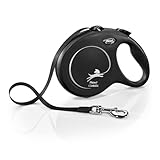
I recommend attaching a

during practice — not to restrain the dog mid-guard, but as a **quiet safety layer** that lets you prevent the dog from moving toward you aggressively without any confrontation. The leash should be dragging loosely on the ground during Phases 1 and 2. You’re not holding tension in it unless you genuinely need to create distance.
Never yank or use the leash to force the drop. If you're at the point of needing physical intervention, the session has already gone too far — go back a phase.
Phase 2 (Days 8–21): Closing Distance and Waiting for the Natural Drop
Now you close to 3 feet and hold the treat at your dog's nose level. Don't ask for anything yet — just let them smell it. Most dogs, if Phase 1 went well, will naturally open their mouths as the treat smell becomes overwhelming. The item falls out.
The moment it does: say "yes" clearly and deliver that treat immediately and generously. Multiple treats in a row if needed. Make it rain.
This is where your
earns its keep — fumbling with a bag at this stage breaks momentum and slows the association.
Phase 3 (Days 22+): Adding the Verbal Cue
Add "drop it" only once the behavior is happening reliably and happily. Say it once, calmly, right as the dog is beginning to open their mouth — not before, not as a demand. The cue becomes a predictor of the behavior, not a trigger for anxiety.
Progressing Up the Item Value Hierarchy: A Week-by-Week Framework
Apply the 3D rule before moving up in item value: your dog should perform a reliable drop with Distance (you at 6 feet, then 3 feet, then arm's reach), Distraction (different rooms, outside, with family nearby), and Duration (holding the item for 30 seconds, then 2 minutes before you approach).
A rough progression:
- Weeks 1–2: Low-value items (toys, fabric scraps)
- Weeks 3–4: Moderate value (chews, rope toys)
- Weeks 5–6: High-value items (bully sticks, real bones)
- Weeks 7+: The actual trigger items that started this whole journey
Skipping ahead in this hierarchy is the single most common mistake I see. A dog that drops a squeaky toy reliably has not yet proven they'll drop a rawhide — those are genuinely different emotional challenges for the dog.
Managing the Environment While Training Is In Progress
Management is not failure. It's the responsible bridge between where your dog is right now and where you're taking them. Think of it like physical therapy after a knee injury — you don't sprint on a damaged joint just to prove you're committed to recovery. You protect it while it heals.
During the typical 6-12 week training window for resource guarding protocols, your environment does about half the work. Every guarding incident that doesn't happen is a small win, because it means you're not accidentally rehearsing the exact behavior you're trying to change.
The Practical Setup: Gates, Zones, and Rules
and exercise pens are your best friends right now. I use them to create what I call a **”clean environment”** — spaces where your dog simply cannot access the items that trigger guarding. This isn’t about restricting your dog constantly; it’s about being intentional about when and where high-value items appear.
A few specific changes that make a real difference:
- Switch from free-feeding to structured meal times. When food appears on a predictable schedule and comes directly from you, you become the source of good things — not the threat who might take them away. It quietly reframes the whole relationship around food.
- Implement the "nothing on the floor" rule. No rawhides, no bully sticks, no dropped chicken nuggets from a toddler's hand until your dog has a solid, reliable drop it. I watched a family undo three weeks of careful training in one afternoon because their seven-year-old left a pig ear on the living room rug