Training Your Dog While Working From Home: 12 Expert Tips
Introduction: The Remote Work Advantage for Dog Training
If you're working from home with a dog, congratulations—you've stumbled into one of the best possible scenarios for raising a well-trained companion. While you might worry about juggling Zoom calls with potty breaks or maintaining focus while your pup begs for attention, the truth is that remote work offers training opportunities that traditional 9-to-5 office workers can only dream of.
Why Working From Home Is a Training Game-Changer
The secret to effective dog training isn't marathon weekend sessions—it's consistency throughout the day. Think about it: five 3-minute training sessions scattered across your workday will always beat a single 30-minute Saturday afternoon cram session. Your dog learns best through repetition with breaks in between, which perfectly aligns with your work-from-home rhythm.
Between meetings, during coffee breaks, or while waiting for files to upload, you have built-in opportunities to reinforce good behaviors. Your dog jumped on you when you stood up? That's an immediate training moment. She stayed calm while you were on a call? Perfect time for a quick reward and praise. This real-time feedback is incredibly powerful for dogs, who make connections best when consequences happen within seconds of their actions.

Check Price on Amazon →
Addressing the Elephant in the Room
Let's be honest about the challenges. You're not suddenly a full-time dog trainer—you have actual work to do, deadlines to meet, and professional responsibilities to uphold. Some remote workers worry they'll create a clingy dog who can't handle alone time, or that they'll struggle to set boundaries when a furry face is staring at them all day.
These are valid concerns, but they're also entirely manageable. The key is integration, not disruption. You're not stopping work every ten minutes for elaborate training exercises. Instead, you're using natural breaks and transitions in your day to build good habits. When you walk to the kitchen, that's a chance to practice "stay." When the doorbell rings during a delivery, that's an opportunity to work on calm greetings.
What This Really Looks Like
Strategic training during work hours doesn't mean sacrificing productivity—it enhances your day. A dog who learns to settle on their

Check Price on Amazon →
during your morning meetings becomes a companion who respects your work time. A pup who gets brief, focused training breaks is actually calmer and less disruptive than one who’s ignored all day and then suddenly expected to entertain themselves.
You'll also build an incredibly strong bond with your dog. They learn that you're a consistent, predictable presence who rewards good choices and gently redirects unwanted behaviors. This creates trust and clear communication that weekend-only trainers struggle to establish.
The goal isn't perfection—it's progress. By the end of this guide, you'll know exactly how to weave effective training into your remote workday without losing your mind or your job.
Setting Up Your Work-from-Home Training Environment
Working from home gives you an incredible opportunity to train your dog throughout the day, but success depends heavily on how you structure your shared space. A well-designed environment sets both you and your dog up for productivity and learning.
Essential Training Supplies to Keep at Your Desk
Keep a small basket or drawer at your workspace stocked with training essentials. This isn't about hoarding supplies—it's about removing barriers to those spontaneous training moments. When your dog settles quietly under your desk during a Zoom call, you want to mark and reward that behavior immediately, not after scrambling around your house searching for treats.
Your desktop training kit should include:
- High-value training treats (small, soft pieces that won't create a crunching distraction)
- A clicker or marker word you've already established
- A favorite toy for quick play breaks
- Cleaning supplies for accidents (especially important for puppies)
Check Price on Amazon →
I recommend keeping treats in an airtight container to maintain freshness and prevent the constant smell from becoming a distraction. Pro tip: Use a small

Check Price on Amazon →
loaded with peanut butter or yogurt during your longest conference calls to give your dog a quiet, engaging activity.
Creating a Calm Down Station for Your Dog
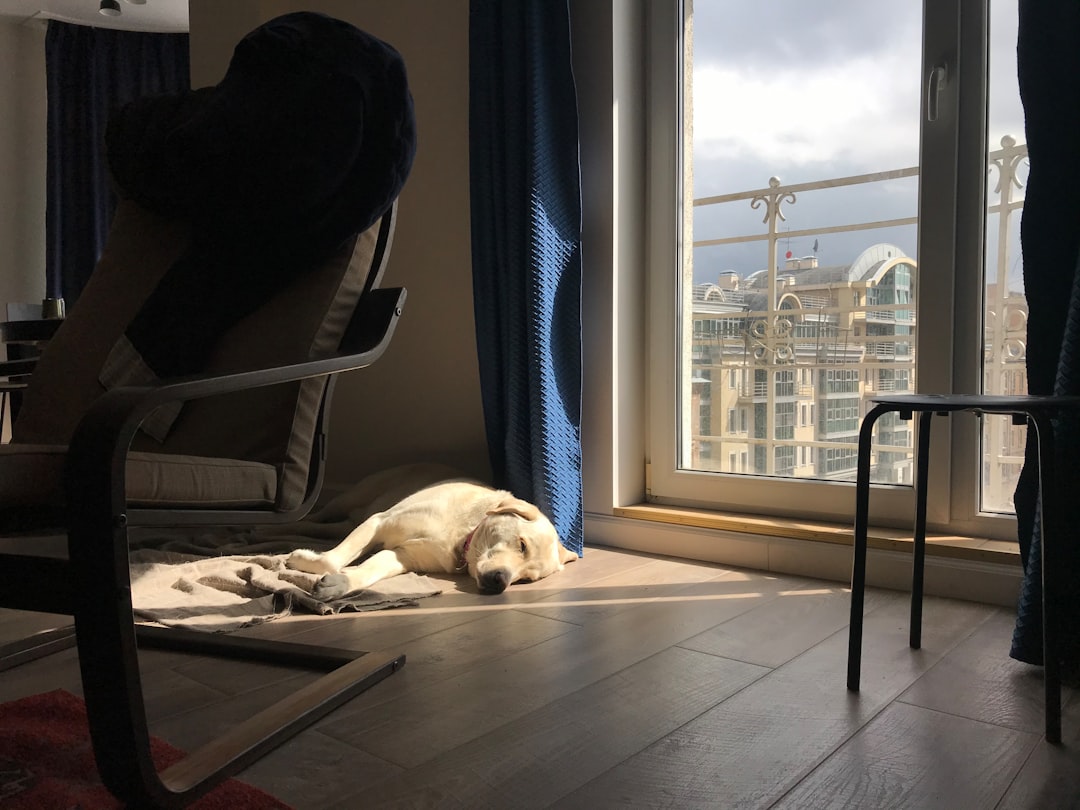
Your dog needs their own "office space" that signals rest time, not play time. Position a comfortable bed or crate within sight of your workspace but away from high-traffic areas. This placement is strategic—your dog can see you (reducing separation anxiety) without being in a position where they'll react to every movement.
The calm down station should become your dog's favorite spot through positive association. Feed meals there, offer special chews only in that location, and reward your dog every time they choose to settle there voluntarily. During video calls or focused work sessions, direct your dog to this spot with a cue like "go to your place."
Make this area extra inviting: comfortable bedding, a white noise machine if you have a sound-sensitive dog, and perhaps a piece of your worn clothing for comfort. The goal is creating a space where your dog genuinely wants to relax.
Managing Window Watching and Alert Barking
Windows are the streaming service of the dog world—endlessly entertaining but often triggering alert barking. If your workspace faces a busy street or your dog has developed a window-watching habit, you'll need to manage this proactively.
Consider these strategies:
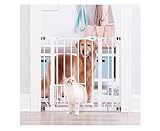
- Adjust window access: Use
Check Price on Amazon →
to block visual access during work hours, then allow supervised window time as a reward during breaks
– **Apply window film**: Frosted film at dog eye-level blocks the view while maintaining your natural light
– **Redirect the behavior**: Teach an incompatible behavior like “go to your bed” when someone passes by, rewarding heavily for disengaging from the window
– **Desensitize gradually**: During breaks, practice rewarding calm behavior while people or dogs pass outside
Environmental management isn't about depriving your dog—it's about removing triggers you're not actively training through. Once your dog has learned an appropriate response to outdoor stimuli, you can gradually reintroduce window access. Until then, setting your dog up to succeed means controlling what they can rehearse.
Structuring Your Day: When and How to Train Between Meetings
Working from home gives you something traditional office workers never had: dozens of small opportunities to train your dog throughout the day. The secret isn't finding big blocks of time—it's recognizing that three-minute training sessions can be just as effective as marathon weekend training when done consistently.
Start your morning right. Your dog's brain is freshest in the first hour after waking. Before you dive into emails, spend 5-10 minutes on skills that require focus like "stay," impulse control, or learning new tricks. You're both alert, the house is quiet, and you're establishing a predictable routine your dog will come to expect.
The 5-Minute Training Block Method
Think of your workday as a series of natural training intervals. Between meetings? That's a perfect 3-5 minute window to practice:
- Coffee break (3 min): Work on "place" or "settle" on their
Check Price on Amazon →
while you sip your coffee
– **Mid-morning stretch (2 min):** Quick recall practice down the hallway
– **Lunch prep (5 min):** Practice “wait” at doorways or loose-leash walking around the house
– **Afternoon slump (4 min):** Mental stimulation with a

Check Price on Amazon →
or short trick-training session
The key is keeping sessions brief enough that you both stay engaged. When your dog succeeds, end on that high note—even if it's only been two minutes.
Use bathroom breaks strategically. Every time you stand up to use the bathroom, that's a chance for a quick recall from another room or asking for a position change (sit-down-stand sequence). These micro-sessions add up to 10-15 training opportunities daily without "finding" extra time.
Training During Video Calls (What's Possible and What to Avoid)
Video calls offer unique training opportunities, but choose wisely:
Do practice:
- Settling quietly on a bed or mat during calls
- Relaxation protocols while you're visible but not actively engaging
- Quiet chew time with appropriate toys
Don't attempt:
- Anything requiring your verbal cues or attention
- High-energy activities that might disrupt your meeting
- New, complex behaviors your dog hasn't mastered yet
If your dog struggles during calls, that's feedback about what needs more training during your off-camera time.
End your workday with wind-down training. When you close your laptop, spend 5 minutes practicing calm behaviors. This signals to your dog that work time is ending and helps them transition too. Work on extended "settle," gentle handling, or simply rewarding relaxed behavior.
Using Timers and Reminders to Stay Consistent
Consistency matters more than duration. Set phone reminders for three daily training times that align with your schedule—perhaps 9 AM, 12:30 PM, and 4 PM. Even if you miss one, the prompts help training become automatic rather than something you remember at 8 PM.
Your dog will quickly learn your work-from-home rhythm. Most dogs can predict when you take lunch or finish for the day within minutes. Build training into this natural schedule, and you'll have a well-trained dog without sacrificing productivity.
Essential Skills to Train During Work Hours
Working from home gives you a unique advantage: you can weave training into your daily routine without dedicating separate blocks of time. The key is teaching skills that benefit both you and your dog while you're trying to be productive.
Teaching 'Place' Command for Long-Duration Settling
The 'place' command is your secret weapon for peaceful workdays. This teaches your dog to go to a specific spot—usually a
Check Price on Amazon →
or mat—and stay there calmly while you work.
Start with short durations. Send your dog to their place, reward them for staying, and release them after just 30 seconds. Gradually extend the time, but here's the crucial part: reward your dog for calm behavior, not just staying put. If they're lying on their bed but whining or staring intensely at you, that's not the settled state you're after.
Work up to 20-30 minute intervals throughout your day. During video calls or focused work sessions, your dog should learn that "place" means relaxation time, not just waiting for the next exciting thing. Keep a
Check Price on Amazon →
nearby for easy reinforcement without disrupting your workflow.
The Doorbell Protocol: Training Calm Greetings
Delivery drivers are now practically members of the household, which means doorbell chaos can derail your workday multiple times. Here's a protocol that actually works:
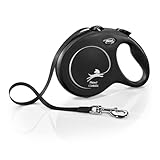
Before the doorbell rings: Practice your "quiet" command during calm moments. Reward any pause in barking or whining with high-value treats. Then simulate doorbells using your phone or asking a family member to help.
Check Price on Amazon →
When the doorbell rings: Ask your dog to go to their place immediately. They stay there while you answer the door—no exceptions. Initially, you might need to keep them on a leash attached to furniture to prevent rehearsing the jumping behavior.
The arrival moment: Only open the door when your dog is calm. If they break from their place, close the door and reset. Yes, the delivery person might wait an extra 20 seconds, but you're building a skill that lasts years.
Building Frustration Tolerance and Patience
Impulse control exercises are perfect for work-from-home training because they take just 2-3 minutes and can happen throughout your day.
Practice "wait" before meals, doorways, and when you throw toys. The key is making your dog pause and look to you for permission before doing what they want. This builds the critical skill of checking in with you rather than acting on every impulse.
"Leave it" becomes invaluable when you drop your lunch or your dog spots the neighbor's cat outside your office window. Train this by placing treats on the floor, covering them with your hand, and only rewarding when your dog looks away from the treat and up at you.
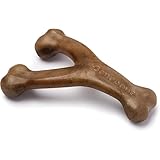
Boundary training keeps your dog from wandering into your workspace during important calls. Use baby gates or simply mark an invisible line with tape. Reward your dog for staying on their side, and redirect them back if they cross. Within a week, most dogs understand the boundary—especially if their comfortable bed and favorite
Check Price on Amazon →
are on their designated side.
The magic of these skills? They compound. A dog who understands impulse control learns "place" faster. A dog who's mastered boundaries is calmer about doorbells. You're not just training commands—you're building a work-from-home companion who respects your professional life.
Mental Enrichment Activities That Don't Disrupt Your Workflow
When you're deep in a spreadsheet or leading a video call, the last thing you need is a bored dog demanding attention. The secret? Mental enrichment activities that keep your dog engaged while you stay focused on work.
Mental stimulation tires dogs out faster than physical exercise alone. A 15-minute puzzle-solving session can be as exhausting as a 30-minute walk, making enrichment your best friend during back-to-back meetings.
Food puzzles and slow feeders turn mealtime into a 20-40 minute activity instead of a 2-minute inhale-fest. Instead of feeding breakfast from a bowl, use a

Check Price on Amazon →
or scatter kibble in a muffin tin covered with tennis balls. Your dog problem-solves while you problem-solve, and everyone wins.
For those marathon conference calls, frozen Kongs are golden. Stuff a

Check Price on Amazon →
with wet dog food, peanut butter, or mashed banana, then freeze it overnight. This creates 30-45 minutes of quiet licking that keeps dogs occupied without needing your involvement. Lick mats work similarly—spread something sticky on them, and the repetitive licking actually calms anxious dogs while keeping them busy.
Snuffle mats deserve special mention because they tap into your dog's natural foraging instincts. Hide kibble or treats in the fabric folds, and your dog will spend 10-20 minutes sniffing them out. This scent work is mentally draining in the best way, and it's completely self-directed once you've set it up.
Best Puzzle Toys for Independent Play
Not all puzzle toys are created equal. Look for adjustable difficulty levels so you're not constantly hovering to help. Start with simpler sliding puzzles, then graduate to more complex ones as your dog masters each level.
The key is rotation. Dogs lose interest in the same puzzle daily, but if you rotate 4-5 different enrichment items throughout the week, each one stays novel. Monday might be the snuffle mat, Tuesday the frozen Kong, Wednesday a new puzzle toy, and so on.
Creating Scent Games Your Dog Can Do Solo
You don't need fancy equipment for effective scent work. Try the "which hand" game evolved: place treats under three upside-down plastic containers while your dog watches, then let them knock over the right one. Once they've got it, hide treats around your home office at dog-nose height—under a folder, behind a desk leg, in a empty tissue box.
Reading your dog's energy levels determines whether they need enrichment or active training. Is your dog restless and bringing you toys? They probably need a quick 5-minute training session or play break. Are they calmly hanging out but starting to look bored? That's enrichment time. Save the frozen Kong for when you absolutely cannot be interrupted—it's your secret weapon for important meetings.
DIY enrichment costs almost nothing. Cardboard boxes become puzzle toys when you put treats inside and let your dog shred them (supervision required). Old towels tied in knots hide treats in the folds. A muffin tin plus tennis balls equals an instant puzzle feeder. The best enrichment activity is whatever keeps your dog engaged while you tick off your to-do list—no judgment, just results.
Managing Energy Levels and Exercise Needs
When you're working from home, your dog's energy management becomes your energy management. A wound-up dog will interrupt Zoom calls, demand attention, and make focus nearly impossible. The good news? Strategic exercise and mental stimulation create a calm, settled companion who's happy to snooze while you work.
Morning exercise before work starts is non-negotiable. I tell my clients to think of this as setting up their dog's nervous system for success. A solid 20-30 minute walk or play session before you log on depletes that initial burst of energy and signals "okay, we've done our thing." Your dog can then settle into rest mode instead of pacing and whining for your attention during your first meeting.
Lunch break walks serve double duty—they release midday energy and provide perfect outdoor training opportunities. Use this time for real-world practice: loose-leash walking, greeting people politely, or practicing recalls in a safe area with a

Check Price on Amazon →
. These sessions don’t need to be long. A focused 15-20 minute walk with training elements often tires a dog more than an hour of mindless wandering.
The 15-Minute Midday Reset Routine
When your dog gets restless around 2pm (they always do), try this quick reset:
- 3 minutes: High-energy tug or fetch
- 5 minutes: Basic obedience drills with
Check Price on Amazon →
– 5 minutes: Sniff walk around the block
– 2 minutes: Calm settling exercise on their bed
This routine burns energy, engages their brain, and re-establishes the "work mode" boundary.
Indoor exercise for bad weather requires creativity. Hallway fetch works brilliantly in apartments—the confined space means you can tire your dog without much effort. Stair work (controlled walks up and down) builds muscle and burns energy fast. Tug games teach impulse control when you incorporate "take it" and "drop it" cues between rounds.
Here's what many people miss: mental exercise tires dogs differently than physical activity. A 10-minute training session or puzzle-solving activity can exhaust your dog as much as a 30-minute walk. Scatter feeding, hide-and-seek with treats, or working through a
Check Price on Amazon →
engages their problem-solving brain. Combine both types—a morning walk plus midday enrichment—for a truly tired dog.
Indoor Games That Build Training Skills
Kill two birds with one stone with these games:
- Find it: Hide treats around one room; builds focus and scenting skills
- Which hand: Hold treats in closed fists; rewards patience and eye contact
- The name game: Scatter toys, then ask for specific ones by name
- Door dash prevention: Practice impulse control by rewarding four-on-floor before going outside
Watch for signs your dog needs a break: excessive panting, inability to settle, mouthing/nipping, or ignoring known cues. These signal overstimulation or frustration, not defiance. Sometimes dogs need help calming down, not more stimulation.
Between work tasks, try 5-minute energy burners: three rounds of sit-down-stand sequences, rapid-fire trick practice, or a quick game of tug. These micro-sessions keep energy levels manageable without derailing your productivity.
The secret? Preventive management beats reactive management every time. Stay ahead of your dog's energy curve, and they'll become your best coworker.
Troubleshooting Common Work-from-Home Training Challenges
Working from home with your dog isn't always the peaceful coexistence we imagine. Let's tackle the most common frustrations with practical solutions that actually work.
What to Do When Your Dog Barks During Important Calls
The mid-presentation bark is every remote worker's nightmare. Prevention starts before you hit that video call button.
Proactive strategies:
- Schedule a vigorous walk or play session 30 minutes before important meetings
- Create a "meeting mode" routine: give your dog a stuffed
Check Price on Amazon →
or
Check Price on Amazon →
right before calls start
– Train a “place” command where your dog goes to their bed and stays during a verbal cue
If barking happens mid-call, don't yell or react emotionally—that's attention, and attention reinforces behavior. Instead, keep a jar of training treats at your desk. The moment your dog quiets (even for two seconds), mark it with a quiet "yes" and toss a treat toward their bed. You're teaching that silence earns rewards while creating distance from your workspace.
For chronic interrupters, practice mock meetings. Have a friend call you, then work through the entire scenario with your dog present, heavily rewarding calm behavior.
Teaching Your Dog That You Being Home Doesn't Mean Constant Attention
This is the biggest adjustment for many dogs. You're right there, yet unavailable—confusing and frustrating for your pup.
Gradually build independence:
- Start with 5-minute "do not disturb" sessions using a
Check Price on Amazon →
or closed door
– Practice the “relaxation protocol”—reward your dog for settling on their bed while you work nearby
– Establish clear “on duty” vs. “off duty” signals (like wearing a specific jacket during work hours)
The key is consistency. If you cave and give attention during work time, you're teaching persistence pays off. Instead, schedule dedicated break times for attention, play, and training. Your dog will learn to anticipate these moments rather than constantly pestering.
Velcro dog syndrome deserves special mention. Some dogs become overly dependent when you're constantly home. Combat this by creating positive alone-time experiences even when you're there—sending your dog to another room with an engaging chew toy, for example.
Managing Multiple Dogs While Working
Multiple dogs amplify every challenge. They feed off each other's energy, compete for attention, and can turn one barking trigger into a full chorus.
Your multi-dog strategy:
- Stagger their enrichment activities so they're occupied at different times
- Use
Check Price on Amazon →
items to keep minds engaged independently
– Practice individual training sessions with each dog (the others go in separate rooms or crates)
– Teach a group “settle” command where all dogs go to their designated spots
Consider rotating dogs through your office space. Maybe one dog gets office privileges in the morning while others stay elsewhere, then switch at lunch. This prevents pack mentality issues and gives you one-on-one bonding time with each dog.
For delivery-induced barking frenzies: desensitize by having a friend approach your door repeatedly while you reward quiet behavior. Start at a distance that doesn't trigger barking, gradually moving closer over multiple sessions. White noise machines near your workspace can also muffle triggering sounds.
Remember: you're teaching a new lifestyle, not fixing broken behavior. Give yourself and your dogs grace during this transition.
Maintaining Training Progress Long-Term
The real challenge isn't teaching your dog to settle during a Zoom meeting—it's maintaining that behavior three months later when work gets hectic. Working from home gives you incredible training opportunities, but consistency separates temporary improvements from lasting behavioral changes.
Simple Tracking Methods for Busy Remote Workers
You don't need elaborate spreadsheets to track training progress. A quick note in your phone or a dedicated notebook works perfectly. I recommend the "traffic light" method: after each training session or notable behavior, jot down a green (success), yellow (partial success), or red (struggled) rating with one sentence about what happened.
For example: "Green – Stayed on mat during entire client call. Yellow – Barked twice at delivery but settled quickly. Red – Lost it during construction noise outside."
This takes 30 seconds but reveals patterns you'd otherwise miss. Maybe your dog's impulse control tanks after lunch, or certain meeting types trigger more anxiety. These insights let you adjust training timing and prevent future problems.
Track these specifics during your workday:
- Times when your dog struggles most (and what you were doing)
- Which rewards motivate best during work hours
- How long successful "settle" periods last
- Environmental triggers that cause setbacks
A simple
Check Price on Amazon →
kept at your desk makes it easier to consistently reward good choices throughout the day, which dramatically speeds progress.
Adapting Your Training Plan as Work Demands Change
As your dog masters basic skills like settling during meetings, progressively increase difficulty. If they can handle quiet video calls, try unmuting yourself more often. If they stay calm with steady work, introduce intentional movement—standing up, walking to get coffee, organizing papers.
Preventing backsliding during crunch time is critical. When deadlines hit and you're tempted to skip training, remember: five minutes of proactive training prevents hours of managing problem behaviors. On your busiest days, maintain these non-negotiables:
- Morning exercise before work starts (even 10 minutes helps)
- Consistent meal and potty schedules
- One brief training session, even if it's just practicing "place" during a quick break
- The same rules apply (no exceptions for begging during lunch just because you're stressed)
Getting Everyone On Board
If family members are home, mixed messages derail training fast. Your dog can't learn "no begging during work calls" if your partner feeds them lunch scraps. Hold a five-minute family meeting to establish house rules: who feeds the dog, what commands everyone uses, and which behaviors get rewarded.
Recognize when your dog's ready for new challenges: solid performance for a week straight, eagerness during training, and the ability to hold behaviors even with mild distractions. Don't rush—building on shaky foundations creates problems.
Planning for Office Return
If you'll eventually return to an office, start transitioning skills early. Practice your dog settling in different rooms while you work. Gradually reduce your interaction during work hours to mimic your absence. The skills learned at home—self-entertainment, calm settling, predictable routines—transfer beautifully to being home alone, but your dog needs help making that connection before your first day back.
Frequently Asked Questions
How many training sessions should I do with my dog while working from home?
Aim for 4-6 micro-sessions of 3-5 minutes throughout your workday rather than one long session. Quality matters more than quantity—even 2-3 focused sessions are better than forcing training when you're distracted. Match training frequency to your dog's age and attention span: puppies need shorter, more frequent sessions. Listen to your schedule—some days you'll manage more sessions, consistency over perfection is key.
What if my dog constantly interrupts me during video calls?
Train a 'place' command where your dog goes to their bed during calls—practice this heavily outside of actual meetings first. Provide a high-value chew or puzzle toy at the start of calls to keep them occupied. Exercise your dog thoroughly before important calls to reduce energy and attention-seeking. Teach a quiet command with positive reinforcement, rewarding silence during practice sessions. Consider using a baby gate or closing your dog in another room for critical meetings while building up duration gradually.
Can I train my dog if I have back-to-back meetings all day?
Yes—focus on passive training like rewarding calm settling during meetings and teaching place/stay. Use your morning pre-work time and lunch break for active training sessions. Even 30 seconds between meetings can reinforce a quick sit, down, or focus exercise. Enrichment toys and food puzzles provide mental stimulation without requiring your active participation. On heavy meeting days, prioritize exercise before work and accept that some days are maintenance, not progress days.
How do I prevent my dog from developing separation anxiety since I'm always home now?
Deliberately practice short departures even while working from home—step outside for mail, take trash out, sit in your car briefly. Create physical boundaries using baby gates or closed doors so your dog learns to be calm when you're home but inaccessible. Don't allow your dog to follow you everywhere—practice independence by having them stay on their bed while you move around. Maintain some unpredictability in your routine so your dog doesn't become anxious when patterns change. Start independence training now before you potentially return to office work.
What's the best way to tire out my dog mentally when I can't leave for exercise?
Training sessions themselves are mentally exhausting—15 minutes of focused training equals 30+ minutes of physical exercise. Food puzzles, snuffle mats, and frozen Kongs provide extended mental engagement. Teach new tricks or behaviors—learning is more tiring than practicing known commands. Play scent games: hide treats around a room and let your dog search them out. Indoor obstacle courses using household items challenge problem-solving skills. Remember that mental fatigue is cumulative—several short enrichment activities throughout the day add up.