How to Teach Dog to Stay for Long Periods: Complete Guide
Understanding the Foundation: Why Long Stays Are Challenging for Dogs
If you’ve ever tried to sit perfectly still for ten minutes without checking your phone, fidgeting, or shifting position, you’ll understand what we’re asking our dogs to do. Except it’s actually harder for them.
Dogs Are Wired for Movement
Here’s the reality: dogs are naturally active creatures who survive by moving, exploring, and responding to their environment. When a squirrel runs by or another dog barks, every instinct tells them to react. Asking a dog to stay motionless goes against thousands of years of genetic programming. Their impulse control is limited compared to ours, and that’s completely normal.
A puppy or young dog can struggle to hold still for even 30 seconds. That’s not stubbornness—it’s biology.
The Mental Marathon of Extended Stays
There’s a massive difference between a basic 30-second stay and holding position for 5-10 minutes. Most people think it’s just about more obedience, but it’s really about mental stamina.
Think of it this way: a short stay is like doing a plank exercise for 10 seconds. Anyone can manage that. But holding a plank for five minutes? That requires conditioning, mental toughness, and gradual build-up. Your dog’s brain works the same way. They need to develop the mental muscle to maintain focus and resist impulses over time.
Every Dog Has Their Own Timeline
I’ve trained a lot of dogs, and I can tell you this: age, breed, and temperament make a huge difference in how quickly dogs master long stays.
A real example from my training: I once worked with a 2-year-old Border Collie named Dash and a 5-year-old Basset Hound named Harvey at the same time.
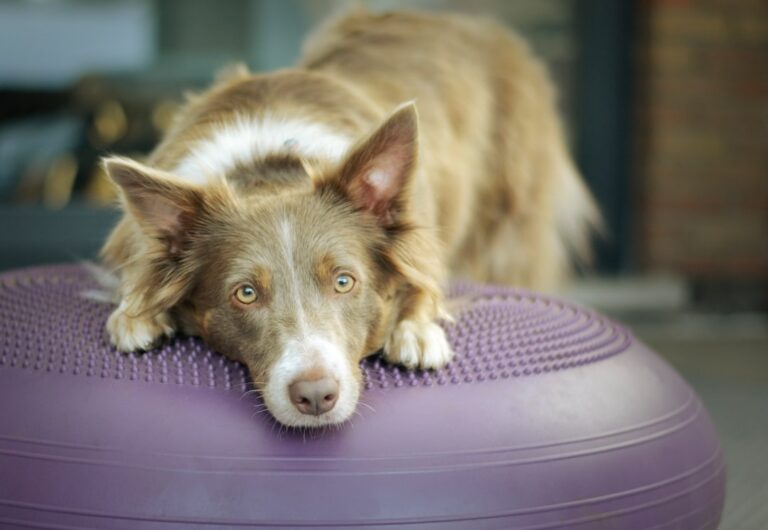
Dash was incredibly smart and eager to work, but he was also high-energy and hyper-aware of everything around him. Getting him to stay for more than two minutes initially felt impossible—his brain was always three steps ahead, planning his next move. For more on this topic, see our guide on the place command.
Harvey? He was naturally calm and had already mellowed with age. He could hold a three-minute stay within our first week together. But pushing beyond that required patience because Basset Hounds aren’t typically motivated by praise alone.
The lesson: I used different timelines and rewards for each dog. Dash needed more frequent breaks and higher-value treats. Harvey needed comfortable positioning and less pressure.
The Three D’s: Why Duration Is the Hardest
Every dog trainer talks about the three D’s: Duration, Distance, and Distraction. These are the building blocks of any solid stay command.
- Duration: How long your dog stays
- Distance: How far away you can move from your dog
- Distraction: What’s happening around your dog
Here’s what most owners don’t realize: duration is the most mentally exhausting of the three.
Your dog can learn to stay while you walk 20 feet away relatively quickly—that’s just trusting you’ll come back. Distractions can be managed by gradually exposing them to stimuli. But duration? That requires your dog to maintain constant self-control and focus. Their brain is actively working the entire time, fighting the urge to move, investigate, or react.
That’s why building to long stays takes patience, incremental progress, and realistic expectations based on your individual dog.